

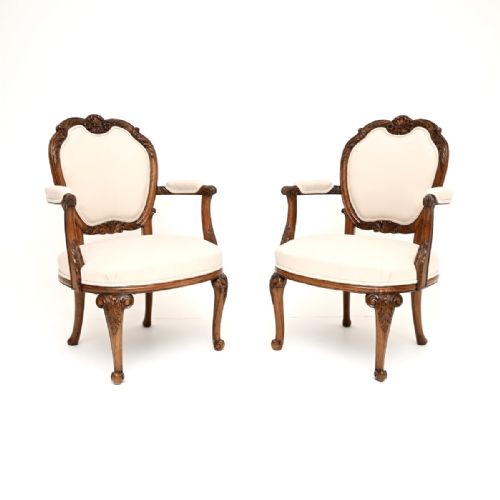
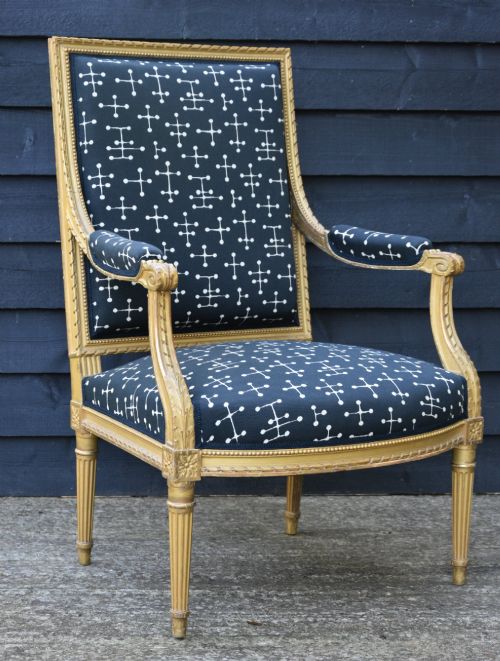
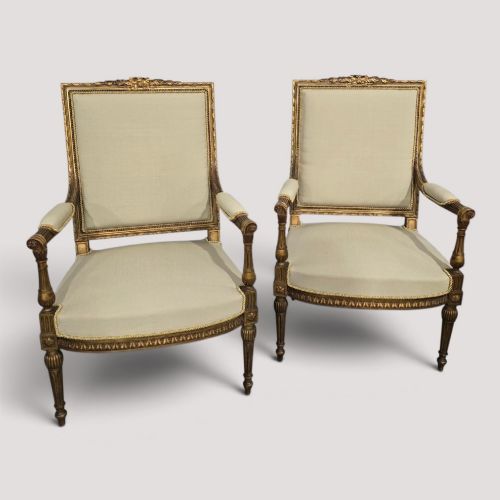
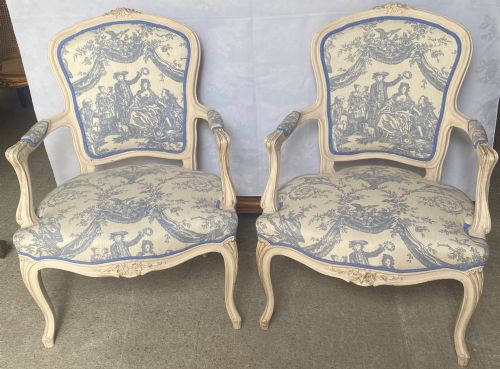
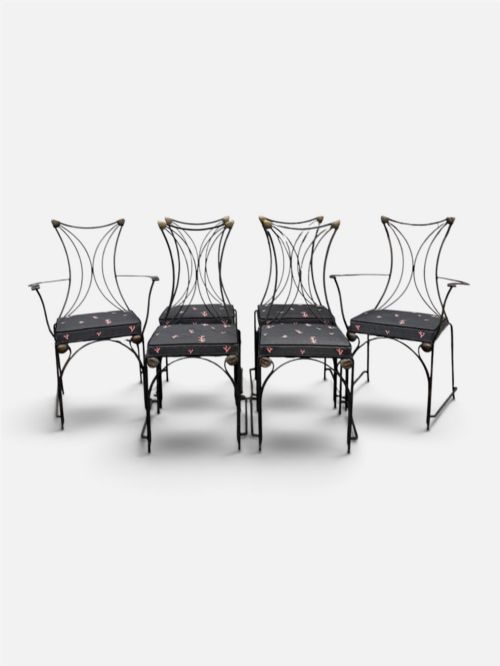
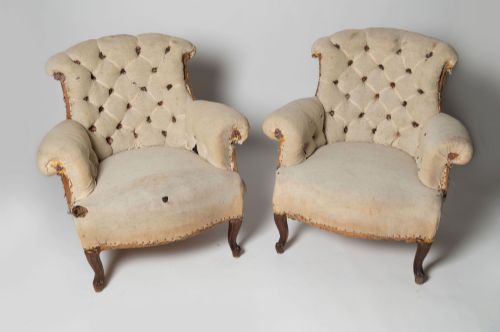
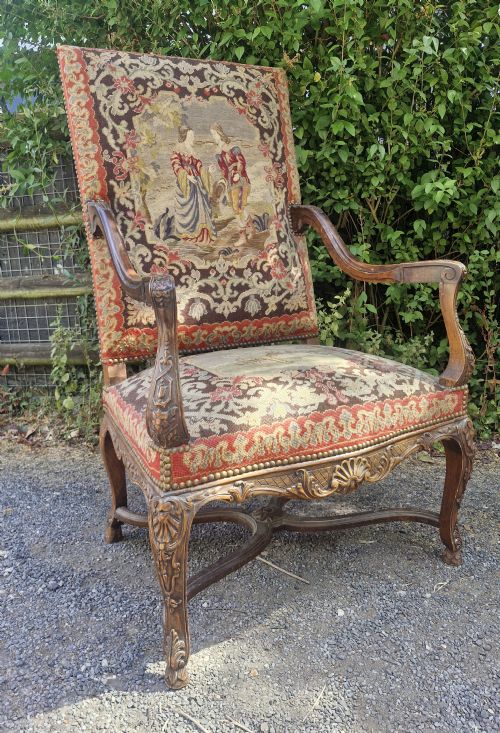
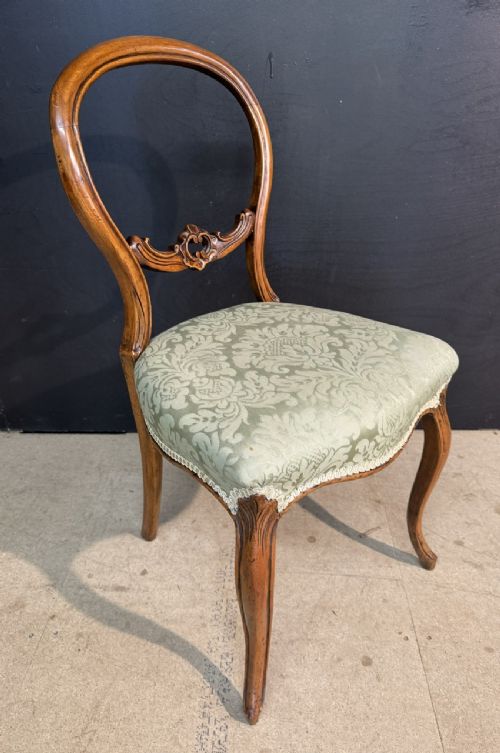
French X Frame Chair
When you search for french x frame chair, you discover seating defined by intersecting supports and continental elegance.
French X Frame Chair
A french x frame chair draws upon historical forms with intersecting stretchers that create a distinctive cross-base profile. These pieces emerge across various periods, from the eighteenth century through to later revivals.
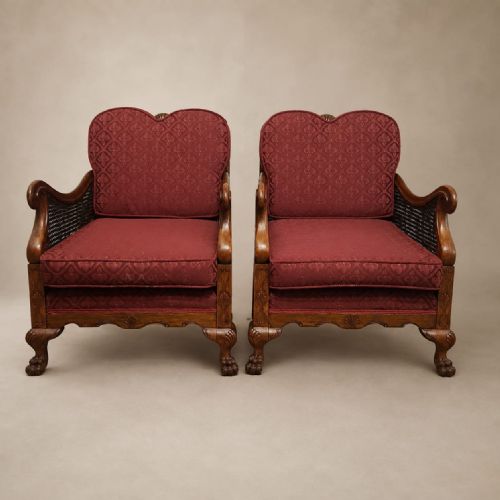
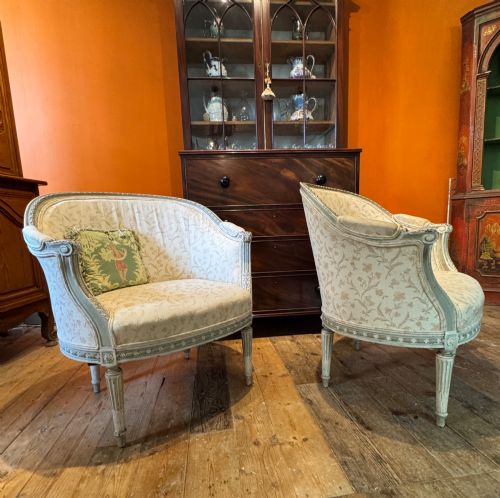
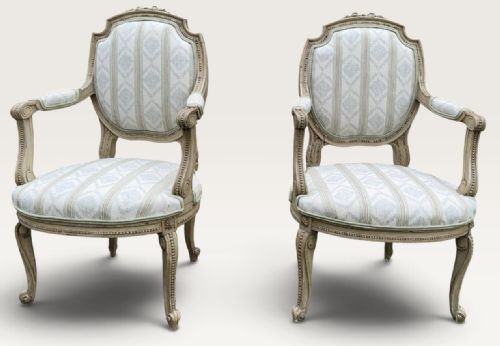
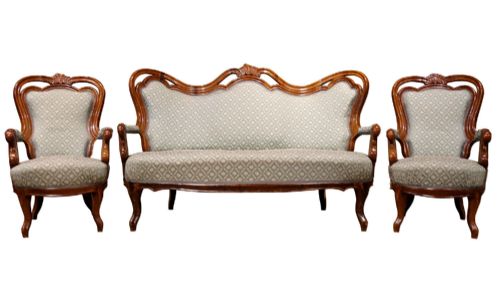
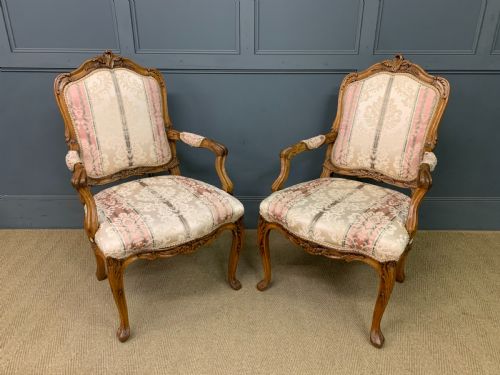
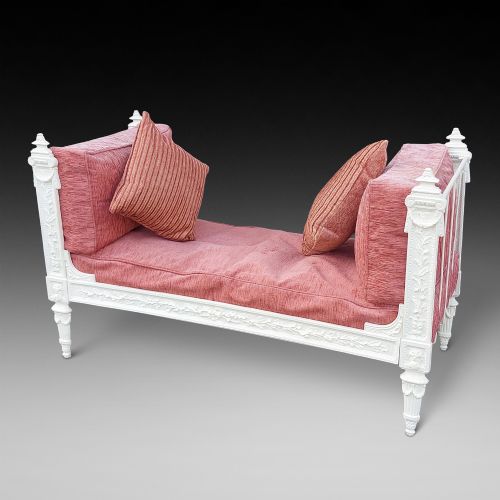
The selection here encompasses diverse forms, with walnut and beech frameworks frequently appearing alongside painted and gilt finishes. Many examples reflect revivalist movements such as Louis XV and Renaissance styles.
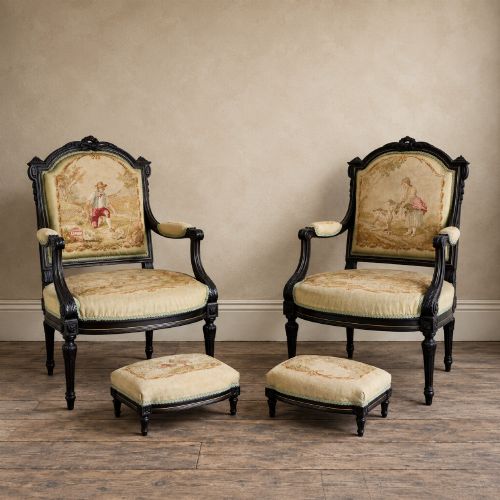
Buyers encounter open armchairs, fauteuils, and occasional seating that adapt these classical architectural lines for domestic interiors.
Construction and materials
Frames are principally fashioned from solid hardwoods such as walnut, beech, and oak, chosen for their structural strength and ability to hold intricate carved details. Joinery relies on traditional mortise and tenon methods to support the characteristic stress placed on intersecting frames.
Upholstery techniques involve traditional stuffing secured over webbing or cane panels, finished with textile, velvet, leather, or needlework tapestries. Surface treatments range from original paint and polished polish to applied giltwood and brass mounts.
French X Frame Chair Retail Price Guide 2026
Typical asking prices for french x frame chair among the pieces listed under this phrase on Sellingantiques today, from the lower quarter to the upper quarter. They describe what is for sale here now, not the wider market.
Listings feature walnut, beech, oak, and mahogany alongside textiles including silk, velvet, leather, and needlework.
Assessing craftsmanship
Quality rests in the crispness of the hand-carved ornamentation upon the wooden frame and the structural integrity of the cross-brace joints. Superior examples exhibit harmonious proportions and retain original surface finishes rather than later heavy interventions.
The selection of covering materials, whether fine silk, hand-stitched needlepoint, or supple leather, distinguishes standard production from exceptional salon pieces.
The French X Frame Chair Glossary
- X-frame
- A chair construction featuring legs or stretchers that cross in the shape of an X. This ancient architectural form provides inherent stability.
- Fauteuil
- An open-arm armchair with upholstered back and seat, typically featuring exposed wooden framing. These chairs originated in France during the seventeenth century.
- Bergere
- An enclosed upholstered armchair with solid wooden sides and a padded back. The seat usually incorporates a loose cushion over a cane or sprung base.
- Giltwood
- Timber that has been coated with a thin layer of gold leaf or powder. This finish appears frequently on formal revival furniture.
- Needlework
- Canvas worked with yarn or thread using stitches such as petit point or gros point. It serves as a durable and decorative upholstery medium.
French X Frame Chair: Frequently Asked Questions
Where did x frame chairs originate?
Cross-legged seating dates back to ancient civilisations including Egypt and Rome, where folding X-frame stools denoted status and portability.
Later European makers revived the silhouette during the Renaissance and nineteenth-century revival periods, adapting the folding mechanism into fixed, decorative architectural seating.
How do I care for antique upholstery?
Protect delicate textiles and needlework from direct sunlight to prevent fading and degradation of historic fibres. Gentle vacuuming through a mesh screen helps remove dust without stressing fragile weaves.
Maintain stable indoor humidity levels to preserve both the wooden frame and the underlying organic stuffing materials.
Are these chairs comfortable for daily use?
Many examples feature generous proportions and padded armrests designed for relaxation in salons and libraries. The ergonomic comfort depends on the depth of the seat and the resilience of the internal webbing and padding.
Open armchairs with rigid frames work well as occasional seating rather than deep lounging chairs.
How can I identify a revival period piece?
Nineteenth-century revival furniture often reinterprets earlier eighteenth-century designs using machine-assisted woodworking alongside hand-finishing techniques. Examining the tool marks, timber ageing, and secondary woods helps clarify the exact manufacturing era.
Stylistic markers such as exaggerated cabriole legs or eclectic brass mounts typically point towards Napoleon III or Victorian production.