




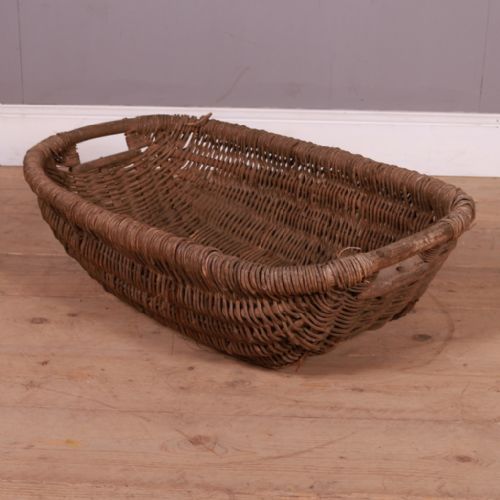
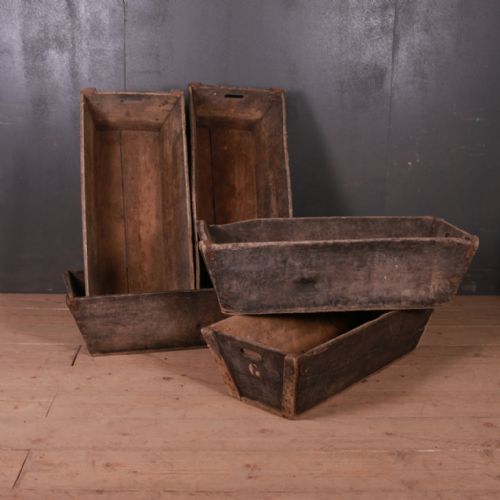


French Wood Trough
These French wood trough pieces bring rustic warmth and refined utility into a home, offering genuine period character through practical vessels.
French Wood Trough
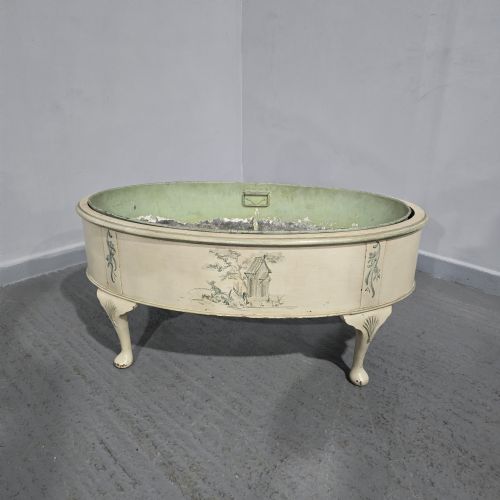
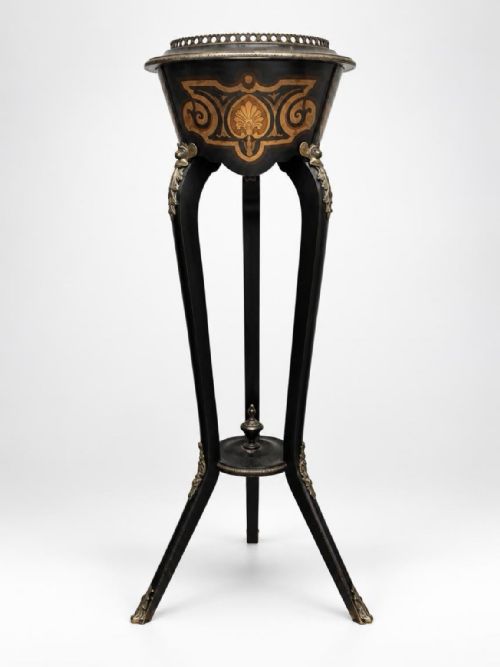
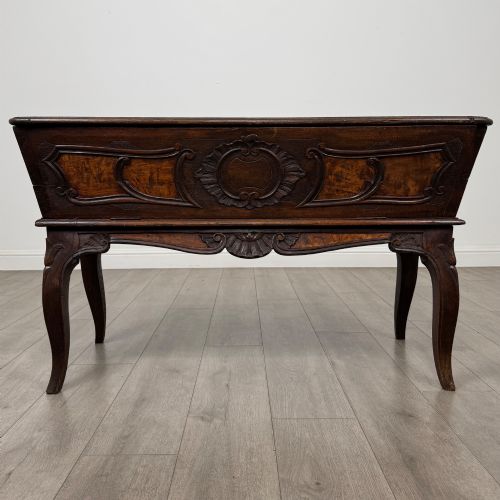
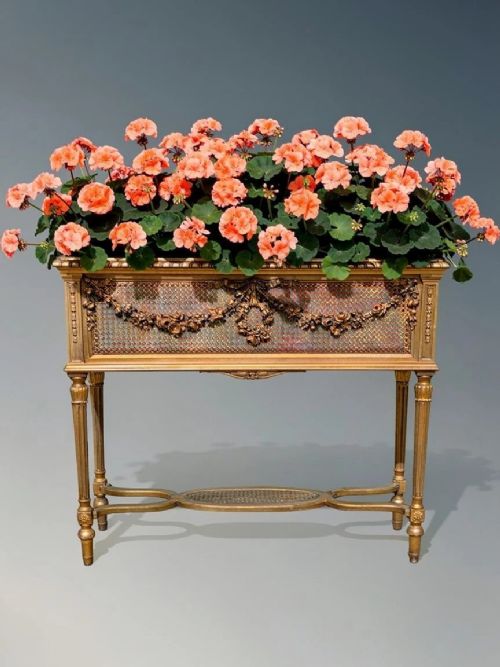
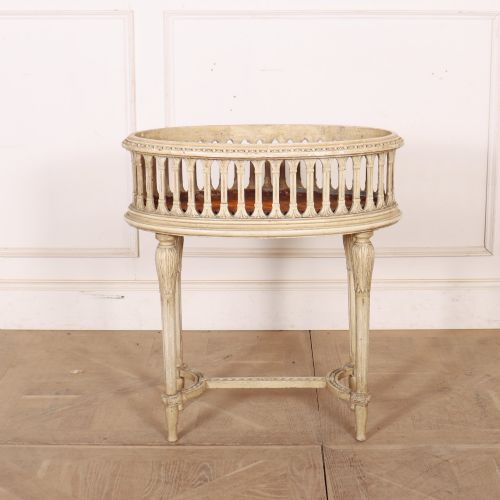
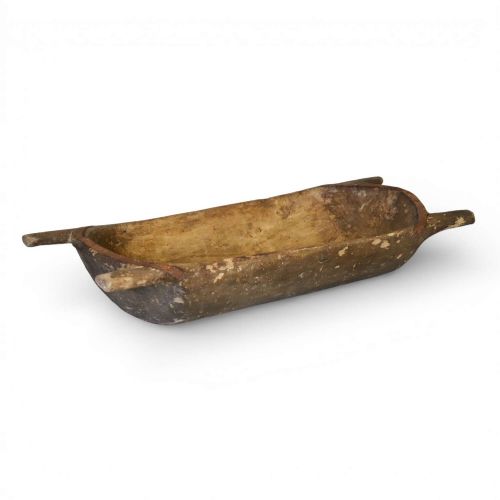
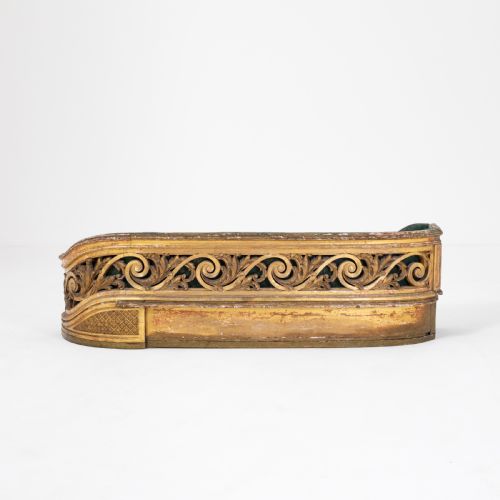
A french wood trough encompasses functional domestic vessels and decorative planters originating from France, spanning eras from the nineteenth century onward. Buyers searching for a french wood trough typically encounter rustic dough bins, kneading bowls, and grape bins alongside more formal giltwood or ormolu-mounted jardiniere plant stands.
The domestic kitchen implements include large farmhouse kneading bowls and carved walnut dough bins intended for practical food preparation. Meanwhile, the decorative counterparts feature satinwood, kingwood, olive wood, and painted finishes designed to display plants within period interiors.
The regional styles vary from simple French country and provincial farmhouse pieces to elaborate Louis XVI and Napoleon III salon furnishings. This selection bridges heavy utility with delicate nineteenth century craftsmanship, offering versatile wooden vessels suited for modern rooms.
How they were made
Makers constructed these pieces using solid timber, walnut, satinwood, and olive wood, often incorporating hand-carved details or simple plank construction. Country pieces rely on straightforward wooden joinery suited for daily agricultural or kitchen labour.
Formal planters integrate decorative metalwork, applying cast ormolu mounts, brass details, and giltwood finishes over the wooden carcass. Selected examples utilise canework, paint, and fine marquetry inlay to elevate the simple trough into a formal salon piece.
French Wood Trough Retail Price Guide 2026
Typical asking prices for french wood trough among the pieces listed under this phrase on Sellingantiques today, from the lower quarter to the upper quarter. They describe what is for sale here now, not the wider market.
Listings feature nineteenth-century pieces spanning 1820 to 1900, incorporating walnut, satinwood, olive wood, giltwood, and ormolu.
What varies in quality
Quality rests in the depth of the material's natural patina, the crispness of the hand-carved woodwork, and the integrity of the original construction. Superior domestic dough bins show the rich, warm marks of genuine agricultural use, whereas finer salon jardiniere vessels demonstrate precise cabinetmaking and intact metal mounts.
The presence of secondary materials like ormolu, hand-applied paint, and intricate wood veneers separates standard utilitarian items from high-status decorative objects. A cohesive balance between the rustic timber body and any applied ornamentation defines the better examples.
The French Wood Trough Glossary
- Jardiniere
- A decorative pot or stand designed for holding plants or flowers. These items often feature ornate metal mounts or fine wood veneers.
- Dough Bin
- A deep wooden container traditionally used for kneading and rising bread dough. They frequently double as side tables or storage chests today.
- Ormolu
- Gilded bronze furniture mounts popular in French decorative arts. This technique adds metallic lustre to wooden planters and stands.
- Giltwood
- Timber treated with gold leaf or gold paint to create a brilliant decorative surface. It characterises the grander French salon pieces.
- Patina
- The surface sheen and colour developed through age, handling, and use. A rich patina indicates long historical character.
French Wood Trough: Frequently Asked Questions
How were dough bins used?
Dough bins served as the primary wooden vessels for mixing, kneading, and leaving bread dough to rise in nineteenth-century French households.
Their deep cavities and sturdy timber construction provided stable environments for baking preparation before finding new life as decorative home furnishings.
How do I style a jardiniere?
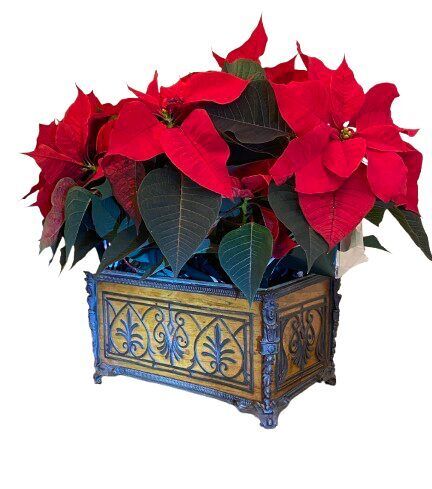
A jardiniere can hold potted plants, dried arrangements, or simply stand alone as a sculptural wooden accent in a living room or hallway.
Placed upon a side table or floor, these vessels introduce organic texture and historical French character to contemporary interior schemes.
How do I date a wooden trough?
Dating relies on identifying the timber species, construction techniques, decorative styles, and the presence of period mounts like ormolu or giltwood.
Nineteenth-century examples often display regional French provincial traits or specific revival aesthetics such as Louis XVI and Napoleon III designs.