




French Washstand Table
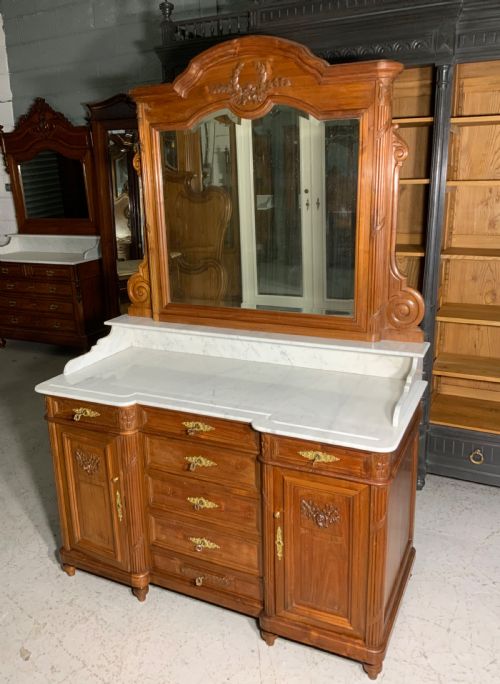
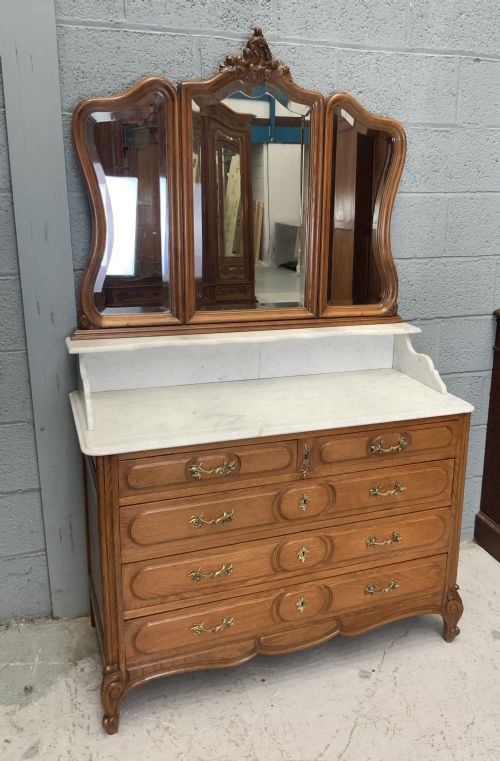
These pieces known as a french washstand table combine practical timber frames with stone and metal surfaces for daily toilet routines.
French Washstand Table
A french washstand table serves as a sturdy surface designed originally for holding basins, ewers, and jugs before plumbed bathrooms became standard. These items appear across periods spanning from the mid-nineteenth century through to the art deco era, incorporating both regional provincial forms and grander revival styles.
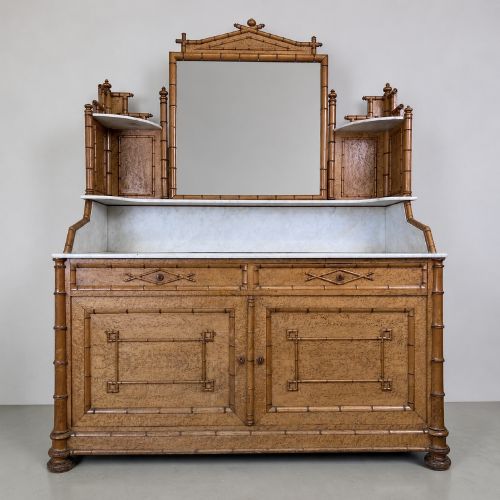
Buyers searching for a french washstand table encounter various wooden frames constructed from walnut, oak, mahogany, pine, cherry wood, and birds-eye maple. Many examples feature integrated stone slabs, glass elements, or brass details to protect the underlying timber from water splashes during washing.
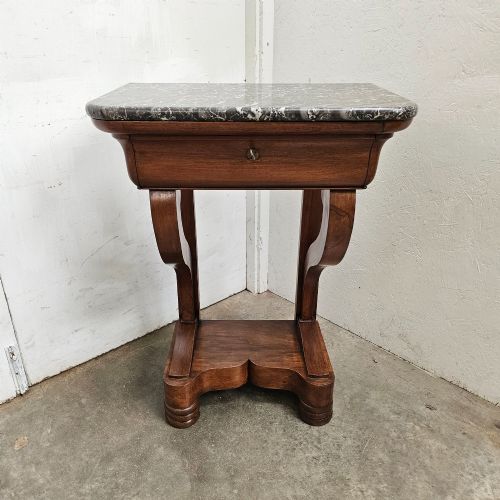
The objects listed range from dedicated washstands and dressing cabinets to marble-topped console tables, side tables, and bedside cabinets. Functional versatility allows these antique pieces to function easily as modern hallway consoles, bathroom vanity supports, or bedroom side tables.
Materials and Construction
Cabinetmakers built the foundational frames of a french washstand table using hardwoods such as walnut, oak, mahogany, and cherry, alongside softer pine and decorative birds-eye maple veneers. These timbers were often hand-carved, turned on lathes for legs, or finished with contrasting part-ebonised details and inlaid rosewood.
Heavy marble tops form the defining functional element of these pieces, providing a durable, waterproof surface designed to withstand daily washing routines. Additional structural components frequently integrate brass fittings, forged iron supports, and inset glass panels to complete the furniture.
French Washstand Table Retail Price Guide 2026
Typical asking prices for french washstand table among the pieces listed under this phrase on Sellingantiques today, from the lower quarter to the upper quarter. They describe what is for sale here now, not the wider market.
Listings feature woods including walnut, oak, mahogany, pine, cherry wood, and birds-eye maple paired with marble, brass, and glass.
Distinctions in Quality
Quality in a french washstand table rests on the selection of primary timbers and the integrity of the integrated marble slab. Dense hardwoods and richly figured veneers indicate superior material choice compared to simpler pine or secondary woods.
The refinement of hand-carved ornamentation, turned leg profiles, and structural joinery separates standard utility items from more decorative workshop outputs. Original hardware, intact brass fittings, and well-preserved surface polishes further elevate the standing of an individual piece.
The French Washstand Table Glossary
- Birds-eye Maple
- A figured timber showing small, circular pattern knots resembling tiny birds' eyes across the grain. This wood was favoured for decorative furniture fronts and lighter cabinetwork.
- Console Table
- A wall-mounted or freestanding table designed to sit flat against a vertical surface. These tables often feature decorative marble tops matching washstand configurations.
- Etagere
- An open piece of furniture featuring multiple tiers or shelves for displaying small objects. Turned legs and lightweight frames characterise these pieces.
- Faux Bamboo
- A decorative carving technique that shapes wood to resemble natural bamboo stalks. This style gained popularity during the nineteenth century across various European cabinet forms.
French Washstand Table: Frequently Asked Questions
What is a french washstand table?
A french washstand table is a nineteenth or early twentieth-century wooden piece featuring a waterproof stone or marble top. These items were built to hold washing equipment in bedrooms before modern indoor plumbing.
Today, buyers repurpose these sturdy tables as hallway consoles, plant stands, or bathroom vanity bases. Their combination of timber frames and stone tops offers practical surface space.
How do I clean the marble?
Marble surfaces require gentle cleaning using soft cloths and pH-neutral soap solutions. Avoid acidic cleaners, vinegar, or harsh abrasives that etch or dull the polished stone.
Wiping up spills promptly protects the porous surface from staining. Periodic sealing helps maintain the finish against moisture.
Can I use it in a bathroom?
These tables adapt well to modern bathrooms when used to support a basin or hold toiletries. The original marble top naturally resists water splashes from daily use.
Ensure proper ventilation in the room to protect the antique wooden frame from excess humidity. Periodic waxing preserves the timber structure.
How do I date these pieces?
Dating relies on identifying construction methods, wood types, and stylistic indicators such as art deco geometric lines or Victorian turned legs. Cabinetmakers marked pieces less frequently, so style and material provide the main clues.
Comparing hardware styles, dovetail joints, and secondary woods helps narrow the decade of manufacture. Consulting the listed period details offers a reliable timeframe.