



French Victorian Couch
These pieces, found under french victorian couch, are upholstered nineteenth century seats designed for formal rooms, combining carved wooden frames with deep padding for comfortable daily lounging.
French Victorian Couch
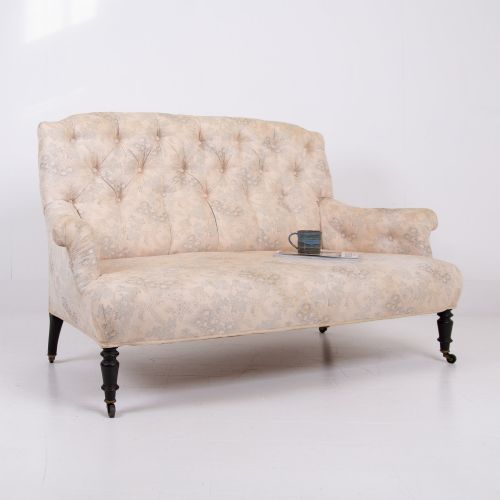
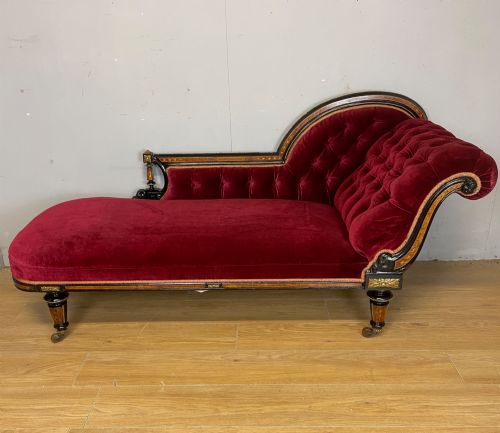
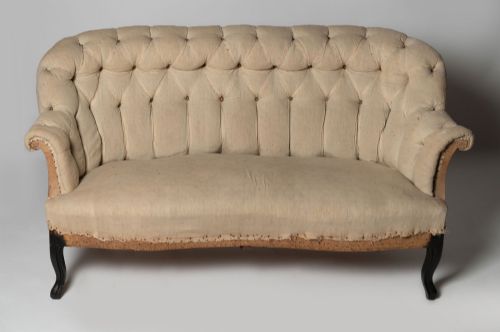
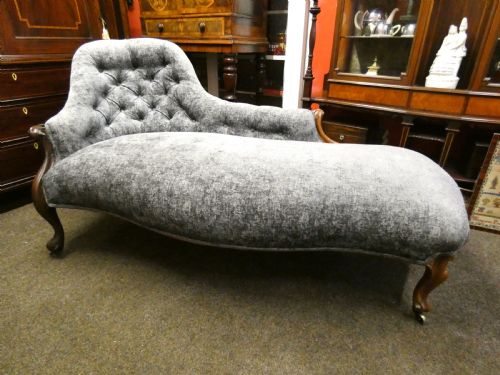
When searching for a french victorian couch, buyers encounter nineteenth century seating that spans several distinct forms including settees, sofas, and chaise longues. These pieces originate across the Victorian period and the Napoleon III era, reflecting Continental design influences.
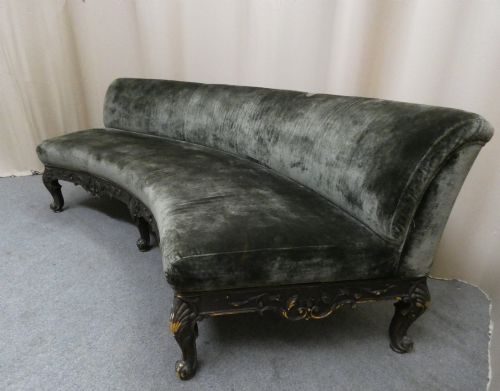
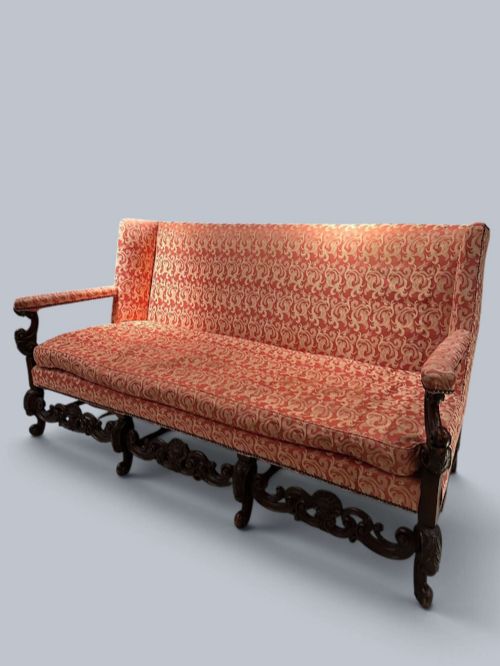
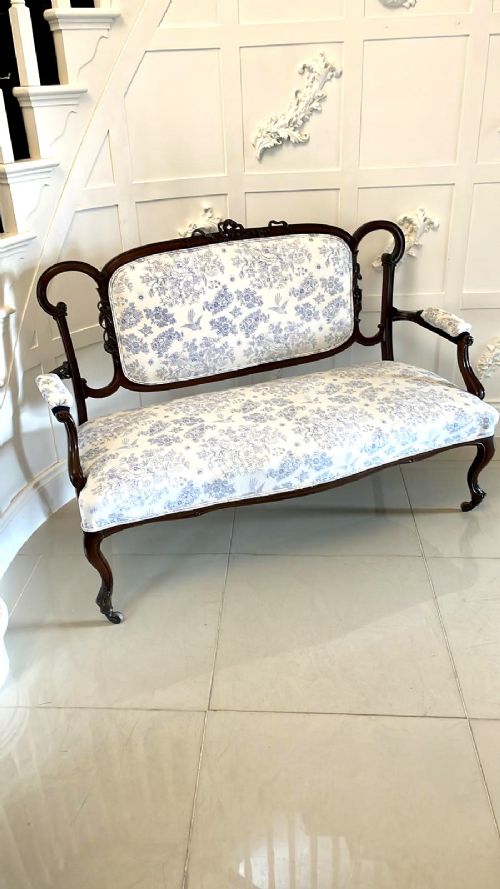
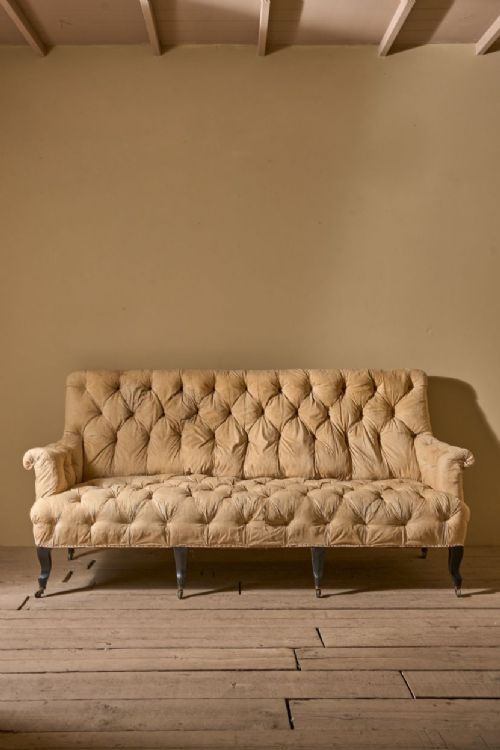
The items listed on this page range from walnut and mahogany framed settees to ebonised chaise longues and buttoned back sofas. Such furniture served as reception salon seating and bedroom couches in period houses.
Most examples combine wooden frames in walnut, mahogany, or giltwood with textile upholstery such as velvet, fabric, or upholstery fabric. Buyers meet two-seater couches, three-seater sofas, and daybeds.
How they were made
Makers shaped the structural framework of these couches from timbers such as walnut, mahogany, rosewood, and ebonised wood, often incorporating carved details and inlaid walnut panels. Metal elements like ormolu decoration and brass details appear alongside wooden joinery.
Upholstery techniques involved textile coverings including velvet, fabric, and upholstery fabric stretched over buttoned backs and seats. Frames frequently utilised giltwood finishes and carved walnut or mahogany, complemented by tassel trims.
French Victorian Couch Retail Price Guide 2026
Typical asking prices for french victorian couch among the pieces listed under this phrase on Sellingantiques today, from the lower quarter to the upper quarter. They describe what is for sale here now, not the wider market.
Listings span the nineteenth century from eighteen fifty to nineteen ten, featuring walnut, mahogany, and velvet.
What varies in quality
The distinction between tiers of these couches rests upon the crispness of the carved wooden decoration on walnut or mahogany frames. Pieces featuring detailed figural carving and substantial giltwood show higher workshop standards.
Upholstery execution also divides the range, particularly the precision of buttoned back work and the selection of textile coverings such as green or pink velvet. Structural integrity in the timber frame determines the longevity of each settee.
The French Victorian Couch Glossary
- Chaise longue
- An upholstered sofa in the form of a chair that is long enough to support the user's legs. These daybeds appear frequently in nineteenth century bedrooms and reception rooms.
- Napoleon III
- A French design style spanning the nineteenth century characterised by eclectic revivalism and rich upholstery. Pieces from this era often feature buttoned backs and seats.
- Ormolu
- Gilt bronze ornamentation applied to furniture mounts and decorative panels. This technique adds metallic highlights to ebonised and wooden frames.
- Canapé
- A decorative settee or sofa with an upholstered seat and back. These French inspired seats often display carved wooden frames.
- Double end settee
- A sofa designed with scrolled or raised ends of equal height at both sides. This symmetrical form allows reclining from either direction.
French Victorian Couch: Frequently Asked Questions
What is a French Victorian couch?
These nineteenth century seats encompass settees, sofas, and chaise longues produced during the Victorian and Napoleon III periods. They combine wooden frames with upholstered textile seats.
Such furniture functioned as reception salon seating, bedroom furniture, and parlor couches in period homes.
How do I identify periods?
Dating relies on timber choices, upholstery styles, and decorative motifs found across the nineteenth century timeline. Walnut and mahogany frames point to mid and late Victorian production.
Napoleon III pieces often display buttoned back upholstery and ebonised woodwork with ormolu decoration or inlaid panels.
Where were they used?
These couches served primarily in formal reception rooms, drawing rooms, and large nineteenth century salons. Their decorative carved frames and velvet upholstery suited entertaining spaces.
Shorter chaise longues and bedroom sofas also found placement in private sleeping quarters and dressing rooms for daytime resting.
What styles are included?
The inventory encompasses Victorian, Napoleon III, Rococo Revival, Louis XV Style, and French Chateau designs. These aesthetics share Continental influences applied to nineteenth century seating forms.
Makers adapted traditional French silhouettes using local timbers like walnut and mahogany alongside giltwood finishes.