




French Vanity Accessories
French vanity accessories bring the refined dressing table arts of the early twentieth century straight into your modern home.
French Vanity Accessories
French vanity accessories comprise dressing table objects designed to hold scents, powders, and personal items, spanning periods from the Belle Epoque through Art Deco and Mid-Century Modern. When searching for french vanity accessories, buyers encounter dressing items fashioned from glass, ceramic, and precious metals.
Perfume bottles, atomisers, powder bowls, trinket boxes, and handled scissors form the primary types of french vanity accessories available. These pieces reflect the dressing habits of past decades, utilising materials like sterling silver, clear glass, and frosted glass.
How they were made
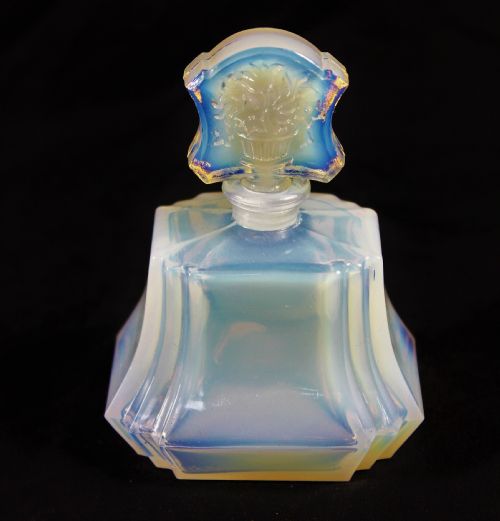
Makers of french vanity accessories utilised glass-moulding techniques, producing opalescent glass, pressed glass, and frosted glass bodies with distinct tactile qualities. These glass elements often feature contrasting black patina to accentuate relief designs.
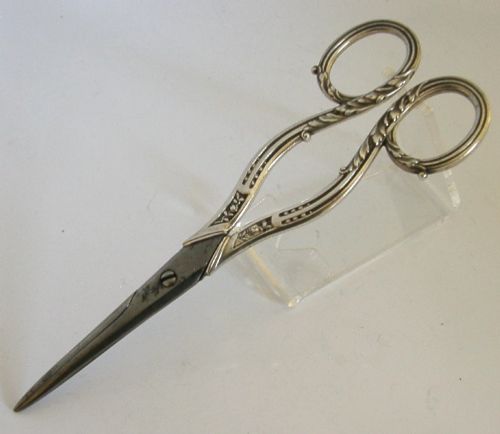
Metal components, particularly sterling silver and steel, were cast and worked by hand to create handles for scissors and secure mounts for boxes and bottles. Ceramic powder bowls were shaped and fired with glazed finishes.
French Vanity Accessories Retail Price Guide 2026
Typical asking prices for french vanity accessories among the pieces listed under this phrase on Sellingantiques today, from the lower quarter to the upper quarter. They describe what is for sale here now, not the wider market.
A pair of sharp steel scissors finished with heavy sterling silver handles proves that even cutting threads required a touch of elegance.
What varies in quality
The distinction between standard production items and exceptional french vanity accessories rests upon the crispness of the moulded relief and the depth of the opalescence within the glass. Pieces bearing specific maker signatures demonstrate superior execution in design and finishing.
Material selection dictates overall grade, where heavy gauge sterling silver and complex glass patination elevate certain french vanity accessories above simpler pressed glass or ceramic alternatives.
Rene Lalique·Hermes·Sabino·Limoges
The French Vanity Accessories Glossary
- Opalescent glass
- A type of glass that displays milky, bluish, or amber highlights when lit from different angles. This effect is frequently observed in Art Deco scent bottles.
- Perfume atomiser
- A fitted bottle mechanism designed to spray liquid fragrance in a fine mist. These often incorporate metal spray hardware.
- Black patina
- A dark surface treatment applied to highlight recessed details and carved motifs on glassware or metalwork. It creates strong visual contrast.
- Powder bowl
- A decorative vessel with a matching lid intended to hold loose cosmetic powder on a dressing table. They are commonly fashioned from ceramic or glass.
French Vanity Accessories: Frequently Asked Questions
What are french vanity accessories?
French vanity accessories are decorative and functional dressing table items originating from France across the early to mid-twentieth century.
They include scent bottles, powder bowls, boxes, and grooming tools designed for daily use on a dressing table.
How do I identify Art Deco pieces?
Art Deco pieces typically display geometric patterns, stylised floral motifs, and clean architectural lines characteristic of the 1920s and 1930s.
Materials such as opalescent glass and polished sterling silver frequently define this aesthetic.
How were these perfume bottles used?
These perfume bottles and atomisers held liquid scents and were kept on dressing tables for daily personal grooming and fragrance application.
Atomiser mechanisms allowed the fragrance to be sprayed directly onto the skin or clothing.
How do I clean opalescent glass?
Opalescent glass requires gentle cleaning with lukewarm water and a mild detergent to preserve the delicate surface finish and patina.
Harsh chemical cleaners and abrasive cloths must be avoided to prevent scratching the glass.