




French Two Drawer Chest
A french two drawer chest offers compact elegance, combining practical storage with the refined proportions of continental cabinetmaking.
French Two Drawer Chest
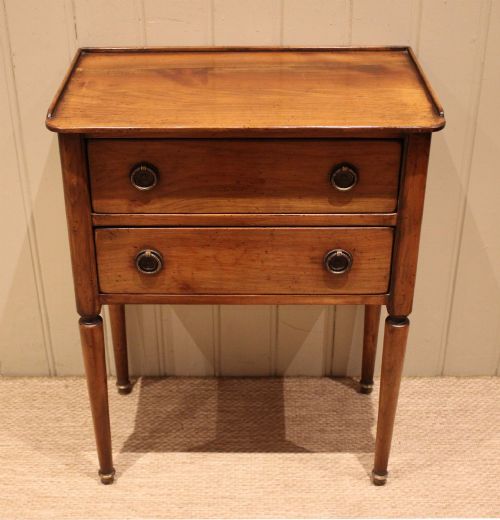
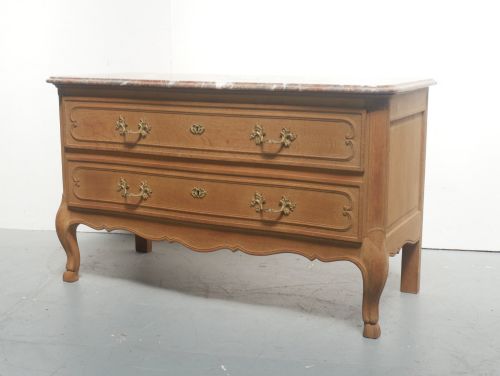
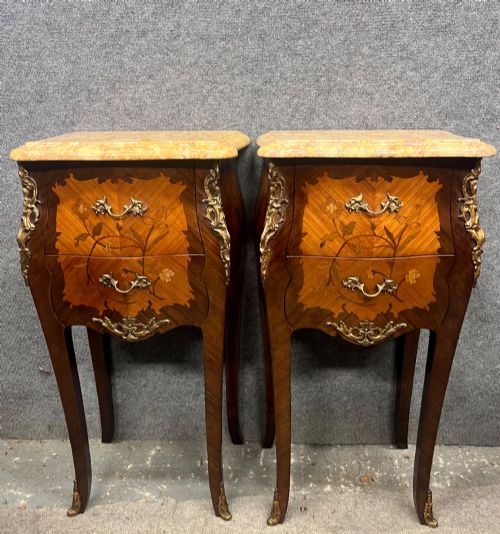
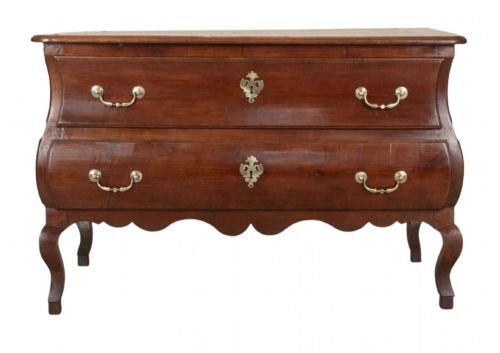
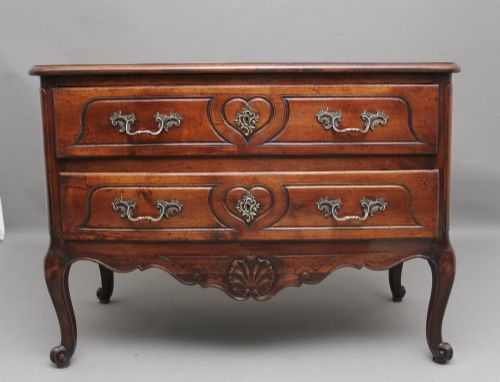
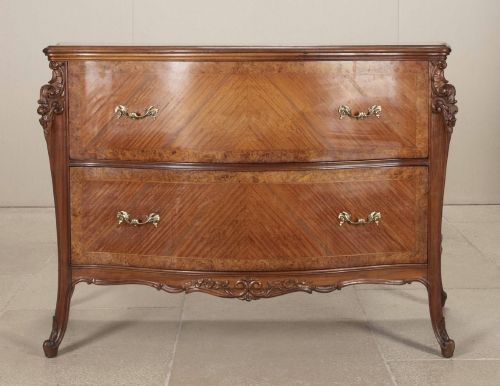
A french two drawer chest, frequently designated as a commode or bedside table, provides low, horizontal storage suited to domestic interiors. These pieces emerge in various iterations across the eighteenth, nineteenth, and early twentieth centuries, reflecting changing continental tastes.
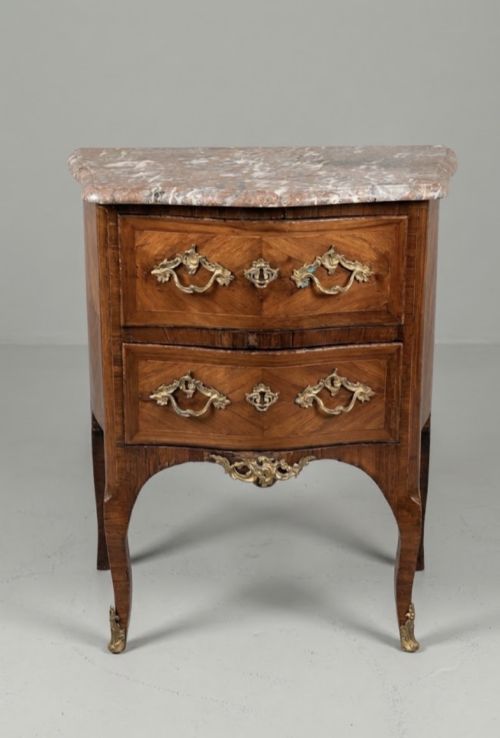
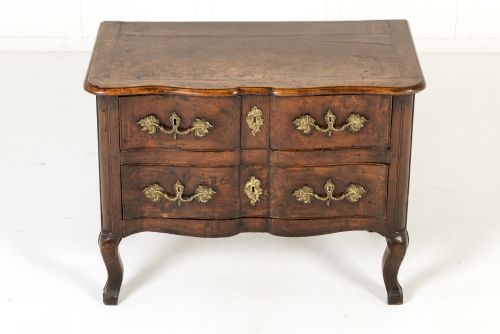
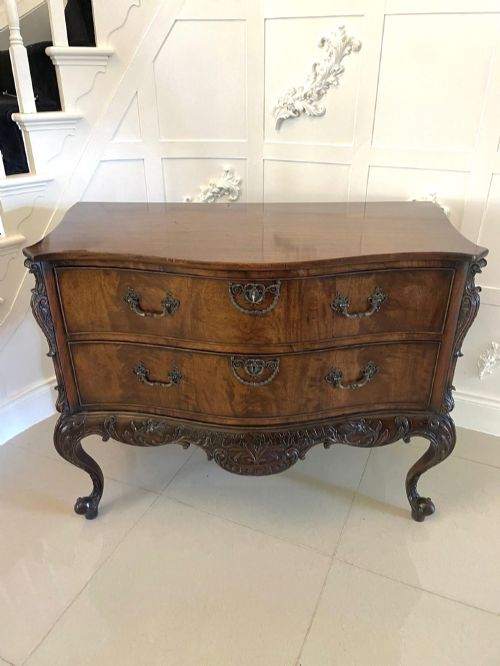
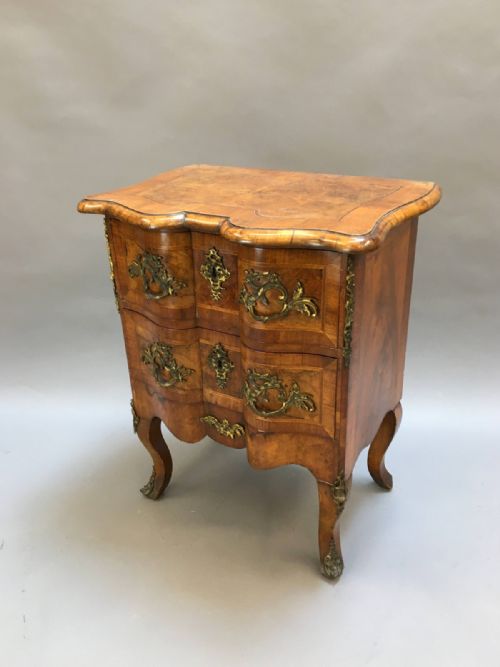
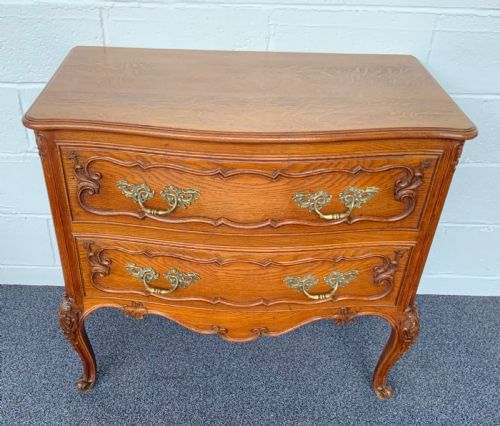
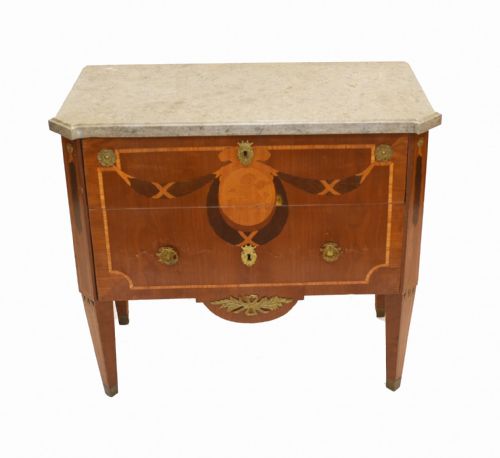
The selection ranges from robust provincial fruitwood models to more ornamental Louis XV style and neoclassical creations. Walnut, cherrywood, oak, and painted finishes appear regularly alongside marble tops and serpentine fronts.
Materials and construction methods
Cabinetmakers utilised solid timbers such as walnut, cherrywood, and oak for structural integrity, often applying burr walnut or marquetry veneers for decorative effect. Marble slabs, including breccia varieties, were fitted to the upper surfaces of finer commodes to provide durable, polished tops.
Brass mounts, ormolu accents, and cast handles furnish the hardware details across these pieces. Construction techniques combine traditional joinery with shaped drawer fronts, serpentine profiles, and bombe contours.
French Two Drawer Chest Retail Price Guide 2026
Typical asking prices for french two drawer chest among the pieces listed under this phrase on Sellingantiques today, from the lower quarter to the upper quarter. They describe what is for sale here now, not the wider market.
The inventory spans eighteenth-century provincial pieces to early twentieth-century revival styles.
Distinctions in execution and finish
The refinement of the carving and the fluidity of serpentine or bombe outlines dictate the visual success of the piece. Crisp lines in the timber joinery and the integration of original marble tops separate superior examples from standard workshop production.
Attention to secondary details, such as the quality of brass handles, ormolu mounts, and interior drawer construction, marks the distinction between ordinary utility items and high-status furnishings.
The French Two Drawer Chest Glossary
- Serpentine
- A curved line or edge that undulates inward and outward in a smooth, continuous wave. This contour appears frequently on the fronts and tops of eighteenth-century commodes.
- Ormolu
- Gilded bronze or brass applied as decorative mounts on furniture. It adds metallic highlights to the corners, apron, and handles of case pieces.
- Marquetry
- The art of applying small pieces of veneer to a structure to form decorative patterns or pictures. Craftsmen used contrasting timber species to achieve tonal variation.
- Bombe
- A swelling, bulging contour found on the sides and fronts of furniture, characteristic of continental baroque and rococo designs. It requires advanced shaping techniques from the cabinetmaker.
French Two Drawer Chest: Frequently Asked Questions
What is a commode?
A commode is a low chest of drawers, often associated with French cabinetmaking of the eighteenth and nineteenth centuries. The term describes a decorative storage piece rather than a specialised plumbing item.
These chests function well in bedrooms as bedside tables or in living spaces as lamp tables, offering surface display area alongside enclosed drawer storage.
Where should I place a two drawer chest?
A compact two drawer chest fits easily into hallways, living rooms, and bedrooms where floor space is limited. Their low height allows them to sit comfortably beneath mirrors or art works.
They serve effectively as bedside tables or occasional lamp tables, providing accessible surface space and drawer storage without dominating the room.
How do I care for a marble top?
Marble tops require gentle cleaning with a damp cloth and mild, non-acidic soap to preserve the polished surface. Avoid abrasive cleaners or acidic liquids like citrus juice that can etch the stone.
Using coasters and mats protects the natural stone from moisture rings and scratches, ensuring the surface remains in sound condition over time.
How do I distinguish Louis styles?
Louis XV pieces feature asymmetrical curves, cabriole legs, and naturalistic rococo carving. Louis XVI style shifts toward neoclassical symmetry, straight tapered legs, and geometric restraint.
Examining the hardware, leg shape, and overall silhouette helps determine whether a piece leans toward the flowing lines of the mid-eighteenth century or the stricter geometry of the later period.