


French Style Glass Cabinet
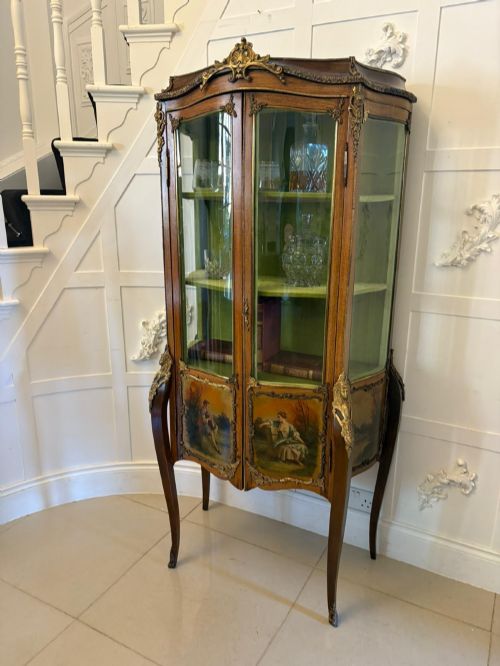
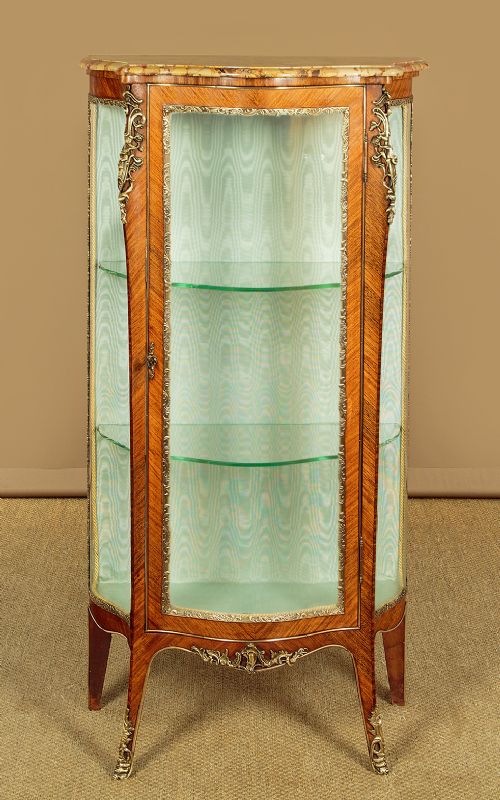
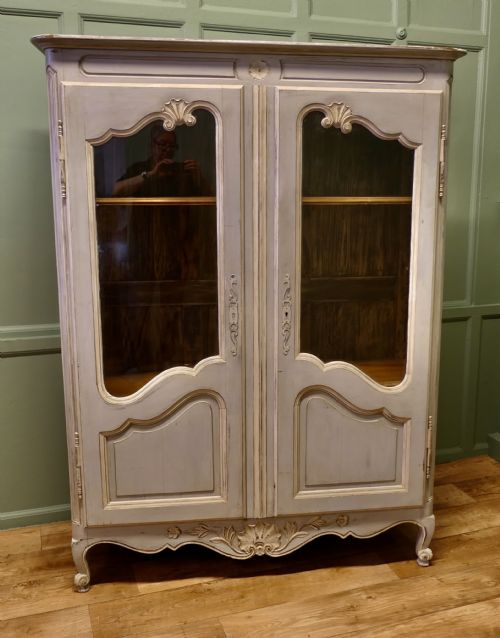
A french style glass cabinet brings continental elegance to an interior, designed specifically to display cherished porcelain and collectibles behind clear panes.
French Style Glass Cabinet
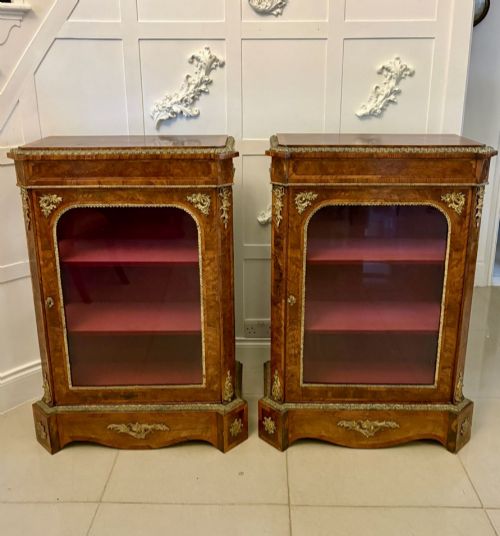
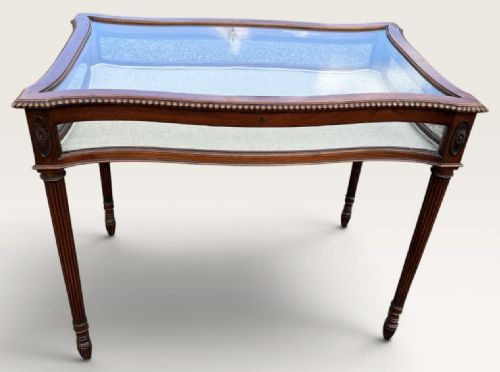
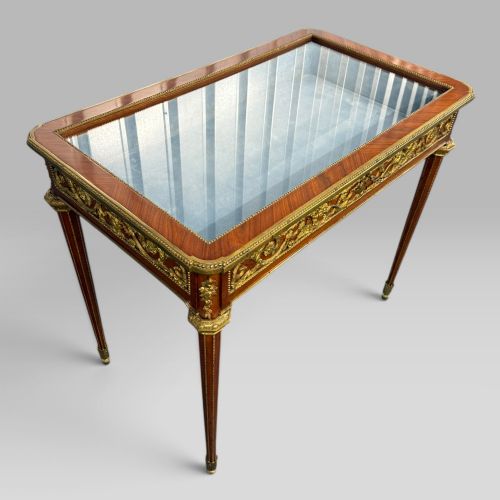
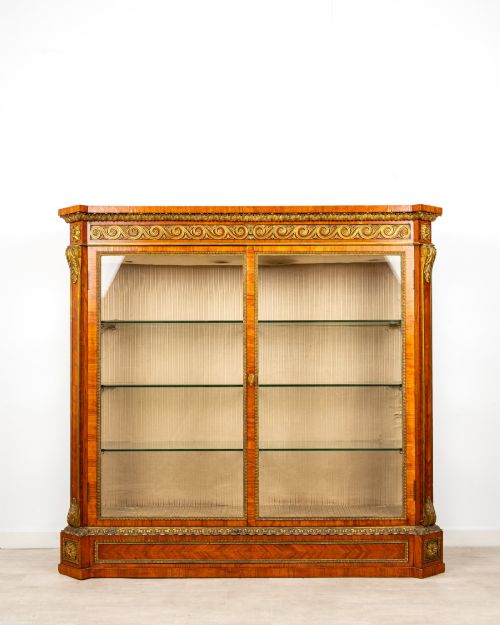
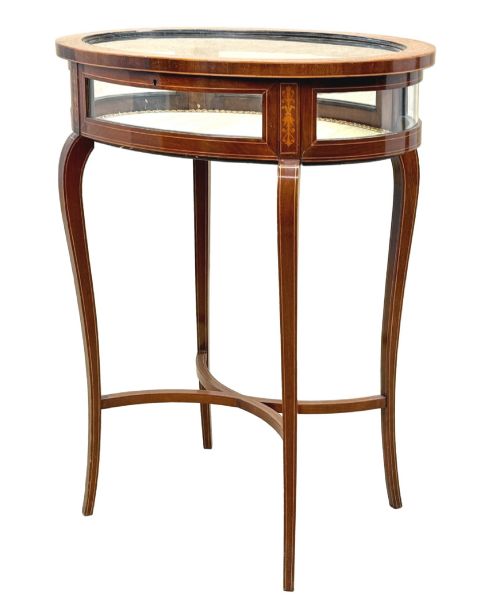
A french style glass cabinet typically takes the form of a vitrine, display cabinet, or bijouterie table designed to exhibit decorative objects.
Buyers meet pieces spanning the nineteenth century through the Edwardian period, often finished in revivalist aesthetics like Louis XV or Louis XVI style.
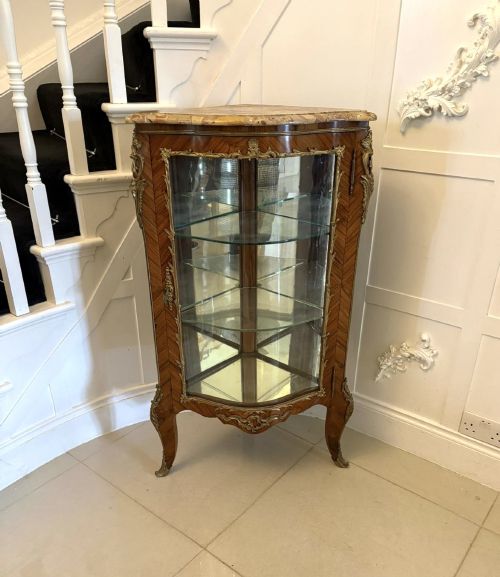
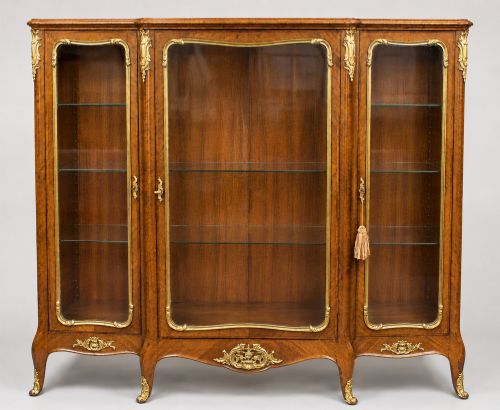
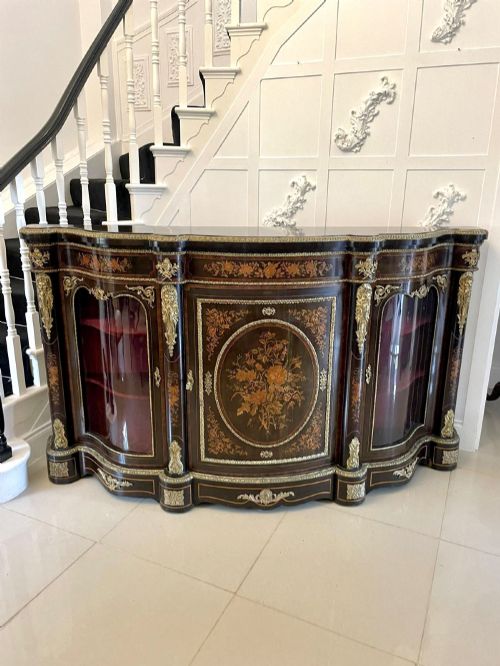
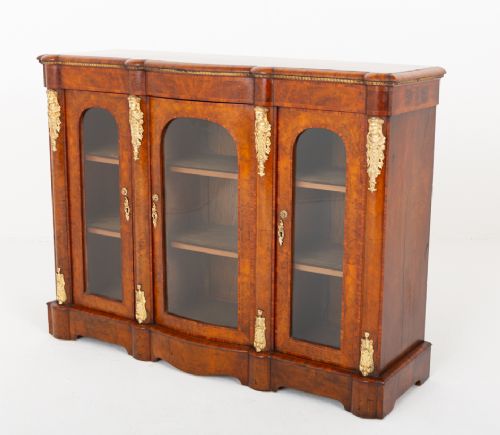
Formats range from serpentine corner cabinets and wall displays to freestanding credenzas and music cabinets fitted with glass doors.
Materials and construction
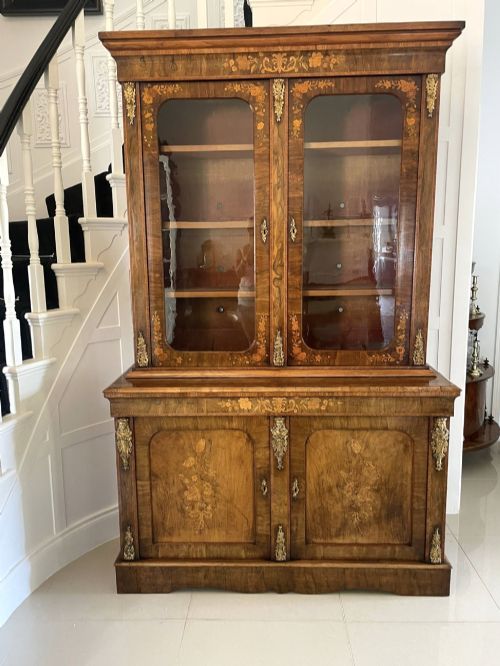
Cabinet makers utilised choice timbers including kingwood, burr walnut, and mahogany, frequently enhanced by decorative marquetry and parquetry patterns.
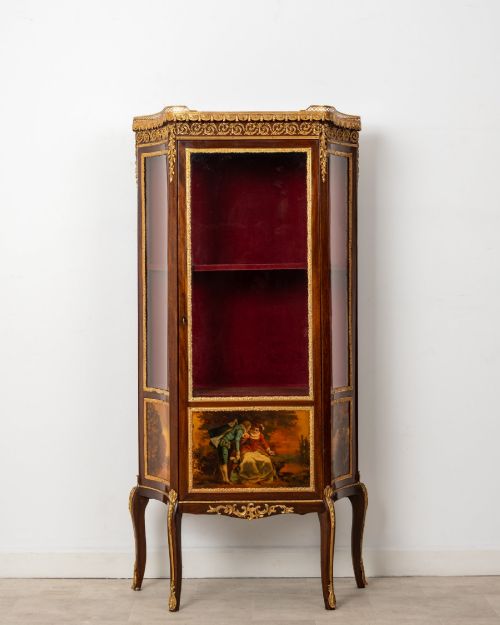
Structural finesse relied upon cast ormolu and gilt-bronze mounts, whilst many surfaces were topped with shaped marble slabs.
Painted decorative panels executed in the Vernis Martin technique appear alongside traditional glass panes to complete the composition.
Certain music cabinets hid sheet scores behind glass while decorative marquetry played silent tunes to the eye.
Judging execution and finish
Quality rests in the crispness of the ormolu mounts and the precision of the marquetry inlay rather than mere surface decoration.
Superior cabinets display fluid serpentine lines and perfectly fitted marble tops that integrate harmoniously with the timber framework.
François Linke·Gabriel Viardot·H. J. Hatfield & Sons·Maison Gagneau
The French Style Glass Cabinet Glossary
- Vitrine
- A glass-fronted cabinet designed for displaying fine china or curiosities. These pieces often feature glazed side panels to maximise illumination of the contents.
- Ormolu
- Gilt-bronze decorative mounts applied to furniture. This technique adds metallic warmth and sculptural relief to timber surfaces.
- Vernis Martin
- A simulated Japanese lacquer developed in France during the eighteenth century. Artisans applied multiple coats of varnish to achieve a translucent, luminous painted finish.
- Marquetry
- Decorative veneer work arranged in pictorial or geometric patterns. Craftsmen cut thin slices of contrasting wood to create intricate surface designs.
- Bijouterie table
- A glass-topped display table intended for smaller treasures and jewellery. The glazed compartment sits at a convenient height for viewing items from above.
French Style Glass Cabinet: Frequently Asked Questions
What is a French style glass cabinet used for?
These cabinets served primarily to display porcelain, silver, and decorative objects safely behind glass while protecting them from dust.
Today, collectors utilise them in drawing rooms or dining spaces for the exact same purpose of curation and visual interest.
How do I identify Louis XV style?
Louis XV pieces rely on asymmetrical curves, naturalistic floral motifs, and flowing serpentine outlines without rigid geometric restraint.
Makers working in this revival manner embraced organic shapes and ornate ormolu mounts to soften the cabinet silhouette.
Where should I place a vitrine?
A vitrine requires a stable spot away from direct sunlight to protect both the timber veneer and any displayed contents.
Placing the cabinet near ambient interior lighting helps illuminate the glass panels and highlights the internal contents effectively.
What distinguishes a credenza from a vitrine?
A credenza typically incorporates cupboards and central display sections at a lower, sideboard height rather than full-length glass doors.
Cabinets designated as vitrines focus almost entirely on elevated glass viewing areas for decorative display.