
French Style Furniture
French style furniture brings continental grandeur into a room through serpentine forms, rich veneers and gilt mounts.
French Style Furniture
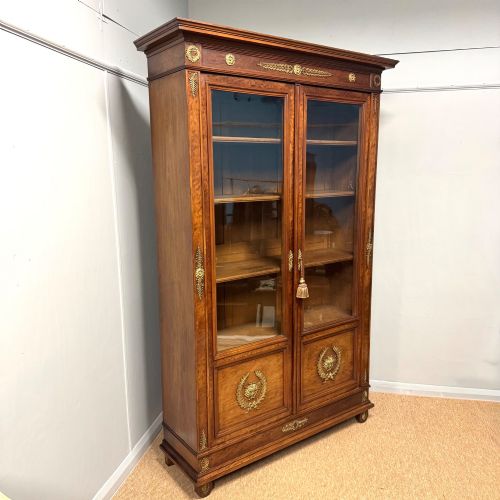
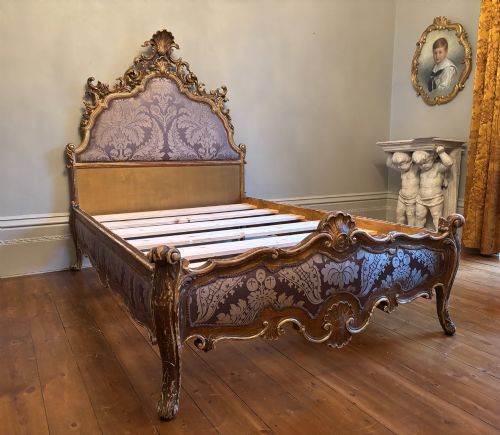
When you search for french style furniture, you encounter pieces that echo the historic court aesthetics of the continent, spanning seating, storage and display. The selection leans heavily on 19th-century interpretations, including Louis XV and Louis XVI revivals alongside Empire and Provincial designs.
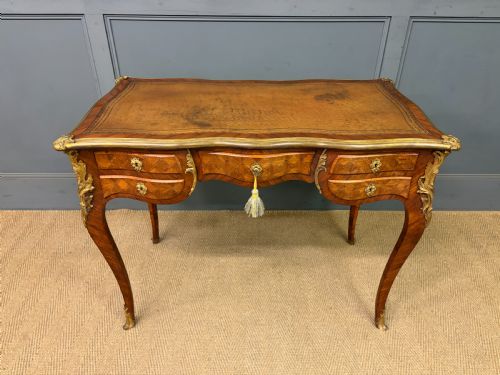
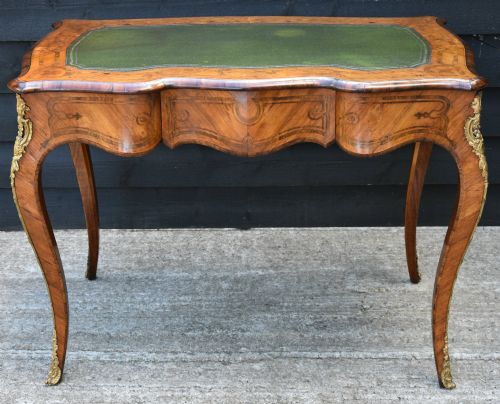
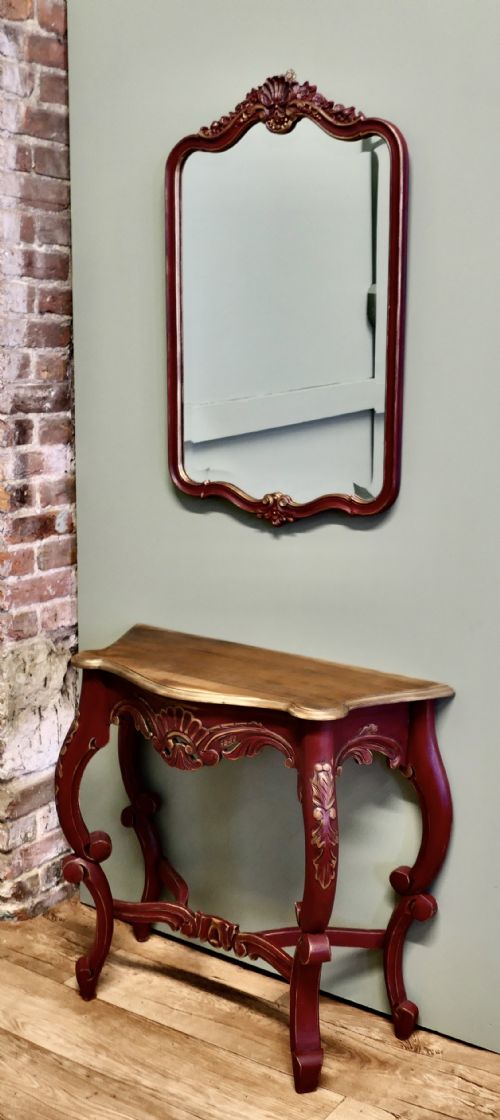
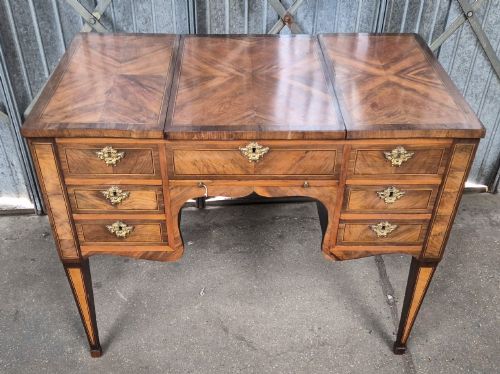
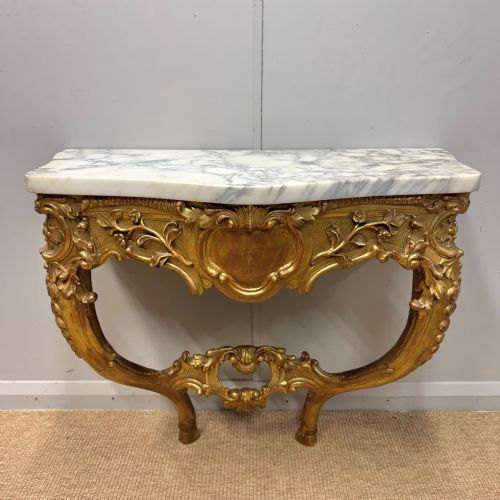
Common forms on this page include marble-topped commodes, kingwood writing desks, gilt consoles and salon suites. These items reflect the enduring British and European appetite for continental cabinet-making traditions from the Victorian era into the early twentieth century.
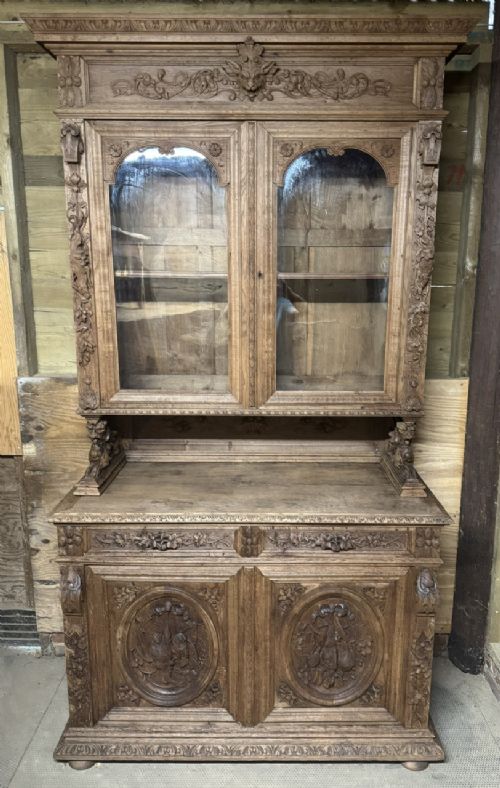
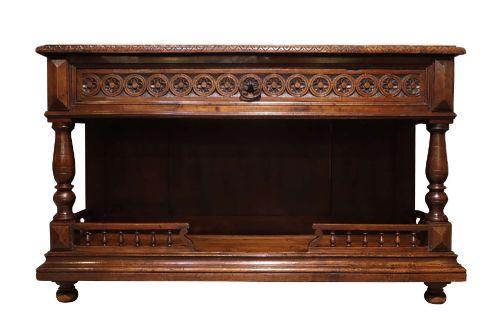
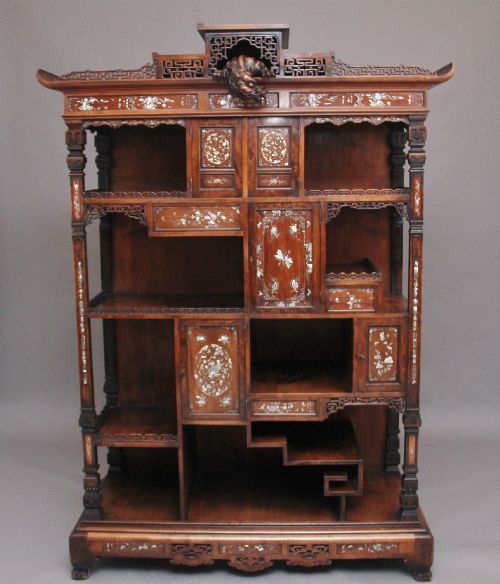
The objects range from heavily carved oak hunting cabinets to delicate marquetry étagères and freestanding centre tables. Each piece serves both a decorative and a utilitarian function within domestic interiors.
Materials and construction methods
Cabinet-makers relied on dense timbers like kingwood, walnut, mahogany and rosewood, often laid as intricate parquetry or marquetry veneers over firmer foundational woods. Oak and beech also served structurally, particularly in carved cabinets and seating frames.
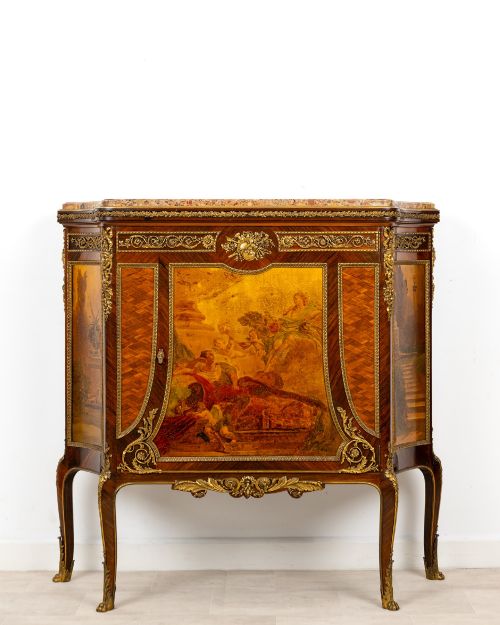
Surface ornamentation relied on cast ormolu mounts, brass details and hand-painted Vernis Martin panels. Marble tops, frequently in rouge or white varieties, provided durable and decorative surfaces for commodes and console tables.
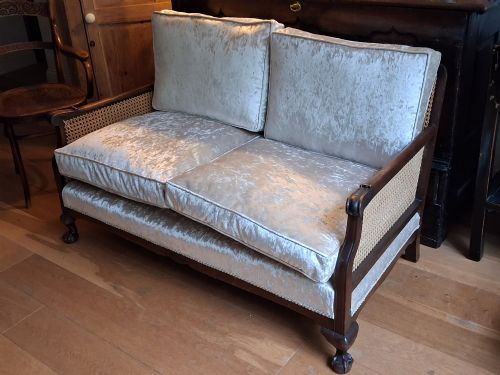
Joinery involved traditional techniques suited to serpentine and kidney shapes, combined with cane work for seating and specialised mechanisms for writing desks and occasional tables.
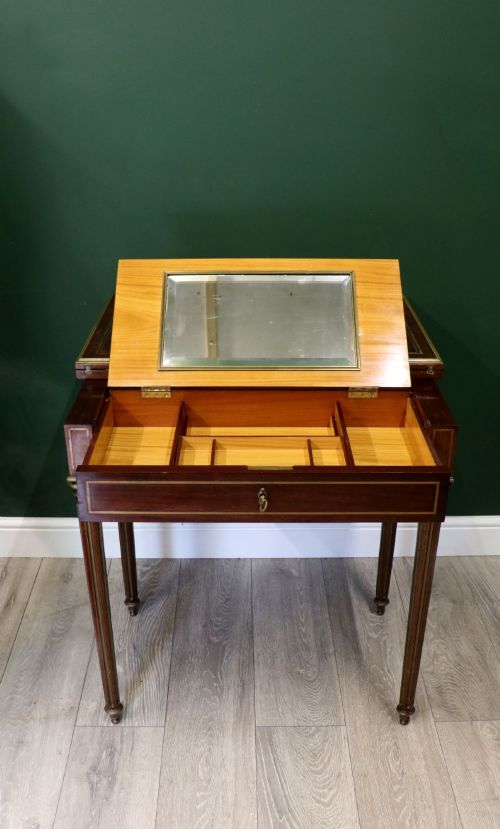
Some nineteenth-century tables hide clever mechanisms beneath their kingwood veneers, transforming simple occasional surfaces into writing desks.
Distinctions in quality
Quality rests in the crispness of the bronze or ormolu mounts and the precision of the marquetry inlay across curved surfaces. Finer pieces demonstrate seamless veneer work on serpentine fronts and sophisticated internal mechanisms.
The depth and hand-carving of the woodwork define the upper tier of cabinets and seating, where every flourish remains sharp and defined. Lesser examples rely on stamped ornamentation and simpler carcase construction.
Gillows·Francois Linke·Gabriel Viardot·JAS Shoolbred·Jacob-Desmalter
The French Style Furniture Glossary
- Ormolu
- Gilded bronze used for decorative mounts and accents on furniture. It adds a metallic lustre to the angles and feet of cabinets and desks.
- Marquetry
- Decorative patterns formed by fitting together small pieces of veneered wood. Craftsmen use various timber colours to create floral or geometric pictures.
- Commode
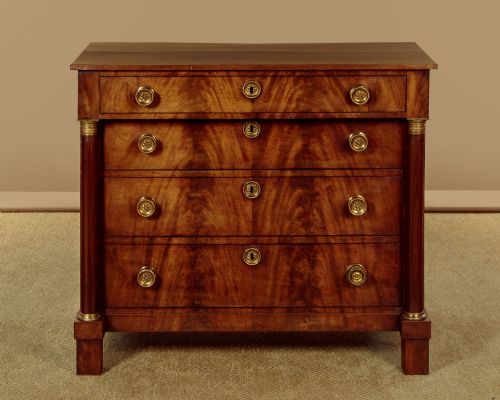
- A low chest of drawers, often featuring a marble top and serpentine front. This form originated in France during the seventeenth century.
- Étagère
- An open piece of furniture with multiple shelves for displaying small objects. These tiered stands often feature fine inlay work.
- Bergère
- An enclosed upholstered armchair with wooden framing visible around the sides and back. It usually includes a loose seat cushion for comfort.
- Vernis Martin
- A type of simulated Japanese lacquer developed in France. Artisans applied multiple translucent coats to achieve a glossy, decorated finish.
French Style Furniture: Frequently Asked Questions
How do I identify a Louis XV revival piece?
Look for characteristic asymmetry, sweeping cabriole legs and pronounced serpentine curves on the front and sides of the carcase.
These pieces typically avoid straight lines in favour of organic, flowing floral marquetry and restrained ormolu mounts.
Are marble tops original to these cabinets?
Many commodes and console tables retain their original fitted marble slabs, which were chosen to contrast with the dark wood veneers.
Inspect the edges and undersides to ensure the stone fits the rebate of the wooden frame correctly.
Where should I place a freestanding centre table?
These tables are finished on all sides to allow placement in the middle of a room rather than against a wall.
They work well in larger living spaces where their marquetry tops and ormolu mounts remain visible from every angle.
How do I care for giltwood and ormolu?
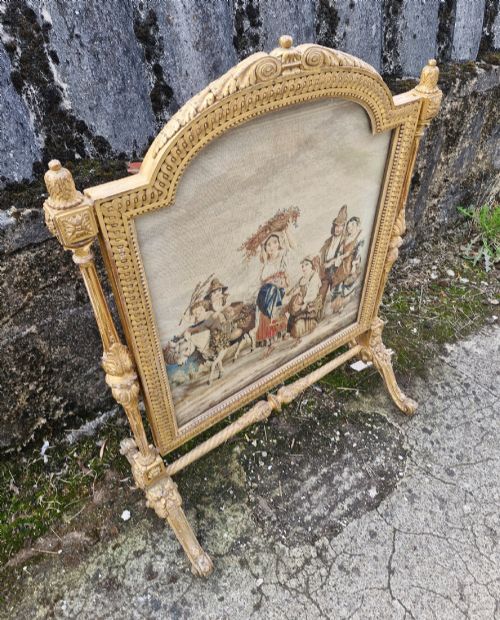
Dust these metallic and gilded surfaces gently with a soft, dry brush to prevent the accumulation of dirt within the carved details.
Avoid liquid cleaners and polishes, which can strip the delicate gold leaf and damage the underlying bronze or wood.