






French Storage Unit
A french storage unit brings practical utility and provincial character into a room, offering robust housing for books, files, and household goods.
French Storage Unit
A french storage unit encompasses everything from tall bookcases and alcove cupboards to industrial filing cabinets and drapers drawers. These utilitarian and domestic pieces span the eighteenth, nineteenth, and early twentieth centuries, reflecting the varied needs of French homes and offices over several hundred years.
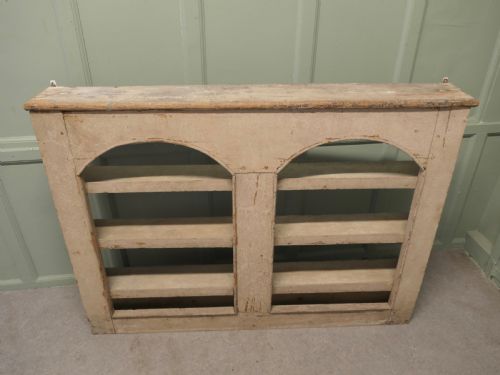
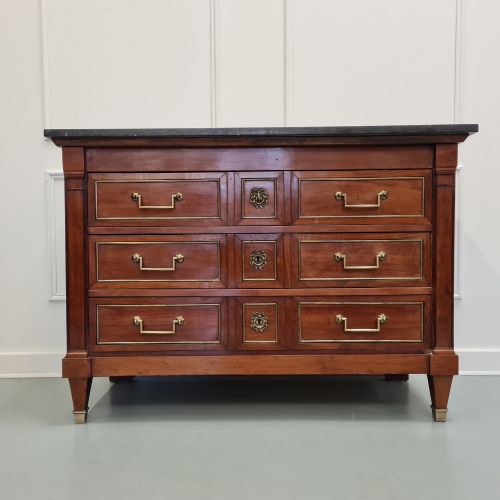
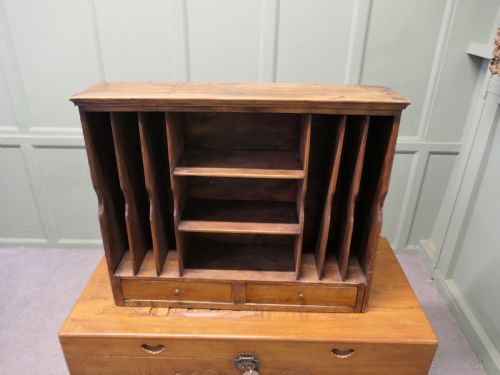
Buyers will encounter rustic provincial cupboards alongside refined mahogany commodes and tambour front office furniture. The selection ranges from painted pine shelving to walnut buffets and wrought iron engineers cabinets, showing both rural craftsmanship and urban commercial design.
Materials and Construction
Solid timbers form the backbone of these pieces, with oak, pine, mahogany, walnut, and cherry utilised according to regional availability and intended function. Cabinetmakers employed traditional joinery to build durable carcases, often incorporating tambour fronts, panelled doors, and multiple small drawers for specialised storage.
Metal and iron elements appear frequently in industrial and utility pieces, seen in bakers racks, post office filing shelves, and field kitchen dressers. Painted wood and distressed metal finishes display remnants of original colour, while brass hardware provides functional closure on doors and drawers.
French Storage Unit Retail Price Guide 2026
Typical asking prices for french storage unit among the pieces listed under this phrase on Sellingantiques today, from the lower quarter to the upper quarter. They describe what is for sale here now, not the wider market.
An old ironmonger unit still whispers tales of tiny screws and forgotten brass hinges.
Evaluating Quality
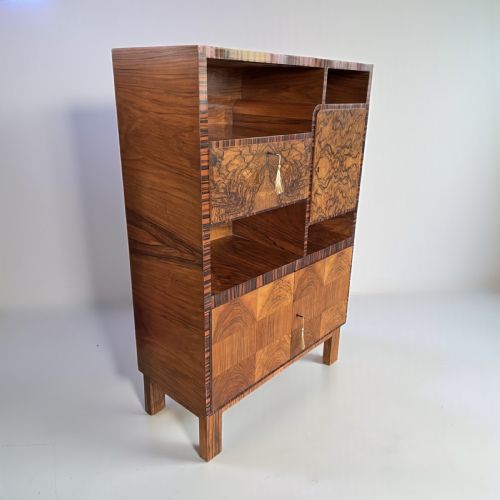
The distinction between standard utility items and superior pieces rests on the choice of timber and the sophistication of the joinery. Fine examples display carefully selected grain patterns in mahogany, walnut, or palisander, sometimes paired with marble tops or intricate carving.
Structural integrity and the preservation of original surfaces dictate desirability. Pieces retaining their original paint remnants, working tambour mechanisms, or authentic brass fittings hold greater integrity than those altered over time.
The French Storage Unit Glossary
- Tambour
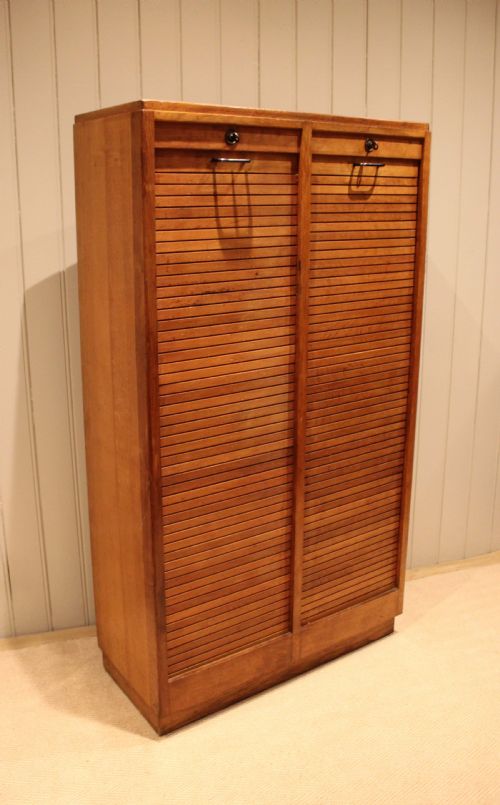
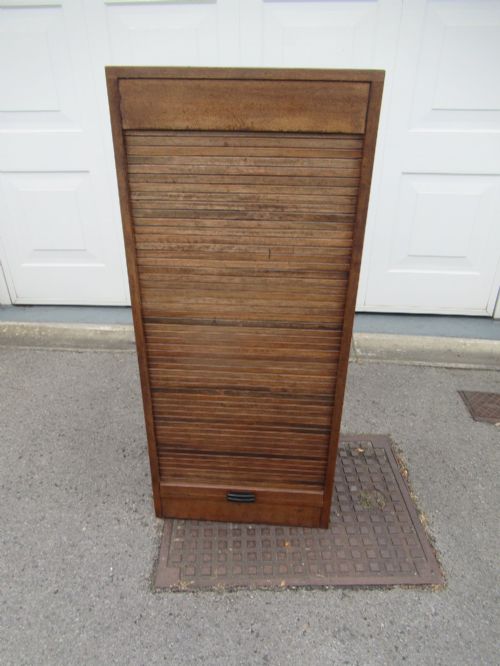
- A flexible shutter door formed of narrow wooden slats glued to a canvas backing, commonly found on office filing cabinets to save space.
- Commode
- A low chest of drawers or cabinet originating in France, typically possessing a formal profile and decorative hardware.
- Cartonnier
- A specialised piece of furniture fitted with multiple compartments or drawers designed specifically for holding papers, documents, or cartons.
- Armoire
- A large wardrobe or cupboard featuring one or two doors, used historically for storing garments and household textiles.
- Buffet vaissellier
- A traditional French dining room storage combination consisting of a lower sideboard base paired with upper open display shelving.
French Storage Unit: Frequently Asked Questions
How do I choose the right storage unit?
Consider the scale of the room and the specific items you intend to house, whether books, paperwork, or tableware. Taller bookcases and cupboards maximise vertical space, while banks of drawers and filing units suit smaller objects.
Match the material and style to your interior, selecting painted pine for a relaxed look or polished mahogany and walnut for a formal setting.
Where were these cabinets used originally?
These units served diverse purposes across French domestic, commercial, and institutional environments. Housekeepers cupboards and buffets belonged in rural kitchens and dining rooms, while tambour cabinets and drapers drawers functioned in offices and shops.
Industrial pieces originated in factories, post offices, and field kitchens, designed purely for practical organisation.
How do I care for antique wood furniture?
Keep wooden storage units away from direct heat sources and strong sunlight to prevent the timber from warping or splitting. Dust regularly with a dry cloth and apply a quality wax polish occasionally to nourish the surface.
Take care with leather inserts on desks or cartonnier cabinets by avoiding excess moisture and harsh cleaning chemicals.
How can I tell the period of a piece?
Examine the construction methods, tool marks, and materials to estimate the age of a cabinet. Eighteenth-century pieces often feature hand-planed timbers and provincial joinery, while nineteenth-century items may show Empire influence or industrial utility design.
Twentieth-century pieces frequently introduce mechanical elements like tambour shutters and metal framing.