




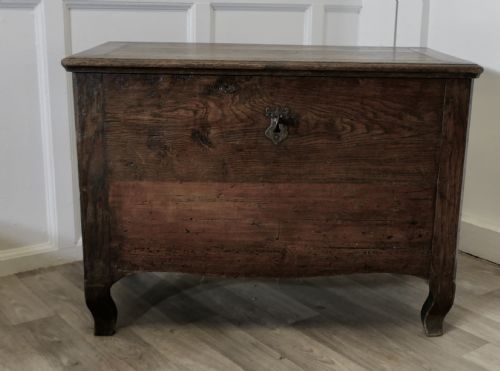


French Provincial Box
These french provincial box examples bring regional utility into modern rooms, offering heavy timbers and honest joinery that suit daily life.
French Provincial Box
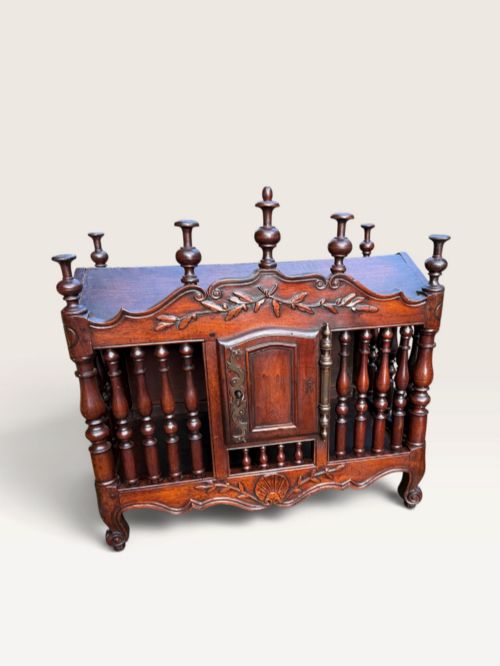
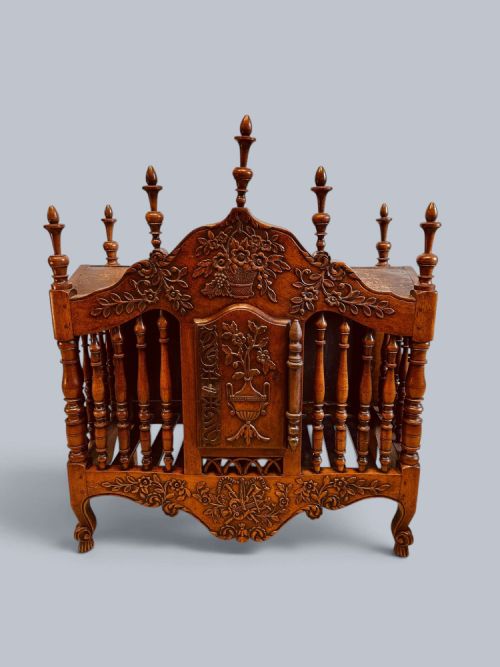
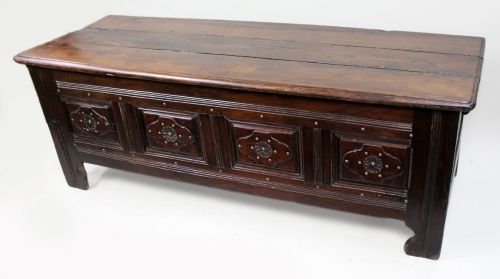
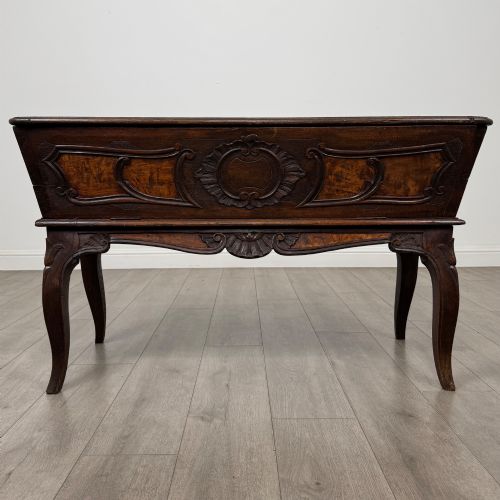
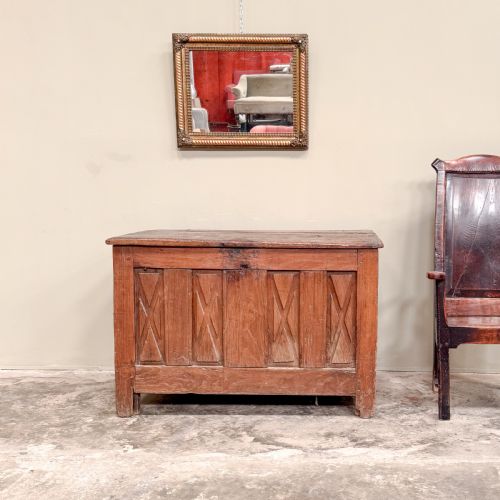
When buyers search for a french provincial box, they encounter functional storage forms originating from regional houses, including dough bins, coffers, blanket chests, and bread cages. These pieces served practical domestic purposes in rural homes, holding grain, bread, or textiles.
The selections on this page span the seventeenth, eighteenth, and nineteenth centuries, alongside Victorian and later periods. Oak, walnut, and fruitwood dominate the construction, reflecting the timber available to regional makers.
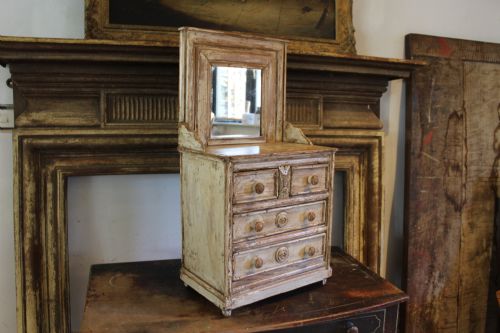
Coffers and dough bins form the core of what is available here, alongside miniature chests and faience boxes and covers. Each object carries the marks of utilitarian domestic service rather than courtly polish.
How they were made
Makers utilised solid timbers such as oak, walnut, cherrywood, and pine, often joined with pegged mortise and tenon construction. Iron and wrought iron provide structural hinges, handles, and straps, while brass appears on select later hardware.
Surface treatments include carved details, turned finials, and painted finishes or regional faience glazes. Surfaces display the tool marks of hand-planing and adzing rather than industrial milling.
French Provincial Box Retail Price Guide 2026
Typical asking prices for french provincial box among the pieces listed under this phrase on Sellingantiques today, from the lower quarter to the upper quarter. They describe what is for sale here now, not the wider market.
Object forms on this page include dough bins, panetieres, coffers, blanket boxes, miniature chests, and faience boxes.
What varies in quality
Quality rests in the choice of timber and the proportion of the form. Denser woods like walnut and older oak show crisper carved detail and better weight in the lid or door.
The integrity of the original joints and hinges separates standard utility pieces from finer regional examples. Integration of carved panels and turned finials indicates higher ambition from the maker.
The French Provincial Box Glossary
- Coffer
- A heavy wooden chest with a hinged lid, used originally for storage of valuables and textiles. These objects rely on sturdy boarded construction.
- Dough bin
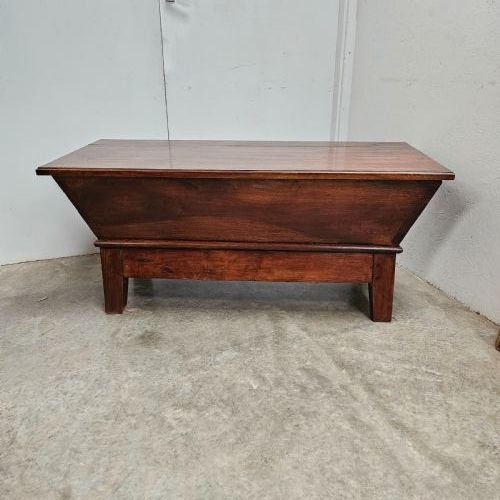
- A trough-like container used for proving bread dough, often raised on legs or enclosed as a cupboard. These items show the practical needs of rural domestic life.
- Panetiere
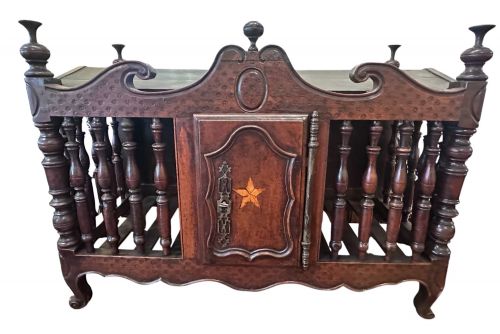
- A ventilated wall-mounted cupboard or cage designed to store bread loaves safely away from pests. They frequently display turned spindles and carved crests.
- Faience
- Tin-glazed earthenware produced in regional pottery centres such as Desvres or Rouen. This ceramic technique provides a white surface for painted decoration.
- Fruitwood
- Timber sourced from fruit-bearing trees such as cherry or pear, valued for a tight grain and warm tone. Furniture makers used these woods for smaller regional commissions.
French Provincial Box: Frequently Asked Questions
What is a french provincial box?
A french provincial box refers to traditional storage containers and functional wooden vessels made in regional France. These range from heavy oak coffers to walnut dough bins and small bread cages.
They reflect the domestic routines of rural households rather than urban workshops. The category encompasses various lidded and cabinet forms built for daily utility.
How were dough bins used?
Dough bins served as the central station for mixing and proving bread dough in rural homes. The wooden trough held the flour and yeast mixture during fermentation.
Many examples feature cupboards beneath the trough to store baking implements or flour sacks. Their solid timber construction maintained a stable internal temperature for the dough.
Where were panetieres placed?
Panetieres hung on kitchen walls or stood on side tables to keep daily bread loaves away from mice and damp floors. The slatted or turned spindles allowed air circulation around the bread.
These bread cages often featured carved crests and small doors for easy access. They combined practical kitchen storage with decorative regional carving.
How do I date oak coffers?
Dating oak coffers involves examining the construction of the panels, the type of hinges, and the style of carving. Early pieces from the seventeenth century often show simpler, heavier framing with pegged joinery.
Later nineteenth-century versions might incorporate softer mouldings and machine-sawn backing boards. Tool marks and timber shrinkage provide further clues to age.