

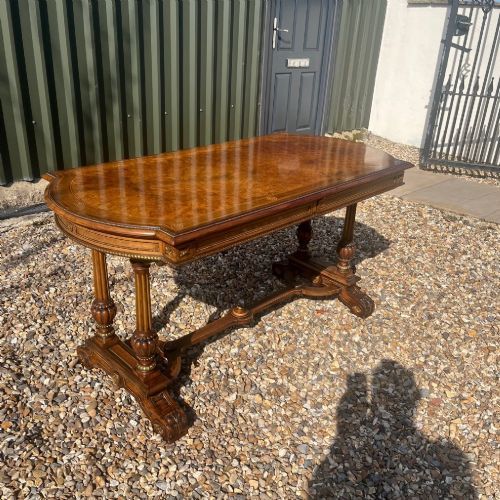


French Period Desk
These French period desk choices offer nineteenth-century mahogany workspace items and associated writing pieces built for formal interiors.
French Period Desk
A french period desk search brings up nineteenth-century mahogany workspace furniture alongside related library tables and dressing tables from the same eras. The forms reflect Regency, Louis XVI, and Empire design influences originating from French and European workshops.
Buyers encountering this phrase find items ranging from library writing tables to mahogany dressing desks. These pieces combine functional storage surfaces with decorative bronze mounts and classical proportions.
The selection leans toward nineteenth-century craftsmanship, capturing the formal character of period studies and salons through traditional timber selection and bronze embellishment.
Materials and construction methods
Cabinet makers utilised dense mahogany timbers for the primary carcases, providing a stable dark ground for applied decorative elements. These wooden structures relied on traditional joinery techniques suited to heavy domestic use.
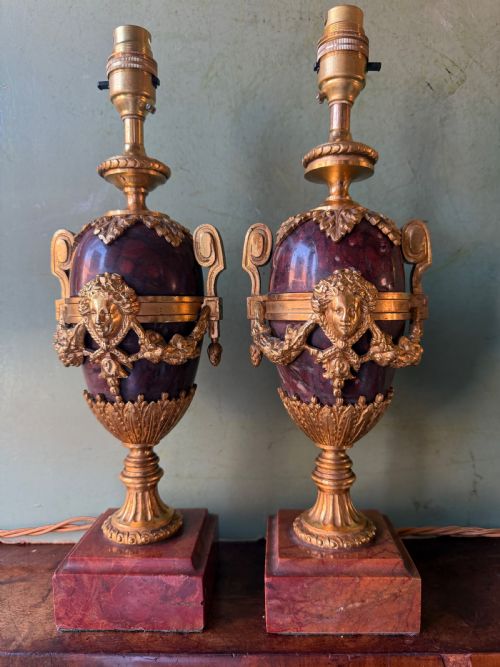
Gilt bronze and ormolu mounts were cast and chased separately before attachment to the wooden frames. Patinated bronze components also feature alongside marble inserts on specific desk-related items.
French Period Desk Retail Price Guide 2026
Typical asking prices for french period desk among the pieces listed under this phrase on Sellingantiques today, from the lower quarter to the upper quarter. They describe what is for sale here now, not the wider market.
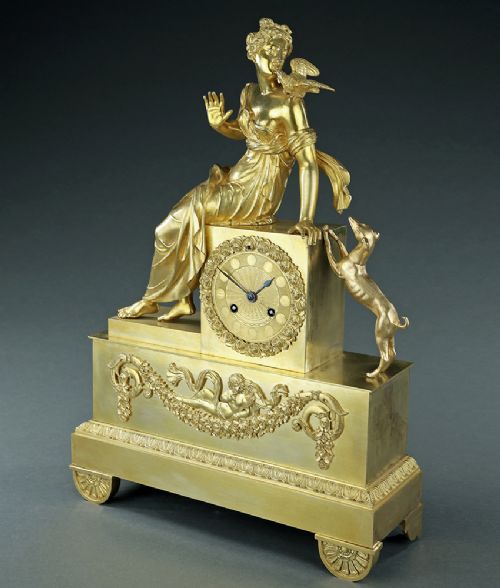
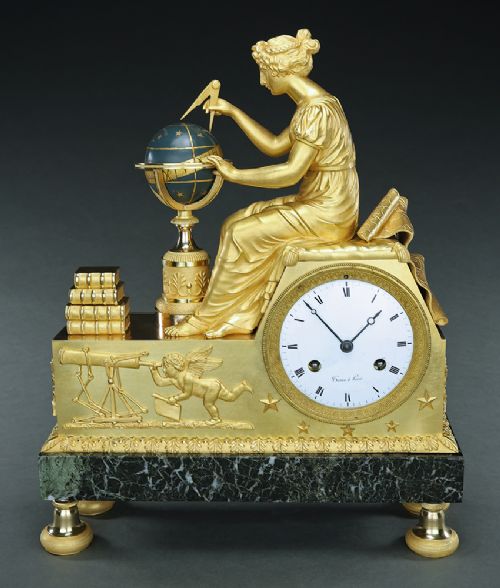
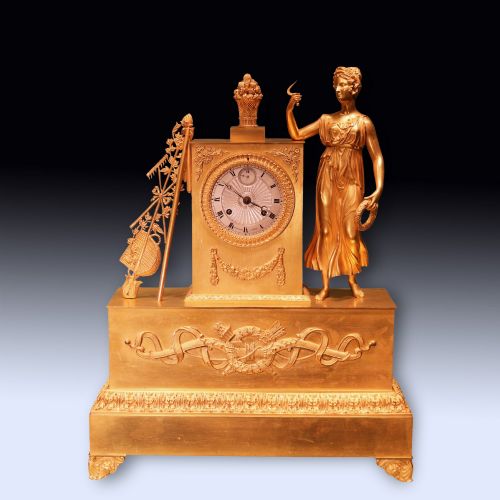
Desks share workshop lineages with grand astronomical clocks featuring love, fidelity, and wandering goats.
Distinctions in quality and execution
The sophistication of the cast ormolu mounts separates standard production from superior work. Crisp chasing on bronze elements and deep patination on mahogany surfaces indicate higher standards of original workshop execution.
Integration of secondary materials such as marble tops and finely fitted drawer interiors marks out the more ambitious examples. Proportion and restraint in the application of neoclassical ornament define the most successful pieces.
Jean-Joseph Chapuis·Lefebvre of Belgium·Canaillor of Paris·Ravrio·Paul Garnier
The French Period Desk Glossary
- Ormolu
- Gilded bronze used extensively for decorative mounts on nineteenth-century furniture. The technique involves applying a mercury and gold amalgam to a bronze base before firing.
- Mahogany
- A durable tropical hardwood favoured for its rich reddish-brown colour and stable grain. Cabinet makers utilised it for primary surfaces on high-status tables and desks.
- Patinated bronze
- Metalwork treated to produce a controlled surface finish or colour. It provides contrast against gilded bronze or mahogany elements.
- Louis XVI style
- A neoclassical design vocabulary characterised by straight lines, symmetry, and classical motifs. It influenced French furniture production well into the nineteenth century.
- Regency
- A period of British and European design spanning the early nineteenth century. It incorporates heavy classical influences and prominent bronze mounts.
French Period Desk: Frequently Asked Questions
What woods were used?
Makers relied heavily on mahogany for the primary carcase construction of these workspace pieces. Walnut also appears in specific nineteenth-century examples.
These timbers offered the structural stability required for large writing tables and dressing desks.
How do I identify Empire style?
Empire pieces display strong classical motifs inspired by ancient Rome and Greece. Look for symmetry, columns, and architectural proportions.
Gilt bronze mounts depicting military or mythological themes frequently accompany these designs.
Where were these pieces made?
The majority originate from French workshops following Parisian design standards of the nineteenth century. Related pieces also reflect Regency and broader European interpretations.
Craftsmen in France and neighbouring regions produced these items for formal domestic interiors.
How do I care for ormolu?
Ormolu requires gentle dusting with a soft brush to prevent the accumulation of dirt in recessed areas. Avoid abrasive cleaners that can damage the thin gold layer.
Maintaining a stable room humidity protects both the metallic mounts and the underlying timber.