

French Neoclassical Bronze Figures
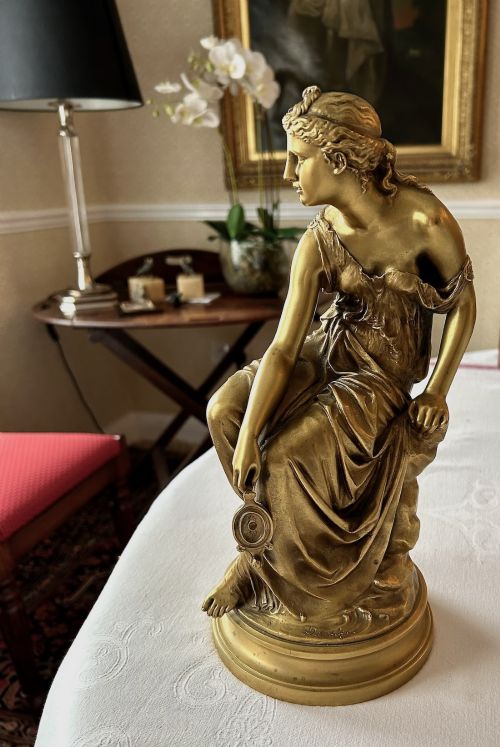
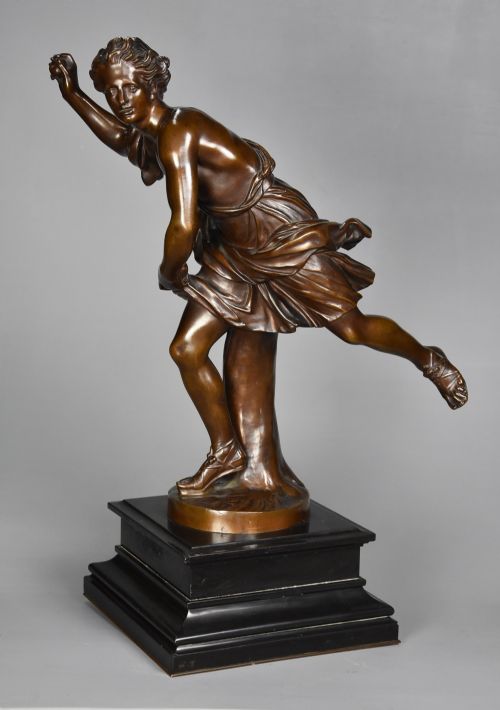
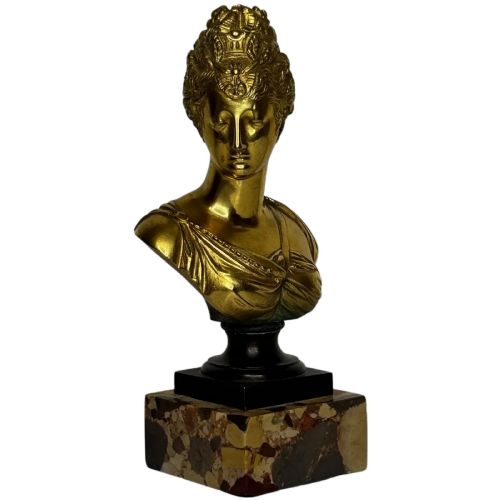
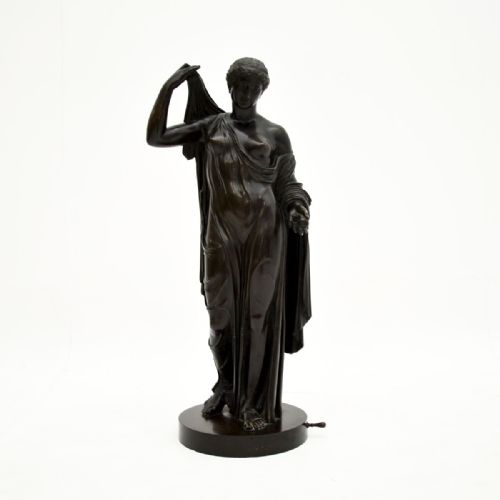
French neoclassical bronze figures bring mythological deities and historical literary characters into interiors with classical poise.
French Neoclassical Bronze Figures
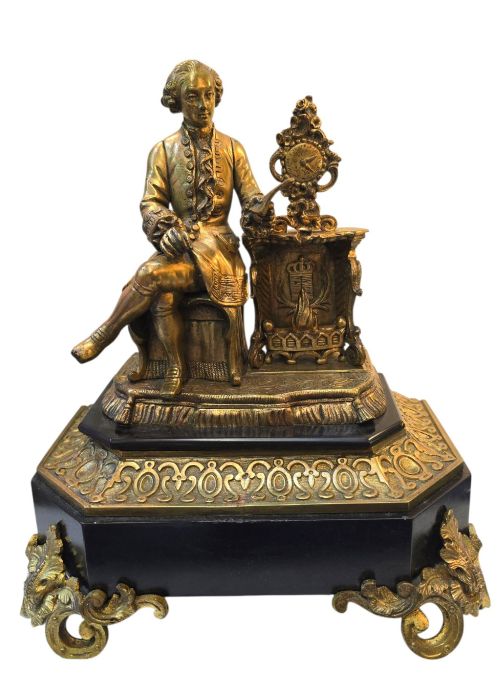
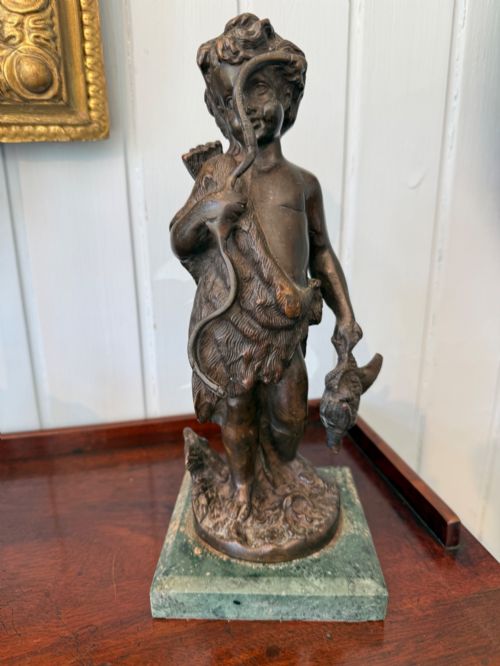
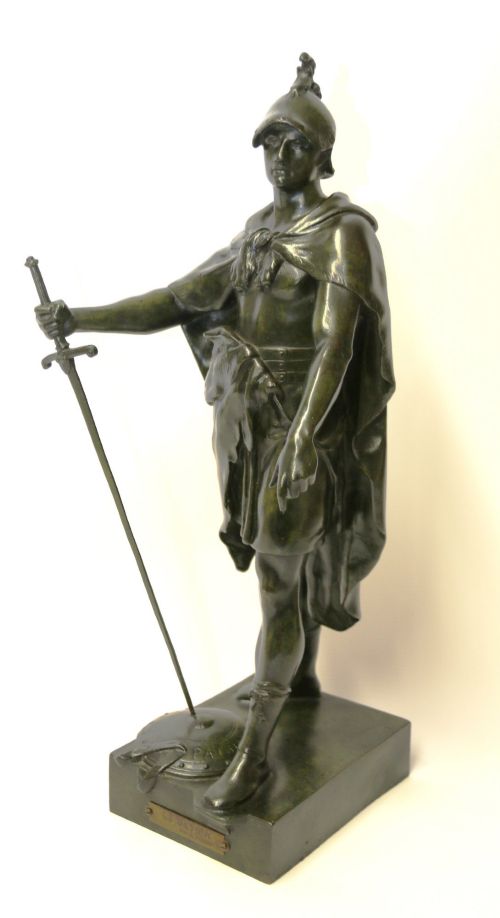
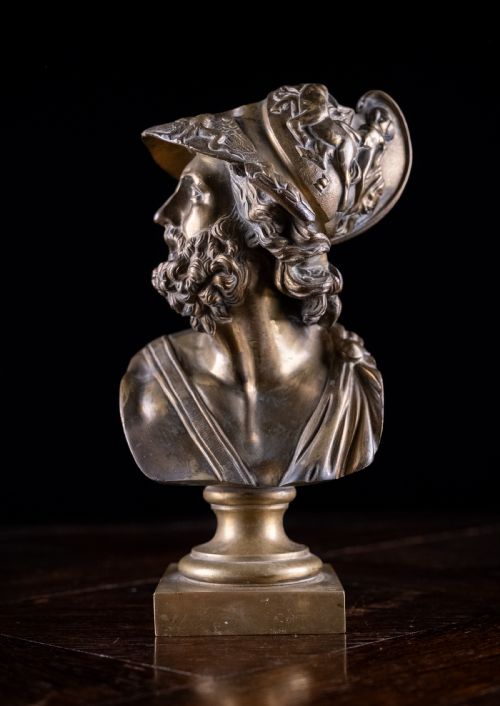
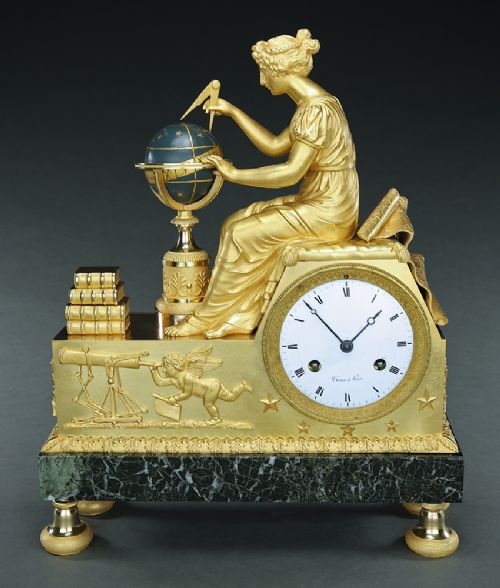
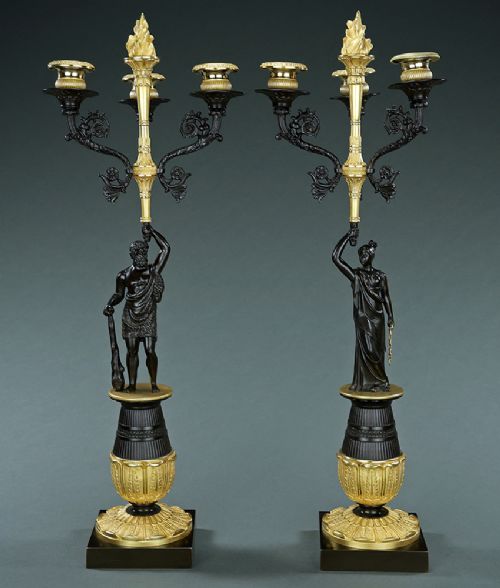
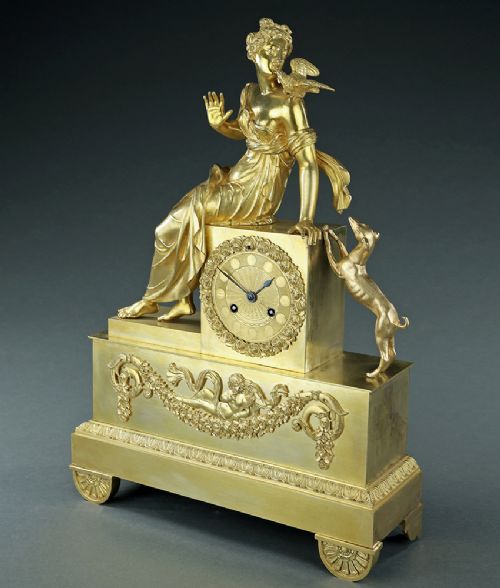
French neoclassical bronze figures draw subjects from classical antiquity, mythology and literature, taking the form of standalone sculptures, mantel clocks, lamps and candelabra. A buyer exploring this category encounters works produced across the nineteenth century, reflecting enduring academic interest in ancient Greek and Roman aesthetics.
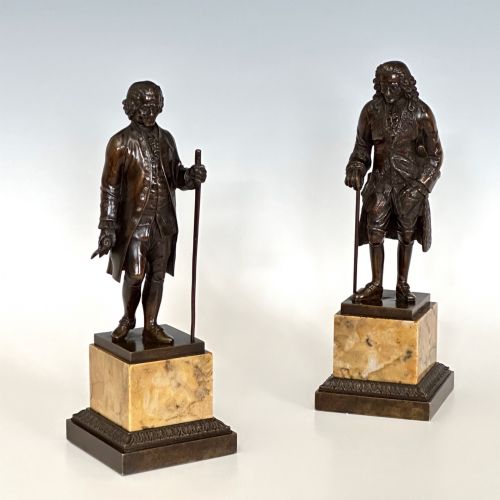
The objects span varied scales, from cabinet miniatures to substantial floor-standing and mantel pieces, often incorporating architectural elements like marble plinths. Figures of robed ladies, classical maidens, cherubs and historical philosophers populate the selection, rooted in French Empire, Restauration and Louis XVI revival styles.
Materials and casting methods
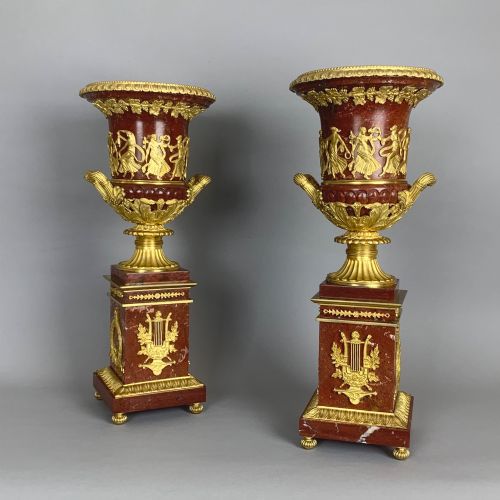
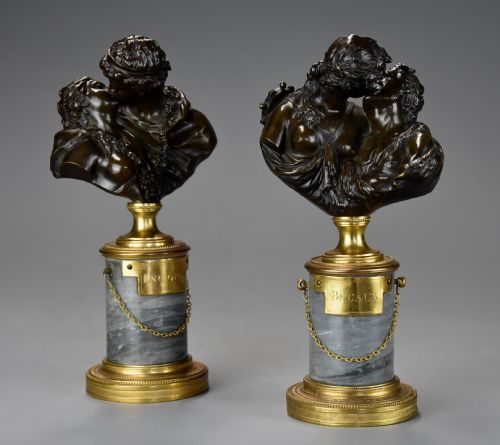
Foundry production relied on bronze cast with patinated or gilt finishes, frequently paired with contrasting materials such as white marble, slate or ormolu mounts. Ormolu provided bright highlights through mercury gilding, contrasting with dark patinated bronze surfaces on robes or musculature.
Several bronze figures grasp unexpected household accessories, including sickles, bows, peacock feathers and adjustable dressing mirrors.
Distinctions in craftsmanship
The integration of secondary materials defines the overall success of an object, such as the snug fit of marble bases and the harmonious balance between patinated bronze and fire-gilded ormolu components.
Etienne-Henri Dumaige·Ferdinand Barbedienne·Émile Louis Picault·Jean-Jules Cambos·James Pradier
The French Neoclassical Bronze Figures Glossary
- Ormolu
- Gilded bronze produced by applying a mercury and gold amalgam to a bronze base and heating it until the mercury vaporised, leaving a durable golden layer.
- Patinated bronze
- Metal treated with chemical solutions to produce a controlled surface colour, ranging from deep brown to black.
- Pate sur pate
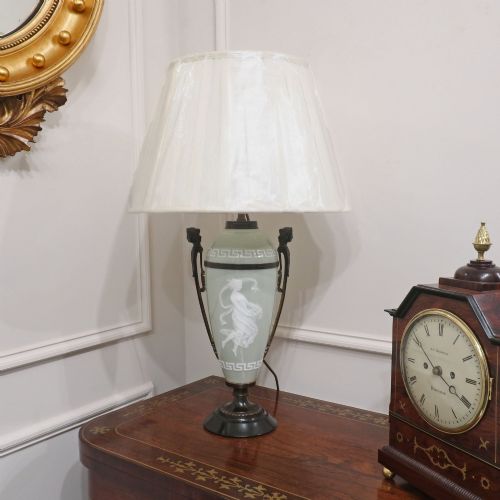
- A ceramic technique involving the application of layers of liquid white porcelain slip onto a darker clay body before firing.
- Caryatid
- A sculpted female figure serving as an architectural support instead of a column or pilaster.
- Garniture
- A set of decorative matching objects, typically comprising a mantel clock flanked by matching candelabra or urns.
French Neoclassical Bronze Figures: Frequently Asked Questions
What subjects do these figures depict?
These sculptures typically represent figures from classical mythology, ancient history and literary works. Common subjects include Greek and Roman deities, philosophical thinkers and allegorical personifications.
Makers also rendered famous military leaders, classical maidens and literary characters such as Paul et Virginie upon marble bases.
How do I care for antique bronze?
Maintain patinated and gilt bronze surfaces by dusting gently with a soft, dry cloth. Avoid chemical cleaning agents, abrasive cloths and polishes that strip original patination or damage mercury gilding.
Keep pieces away from direct sunlight and humid environments to protect integrated marble or slate components.
How do I distinguish French Empire from later nineteenth-century styles?
French Empire pieces, produced around the early nineteenth century, feature severe classical lines derived from Roman and Greek art, often incorporating military motifs and martial symbols. Later nineteenth-century interpretations introduce softer romantic elements and varied revival aesthetics.
Proportions and casting techniques also evolved, with later Victorian foundries producing highly finished academic works.
Were these figures made as single items?
While many sculptures and clocks were produced as standalone decorative works, others formed part of matched garniture sets. Pairs of candelabra, urns and candlesticks were designed to sit symmetrically flanking a central mantel clock.
Foundries also issued popular bronzes in multiple sizes based on successful salon models.