


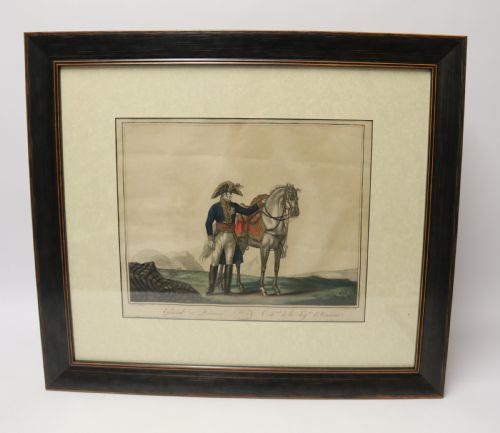


French Military Portrait
A french military portrait captures the rigid discipline and romantic pageantry of officers, sailors, and statesmen across three centuries.
French Military Portrait
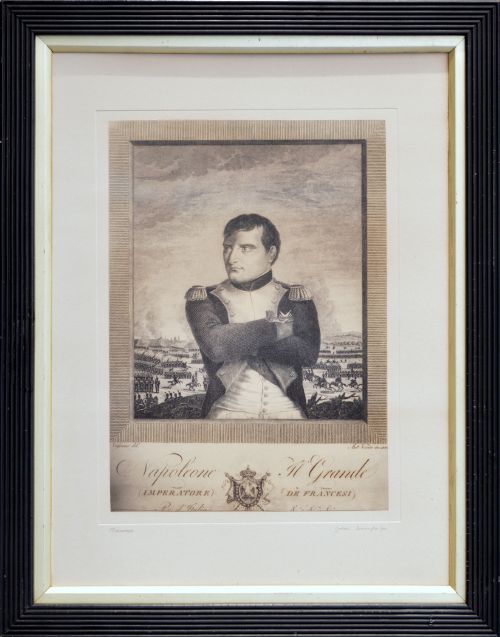
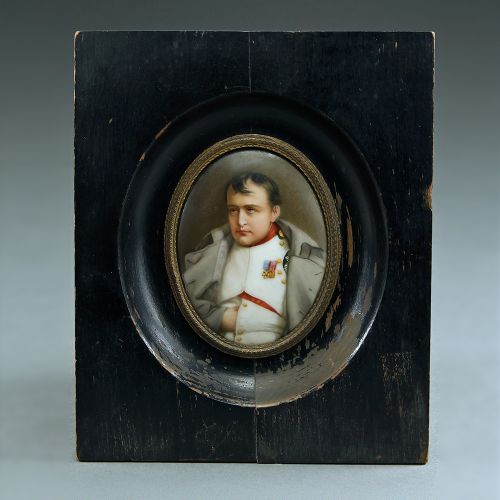
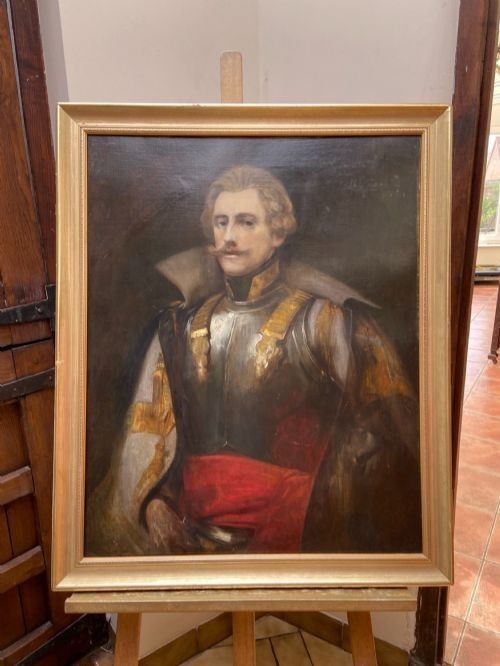
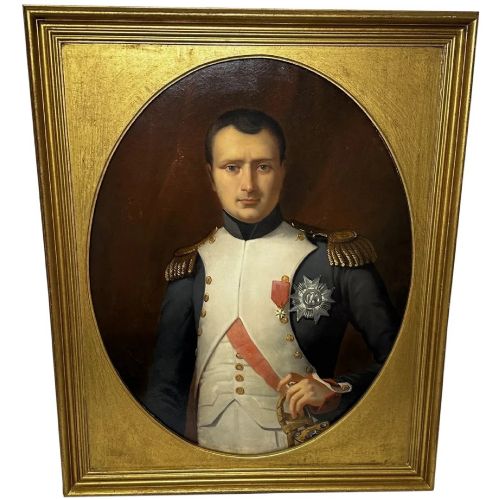
A french military portrait encompasses oil paintings, miniature paintings, and works on paper depicting officers, cavalrymen, and naval figures.
The pieces on this page span from the eighteenth century through the nineteenth century and into the mid-twentieth century.
Subjects range from Napoleonic generals and cuirassiers to naval officers and figures associated with the French military hierarchy.
Materials and execution
Works in this category are principally executed in oil on canvas or oil on panel, accompanied by examples in gouache, watercolour, and hand-coloured print.
Frames utilise wood, gilt wood, gilded wood, and gesso to house these portraits.
Represented subjects include naval officers, cuirassiers, and national guard figures depicted within French Empire and Baroque styles.
Assessing the execution
Quality rests upon the precision of the subject's uniform detailing, facial expression, and the handling of background elements by the artist.
The condition of the original canvas, panel, or paper surface alongside the preservation of the surrounding gilt wood or gesso frame dictates the overall integrity of the piece.
Nicolas De Largillière·Paul Leon Jazet·Albert Ferdinand Le Dru·Stephanus Chiantor·Jean-Baptiste Santerre
The French Military Portrait Glossary
- Cuirassier
- A heavy cavalry soldier equipped with a breastplate. These troops formed a formidable element of the French army.
- Gouache
- An opaque watercolour medium. It utilises ground pigments bound in water-soluble plant glue.
- Gesso
- A plaster-like mixture applied to wood surfaces. It provides a smooth base for subsequent gilding on frames.
- Miniature painting
- A detailed artwork executed on a small scale. These pieces often feature intimate portraits on panel or paper.
French Military Portrait: Frequently Asked Questions
How do I identify a Napoleonic period piece?
Look for specific uniform styles, bicorne hats, and distinct regimental insignia associated with the First French Empire. These visual markers align with the early nineteenth century timeline.
Examine the listed date ranges and materials such as hand-coloured prints or oil paintings from the era to confirm the period origin.
What framing is common for these portraits?
Many examples are housed in period timber frames finished with gilt wood, gilded wood, or moulded gesso decorations. These decorative borders often complement the formality of the military subject.
Original frames enhance the historical context of the artwork, though later replacement frames also appear on the market.
Are these works always painted on canvas?
While oil on canvas remains a primary medium, listings also feature works executed on wood panels, paper, and glass. Miniatures and watercolours utilise alternative supports suited to their smaller scale.
Each material requires specific care regarding environmental humidity and light exposure to ensure long-term preservation.
How should I care for an antique oil portrait?
Keep the artwork away from direct sunlight and fluctuating temperatures to prevent canvas tension issues and pigment degradation. Gentle dusting with a soft, dry cloth is sufficient for routine maintenance.
Avoid using liquid cleaners on the painted surface or the surrounding gilt wood frame without professional guidance.