

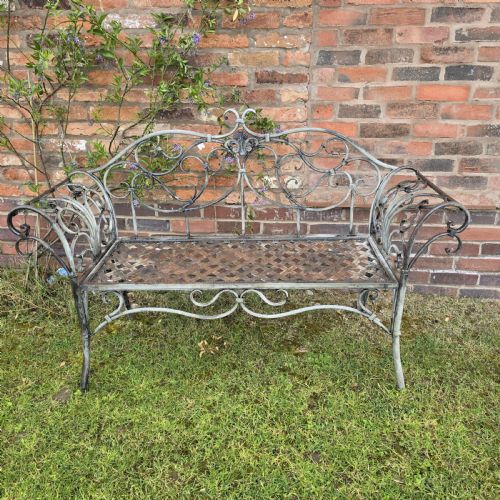


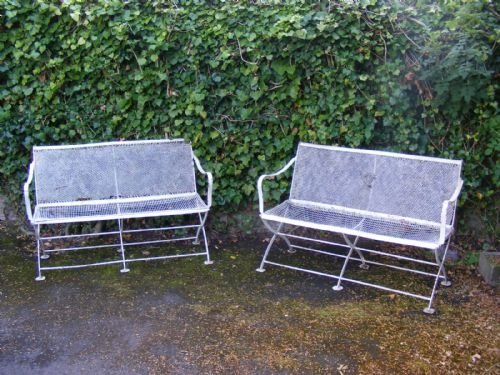


French Metal Garden Furniture
French metal garden furniture brings enduring character to terraces and lawns through robust iron, steel, and wirework forms.
French Metal Garden Furniture
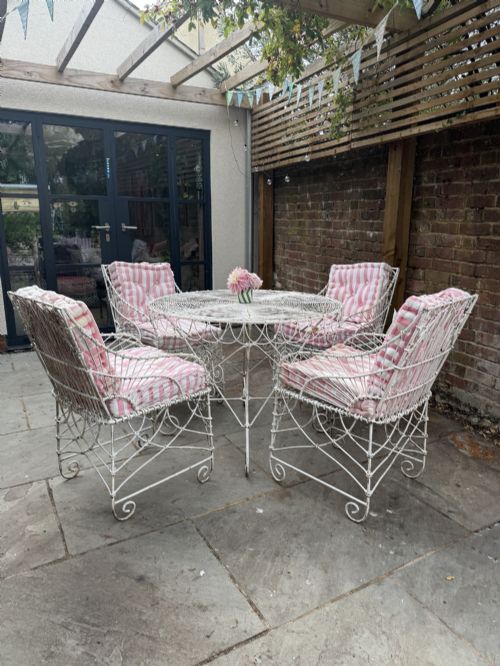
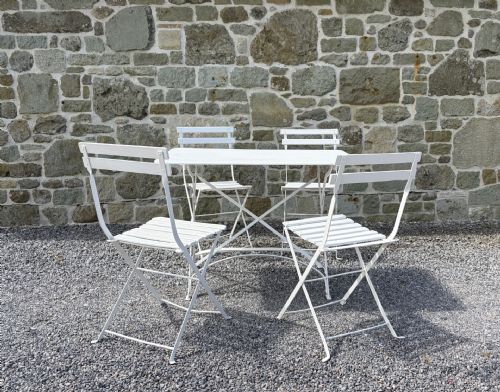
Buyers frequently encounter cast iron and wrought iron benches alongside folding tables and dining sets. Styles range from Victorian and French Gothic Revival to Arts and Crafts, reflecting varied regional and period aesthetics.
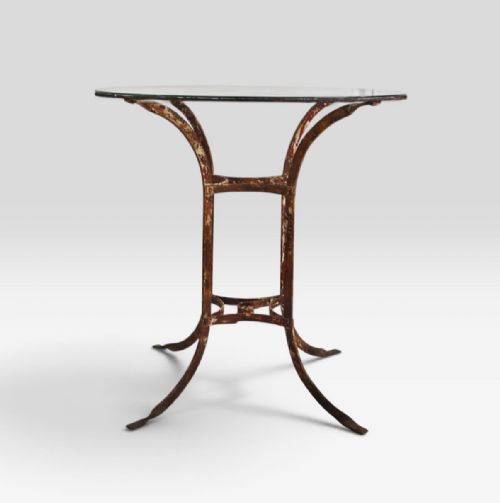
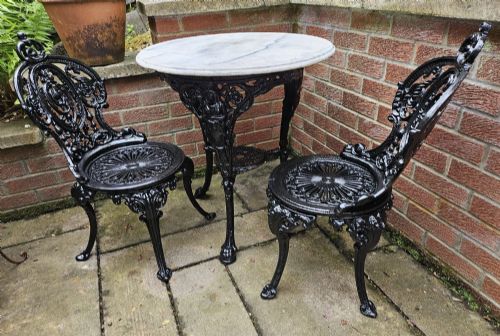
Pieces frequently combine metal frames with wooden elements or marble tops, originating from different eras including the eighteen-eighties, nineteen-twenties, and nineteen-thirties. This variety provides practical seating and surface options tailored to diverse outdoor settings.
How they were made
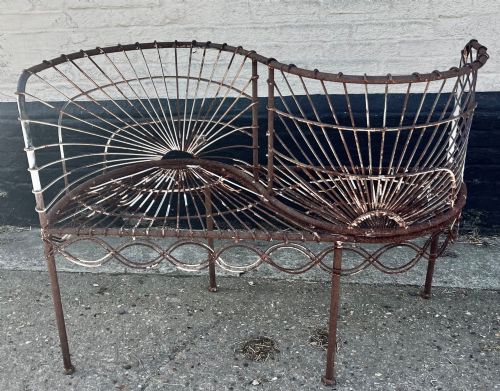
Makers utilised cast iron, wrought iron, and steel to construct sturdy frames capable of withstanding outdoor exposure. These metals were shaped through casting, forging, and wirework techniques to create both ornamental flourishes and solid structural supports.
Surfaces were frequently finished with paint to protect the underlying metal from corrosion over time. Selected items also integrated wood and marble components, bonded securely to iron bases for functional tabletops and decorative accents.
French Metal Garden Furniture Retail Price Guide 2026
Typical asking prices for french metal garden furniture among the pieces listed under this phrase on Sellingantiques today, from the lower quarter to the upper quarter. They describe what is for sale here now, not the wider market.
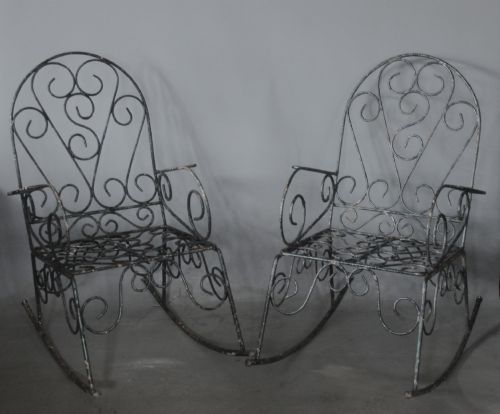
Rocking chairs built from wrought iron offer unexpected motion on the lawn.
What varies in quality
The refinement of ornamentation distinguishes standard utility items from more elaborate works. Pieces incorporating gothic influences, strap work, or intricate wirework demand greater skill in metal manipulation than plain designs.
The choice of materials impacts both the weight and the resilience of each piece. Heavy cast iron and forged wrought iron denote superior structural substance compared to lighter gauge steel variations.
The French Metal Garden Furniture Glossary
- Wrought iron
- Iron that has been heated and worked with tools by a smith rather than cast in a mould. This material yields pliable yet durable frames suited for scrollwork and seating.
- Cast iron
- Molten iron poured into a mould to form complex shapes and decorative panels. It provides heavy, rigid components frequently utilised in garden benches and table bases.
- Wirework
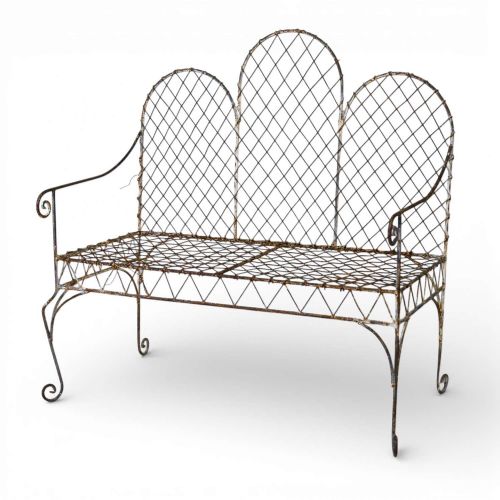
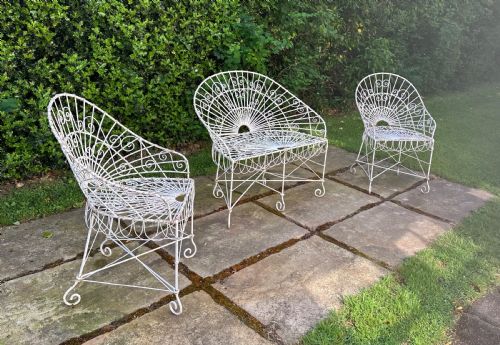
- Metal strands bent and joined to form permeable, lightweight garden furniture and plant stands. This technique gained prominence during the Victorian era for decorative stands and seating.
- Bistro set
- A small table accompanied by matching chairs, designed for compact outdoor spaces. These sets utilise folding or fixed metal frames for easy arrangement.
- Jardiniere
- An ornamental pot or stand designed to hold plants and flowers. Examples in this category often feature wooden bodies lined with metal inserts.
French Metal Garden Furniture: Frequently Asked Questions
How do I date french metal garden furniture?
Dating relies on stylistic clues, construction methods, and material transitions visible across different eras. Pieces from the nineteenth century often display heavier cast components and gothic or Victorian ornamentation.
Twentieth-century examples tend to introduce lighter steel elements, folding mechanisms, and art deco influences. Comparing structural joints and surface paint layers further clarifies the period of manufacture.
Can french metal garden furniture stay outside?
Most pieces were specifically built to endure exterior environments through robust metal construction and protective surface coatings. Regular exposure to weather will naturally alter painted finishes over time.
Proper maintenance involves monitoring the condition of protective paint and addressing surface oxidation promptly. Storing items during harsh winter months helps preserve their structural integrity.
What is the difference between cast and wrought iron?
Cast iron is created by pouring molten metal into a mould, resulting in heavy, rigid forms with detailed decorative reliefs. It offers great compressive strength but can fracture under sharp impacts.
Wrought iron is beaten and shaped by hand while hot, producing a fibrous material that bends rather than breaks. This malleability allows for slender structural lines and curved scrollwork.
Where were these pieces originally used?
Original placements included private chateaux grounds, domestic courtyards, urban balconies, and sheltered conservatory spaces. Lighter sets served casual dining and social gatherings on terraces.
Bigger benches and plant stands were positioned along garden pathways or against exterior walls to frame views. Their portable nature allowed owners to shift furniture according to shade and season.