

French Metal Chandelier
These French metal chandelier designs bring genuine chateau grandeur into a room, offering striking illumination through historic glass and bronze.
French Metal Chandelier
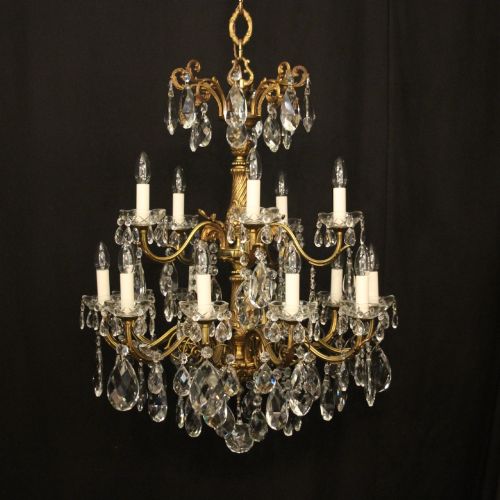
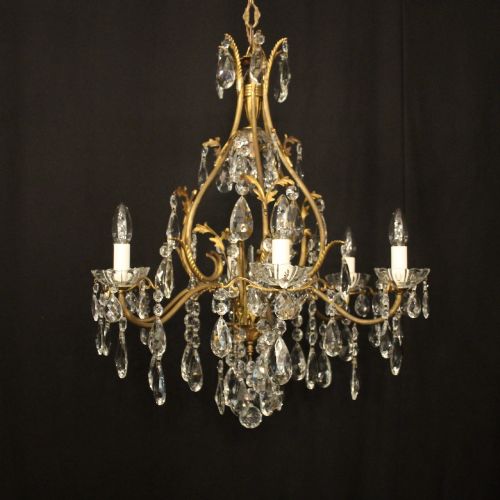
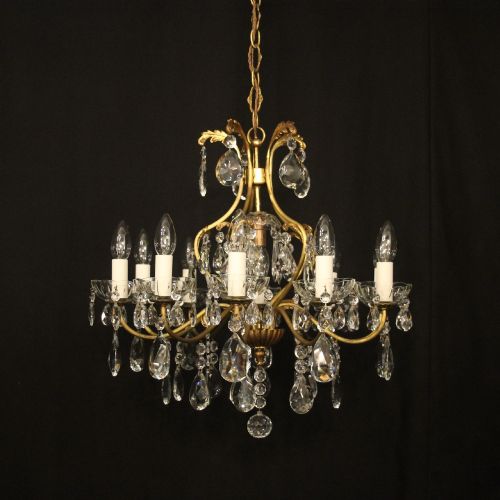
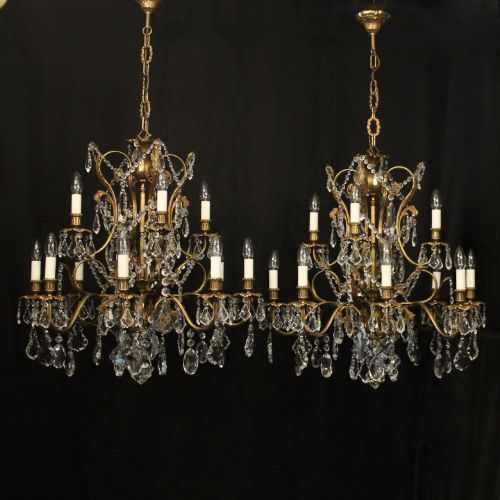
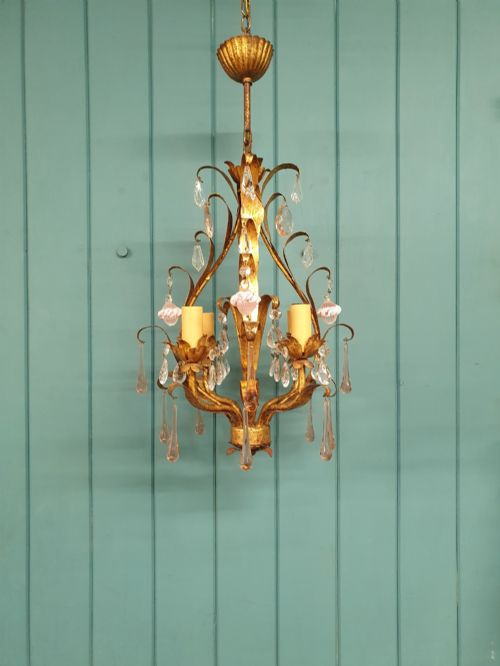
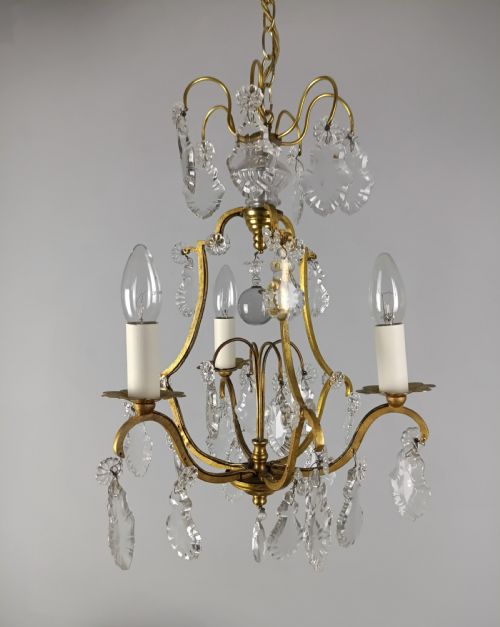
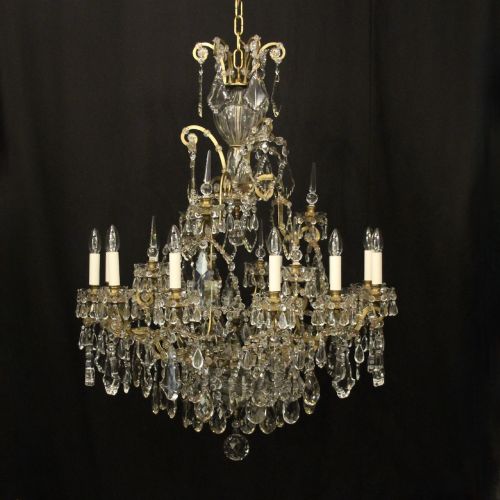
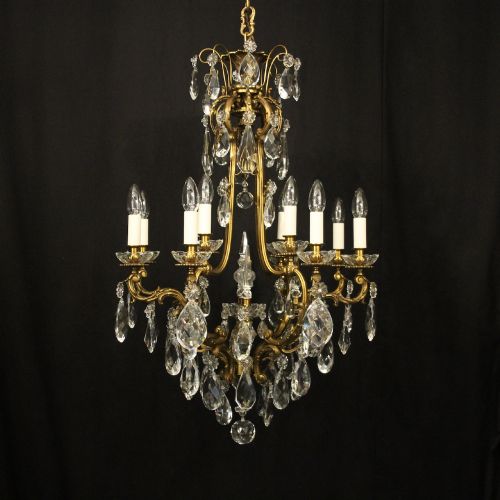
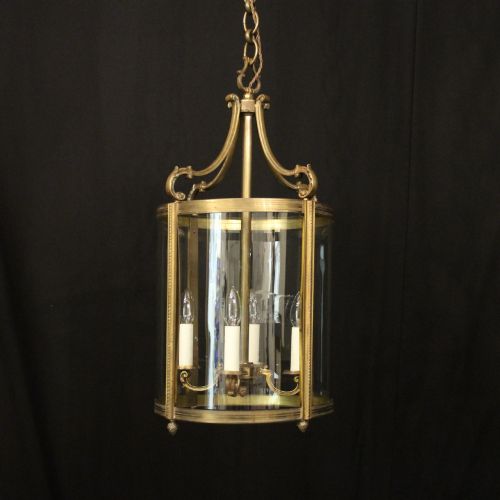
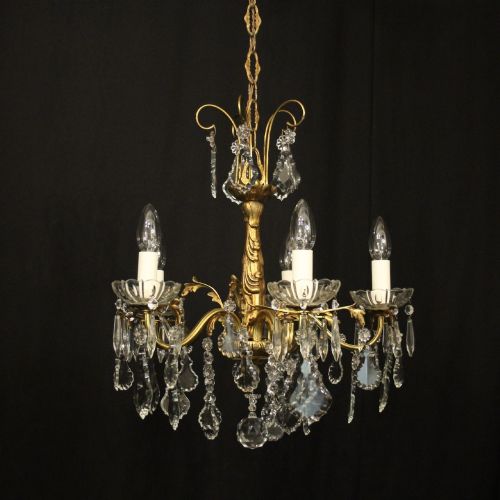
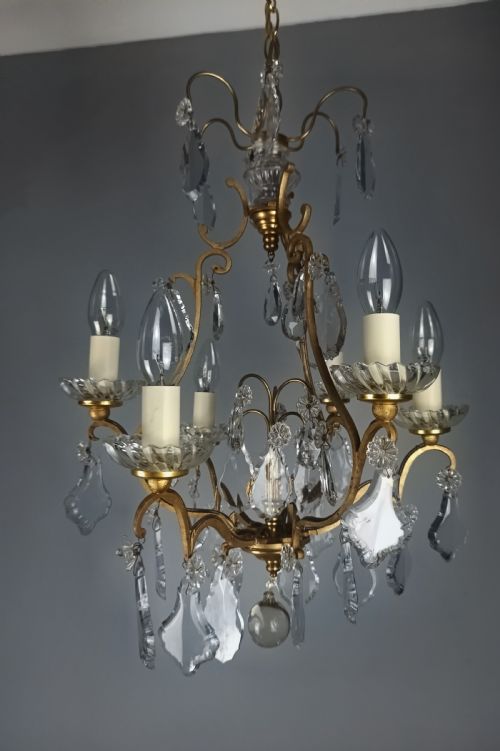
When someone searches for a French metal chandelier, they seek statement ceiling fixtures rooted in nineteenth and early twentieth-century design. These pieces span elaborate styles such as French Rococo, Neoclassical, and Gothic Revival, originating from periods between eighteen ninety and nineteen thirty. Buyers encounter various forms, including multi-light birdcage frames, tent and waterfall structures, and enclosed hall lanterns.
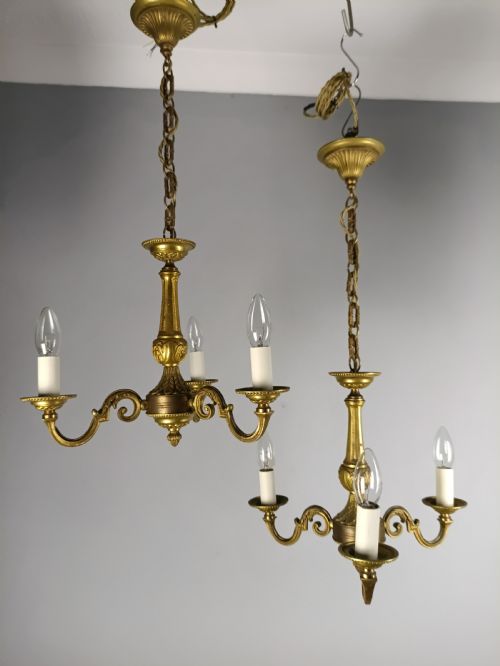
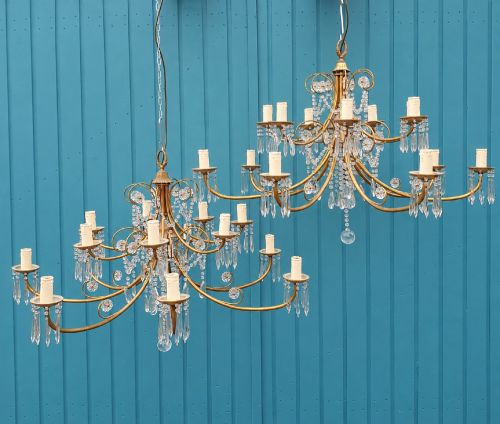
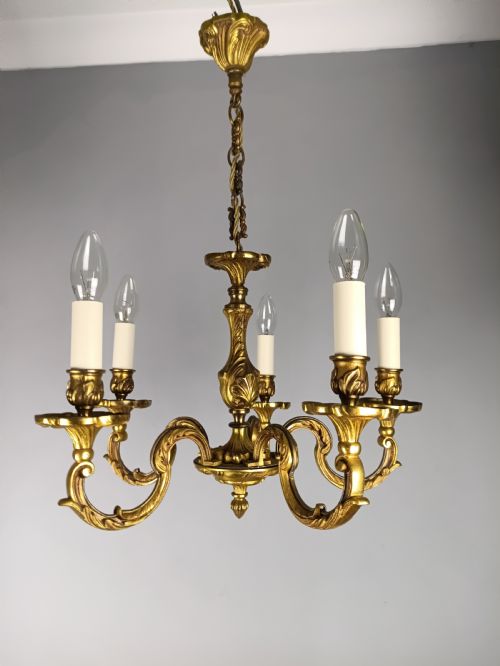
The selections on this page lean heavily toward early twentieth-century examples, particularly those dated around nineteen twenty and nineteen thirty. These items frequently display gilt bronze, brass, or gilded metal frameworks paired with extensive crystal elements. Alongside standard chandeliers, the selection incorporates pendant lights, ceiling lighting, and specialised tolewear pieces accented with ceramic flowers.
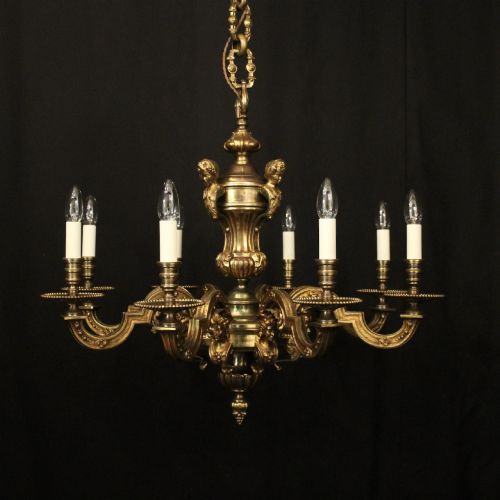
Regional and stylistic variations also appear within the collection, including Italian Florentine designs alongside core French pieces. Some items incorporate sculptural figures such as flying cherubs or winged cupids holding spike chandeliers, while others adopt simpler coronet or cage configurations. Each variation offers distinct decorative qualities suited to period interiors.
Materials and construction
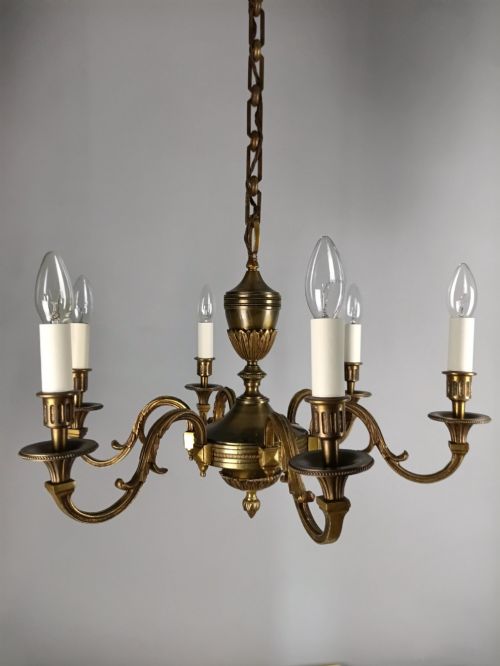
The frameworks rely heavily on cast metals, specifically brass, bronze, and gilt metal, often treated with a gilded or silver-gilded finish to enhance their visual weight. Spelter and copper also appear in specific configurations, providing alternative structural bases for intricate castings. These metal skeletons support the electrical or candle-holding fittings while anchoring the surrounding glass elements.
Glass and crystal form the secondary material layer, suspended from the metal frames in the form of cut glass, crystal drops, amber crystal teardrops, and amethyst accents. Birdcage and tent-and-waterfall styles utilise precise wiring and pinning techniques to attach hundreds of individual prisms. Tolewear and ceramic components introduce painted floral motifs and polychrome finishes to select pendant and chandelier bodies.
French Metal Chandelier Retail Price Guide 2026
Typical asking prices for french metal chandelier among the pieces listed under this phrase on Sellingantiques today, from the lower quarter to the upper quarter. They describe what is for sale here now, not the wider market.
Materials documented across the inventory include brass, gilt metal, toleware, polychrome ceramics, and amethyst glass.
Distinguishing quality in period lighting
Quality rests upon the crispness of the metal casting and the depth of the gilding applied to the bronze or brass structure. Finer examples display sharp definition in sculptural details like acanthus leaves, cherubs, and coronets, whereas lesser pieces show softer, shallower relief work. The durability and richness of the gilt surface determine how well the metal ages under ambient light.
The composition and cut of the glass components create another clear division in standard. High-grade fixtures employ heavy crystal and cut glass drops that refract light cleanly through numerous facets, while simpler pieces rely on plain moulded glass. The structural integration of the cage or frame ensures the fixture hangs true and bears the weight of the crystal without sagging.
The French Metal Chandelier Glossary
- Gilt bronze
- Metal cast in bronze and coated with a thin layer of gold leaf or gilt wash. This material resists tarnishing while providing a warm, reflective surface.
- Toleware
- Lacquered or painted metalware used for decorative ceiling lights and floral chandeliers. It introduces polychrome colour and hand-painted botanical details to the fixture.
- Tent and waterfall
- A lighting configuration where strings of beads form an upper tent shape that cascades down into a wider waterfall of crystal drops. It produces layered refraction across the entire fixture.
French Metal Chandelier: Frequently Asked Questions
How do I clean a crystal chandelier?
Maintenance requires gentle hand-cleaning of each crystal drop and metal arm using a mild solution and soft cloth. Technicians often clean the prisms in place to avoid disturbing the historic pin fixings.
Harsh chemical cleaners damage gilt surfaces and strip the historic finish from the metal frame. Regular dusting prevents grime buildup on the intricate glass surfaces.
Can these antique chandeliers be rewired?
Modern electrical wiring can be integrated into period frames to meet current safety standards. Professional electricians thread modern cords through the internal channels of the metal structure without altering the exterior appearance.
Original sockets and wiring are frequently replaced during restoration to ensure safe daily operation in a home. Buyers should consult a qualified electrician regarding voltage and ceiling load capacity.
What rooms suit a hall lantern?
Hall lanterns provide focused vertical illumination suited to entryways, corridors, and high-ceilinged stairwells. Their enclosed metal and glass construction protects the internal light source in narrow transitional spaces.
These fixtures serve as architectural focal points without overwhelming smaller domestic rooms. Their downward-facing light distribution illuminates pathways efficiently.
How do I identify a Neoclassical style?
Neoclassical pieces feature symmetrical geometric lines, classical motifs, and restrained ornamentation derived from ancient architectural forms. These designs avoid the asymmetry of earlier Rococo styles in favour of balanced proportion.
Common elements include urn shapes, laurel wreaths, and crisp cast metal detailing. This aesthetic gained popularity across nineteenth and early twentieth-century French metalwork.