


French Mahogany Fall Front Desk
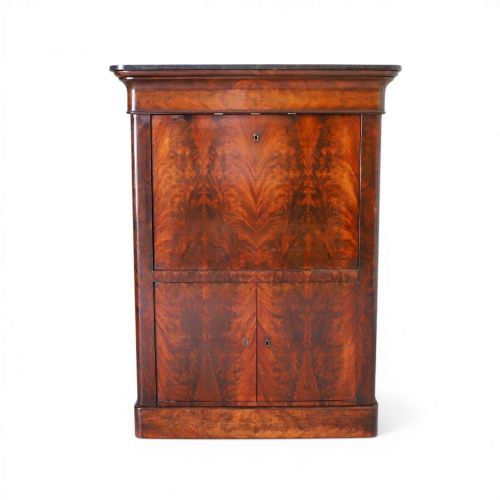
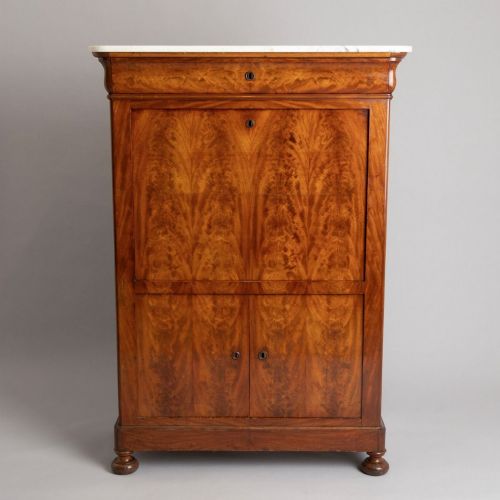
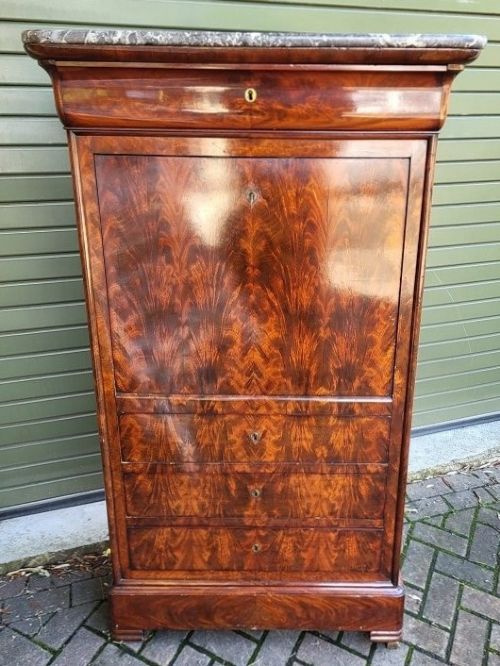
A french mahogany fall front desk brings practical writing space and concealed drawers to a room through traditional continental cabinetmaking.
French Mahogany Fall Front Desk
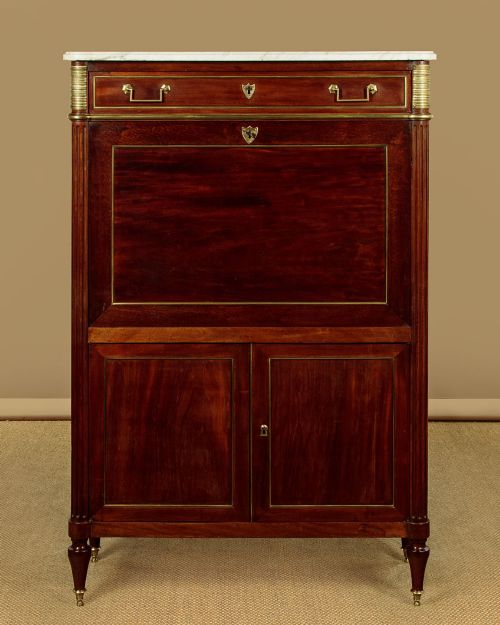
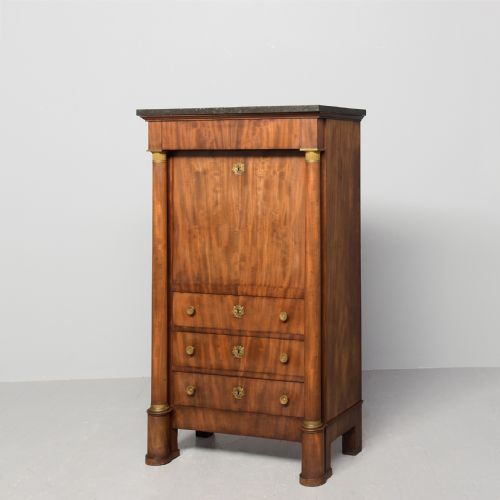
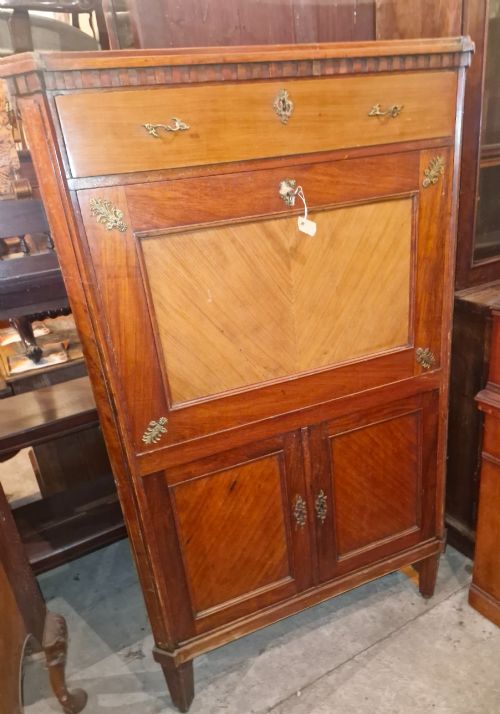
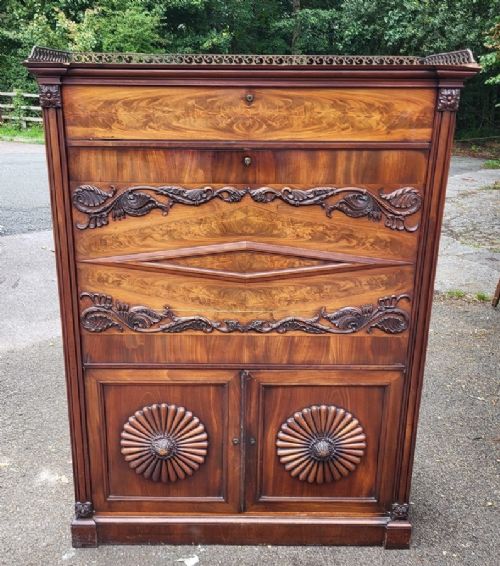
When you search for a french mahogany fall front desk, you encounter case pieces designed with a hinged writing flap that drops down to form a flat surface. These items appear across the nineteenth century, including specific periods like the Louis Philippe and French Empire styles, alongside earlier eighteenth-century examples.
The primary forms on this page include the secretaire abattant and the escritoire. Many examples incorporate fitted interior compartments and secret drawers behind the main drop-down panel, providing secure storage alongside the writing surface.
Makers and cabinetmakers worked within distinct continental traditions, producing both restrained architectural facades and more decorative pieces. Buyers frequently encounter designs featuring polished stone surfaces set directly above the main writing compartment.
Materials and construction methods
Cabinetmakers constructed the main carcase using timbers such as mahogany and flame mahogany, often supported by secondary woods including oak and walnut. Selected veneers were applied to large flat surfaces to highlight the natural grain patterns of the wood.
Metal mounts in brass and ormolu decorate key corners, keyholes, and structural edges, contrasting with the dark reddish-brown tones of the polished timber. Heavy marble tops provide a contrasting cold, smooth surface above the vertical writing cabinet.
Many fall fronts hide miniature secret drawers that require sliding panels or hidden spring catches to release them.
Factors determining quality
The execution of the flame mahogany veneer and the precision of the joinery around the fall front distinguish finer pieces from simpler workshop productions. Superior examples maintain alignment in the grain across the entire drop-front panel when closed.
The complexity of the interior arrangement, including the number of internal small drawers and secret compartments, indicates the tier of the piece. Well-preserved original marble slabs and crisp cast brass or ormolu mounts further separate high-grade items.
The French Mahogany Fall Front Desk Glossary
- Secretaire abattant
- A tall vertical cabinet with a drop-down front panel that opens to reveal a writing surface and interior compartments. This form conceals paperwork and stationery behind a unified facade.
- Escritoire
- A writing cabinet or desk used for correspondence and document storage. The term frequently applies to continental fall front forms.
- Flame mahogany
- A timber cut taken from the fork of the mahogany tree, displaying a distinct flamed or figured grain pattern. Cabinetmakers placed these veneers symmetrically across cabinet doors and fall fronts.
- Ormolu
- Gilded bronze used for decorative mounts and accents on furniture. This material provides metallic highlights against dark mahogany surfaces.
- Louis Philippe
- A mid-nineteenth-century French style characterised by clean lines and minimal ornament that prioritised the appearance of the timber. Pieces from this era often rely on the grain of the mahogany for visual interest.
French Mahogany Fall Front Desk: Frequently Asked Questions
What is a french mahogany fall front desk?
A tall cabinet featuring a hinged writing surface that folds down for use. It typically includes internal drawers and pigeonholes.
These pieces function as both writing desks and storage cabinets, keeping papers enclosed behind a vertical facade when not in use.
How do I identify a French Empire secretaire?
French Empire pieces often display architectural proportions, symmetrical column details, and gilt bronze mounts. The design reflects classical revival influences from the early nineteenth century.
These cabinets usually combine dark mahogany surfaces with polished marble tops and restrained geometric ornamentation.
What is inside the drop front?
Opening the fall front reveals a fitted interior containing multiple small drawers, pigeonholes, and sometimes secret compartments. A leather or timber writing surface forms the base of this workspace.
Cabinetmakers arranged these internal elements to store stationery, inkwells, and correspondence securely.
Are marble tops original on these desks?
Many nineteenth-century continental secretaires feature fitted marble slabs set directly onto the top of the cabinet. These stone tops added weight and a decorative surface above the main case.
Examining the underside and the surrounding wood helps determine if the marble slab matches the period of the carcase.
Where should I place an escritoire?
An escritoire requires adequate floor space against a wall, leaving room for the fall front panel to open fully into the horizontal position. Positioning it away from direct heat sources protects the mahogany veneer.
Because these cabinets are tall and heavy, ensuring they stand level on the floor keeps the fall front hinges aligned properly.