



French Lighting Decor
French lighting decor brings interior spaces alive with the warm glow of gilt bronze and cut crystal.
French Lighting Decor
French lighting decor comprises period metalwork and mirrors designed to illuminate rooms with classical elegance. When searching for French lighting decor, buyers encounter items ranging from simple candleholders to elaborate multi-branch candelabra.
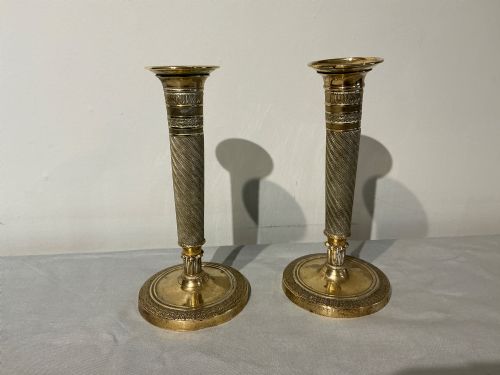
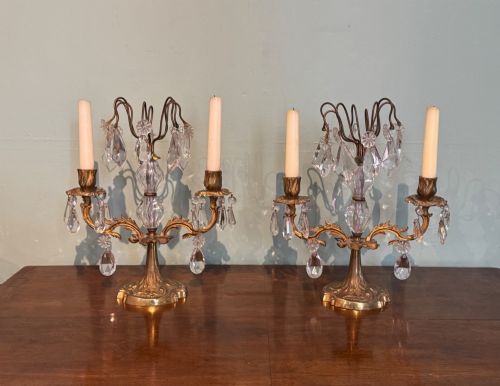
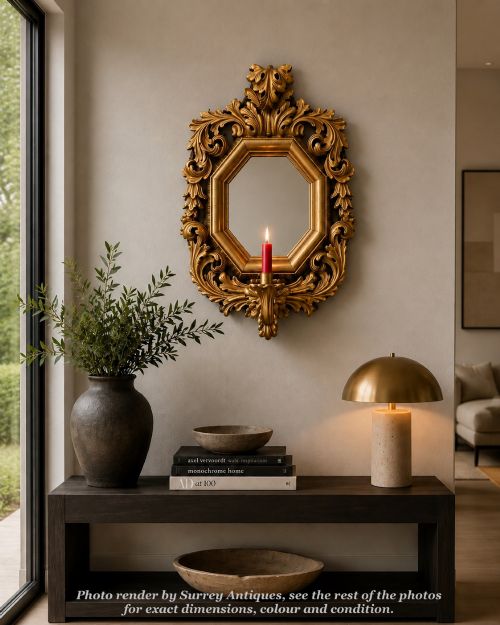
The pieces appearing on this page span the nineteenth century, including specific dates such as 1830, 1840, 1870, and 1880. Forms include candlesticks, candelabra, mirrors, and girandoles.
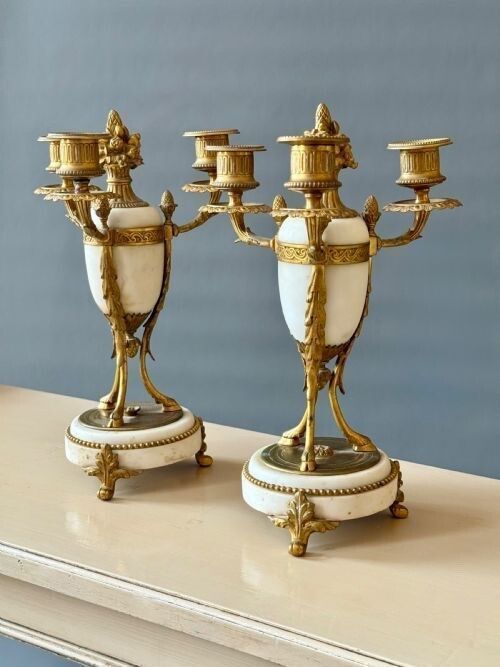
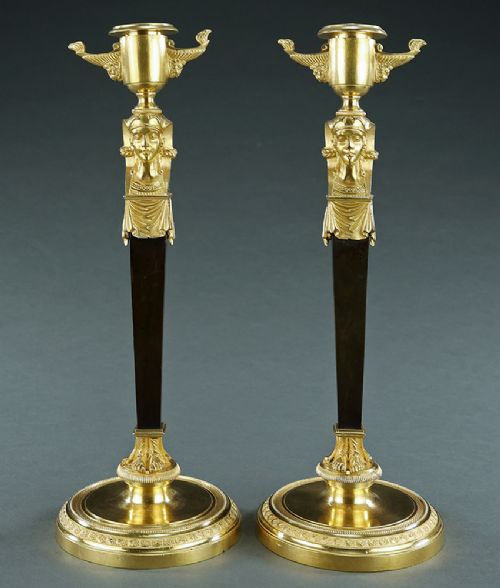
Origins and styling reflect historical revivals, including French Empire, Louis XVI Neoclassical, French Rococo Revival, Chinoiserie, and Egyptian Revival aesthetics. Marble bases and figural shafts frequently accompany the metalwork.
Materials and construction
Metalwork forms the foundation of these pieces, utilising bronze, patinated bronze, ormolu, gilt bronze, and gilt brass. Cast components are frequently combined with carved giltwood or polished stone bases.
White marble, sienna marble, and onyx serve as substantial plinths supporting the metal shafts and figures. Cut crystal elements are also utilised to catch and refract the candlelight.
French Lighting Decor Retail Price Guide 2026
Typical asking prices for french lighting decor among the pieces listed under this phrase on Sellingantiques today, from the lower quarter to the upper quarter. They describe what is for sale here now, not the wider market.
Some nineteenth-century French makers transformed foreign travellers into candle-bearing Chinese figures.
Distinctions in quality
Quality depends upon the crispness of the metal casting and the depth of the gilding or patination. Pieces featuring finely detailed figural work, such as caryatids or Chinese figures, demonstrate superior craftsmanship.
The selection of mounting materials, including genuine marble plinths and precision-cut crystal, separates standard utilitarian items from decorative works of art.
The French Lighting Decor Glossary
- Ormolu
- A gold-coloured alloy applied to bronze objects to create a rich, metallic finish. This technique provides a durable and decorative surface on nineteenth-century metalwork.
- Girandole
- An ornamental branched candlestick or light fixture often incorporating a mirror. The reflective glass helps amplify the illumination within the room.
- Caryatid
- A sculpted female figure serving as an architectural support or decorative shaft. They frequently appear on nineteenth-century candelabra and candlesticks.
- Retour d'Egypte
- A design style inspired by archaeological discoveries in Egypt. This aesthetic influences the decorative motifs found on period bronze pieces.
French Lighting Decor: Frequently Asked Questions
What is French lighting decor?
French lighting decor encompasses nineteenth-century metal candleholders, candelabra, and mirrors designed for domestic illumination. These objects combine functional utility with decorative artistic expression.
Materials typically include bronze, ormolu, marble, and crystal, styled according to historical periods like the Empire and Neoclassical eras.
How were these pieces used?
They were placed on tables, mantelpieces, and walls to hold wax candles and light rooms before electricity. Their reflective surfaces helped maximise the illumination from a single flame.
Many designs served a dual purpose as sculptural art objects during daylight hours when unlit.
How do I live with them?
Place them on stable surfaces where their weight and materials can be appreciated safely. They suit both traditional period interiors and modern settings as accent pieces.
Keep them away from direct heat sources and clean the metal and marble surfaces gently with appropriate dry cloths.
How do I tell periods apart?
Periods are identified through stylistic cues, figural motifs, and recorded construction dates. Empire and Egyptian Revival pieces feature classical military or pharaonic themes.
Neoclassical and Rococo Revival styles utilise symmetrical scrollwork, floral garlands, and architectural columns typical of nineteenth-century French manufacturing.