



French Lantern Wall Sconce
A french lantern wall sconce brings period character to a hallway or entrance, combining glazed panels with metal frames.
French Lantern Wall Sconce
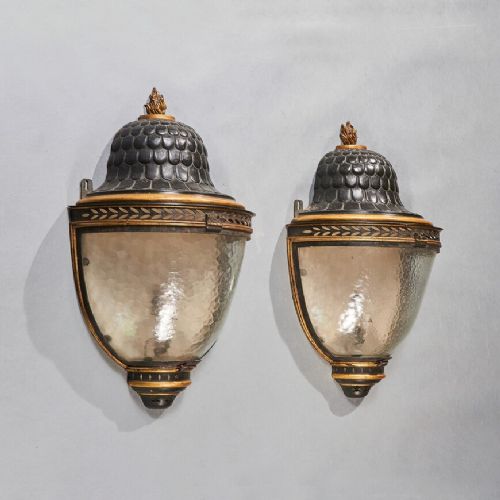
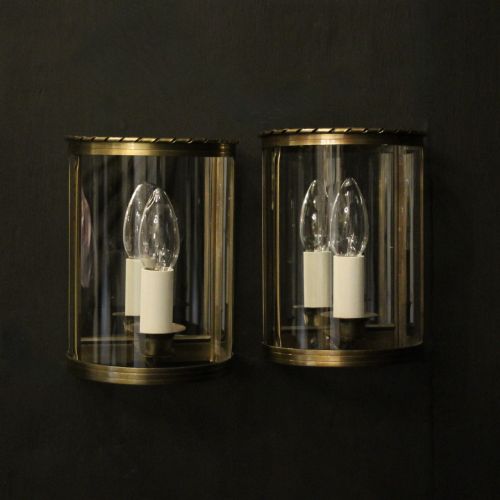
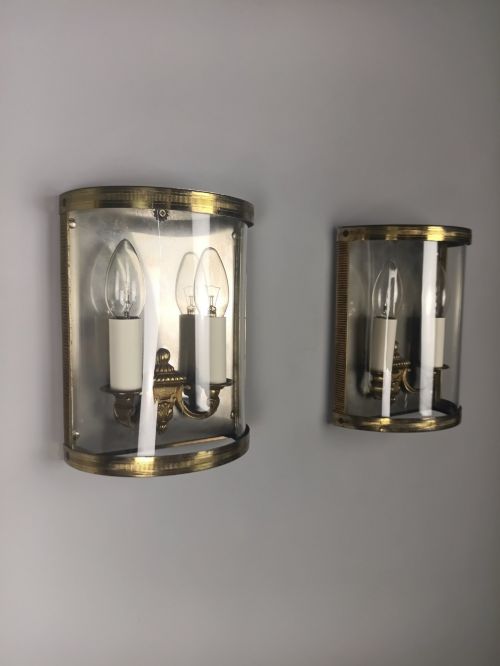
A french lantern wall sconce draws on traditional designs from the nineteenth century up through nineteen thirty, appearing in forms such as half lanterns, carriage lights, and wall lights. These fixtures mount directly to a wall, projecting outward to cast light across a room or passageway.
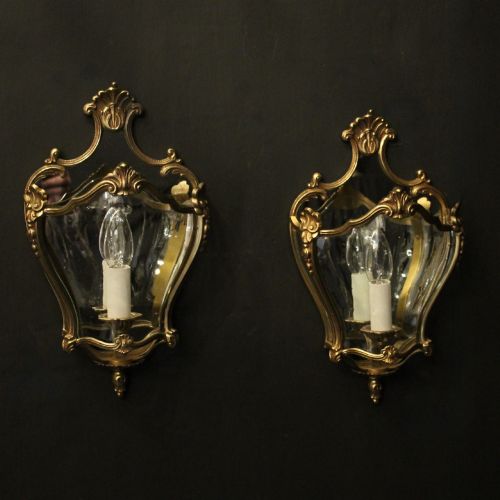
The selections on this page span several distinct stylistic influences, including French Empire, Louis XV Style, and French Rococo Revival. Buyers will frequently encounter matched pairs, often configured with single or twin lights housed within glazed metal enclosures.
Origins remain distinctly French in character, reflecting periods such as the nineteenth century, nineteen hundred, and nineteen thirty. The physical forms range from compact single-light brass and copper iterations to larger tole peinte and parcel gilt showpieces.
Materials and construction
Makers utilised a combination of metals such as brass, copper, bronze, and toleware to construct the structural frames of each french lantern wall sconce. Parcel gilt metal and gilded bronze details frequently accent the primary body, adding visual depth to the finished fixture.
Glass panels are fitted securely into the metal housing to enclose the light source while diffusing illumination. The integration of mixed metals, particularly brass paired with copper, defines the material palette seen across the twentieth-century examples.
French Lantern Wall Sconce Retail Price Guide 2026
Typical asking prices for french lantern wall sconce among the pieces listed under this phrase on Sellingantiques today, from the lower quarter to the upper quarter. They describe what is for sale here now, not the wider market.
Materials documented across the listings include glass, brass, copper, tole, parcel gilt metal, gilt brass, gilded bronze, and general metal.
Assessing quality and craftsmanship
Quality in a french lantern wall sconce rests upon the crispness of metal casting and the complexity of decorative surface treatments such as parcel gilt or tole peinte. Pieces featuring heavy gilded bronze or detailed brass work demonstrate a higher grade of manufacture than plain sheet metal variants.
The structural integration of the glass panels within the metal framework also marks a distinction in grade. Heavier gauge brass and copper frames provide rigidity and better alignment, separating standard production pieces from finer decorative works.
The French Lantern Wall Sconce Glossary
- Tole Peinte
- Painted sheet metal, often decorated with floral or classical motifs in muted colours. This finish appears frequently on nineteenth-century lighting.
- Parcel Gilt
- Partially gilded metal where gold leaf highlights specific raised details of the design. It creates contrast against a darker base metal.
- Half Lantern
- A wall-mounted lighting fixture flattened on one side to sit flush against a vertical surface. They project outward like a traditional hanging lantern cut in half.
- Carriage Lamp
- A lighting fixture styled after the exterior lanterns once mounted on horse-drawn vehicles. These often feature robust metal housings and multiple glass panes.
French Lantern Wall Sconce: Frequently Asked Questions
Where should I place a wall lantern?
These fixtures suit hallways, entranceways, and stairwells where wall mounting preserves floor space while providing directional illumination.
They also work well flanking a mirror or framing a doorway in reception rooms.
How do I determine the period of a sconce?
Dating relies on material combinations, decorative styles such as French Empire or Rococo Revival, and manufacturing techniques.
Nineteenth-century examples often feature tole peinte or heavy bronze, while nineteen thirty pieces frequently utilise brass and copper pairings.
What maintenance do metal wall lanterns require?
General upkeep involves dusting the glass panels and cleaning the metal frames with a soft cloth to preserve the finish.
Harsh chemical cleaners should be avoided to protect surfaces like parcel gilt or painted toleware.