


French Lantern Fixture
A French lantern fixture brings warmth and architectural presence to an entranceway, hanging with the authority of the nineteenth and early twentieth centuries.
French Lantern Fixture
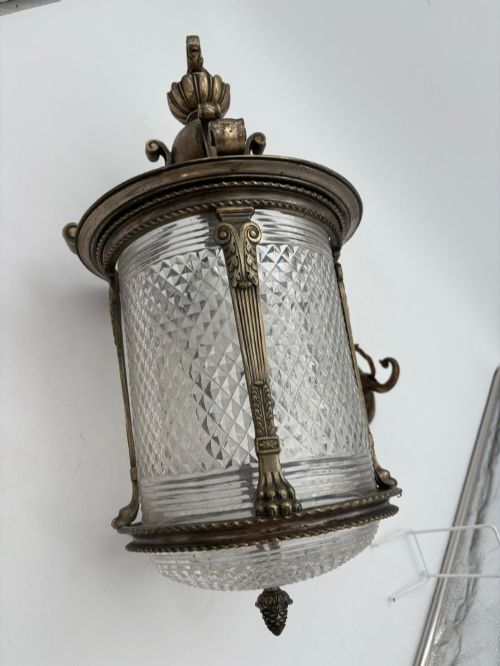
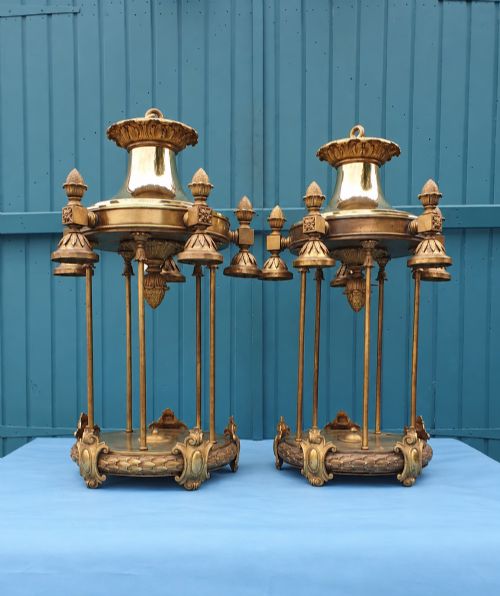
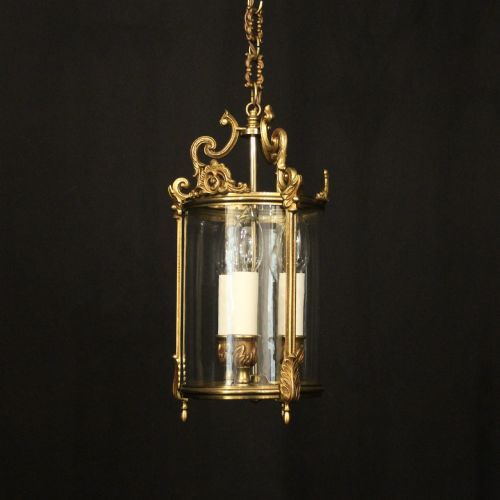
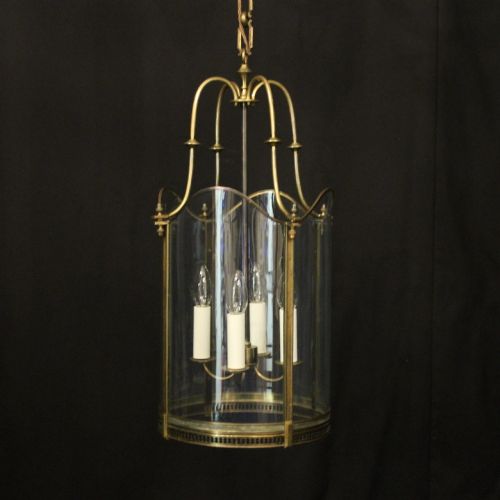
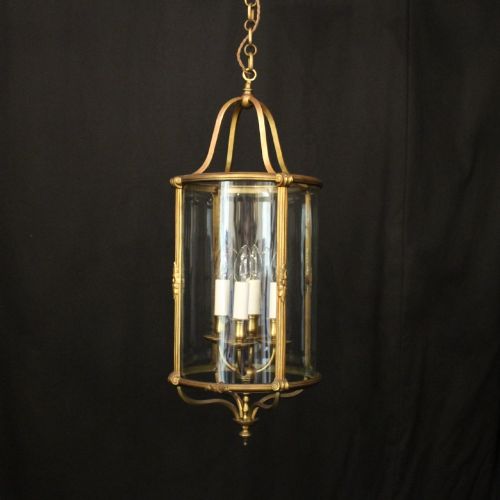
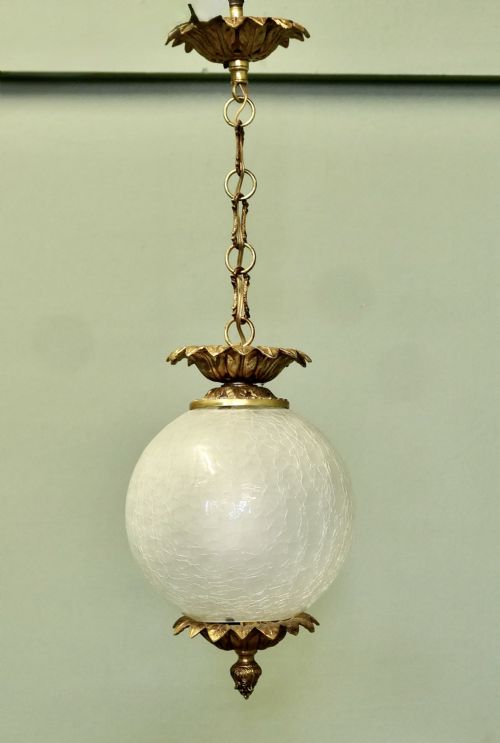
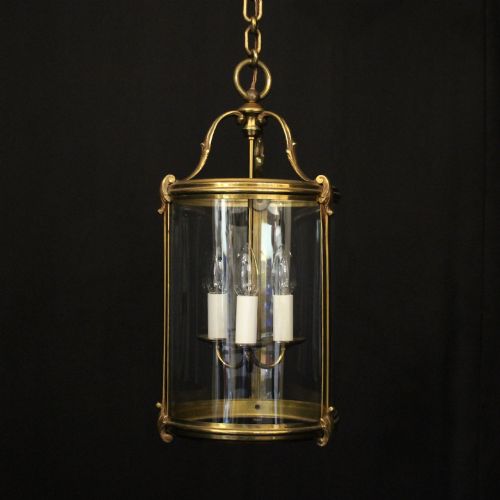
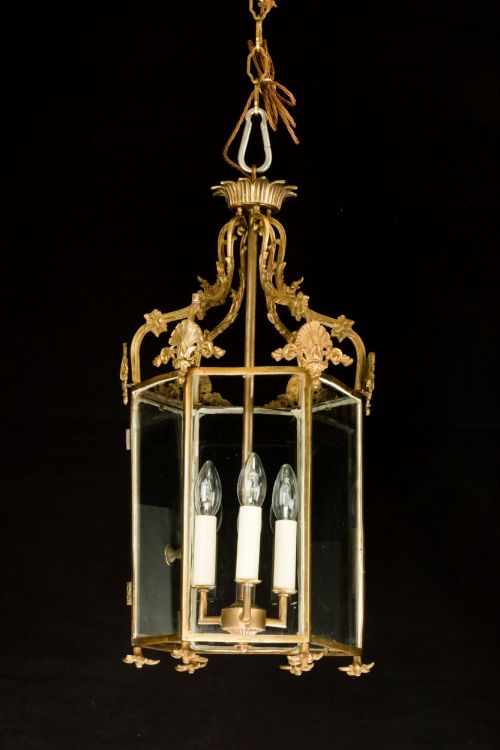
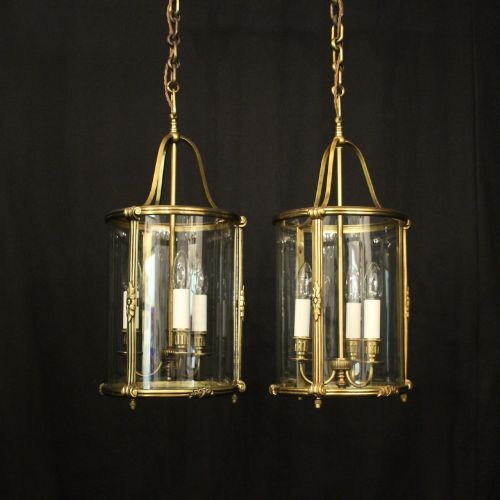
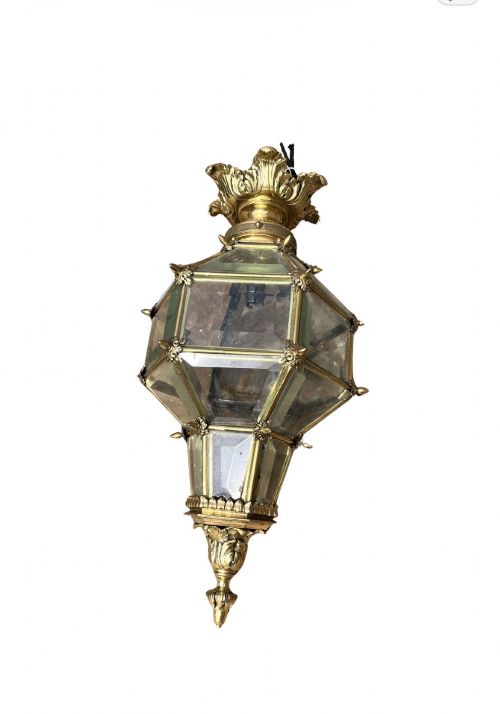
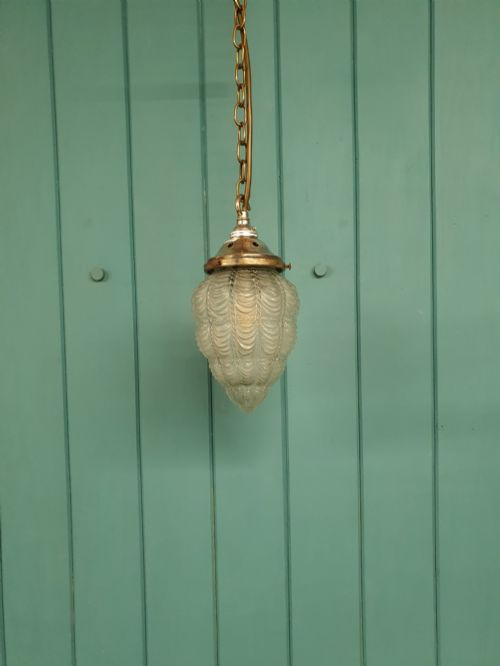
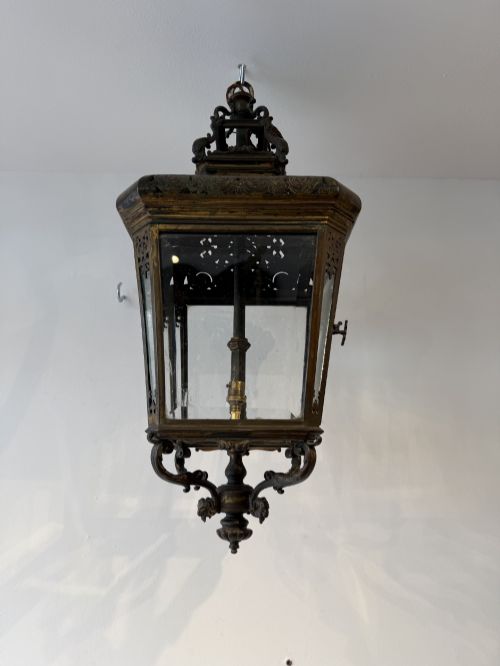
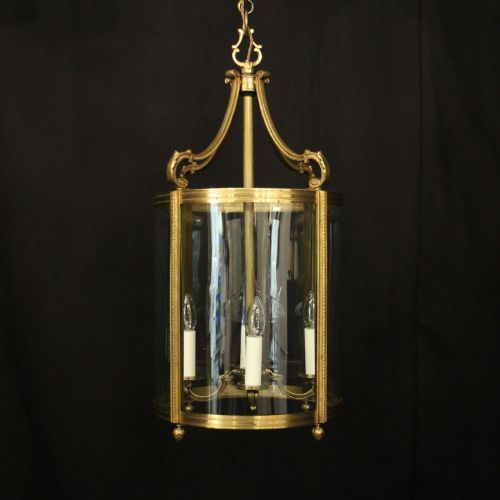
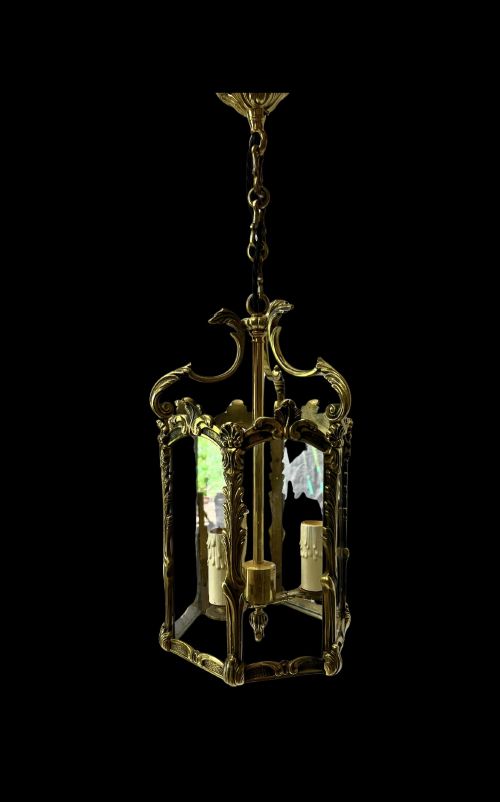
When you search for a french lantern fixture, you encounter suspended ceiling lights primarily configured as hall lanterns, pendant lights, and chandeliers. These pieces date from the Victorian era, the nineteenth century, and through the early twentieth century up to 1930.
The selections on this page draw from distinct design movements including French Rococo, French Neoclassical, Art Deco, and the French Chateau style. Hall lanterns with convex glass and multi-light internal fittings dominate the forms currently available.
How they were made
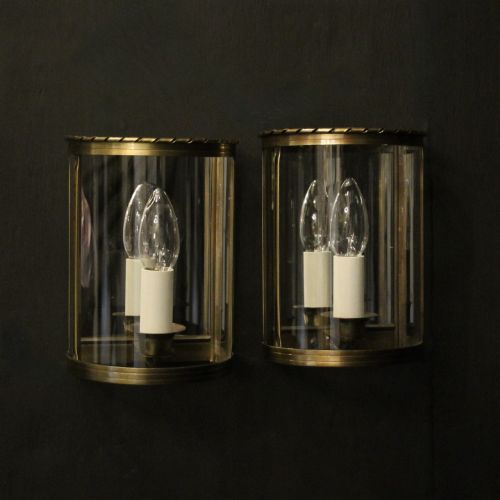
The framework of a french lantern fixture typically relies on cast or forged metals, utilising brass, gilt bronze, gilded bronze, steel, and wrought iron. Structural rigidity combines with decorative metalwork to support the weight of the metal frame and glass panels.
Glazing takes the form of clear, convex, or opaline glass, sometimes accompanied by cut glass prisms and coloured crystal details. Surface treatments range from gold leaf gilding to polychrome paint on toleware.
French Lantern Fixture Retail Price Guide 2026
Typical asking prices for french lantern fixture among the pieces listed under this phrase on Sellingantiques today, from the lower quarter to the upper quarter. They describe what is for sale here now, not the wider market.
Materials recorded on this page include glass, brass, gilded bronze, steel, wrought iron, and toleware.
What varies in quality
Quality in a french lantern fixture rests upon the weight and crispness of the bronze or brass casting and the depth of the original gilding. Heavy gauge metalwork and substantial cast ornaments distinguish finer examples from lighter commercial production.
The integration of glass components also dictates grade, particularly where convex glass panels or intricate cut crystals require precise hand-fitting into the metal armature. Scale plays a role, with oversized and very large lanterns demanding complex engineering to remain stable.
Perry & Co
The French Lantern Fixture Glossary
- Convex glass
- Curved glass panels that project outward to diffuse light and provide a wider angle of illumination. This shape appears frequently on hall lanterns from the early twentieth century.
- Gilded bronze
- Bronze metal that has been coated with a thin layer of gold leaf or powder. This finish yields a warm, reflective surface that endures across the centuries.
- Toleware
- Painted or lacquered sheet metal items produced in decorative styles. Polychrome variants add colour through hand-painted floral or geometric motifs.
- Hall lantern
- A ceiling-hung lighting fixture designed specifically for narrow corridors, vestibules, and entrance halls. They often feature protective glass enclosures around multiple internal bulbs.
- Prism chandelier
- A hanging light fixture embellished with cut glass pendants that refract light into spectral colours. These add significant sparkle to formal interior spaces.
French Lantern Fixture: Frequently Asked Questions
Where should I hang a french lantern fixture?
These fixtures suit entrance halls, stairwells, and high-ceilinged reception rooms where their hanging profile commands attention. Their enclosed design protects the light source while casting an even glow across surrounding walls.
Ensure your ceiling height allows adequate clearance beneath the lowest point of the lantern, particularly in high-traffic corridors.
How do I identify the period of a lantern?
Dating relies upon stylistic cues such as the geometric lines of Art Deco pieces versus the ornate curves of French Rococo or Empire designs. Material choices, from heavy wrought iron to refined gilt bronze, also point toward specific decades between 1860 and 1930.
Examining construction joints and fixings helps confirm whether a piece belongs to the Victorian era or the early twentieth century.
Are these lanterns wired for modern electricity?
Many examples arrive ready for contemporary electrical systems, sometimes noting recent rewiring in their specifications. Others retain older configurations that benefit from professional safety checks before installation.
Consult a qualified electrician to integrate vintage metal fixtures safely into your household circuit.