

French Hall Lighting
French hall lighting brings distinct continental character to an entranceway, offering striking illumination and historic craftsmanship that anchors a period interior.
French Hall Lighting
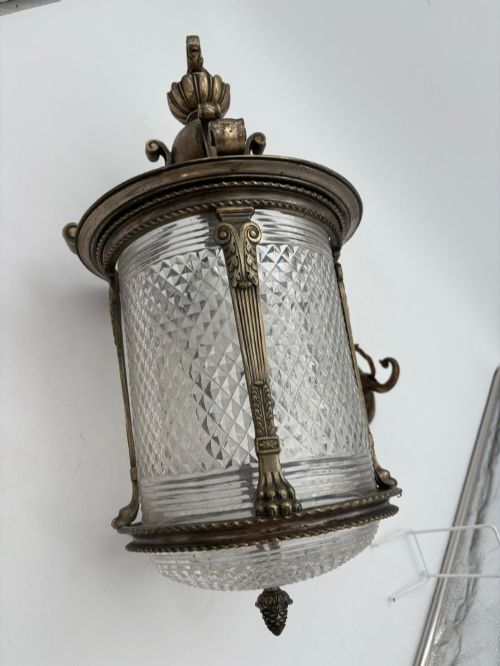
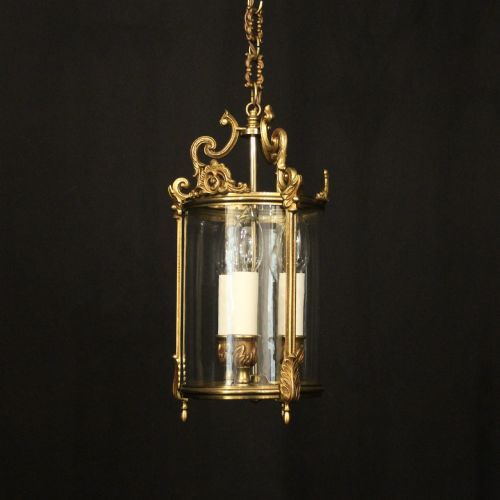
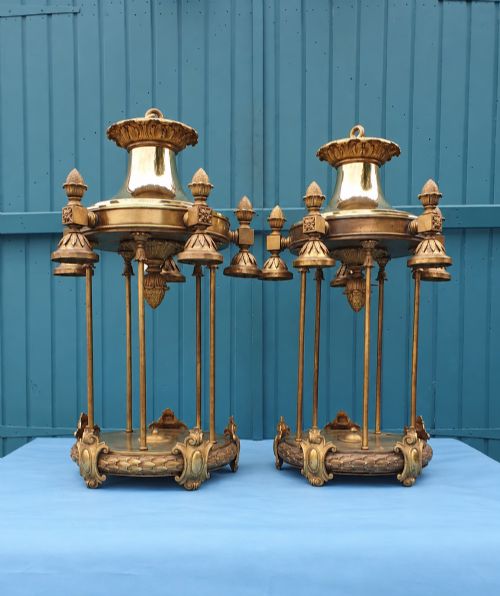
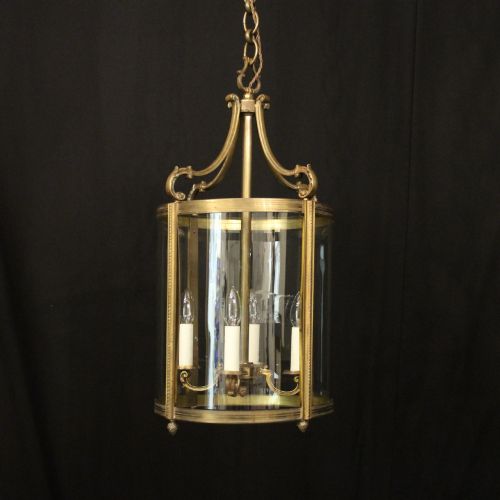
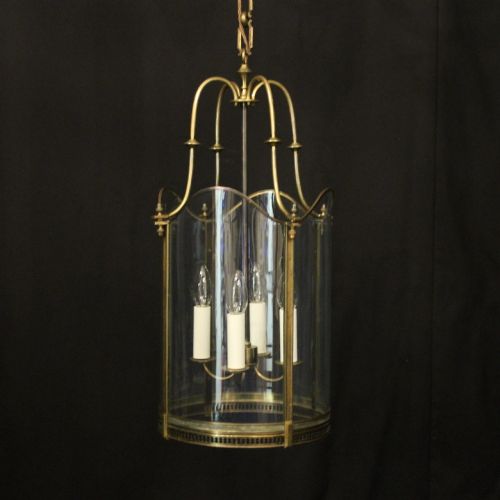
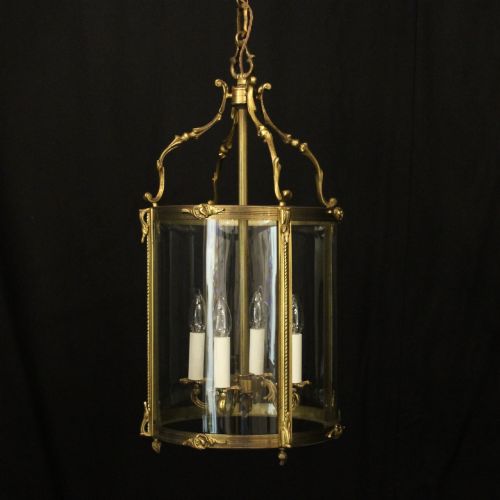
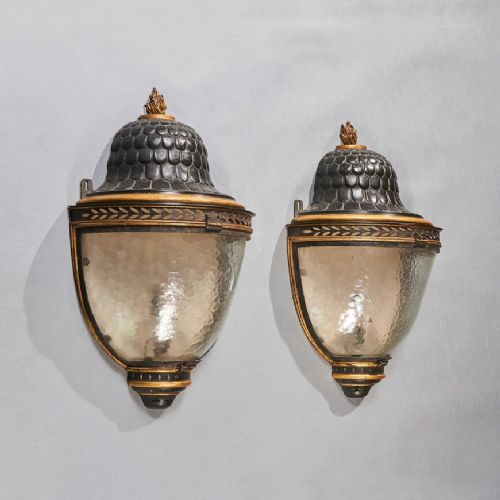
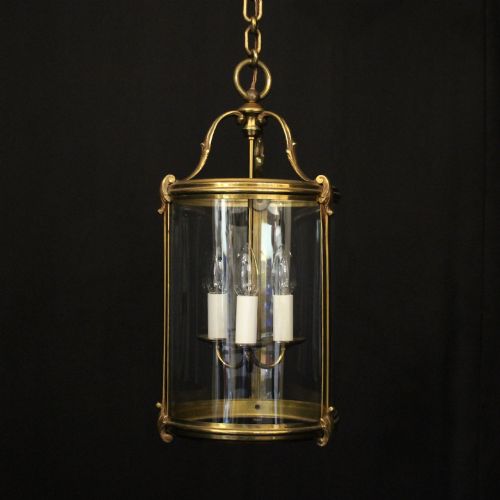
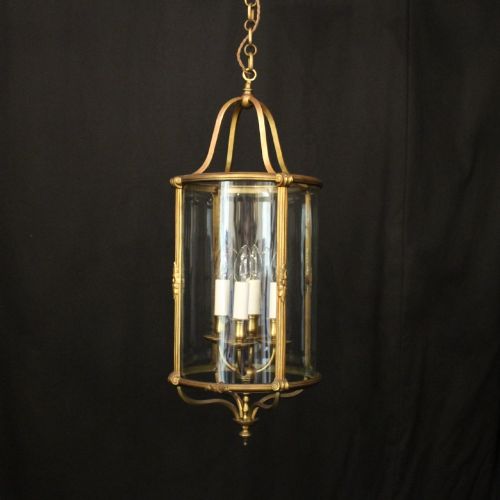
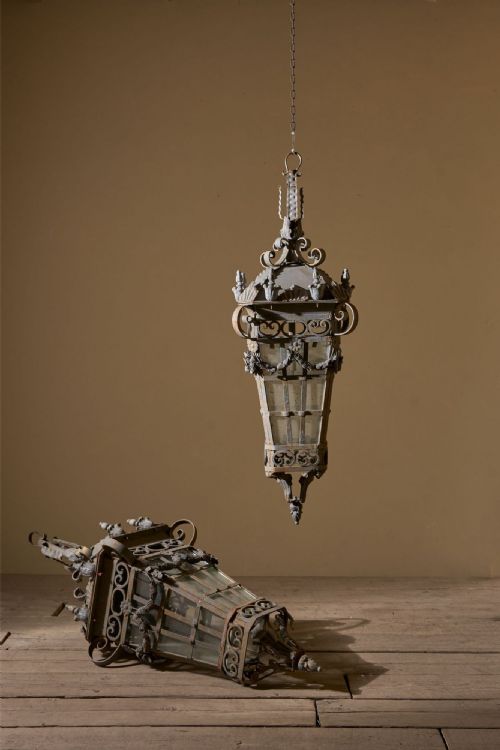
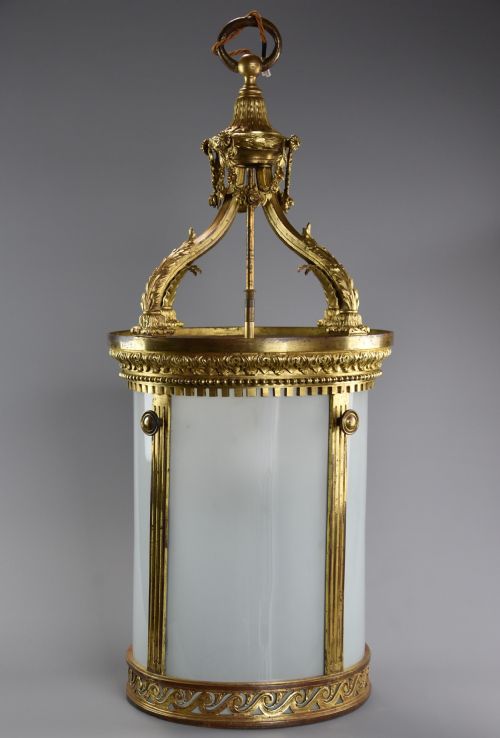
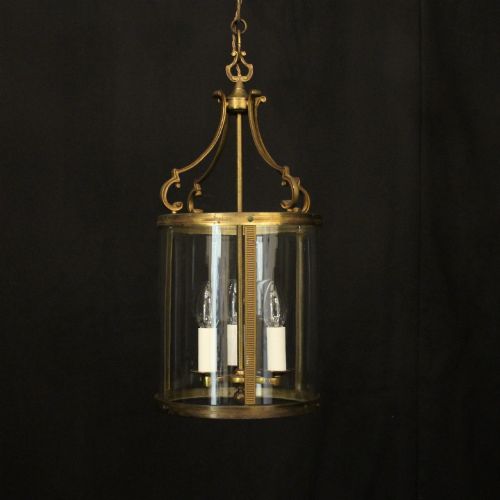
The pieces span from the early nineteenth century through to the 1930s, incorporating styles such as French Rococo, Neo-Classical, and Gothic Revival. You meet large gilded bronze specimens alongside simpler brass, iron, and glass configurations.
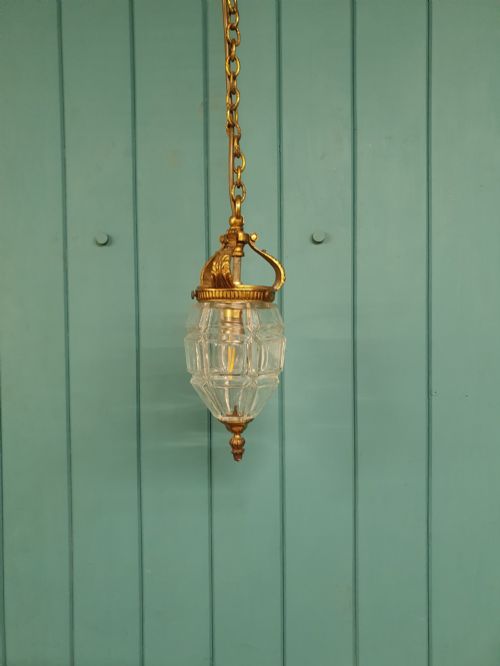
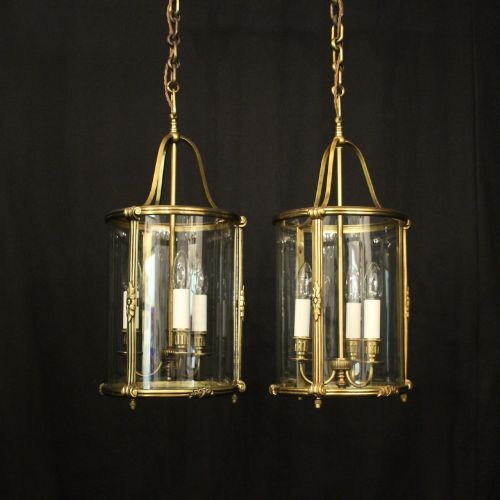
Many examples utilise convex or bevelled glass panels to refract light across entrance halls, corridors, and landings. These fixtures balance functional brightness with decorative presence, suiting properties that embrace historic European design.
Materials and Construction
Makers utilised cast and chased bronze, brass, and gilded metals to form the structural framework of these lanterns, often applying rich gilt finishes to catch the ambient light. Wrought iron and zinc appear in utilitarian or arts and crafts interpretations, providing robust support for heavy glass panels.
French Hall Lighting Retail Price Guide 2026
Typical asking prices for french hall lighting among the pieces listed under this phrase on Sellingantiques today, from the lower quarter to the upper quarter. They describe what is for sale here now, not the wider market.
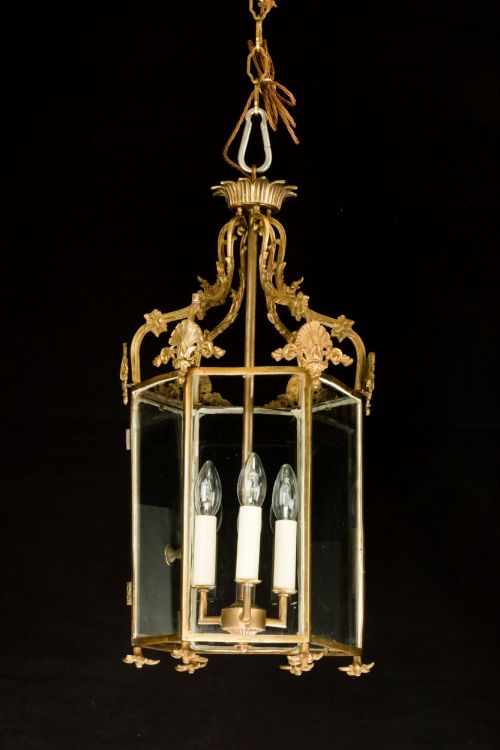
Several lanterns feature functional doors, reminding us that someone once had to open the glass to tend a flickering candle.
Assessing Quality and Execution
Quality reveals itself in the weight and crispness of the metalwork, particularly in how finely the bronze or brass is chased and gilded. Superior lanterns exhibit deep relief in their cast ornamentation and feature thick, bevelled glass rather than thin, flat panes.
The sophistication of the internal light arrangement also differentiates standard utility pieces from exceptional commissions. Multi-light fittings with integrated glass bowls or convex panels demand greater technical skill from the metalworker.
The French Hall Lighting Glossary
- Convex glass
- Curved glass panels that project outward, designed to disperse light more widely across a hallway.
- Gilt bronze
- Bronze that has been coated with a layer of gold leaf or mercury gilt, providing a luminous finish.
- Console table
- A wall-mounted or heavily bracketed table designed to sit flat against a hallway wall beneath a mirror or lantern.
- Tole peinte
- Painted sheet metal, often used to create decorative lanterns and decorative fixtures in nineteenth-century schemes.
- Bevelled glass
- Glass panes with angled edges cut around the perimeter, catching light and creating prismatic reflections.
French Hall Lighting: Frequently Asked Questions
What rooms suit french hall lighting?
These fixtures are proportioned for entrance halls, vestibules, corridors, and stairwells where overhead illumination sets the tone for the home.
Their substantial drop and decorative metalwork make them well-suited to high ceilings and period properties requiring a strong architectural focal point.
How do I determine the period?
Dating relies on observing the interplay of materials, casting techniques, and stylistic markers such as Rococo scrolls or Neo-Classical symmetry.
Earlier nineteenth-century examples often display heavier hand-chased bronze work, whilst 1920s and 1930s pieces lean towards cleaner lines and specific glass mouldings.
Were these lanterns always electrified?
Most surviving lanterns from the nineteenth century were originally designed for candles or oil before being adapted for modern electrical wiring.
Later twentieth-century iterations were constructed to accommodate electrical components from their creation.
How do I hang a heavy lantern?
Suspension requires professional assessment of ceiling joists and weight loads, particularly for substantial bronze and glass fixtures.
Matching the drop of the chain to the ceiling height ensures the lantern sits correctly within the sightlines of the hallway.