



French Glass Trinket
These french glass trinket pieces are dressing table containers and decorative dishes that bring delicate texture and period charm to a room.
French Glass Trinket
A french glass trinket selection typically comprises lidded boxes, powder jars, dressing table vessels and decorative dishes designed for small valuables and cosmetics. The versions most commonly encountered on this page date from the nineteenth century through the art deco era, encompassing Victorian sensibilities and modernist shapes.
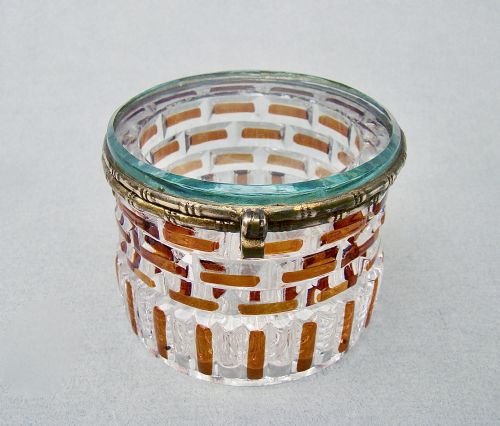
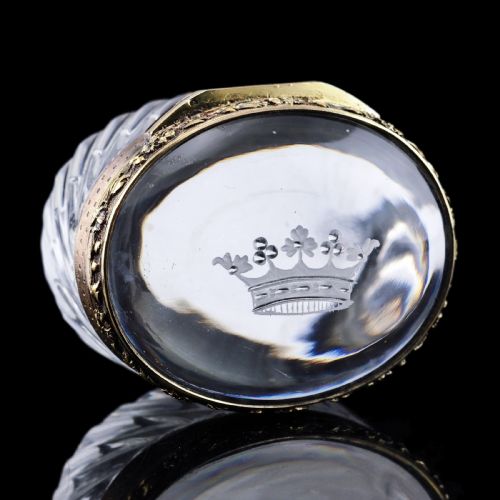
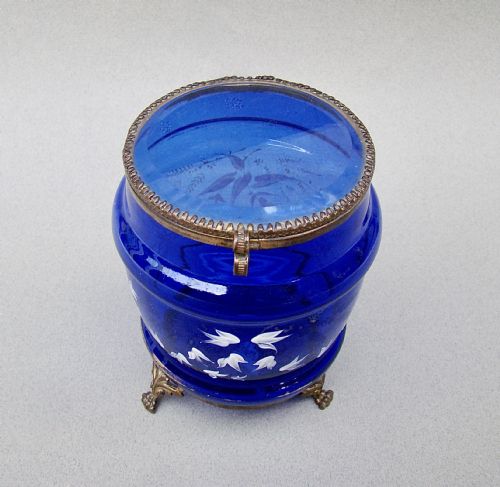
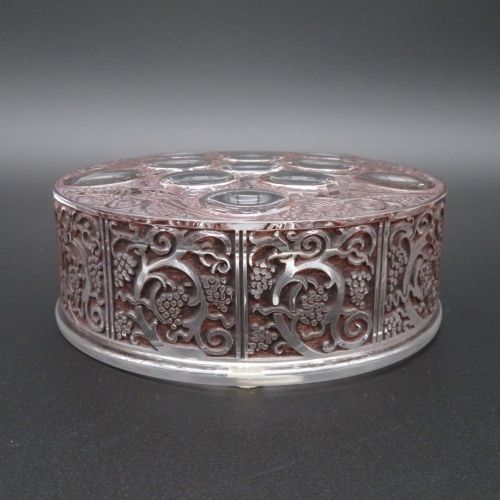
Makers housed their glass within brass, ormolu, gilt bronze and silver mounts to create sturdy caskets and display pieces. Formats range from circular powder boxes and ashtrays to scalloped shell dishes and architectural caskets.
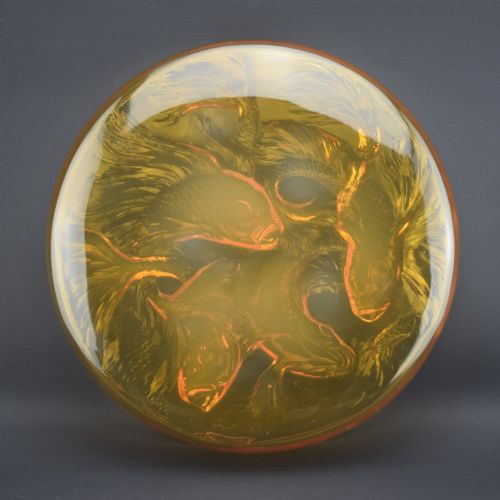
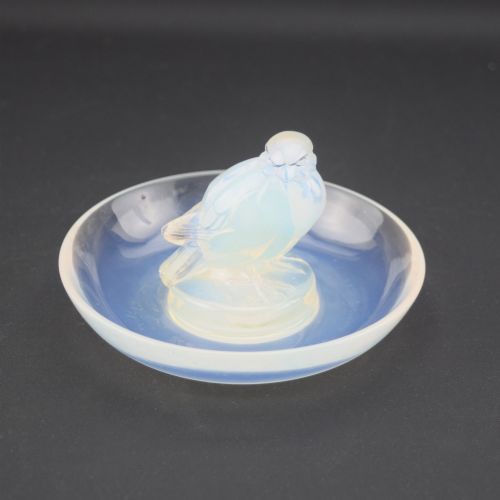
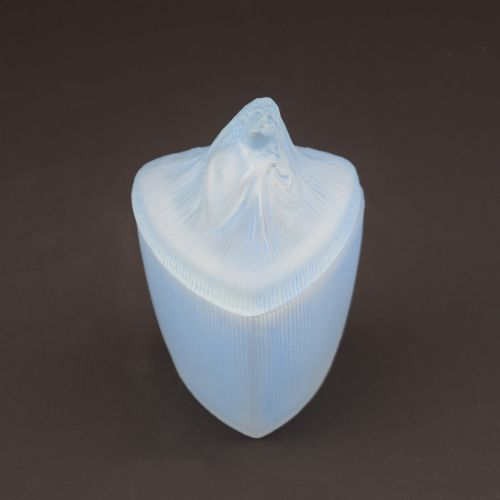
The objects serve both a utilitarian purpose on dressing tables and a decorative function within display cabinets. Collectors encounter distinct variations in colour, from amber and Bristol blue to opalescent and frosted finishes.
How they were made
Glass is blown, pressed or cut to form the body of each box or dish, utilising techniques that produce clear crystal, frosted surfaces or dense opalescent effects. Enamel decoration is frequently applied to the glass body by hand.
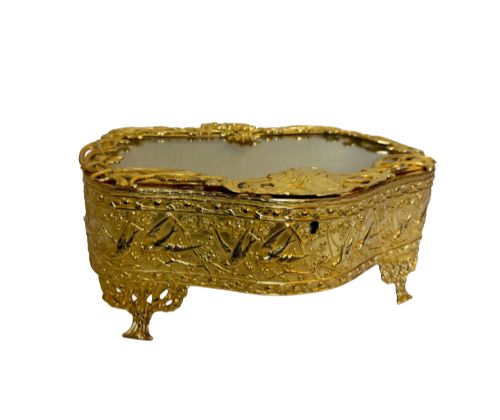
Metal mounts in ormolu, brass, gilt bronze and silver frame the glass components. These metal elements are cast and chased to secure the glass securely while adding ornamental borders, hinges and clasps.
French Glass Trinket Retail Price Guide 2026
Typical asking prices for french glass trinket among the pieces listed under this phrase on Sellingantiques today, from the lower quarter to the upper quarter. They describe what is for sale here now, not the wider market.
Listings feature periods spanning from the Victorian era and 1860s through to the 1930s art deco period.
What varies in quality
Quality rests in the crispness of the glass moulding and the weight of the metal mounts. Finer pieces display precise cutting, clear details in frosted figures and heavy ormolu or gilt bronze frames that fit the glass without gaps.
Enamellery and gilding also distinguish standard production from superior examples. Hand-applied enamel work with distinct outlines and well-preserved gilt edges elevate the visual depth of the object.
Rene Lalique·Sabino·Baccarat
The French Glass Trinket Glossary
- Ormolu
- A gilded brass or bronze finish utilised for decorative mounts on nineteenth-century boxes. It provides a rich gold-coloured frame for the glass components.
- Opalescent glass
- Glass that displays milky, translucent hues with shifts of colour under changing light. It is characteristic of twentieth-century production.
- Bijouterie table
- A glass-topped display table designed to showcase small treasures and jewellery. These tables often feature brass or wood frames.
- Casket
- A box with a hinged lid intended for trinkets or valuables. These containers frequently combine glass panels with metal mounts.
- Enamel
- A glassy substance fused to the surface of glass or metal through firing. It creates coloured decorative patterns and motifs.
French Glass Trinket: Frequently Asked Questions
What were french glass trinket boxes used for?
These boxes held daily cosmetics, hair pins, rings and small personal valuables on nineteenth and early twentieth-century dressing tables. They kept delicate items protected while offering a decorative accent to the room.
Larger versions functioned as caskets or display receptacles in bedrooms and boudoirs. Their enclosed spaces preserved delicate items from dust and handling.
How do I distinguish art deco from nineteenth-century pieces?
Nineteenth-century examples frequently combine coloured glass with heavy ormolu, brass mounts and intricate enamel work. The styling leans towards ornate floral motifs, blue or amber glass and classical decorative elements.
Art deco pieces from the 1920s and 1930s favour frosted or opalescent glass with stylised figures, geometric lines and moulded signatures. The metal mounts are often minimal, allowing the glass form to dominate the design.
Can I use these items on a modern dressing table?
These boxes and dishes suit modern dressing tables for holding rings, earrings and small daily accessories. Their glass and metal construction adds texture and historical contrast to contemporary interiors.
Care should be taken with hinged lids and antique mounts during daily use. Placing them on a soft mat prevents scratching the glass base or the surface below.
What is opalescent glass?
Opalescent glass exhibits a milky, semi-translucent appearance that shifts in tone when caught by the light. Makers achieved this effect through specific chemical additives during the cooling process.
This material became prominent in twentieth-century decorative pieces and ashtrays, providing a glowing quality that complements moulded low-relief designs.