

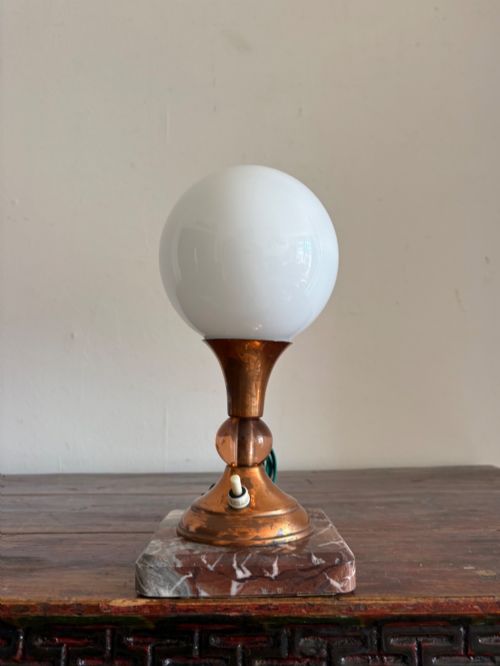


French Glass Globes
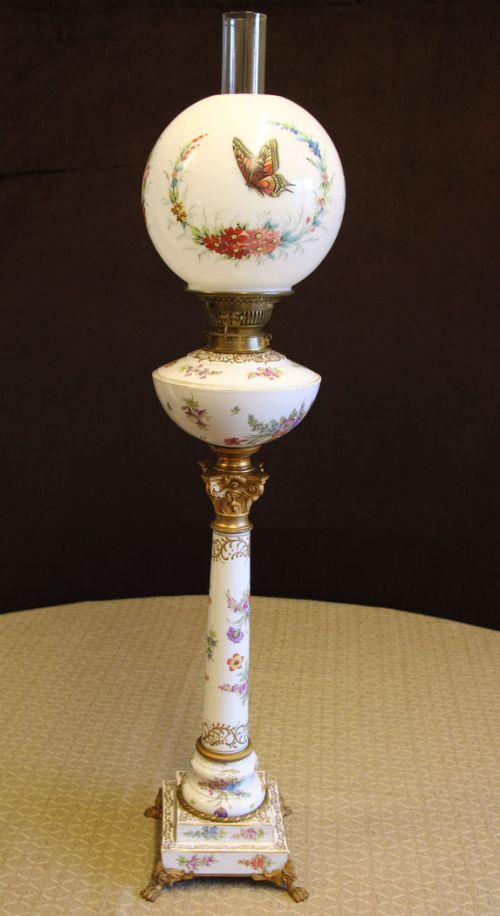
These French glass globes are decorative lighting fixtures and lamp shades that bring a distinct Continental elegance to a room.
French Glass Globes
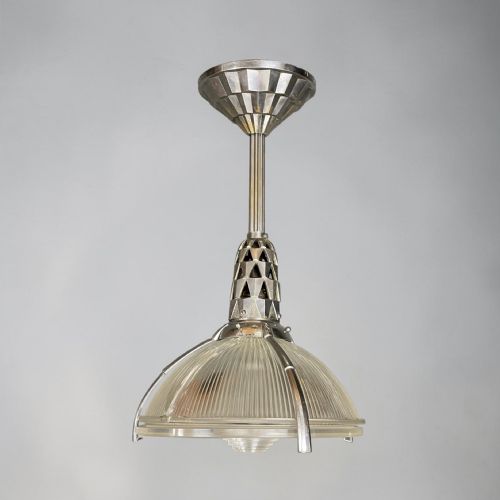
When you search for French glass globes, you are looking at pendant lights, ceiling fixtures, and globe-encased lamps that illuminate interiors with diffused warmth. The pieces available span the 19th century, the Victorian era, and the 1920 and 1930 decades, reflecting shifting aesthetic movements from ornate historicism to geometric modernism.
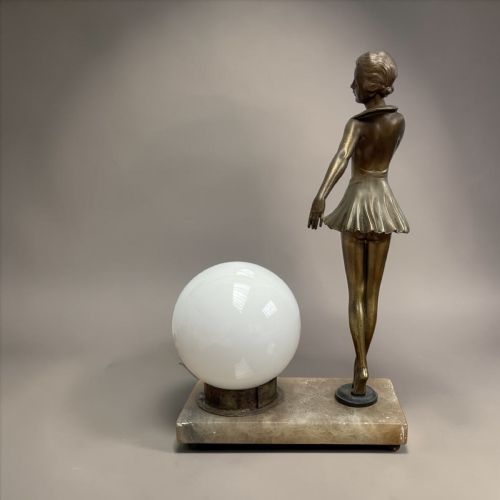
The most common forms you will encounter on this page belong to the Art Deco period, alongside Victorian and Napoleon III styles. These globes appear both as hanging ceiling lighting and as components of table lamps, night lights, and clock garniture sets.
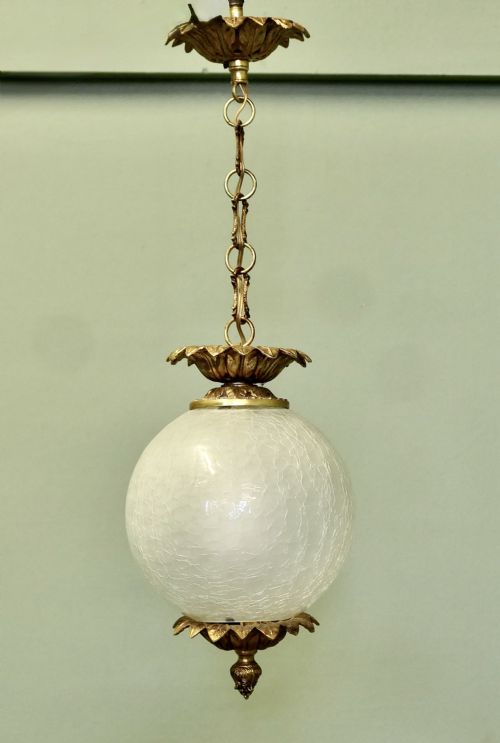
Materials associated with these items extend beyond simple glass to include frosted glass, opaline glass, and crackle glass, often paired with marble, bronze, spelter, and brass bases. The manufacturing origins trace directly to French workshops and designers working across various early twentieth-century styles.
How they were made
Makers shaped the glass elements through blowing and moulding techniques, frequently employing etching or acid treatment to achieve frosted and opaline finishes. Crackle glass effects required deliberate thermal shock during production to create the characteristic internal web of fractures.
Metal mounts, figures, and bases combined bronze, brass, copper, and spelter, often utilising marble as a heavy supporting plinth. Foundry work and metal spinning provided the structural fittings that secured the delicate glass globes and shades.
French Glass Globes Retail Price Guide 2026
Typical asking prices for french glass globes among the pieces listed under this phrase on Sellingantiques today, from the lower quarter to the upper quarter. They describe what is for sale here now, not the wider market.
Several night lights on this page feature sculptural greyhounds, Alsatians, and Accordion-playing Pierrots guarding the glow.
What varies in quality
Quality rests in the weight and clarity of the glass, the depth of the etching, and the casting detail of accompanying metal figures such as greyhounds, birds, and human subjects. Superior pieces display crisp definition in bronze or spelter components rather than soft, indistinct moulding.
The integration between the glass globe and its mounting hardware distinguishes standard production from finer examples. Heavier marble bases and robust bronze frameworks indicate a higher grade of manufacture compared to lighter substitute metals.
Émile-Jacques Ruhlmann·Perry & Co
The French Glass Globes Glossary
- Opaline glass
- A milky, semi-translucent glass developed in the nineteenth century that diffuses light softly. It appears frequently in period lighting and night light shades.
- Spelter
- A zinc alloy commonly used as a cost-effective substitute for bronze in decorative figures and lamp bases during the art deco era. It accepts various patinations to resemble heavier metals.
- Garniture set
- A matching set of decorative objects, typically comprising a clock flanked by matching vases or candelabra, sometimes housed beneath glass domes.
- Frosted glass
- Glass treated by acid-etching or sandblasting to create a textured, non-reflective surface that softens direct illumination.
French Glass Globes: Frequently Asked Questions
What are French glass globes?
French glass globes are decorative lighting elements and enclosed shades originating from France during the nineteenth and early twentieth centuries. They are typically encountered as pendant lights, ceiling fixtures, or components of decorative table lamps.
These items utilise glass types such as opaline and frosted variants to soften light, often supported by bases of marble, bronze, or brass.
How do I identify Art Deco pieces?
Art Deco pieces from the 1920 and 1930 periods feature stylised geometric forms, streamlined silhouettes, and motifs such as stylised animals or human figures. The metalwork often combines bronze or spelter with marble plinths.
Glass elements from this era tend towards frosted, mottled, or opaline finishes rather than ornate Victorian decoration.
Where were these lights used?
These fixtures served as primary ceiling illumination in period homes, or as ambient table lamps and night lights in sitting rooms and bedrooms. Smaller globe setups often functioned as decorative mood lighting.
Clock garniture sets with glass domes were traditionally displayed on mantelpieces as centrepieces of interior decoration.
How do I clean opaline glass?
Opaline glass requires gentle cleaning with lukewarm water and a mild detergent to preserve the delicate surface finish. Avoid harsh abrasive cleaners that can damage the translucent quality of the material.
Metal components should be dusted carefully with a soft cloth, keeping moisture away from antique patinated surfaces.