


French Glass Cupboard
A french glass cupboard brings refined display space to a room, showcasing collections behind glazed doors with distinct continental flair.
French Glass Cupboard
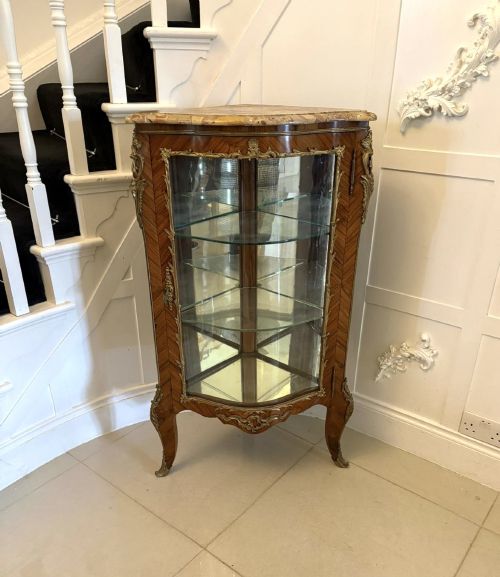
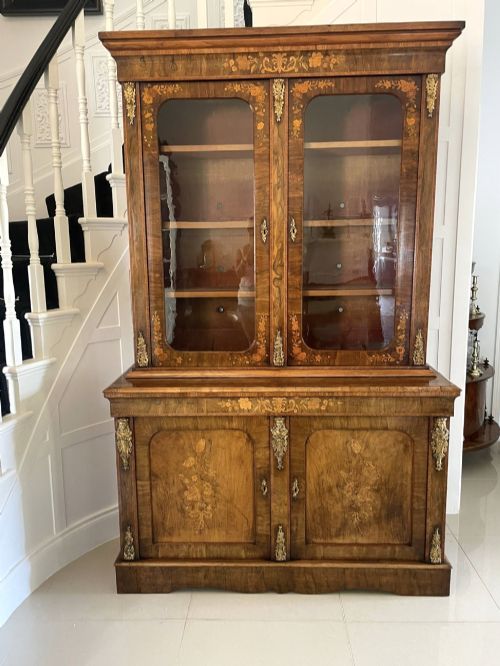
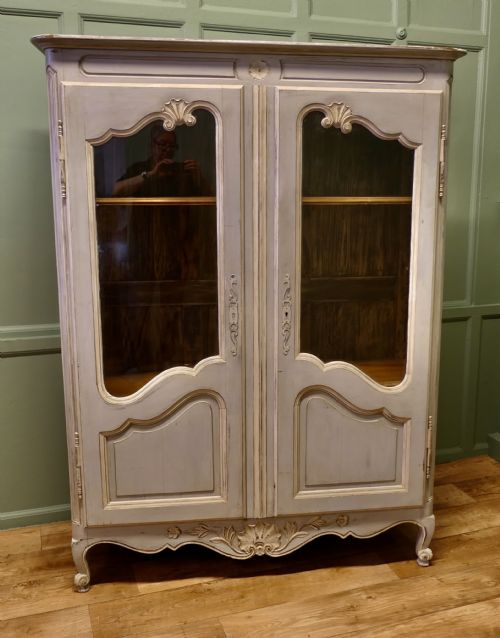
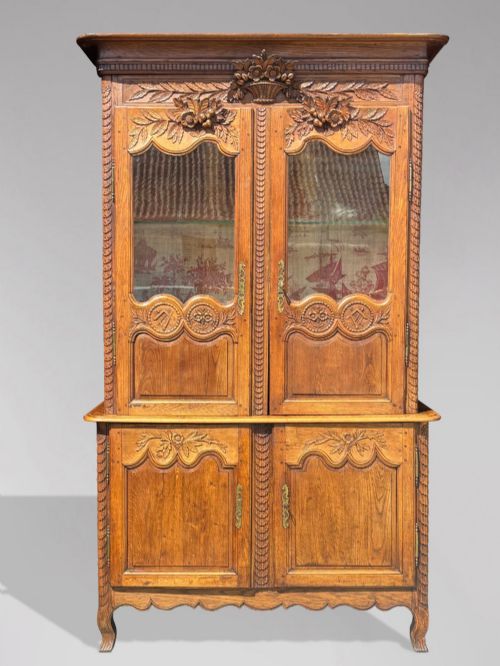
A french glass cupboard bridges the gap between functional storage and decorative display, serving as a prominent focal point in a reception room or study. Buyers exploring this category encounter various interpretations, from serpentine corner display cabinets and painted double door vitrines to substantial bookcases and credenzas.
The pieces originating from continental workshops share floor-standing or wall-hanging formats designed to exhibit porcelain, books, or curated objects. Walnut, kingwood, and oak provide the primary structural foundation for these glazed storage items across the nineteenth and early twentieth centuries.
Victorian adaptations and revival movements heavily influence the selection, bringing Louis XV and Rococo aesthetics into British and French domestic interiors. The surviving examples range from petite pier cabinets to towering double-body buffets fitted with glass panels.
Materials and construction
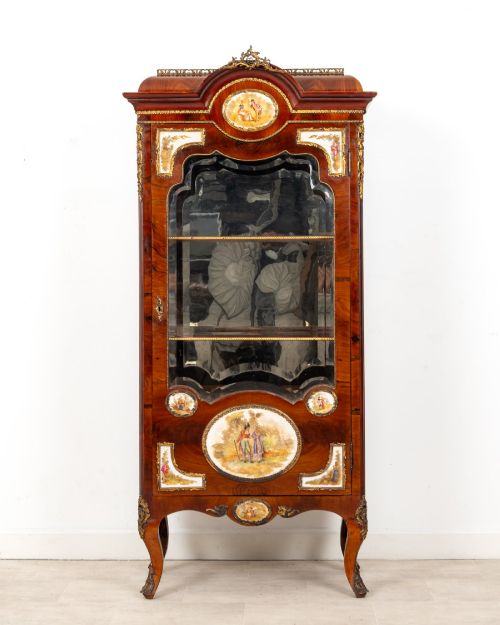
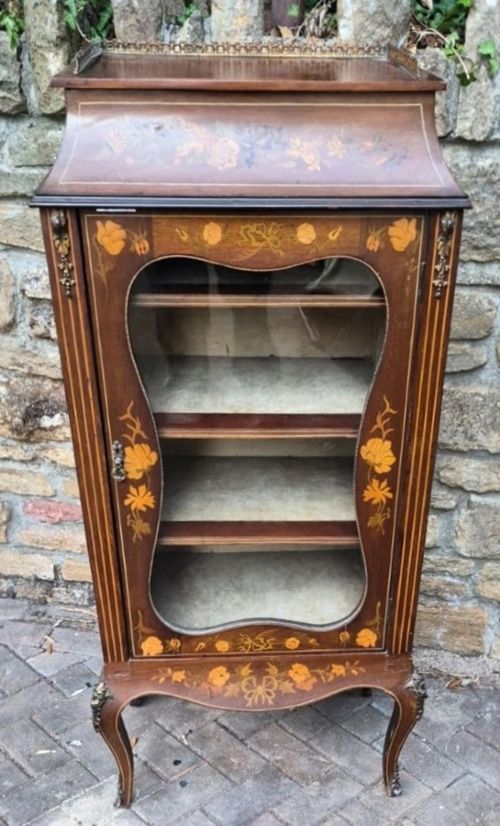
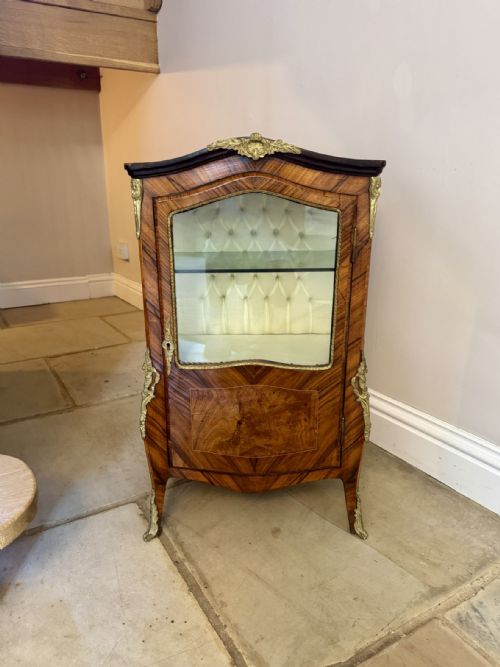
Cabinet makers utilised dense hardwoods including walnut, kingwood, and mahogany as the structural carcass, frequently applying intricate marquetry inlays and burr veneers to visible surfaces. Ormolu mounts in cast brass add decorative border details around glass panels and door frames.
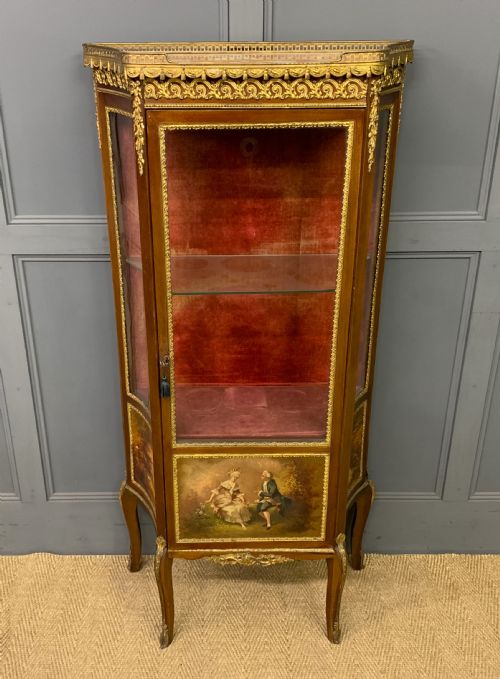
Glazing forms the essential functional component of every french glass cupboard, paired occasionally with painted panels executed in the Vernis Martin tradition. Marble tops appear frequently on nineteenth-century pieces, providing a solid stone surface above the main display compartment.
Listings feature pieces spanning the nineteenth century through the 1920s, constructed primarily in walnut, kingwood, and oak with glass and ormolu.
Assessing craftsmanship
Quality separates routine domestic storage from exceptional pieces through the precision of the marquetry inlay and the casting clarity of the ormolu mounts. Finer cabinets display meticulous matching of wood grains, particularly in burr walnut and kingwood veneers.
The structural integration of glass doors, brass hardware, and fitted interior shelving demonstrates the level of workshop competence. Original glass panes, stable marble tops, and intact painted panels indicate superior preservation and higher initial manufacture standards.
The French Glass Cupboard Glossary
- Vitrine
- A glass-fronted display cabinet designed specifically for showing porcelain and small decorative objects. These pieces rely heavily on glazed panels to maximise visibility from multiple angles.
- Ormolu
- Gilded bronze or brass mounts applied to furniture for decorative accentuation. Found bordering panels and corners on revival cabinets.
- Marquetry
- Decorative veneer work created by fitting pieces of different woods, metals, or shell into geometrical or pictorial patterns. Commonly seen on nineteenth-century walnut surfaces.
- Pier Cabinet
- A low, narrow cabinet designed to stand against the wall space between windows. These compact display units often feature glazed doors and velvet-lined interiors.
- Vernis Martin
- A type of simulated Japanese lacquer developed by the Martin brothers in eighteenth-century France. Applied to furniture panels with translucent varnish layers over painted scenes.
French Glass Cupboard: Frequently Asked Questions
Where should I place a display cabinet?
These cabinets suit dining rooms, drawing rooms, or hallways where natural light enhances the glazed display areas. Positioning them away from direct sunlight protects vulnerable wood veneers and interior fabrics.
Ensure the floor surface is level to prevent distortion of the glass doors and wooden framework over time.
How do I clean wooden surfaces?
Dust regularly with a soft, dry cloth following the direction of the wood grain. Avoid silicone-based polishes that build up residue on marquetry and veneers.
Treat ormolu mounts with care using a dry brush, avoiding metal cleaners that might damage adjacent timber or glass.
Are the shelves adjustable?
Many nineteenth and early twentieth-century cabinets feature fixed wooden shelves integrated into the structural carcass. Some later or revival pieces incorporate adjustable wooden or glass shelf supports.
Review individual item descriptions to confirm shelf configuration before planning the display of taller objects.
How do I identify a revival style?
Revival pieces borrow decorative motifs from earlier periods, such as Louis XV curves or Rococo asymmetry, executed with nineteenth-century manufacturing techniques. Look at the interior construction and secondary woods to determine the actual manufacturing era.
Cabinet hardware and internal joinery methods often provide clear indicators of Victorian or Edwardian production dates.