
French Glass Chandelier Light
A french glass chandelier light brings luminous warmth and decorative grandeur to a room, drawing the eye upwards with sparkling crystal drops and gleaming metal frames.
French Glass Chandelier Light
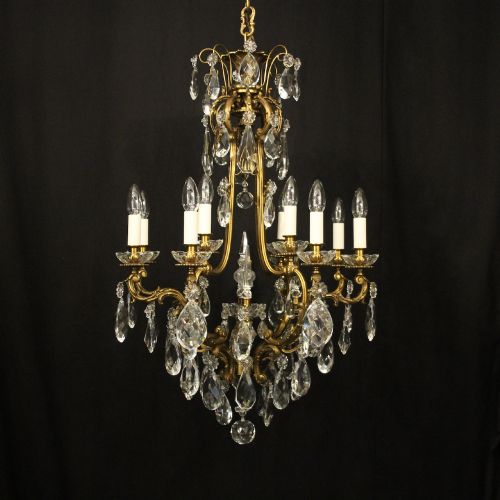
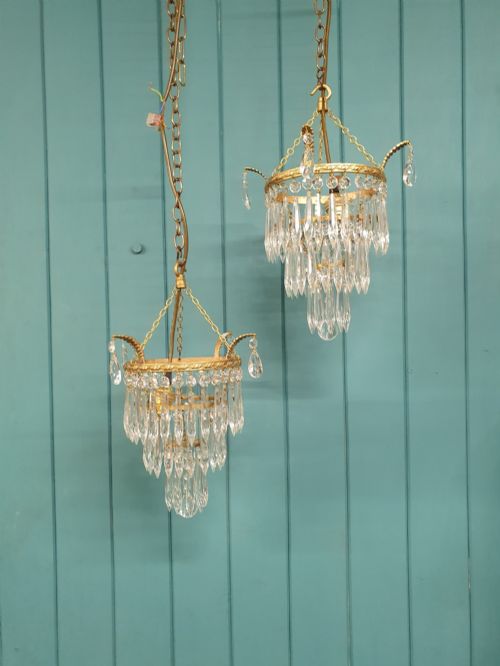
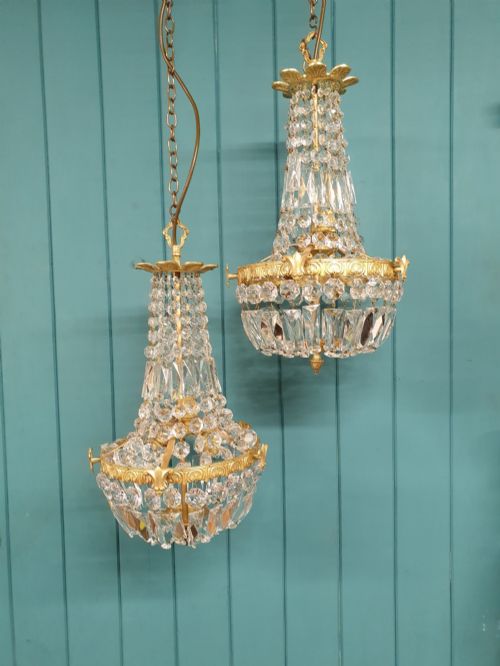
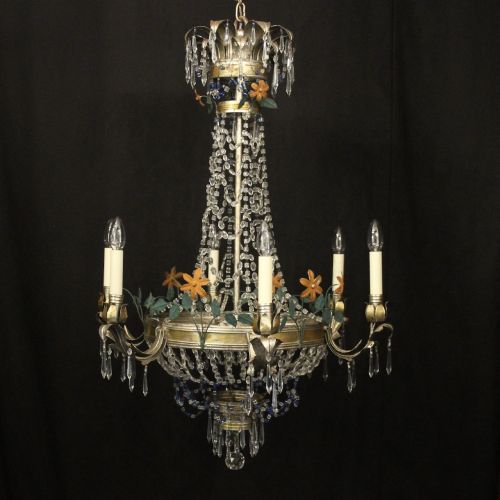
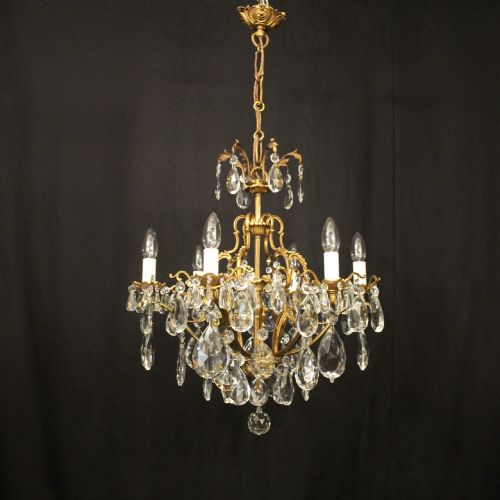
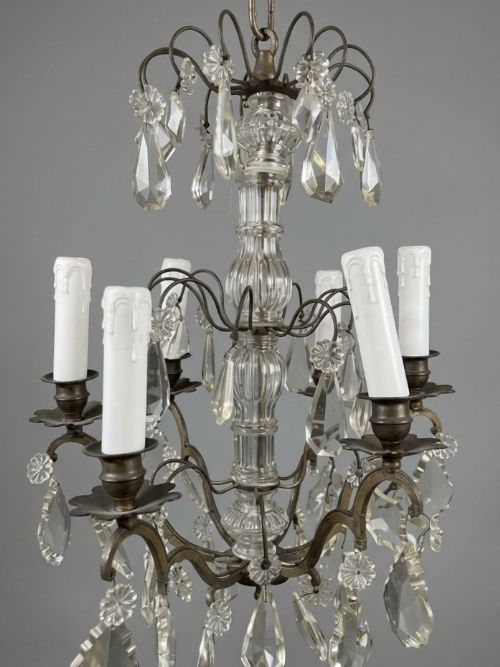
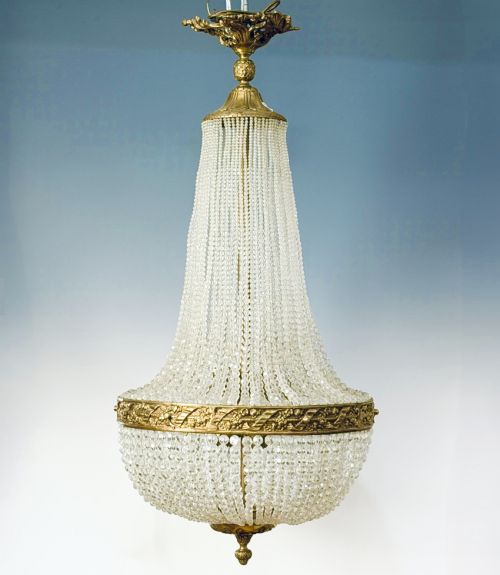
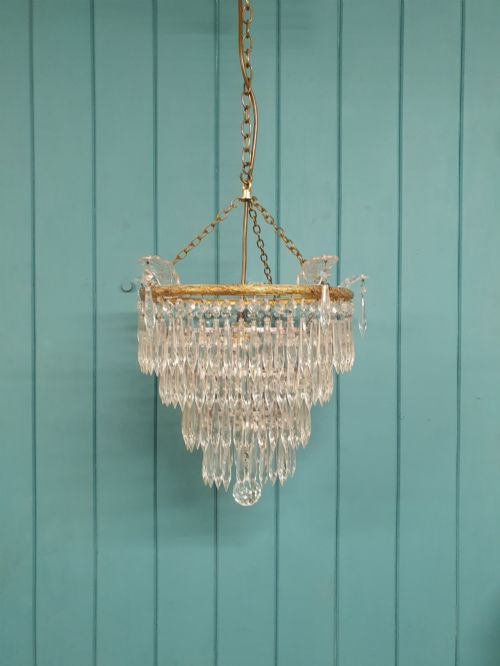
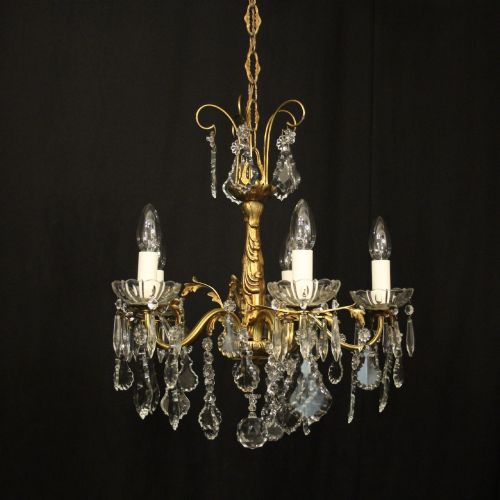
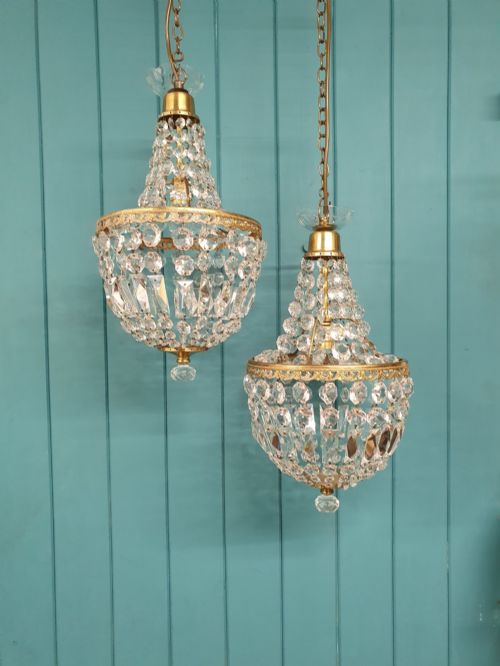
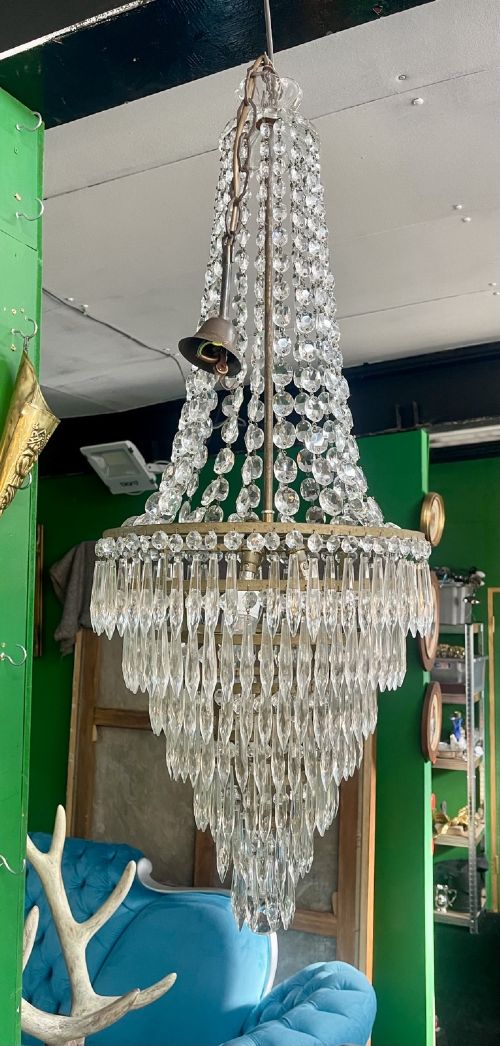
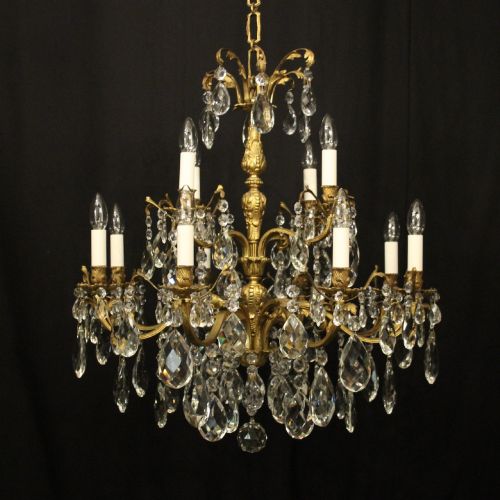
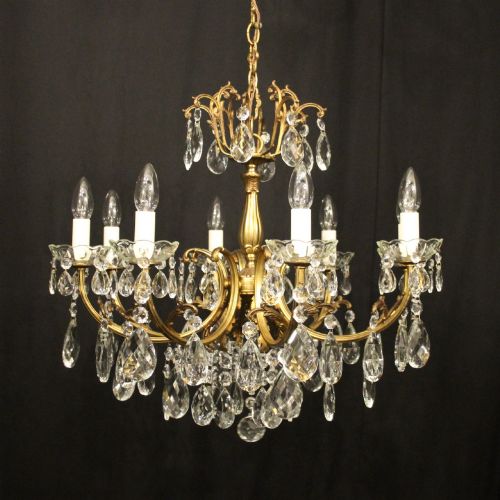
A french glass chandelier light spans varied forms such as multi-armed chandeliers, tent and waterfall styles, basket fixtures, and hall lanterns. These pieces illuminate spaces through suspended glass and metal structures rooted in historical European design.
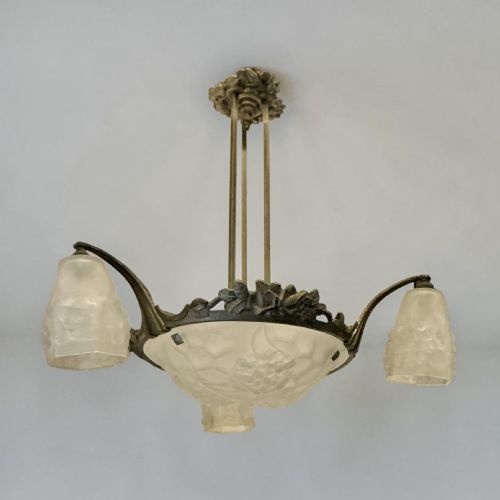
The selections visible here originate largely from the early twentieth century, alongside nineteenth-century and mid-century examples. Common stylistic influences include French Empire, Louis XV, Rococo, Neoclassical, and Art Deco traditions.
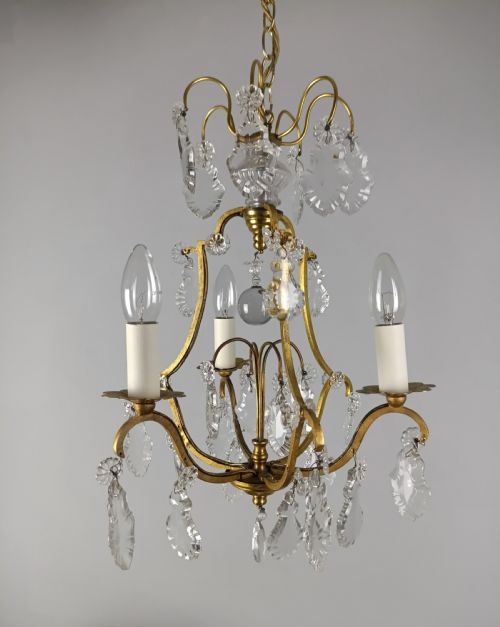
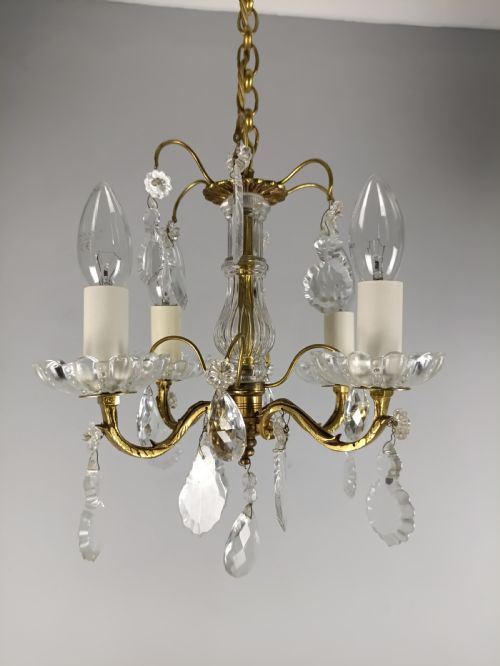
Buyers encounter everything from intimate single-light pendants and small spike chandeliers to grand ballroom fixtures boasting numerous lights. Each piece utilises glass or crystal elements combined with brass, bronze, or gilt metal frameworks.
How they were made
Makers constructed the structural frames of these lights using cast or wrought brass, bronze, and gilt metal, often finishing surfaces with gold gilding or silvering. These durable skeletons support the heavy glass components and house the electrical or candle-burning fittings.
Artisans formed the illuminating elements from cut glass, moulded crystal, and occasionally coloured glass such as pink or amethyst. Prisms, icicles, beads, and lustres were meticulously hand-wired to the metal frames to refract light across the room.
Listings span periods from the nineteenth century through the 1950s, featuring materials such as gilt bronze, cut glass, and brass.
What varies in quality
The refinement of the cast metalwork distinguishes superior examples, where chased details on gilt bronze or brass show crisp definition and depth. Lesser pieces rely on simpler, softer castings with less intricate ornamentation.
The clarity, cut, and weight of the glass components heavily influence the overall standard of a fixture. High-grade chandeliers utilise deeply cut crystal prisms that catch and scatter light effectively, whereas simpler items feature plain moulded glass.
Émile-Jacques Ruhlmann·Maison Jansen·Andre Arbus
The French Glass Chandelier Light Glossary
- Tent and waterfall
- A chandelier style featuring an upper canopy of strings of beads forming a tent shape, dropping down into a tiered waterfall of crystals.
- Hall lantern
- An enclosed hanging light, frequently glazed with glass panels and framed in brass or bronze, designed for corridors and entranceways.
- Lustre
- A cut glass pendant or drop hung from a chandelier to reflect and multiply the light emitted from the bulbs or candles.
- Spike chandelier
- A compact lighting fixture centred around a vertical metal spike from which radiating arms and crystal adornments are suspended.
French Glass Chandelier Light: Frequently Asked Questions
How do I hang a heavy chandelier?
Suspension requires fixing directly into the ceiling joists using a rated ceiling hook and bracket capable of supporting the combined weight of the metal frame and glass drops.
Professional electrical installation ensures the wiring safely handles the number of lights and complies with current building standards.
How do I clean a crystal chandelier?
Regular dusting with a soft feather duster prevents grime buildup on the glass prisms and metal arms. For a deeper clean, remove individual glass drops and wash them in warm soapy water before drying thoroughly.
Avoid spraying liquid cleaners directly onto the fixture to protect the metal gilding and internal wiring from moisture damage.
Where should I place a hall lantern?
These enclosed fixtures suit entryways, corridors, and high-ceilinged stairwells where their downward-directed illumination and glazed panels can be appreciated from multiple angles.
Ensure the hanging height allows adequate clearance for people walking underneath, particularly in narrow spaces.
How do I tell an Empire style apart from Rococo?
Empire style pieces exhibit classical symmetry, military motifs, and clean architectural lines inspired by antiquity. They often feature laurel wreaths, urns, and strict geometric arrangements.
By contrast, Rococo designs embrace asymmetry, flowing natural curves, C-scrolls, and exuberant floral ornamentation.