






French Gilt Metal Branch
French gilt metal branch lighting brings sculptural botanical form and warm metallic reflection into a room.
French Gilt Metal Branch
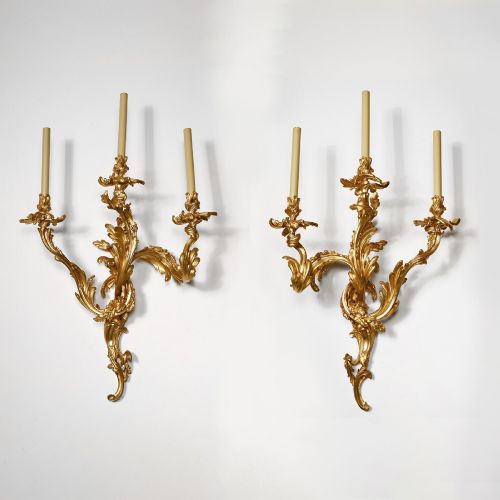
When you search for french gilt metal branch pieces, you are looking at decorative light fittings shaped to mimic natural foliage and tree limbs. These items appear across multiple periods, with nineteenth century and early twentieth century examples being the most common forms encountered on this page.
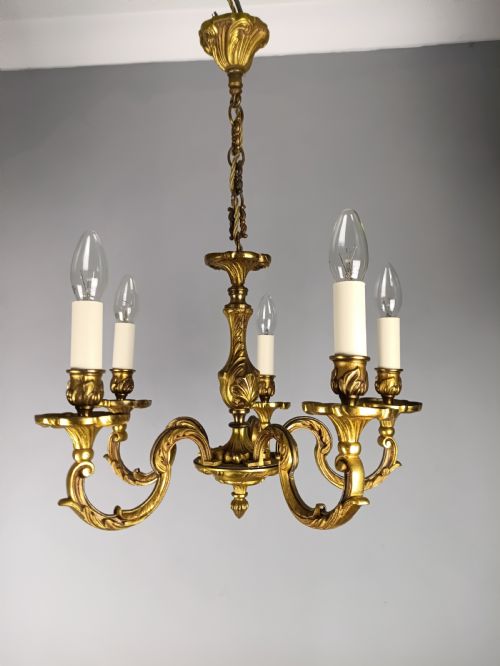
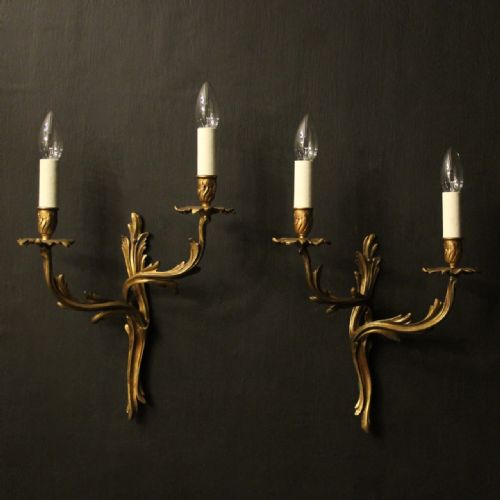
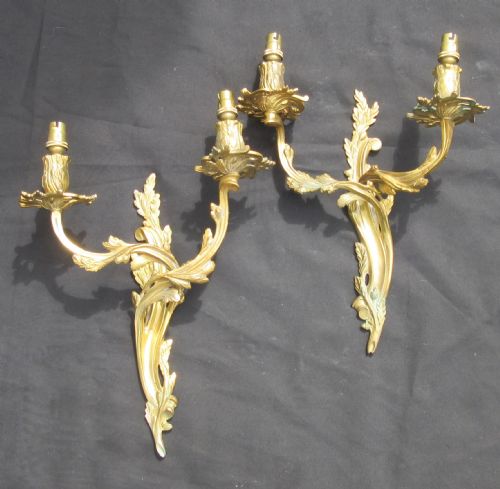
The selection ranges from small twin branch table lamps and wall sconces to large twelve light chandeliers and multi arm candelabra. Many pieces incorporate styles such as rococo revival, neoclassical, and French chateau, reflecting the organic and ornate design preferences of their eras.
Originating largely from French workshops, these items serve both functional illumination and decorative purposes. Buyers often encounter matching pairs of wall lights or substantial hanging chandeliers featuring branching arms adorned with leaves, flowers, or crystal drops.
Materials and construction
The construction of these pieces relies heavily on cast metals such as brass, bronze, and toleware, which are then gilded to provide a bright metallic finish. Ormolu, or gilt bronze, is frequently utilised for high end light fittings to achieve a deep and durable golden surface.
Many designs integrate additional decorative elements like cut glass crystal pendants, marble bases, and floral ceramic accents. Metal arms are shaped into curving branches, often holding candles or electrical fittings disguised as candle tubes.
French Gilt Metal Branch Retail Price Guide 2026
Typical asking prices for french gilt metal branch among the pieces listed under this phrase on Sellingantiques today, from the lower quarter to the upper quarter. They describe what is for sale here now, not the wider market.
Listings feature items spanning the eighteenth century through to the 1930s, utilising materials like gilt bronze, brass, toleware, and cut crystal.
Assessing quality
Quality in these gilt metal branch fittings is determined by the crispness of the casting and the depth of the chasing on the leaves and arms. Finer pieces display carefully hand finished details on natural motifs, whereas simpler items show softer edges from mass production.
The choice of materials also dictates the standard of the piece, with heavier ormolu and substantial cut crystal drops indicating superior craftsmanship compared to lighter gilded brass or plain metal alternatives.
The French Gilt Metal Branch Glossary
- Ormolu
- Gilt bronze produced by applying a finely ground high carat gold mercury amalgam to a bronze object. This historic technique creates a rich, enduring metallic lustre.
- Toleware
- Painted and lacquered sheet metal items often decorated with floral or polychrome motifs. It appears frequently on French chandeliers and decorative wall fittings.
- Candelabra
- A branched candlestick or holder designed to carry multiple tapers at once. These fixtures often form the basis for later electrified table lamps or wall sconces.
- Gasolier
- A light fixture originally designed to burn coal gas before widespread electrification. Surviving examples often retain converted burners adapted for modern bulbs.
French Gilt Metal Branch: Frequently Asked Questions
How do I clean gilt metal branch lights?
Dust these fittings gently with a soft, dry brush or microfibre cloth to protect the delicate gilded surfaces. Avoid abrasive polishes or harsh chemical cleaners that can strip away the historic gilt layer.
For glass or crystal components, you can use a mild soap solution on a damp cloth before drying thoroughly. Take care not to let moisture seep into any electrical fittings during cleaning.
Were these chandeliers originally wired for electricity?
Many nineteenth century and earlier examples started life as gasoliers or candle holders before being converted to electricity. Wiring was added later to make them suitable for modern homes.
When buying antique branch lighting, check the internal wiring status. Professional rewiring ensures the piece meets current safety standards while preserving the decorative metalwork.
How do I date French gilt metal branch pieces?
Dating relies on examining the casting techniques, mounting screws, and stylistic details such as rococo curves or neoclassical symmetry. Nineteenth century pieces often feature heavier bronze castings and hand cut crystal elements.
Later twentieth century examples may show simpler construction methods or standard electrical components. Comparing the overall weight and finish helps place the piece within its historical period.
Can I hang these heavy wall lights safely?
Substantial ormolu and bronze wall sconces require secure fixing into solid wall anchors or studs to support their weight. Because many pieces are cast in dense metal, proper structural support is essential.
Consult a qualified electrician or installer to assess the wall type before mounting large pairs of branch lights. They can ensure the bracket securely holds the weight of the metal arms.