

French Gilt Bracket
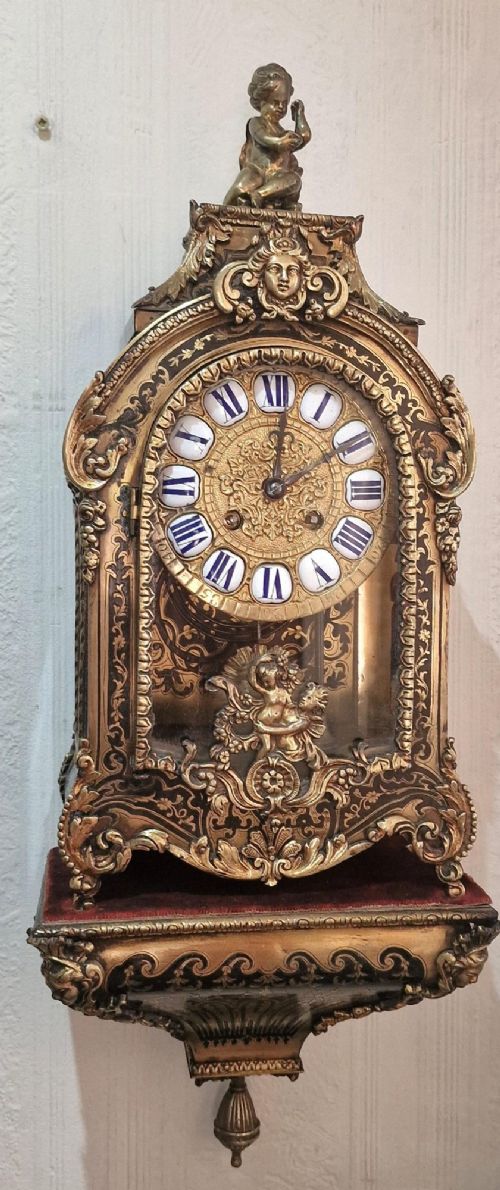
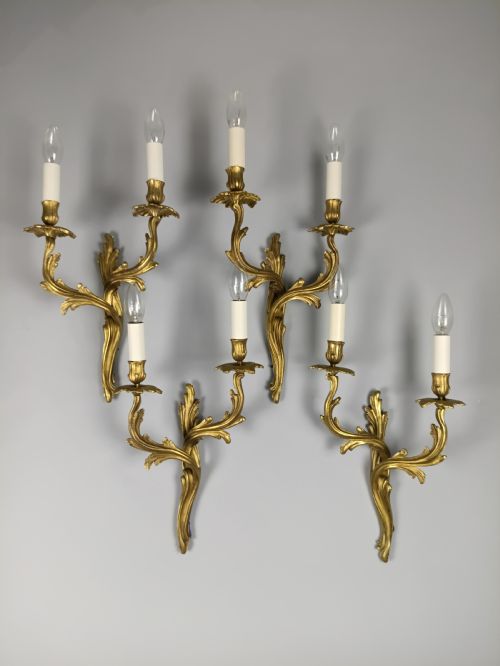
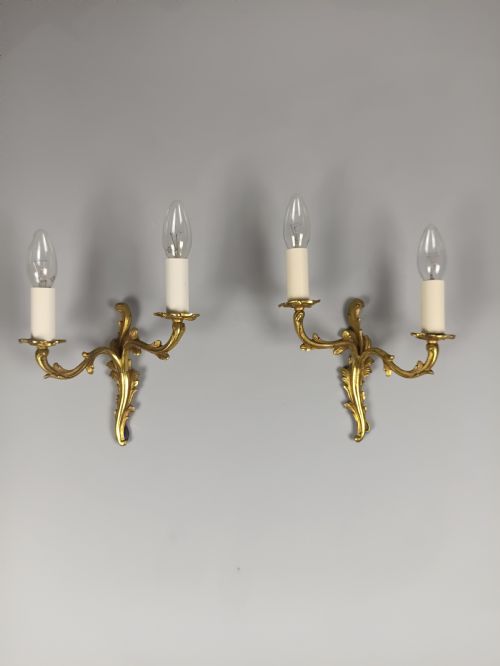
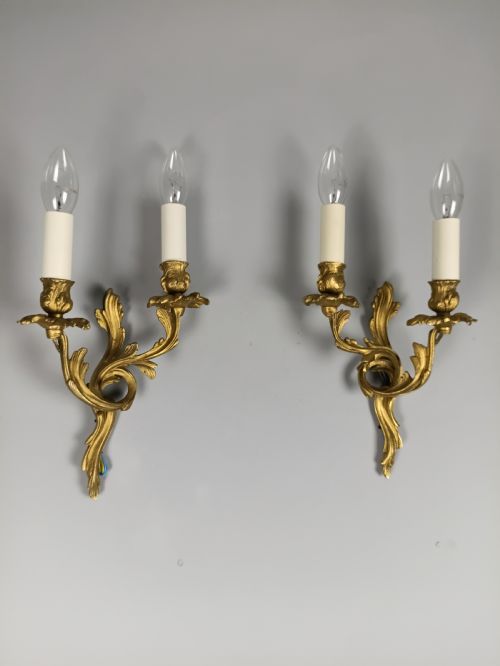
A french gilt bracket supports clocks, porcelain or bronze with the rich ornamentation of the eighteenth-century revival.
French Gilt Bracket
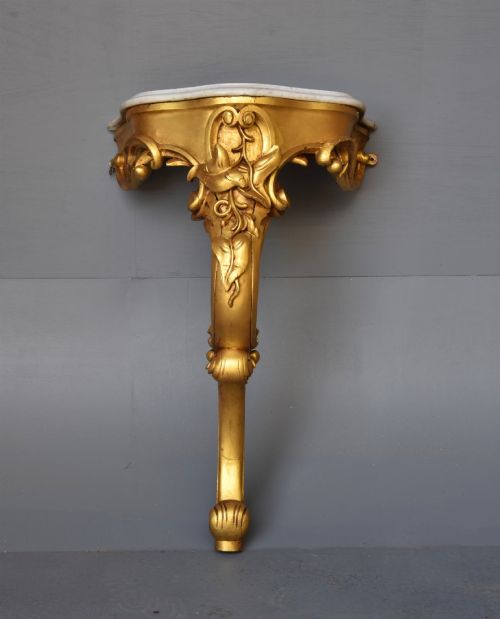
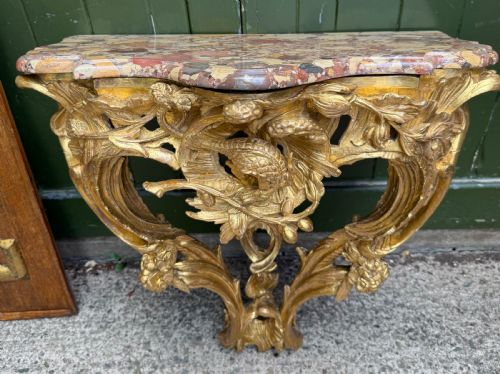
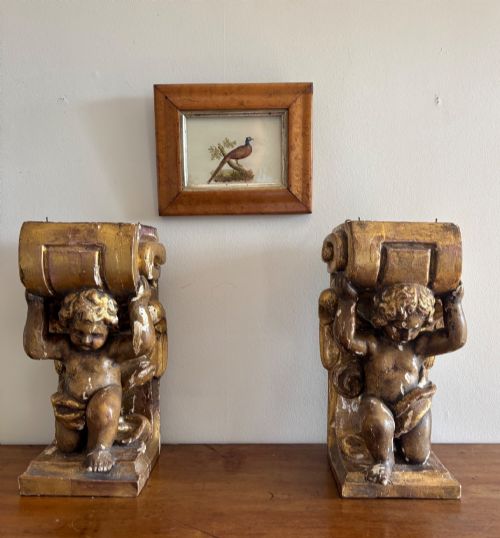
When you search for a french gilt bracket, you encounter wall shelves, console tables, and clock stands designed to project decorative objects into a room. These pieces range from small carved wooden wall brackets meant for corner display to larger console tables featuring figured marble tops.
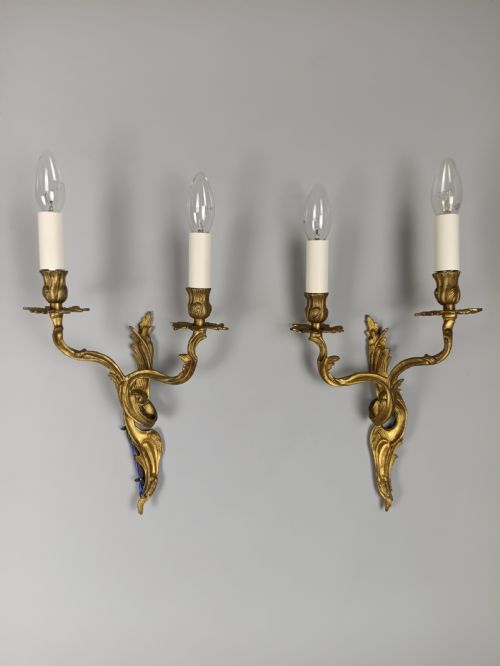
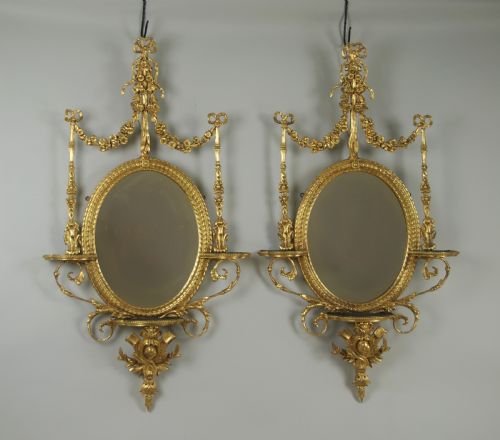
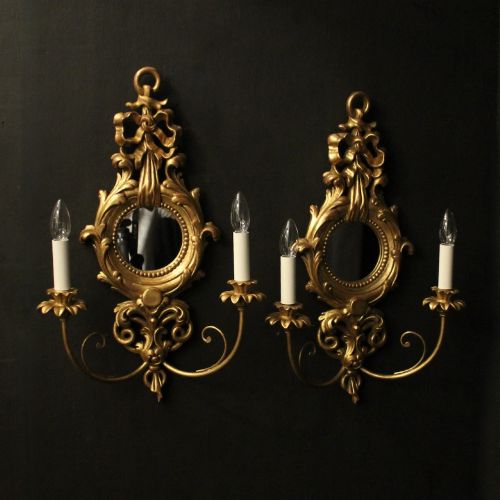
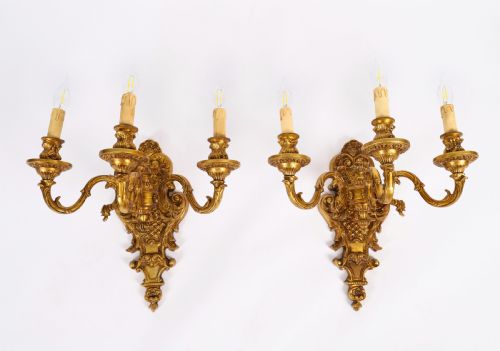
The selections on this page span the nineteenth century and the early twentieth century, drawing heavily on French Rococo and Louis XVI styles. You will frequently find carved giltwood, gilded brass, and ormolu mounts shaping the ornate profiles characteristic of these decorative supports.
How they were made
Carvers shaped timber such as pine or oak to form the wooden wall brackets and console tables, applying gesso to create smooth surfaces for subsequent gilding. Craftsmen then laid fine metal leaf over the prepared ground to achieve a bright golden finish.
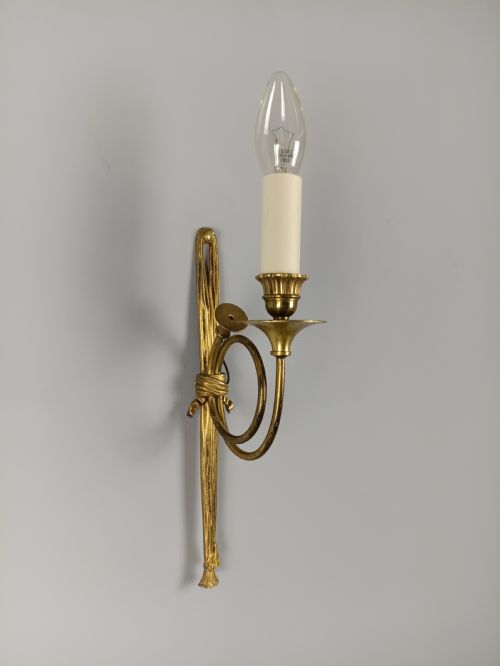
Foundry workers cast brass and bronze to produce ormolu mounts, wall lights, and clock cases, employing mercury gilding or electroplating. Artisans incorporated secondary materials like tortoiseshell, enamel dials, and breccia marble tops into the more elaborate clock brackets and console tables.
Materials span giltwood, tortoiseshell, ormolu, and breccia marble across various wall brackets and clocks.
What varies in quality
The depth and clarity of the carving distinguish finer wooden brackets from simpler moulded examples, as skilled hands create crisp acanthus leaves and scrolls rather than soft, indistinct contours. Metal castings show similar divergence, where sharp chisel work after casting separates superior ormolu mounts from flat, commercial reproductions.
The integrity of the original gilt surface dictates much of the visual success of each piece, with intact gold leaf holding greater authority than later overpainting. Furthermore, the selection of supporting materials - such as genuine tortoiseshell veneer or figured breccia marble - marks the distinction between standard production and higher-status commissions.
Henri Marc of Paris
The French Gilt Bracket Glossary
- Giltwood
- Wood that has been covered with thin gold leaf or powder over a prepared gesso base. This technique provides a luminous surface that catches candlelight and daylight alike.
- Ormolu
- Finely chased gilt bronze applied to furniture, clocks, and wall fixtures. The term derives from the French for milled gold.
- Gesso
- A plaster mixture applied to wood surfaces to prepare them for gilding or painting. It allows carvers to achieve sharp decorative details before the gold leaf is laid.
- Console table
- A table supported by wall brackets or console legs rather than four independent floor legs. These pieces often feature marble tops and sit flat against a wall.
- Boulle
- Marquetry technique utilising tortoiseshell and brass inlay developed in France. It frequently appears on nineteenth-century mantel clocks and matching wall brackets.
French Gilt Bracket: Frequently Asked Questions
How do I hang a wall bracket safely?
Heavy carved wooden and gilt bronze brackets require secure wall anchors suited to plaster or masonry rather than standard picture hooks. Ensure the fixing engages directly with a stud or uses heavy-duty wall plugs to bear the weight of the bracket and any displayed object.
Check that the backplate sits flush against the wall surface to prevent any forward tilting under load. Professional installation is advisable for large pieces holding heavy porcelain or bronze items.
How do I clean gilded surfaces?
Dust gilded wood and bronze gently with a dry, soft feather duster or a clean artist's paintbrush. Avoid water, modern chemical sprays, and abrasive cloths, as these substances can strip the delicate gold leaf or damage the underlying gesso.
If stubborn grime accumulates on ormolu mounts, consult a professional conservator rather than attempting chemical cleaning. Gentle maintenance preserves the historic patina of the metal and wood.
How do I identify Louis XVI style?
Louis XVI style pieces display a turn towards neoclassical symmetry, featuring straight lines, architectural proportions, and geometric motifs such as fluting and bead reels. This aesthetic contrasts sharply with the asymmetric curves of earlier Rococo designs.
Look for laurel wreaths, ribbons, and classical urn motifs cast in ormolu or carved into the wood. The overall silhouette prioritises restraint and balance over exuberant movement.