
French Gilded Overmantel Mirror
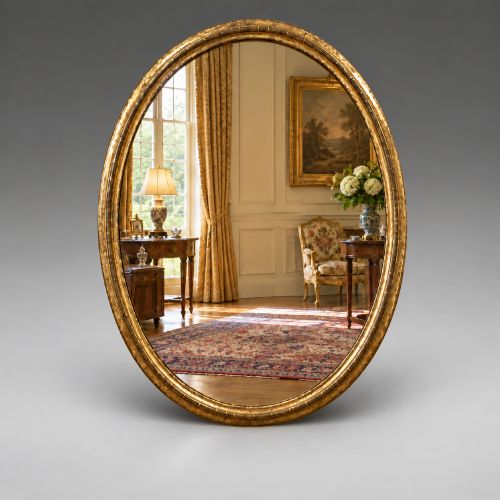
A french gilded overmantel mirror brings proportion, brightness and historic presence to a chimney breast, drawing light deep into a room.
French Gilded Overmantel Mirror
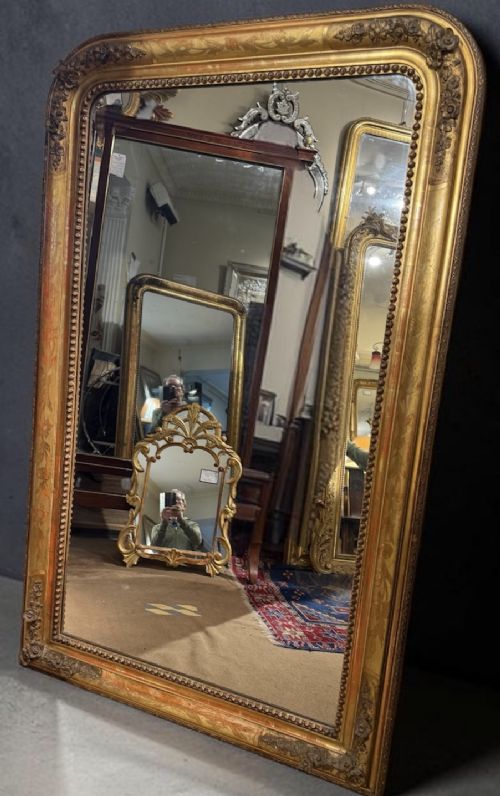
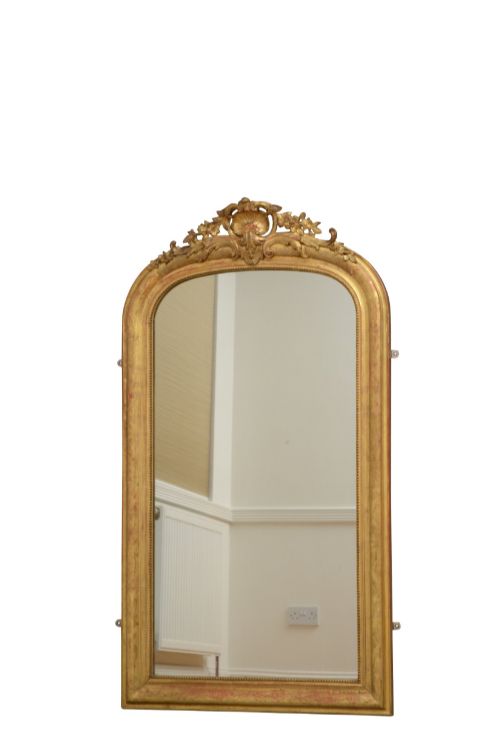
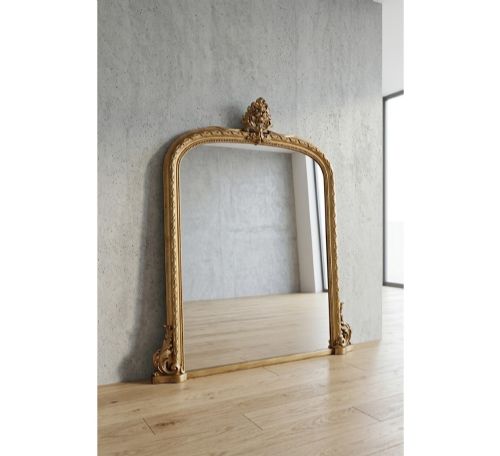
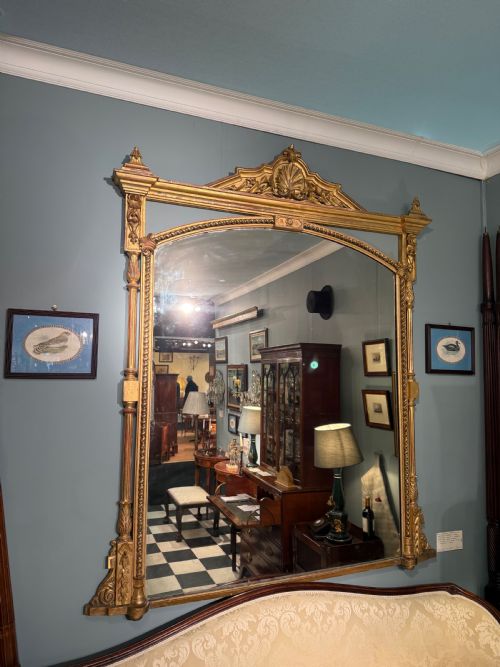
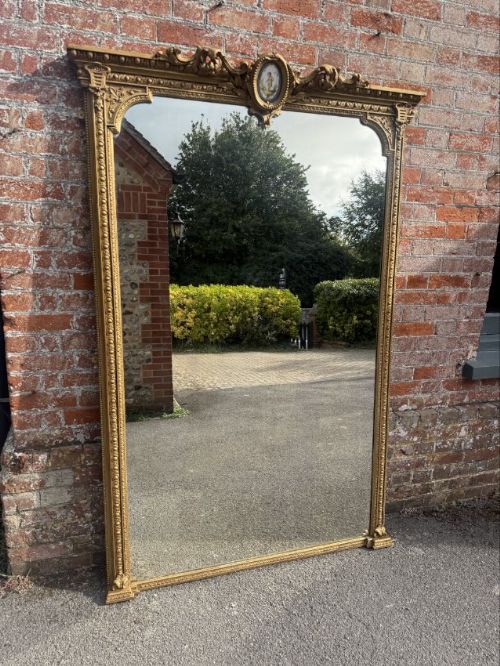
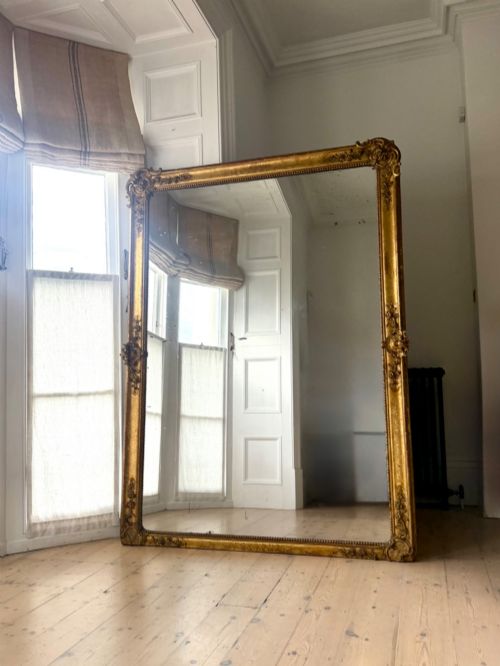
When you search for a french gilded overmantel mirror, you encounter large horizontal or vertical glass plates designed to sit above a fireplace, often stretching past one and a half metres in height. These pieces originate predominantly from the nineteenth century, spanning eras such as the Louis Philippe reign, the Victorian period and Napoleon III chateau schemes.
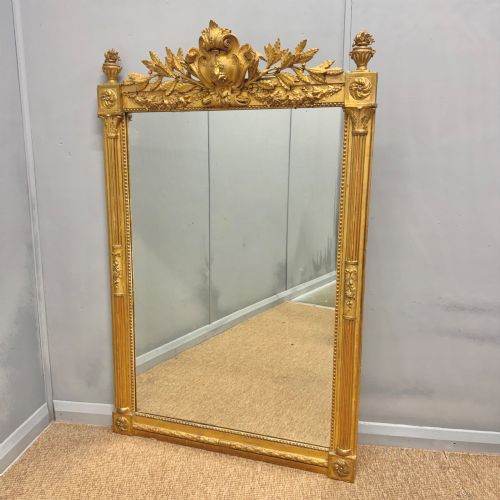
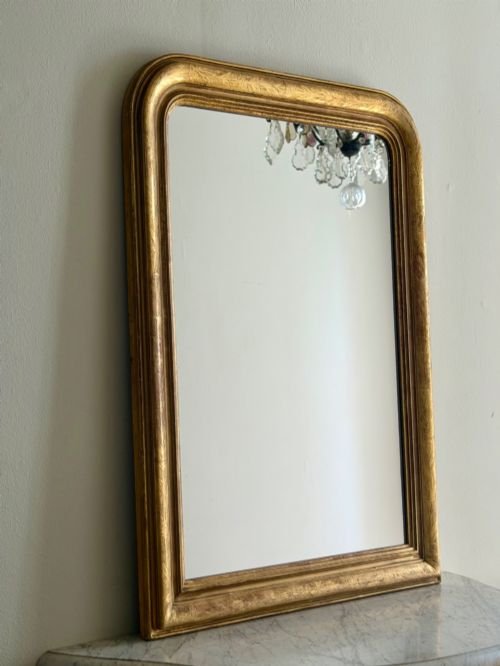
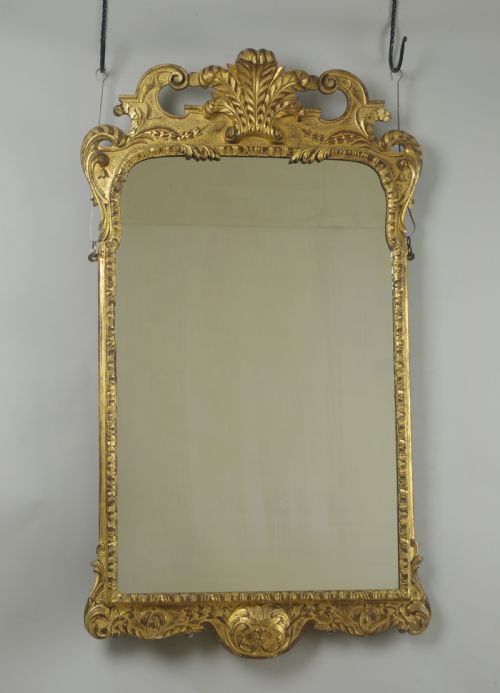
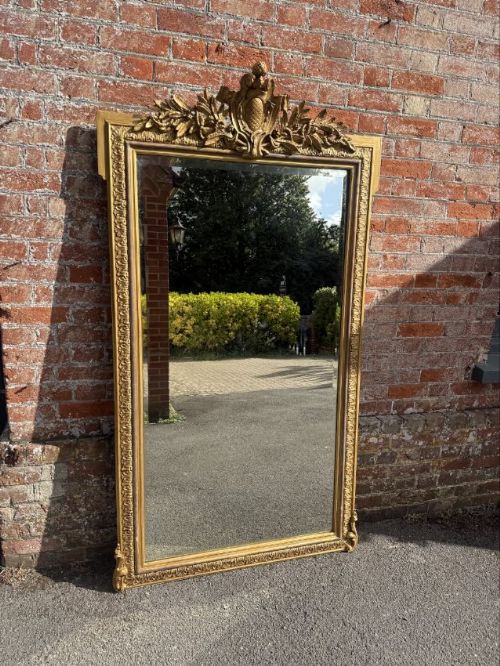
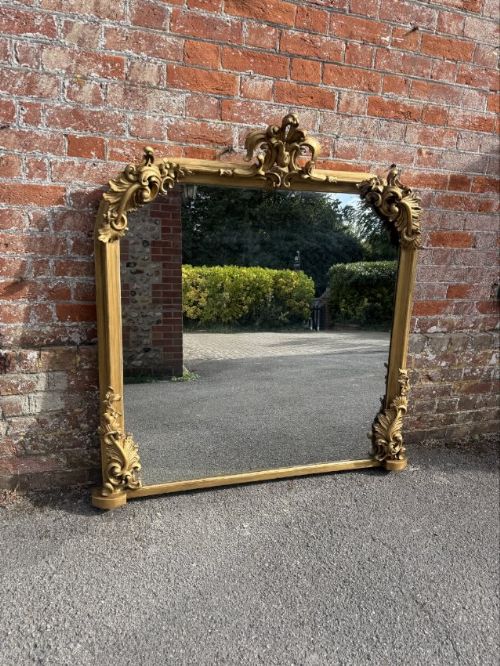
The form varies between restrained architectural framing with rounded top corners and exuberant carved crests influenced by rococo revival motifs. Many examples show distinct regional traits, balancing substantial wood construction with opulent surface gilding suited to grand interior spaces.
How they were made
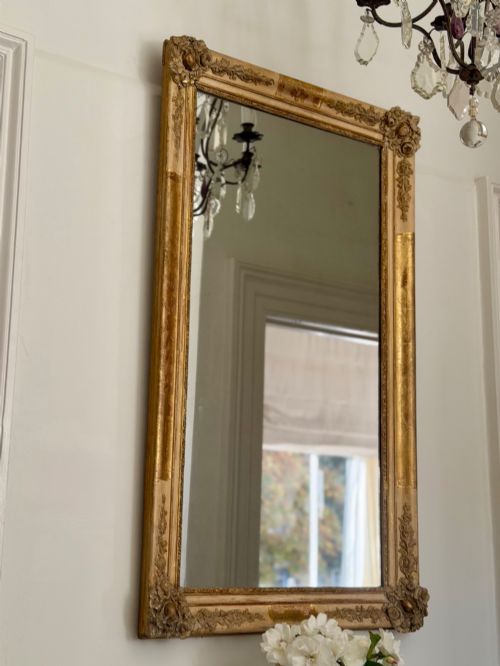
The foundation of these frames typically relies on carved wood, gesso and composition ornaments built up to create deep relief mouldings and floral or mythological motifs. Artisans then applied thin gold leaf or metallic gilding over the prepared surface to achieve a brilliant, reflective finish.
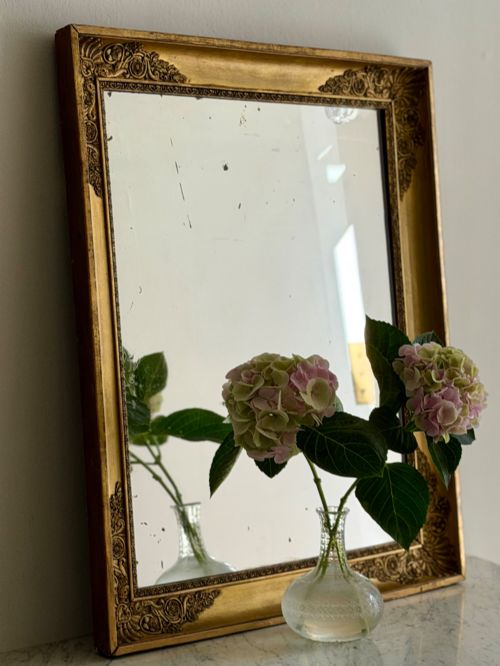
The mirror glass itself was set into the rebate, occasionally retaining early mercury silvering with characteristic foxing and spotting that indicates genuine age. Heavy timber backing boards and iron strapwork frequently secure the substantial plate within its decorated housing.
Current listings feature nineteenth-century pieces spanning the Victorian, Napoleon III, and Louis Philippe periods.
What varies in quality
The distinction between ordinary and exceptional pieces lies primarily in the depth and crispness of the hand-carved wooden details compared to moulded composition substitutes. Superior frames maintain structural integrity despite their massive scale, with mitred joints holding firm and original gilding showing subtle tonal variation rather than flat modern paint.
The condition and authenticity of the mirror plate heavily influence desirability, with original bevelled or mercury glass carrying distinct historic character. Furthermore, the elegance of the original proportions and the subtlety of the crest work separate standard domestic furnishings from monumental salon pieces.
The French Gilded Overmantel Mirror Glossary
- Overmantel mirror
- A large wall mirror specifically proportioned to hang on the wall or rest upon the mantelpiece above a fireplace.
- Gesso
- A plaster-like mixture applied to wood frames to provide a smooth base for subsequent gilding and intricate low-relief modelling.
- Mercury glass
- An early double-walled blown glass type backed with a silver-mercury amalgam, known for mottled foxing and deep reflection.
- Louis Philippe
- A mid-nineteenth century French style characterised by clean architectural lines, rounded upper corners and minimal ornamentation.
- Rococo revival
- A nineteenth century decorative movement reviving asymmetrical scrollwork, naturalistic foliage, shells and C-scroll motifs.
French Gilded Overmantel Mirror: Frequently Asked Questions
Where should an overmantel mirror be hung?
These mirrors traditionally rest directly on the mantelpiece shelf or anchor to the wall immediately above a fireplace opening. Their substantial weight requires secure fixing into solid masonry or substantial wall studs.
Placing the glass at this focal height reflects natural light from opposing windows across the entire floor space, visually expanding the room.
How do I identify a Louis Philippe mirror?
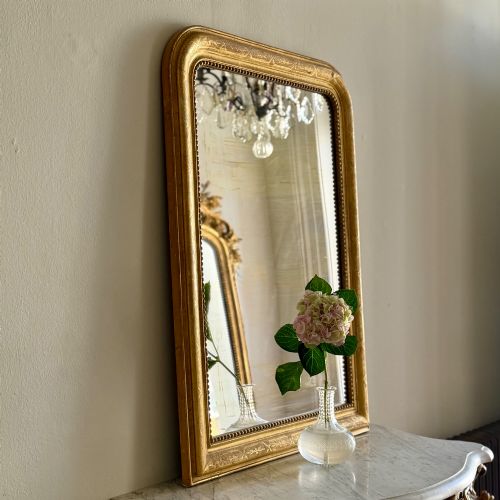
Louis Philippe mirrors display a distinct rectangular format featuring gentle sweeping curves at the upper corners. The frames remain largely unadorned compared to earlier ornate baroque designs.
Subtle incised beaded borders or simple foliate corners often provide the sole decoration on these restrained nineteenth-century pieces.
What causes foxing on antique mirror glass?
Foxing appears as dark spots, clouds and speckled discoloration across the reflective silvering behind the glass. This chemical oxidation occurs over decades as moisture gradually penetrates the protective backing.
Collectors prize genuine foxing as a primary indicator of untouched nineteenth-century or earlier mirror plates.
Can these heavy mirrors rest safely on a mantel?
Many large nineteenth-century examples were designed specifically to stand on a wooden or marble mantelpiece while secured to the wall with discreet safety brackets. The base weight keeps the frame stable against the vertical surface.
Wall fixings remain essential to prevent tipping, regardless of whether the frame touches the mantel shelf.