




French Food Safe
These french food safe pieces are functional kitchen storage pieces built to keep provisions secure, offering rustic character and heritage appeal to any home.
French Food Safe
When you search for a french food safe, you are looking at utilitarian storage furniture designed to protect food from pests and dust in domestic settings. The pieces listed on this page span several centuries, including examples from the seventeenth, eighteenth, and nineteenth centuries.
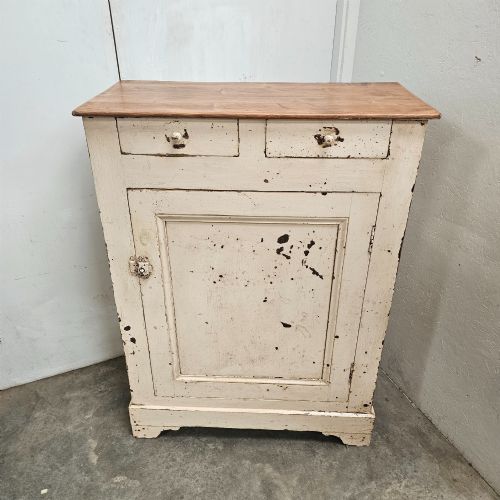
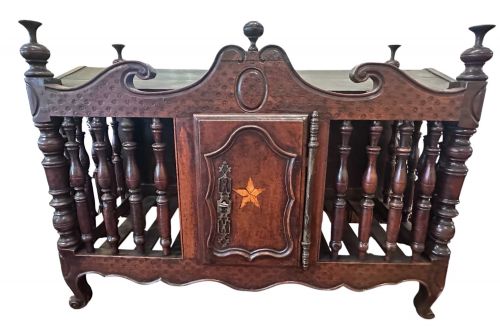
You are most likely to meet painted pine confituriers, fruitwood panetieres, and oak food cupboards originating from rural French provinces. These items take forms such as wall cabinets, larder cupboards, and bread cages, reflecting the daily domestic needs of French country life.
Materials and construction
The construction relies heavily on native timbers such as oak, pine, fruitwood, chestnut, and walnut, often shaped by regional joiners using traditional methods. Metal components like wrought iron hardware and ventilation mesh are integrated to secure the contents while allowing air circulation.
Many surfaces display original or aged paint, contributing to the rustic country aesthetic characteristic of these provincial pieces. The woodwork ranges from plain utilitarian boards to carved detailing suited to domestic housekeepers and manoir cellars.
French Food Safe Retail Price Guide 2026
Typical asking prices for french food safe among the pieces listed under this phrase on Sellingantiques today, from the lower quarter to the upper quarter. They describe what is for sale here now, not the wider market.
Bread cages were hung on walls or stood on legs to keep the crusts away from the family hound.
What determines quality
Quality in these pieces is dictated by the integrity of the timber, the preservation of original painted surfaces, and the subtlety of regional carving. Finer examples display harmonious proportions and balanced ventilation panels that speak to skilled provincial craftsmanship.
Lower quality or heavily altered items often show unsympathetic timber replacements or a loss of their original hardware and structural context. The distinction lies in how much of the authentic domestic history remains intact within the wood and metal.
The French Food Safe Glossary
- Panetiere
- A traditional French bread safe or cage designed to store loaves away from household animals. These pieces often feature turned spindles or pierced wooden panels for ventilation.
- Confiturier
- A small jam cupboard used in French provincial kitchens to store preserves and small provisions. They typically stand on short legs with a single door enclosing interior shelving.
- Manoir
- A French country manor house representing the upper tier of provincial rural dwellings. Furniture originating from these settings often displays slightly finer timber selection and restrained carving.
- Fruitwood
- Dense timber harvested from fruit-bearing trees such as cherry or pear, prized by country cabinetmakers for its fine grain and warm tone. It was frequently utilised for eighteenth-century panetieres.
French Food Safe: Frequently Asked Questions
What is a french food safe used for?
These pieces were originally built to store perishables, bread, and confiture safely away from insects and rodents in domestic kitchens. Today, they serve as characterful freestanding storage cabinets in modern homes.
Their ventilated doors and compact footprints make them well suited for use in kitchens, dining rooms, or hallways as display and storage units.
How do I date an old food safe?
Dating relies on examining the construction techniques, tool marks, timber species, and style of hardware used in the piece. Eighteenth-century examples often feature hand-rived fruitwood or oak with pegged joints, while nineteenth-century pieces may show milled pine and different fastening methods.
Reference to regional French provincial styles also helps narrow down the period, alongside any documented provenance from manoirs or farmhouses.
Are these pieces made of solid wood?
The items listed are constructed from solid timbers such as oak, pine, chestnut, fruitwood, and walnut rather than manufactured boards. Provincial cabinetmakers utilised local woods available in their specific regions.
This solid construction allows the pieces to withstand centuries of use while developing a rich patina across the painted or natural wood surfaces.
How do I clean painted pine?
Painted pine surfaces should be maintained with a dry or lightly damp cloth to avoid disturbing historic paint layers and finishes. Harsh chemical cleaners can strip or damage the aged patina accumulated over the centuries.
Gentle dusting preserves the integrity of the paintwork and maintains the authentic appearance of the provincial cabinet.