



French Faux Marble
French faux marble pieces are decorative items mimicking natural stone, prized for bringing classical grandeur into domestic interiors without excessive weight.
French Faux Marble
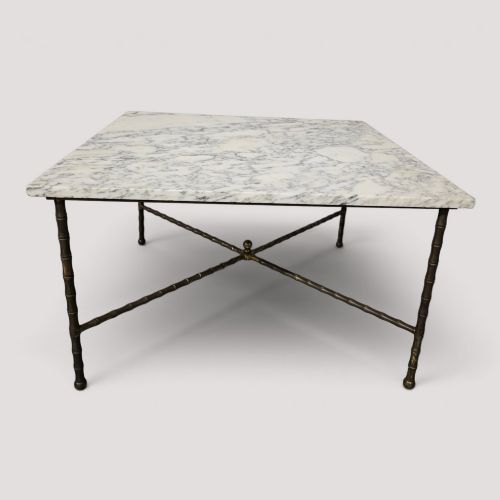
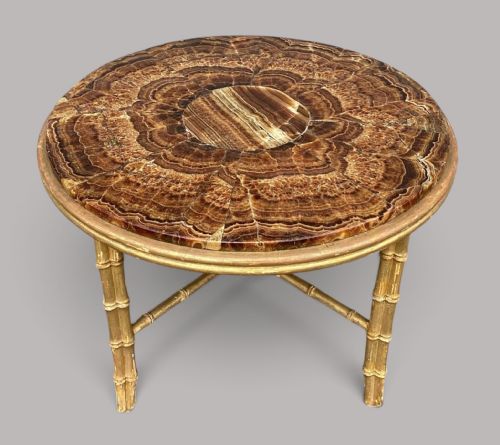
When you search for french faux marble, you find a varied selection of domestic furniture and decorative objects originating from the nineteenth and early twentieth centuries. These items range from practical storage like chests of drawers and washstands to smaller accents such as coffee tables and mirrors.
The objects often incorporate simulated stone finishes alongside genuine materials like wood, brass, and glass. Pieces span several distinct aesthetic traditions including neoclassical, Victorian faux bamboo, and French chateau styles.
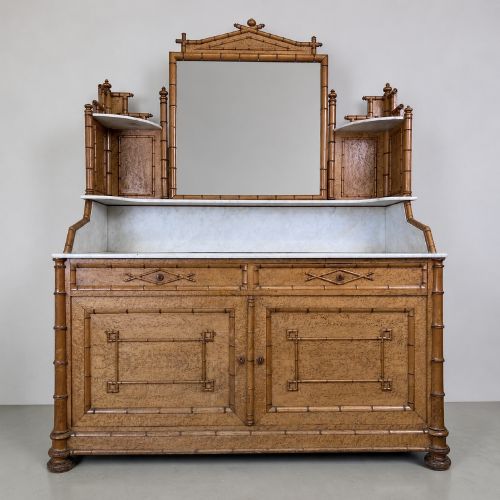
You are most likely to encounter practical household furniture such as washstands, dressing cabinets, and chests of drawers featuring painted or simulated marble surfaces. Coffee tables and wall mirrors from the late nineteenth and early twentieth centuries also appear frequently within this selection.
How they were made
Maker techniques rely heavily on combining solid timber structures, such as pine or palisander, with specialist paint finishes designed to replicate the distinctive veining of natural marble. Artisans also utilised giltwood, brass, and silver plating to complement the simulated stone surfaces.
Cabinet makers constructed functional items like bedside cabinets and dressing tables using traditional joinery methods before applying decorative surface treatments. Woodwork was frequently turned, carved, or painted to imitate bamboo and tortoiseshell alongside the primary faux stone effect.
French Faux Marble Retail Price Guide 2026
Typical asking prices for french faux marble among the pieces listed under this phrase on Sellingantiques today, from the lower quarter to the upper quarter. They describe what is for sale here now, not the wider market.
Object forms span coffee tables, chests of drawers, washstands, mantel clocks, bedside tables, dressing tables, wall mirrors, and architectural salvage.
What varies in quality
The fidelity and depth of the painted faux marble finish largely determine the visual success of a piece, distinguishing crude applications from convincing imitations of natural stone. The integration of the simulated top with the supporting timber frame also dictates the overall craftsmanship.
Material pairings influence the standard of construction, particularly where gilt brass mounts, carved giltwood, or bird's-eye maple are combined with the faux marble elements. Pieces exhibiting cohesive styling across both the structural woodwork and the decorative surface demonstrate higher workshop capability.
The French Faux Marble Glossary
- Faux marble
- A decorative painting technique used to simulate the appearance of real stone and mineral veining on wood or other substrates. This method lightened the physical load of heavy tables and case furniture.
- Faux bamboo
- A stylistic treatment where wood is carved and painted to resemble natural bamboo stalks. It gained popularity during the Victorian era through exotic design influences.
- Giltwood
- Wood that has been coated with a thin layer of gold leaf or metallic gilt paint. It frequently appears on nineteenth-century frames and neoclassical mirrors.
- Neoclassical
- A style inspired by the classical art and architecture of ancient Greece and Rome. It emphasises symmetry, proportion, and restrained ornamentation.
- Palisander
- A dense tropical hardwood often used for fine cabinet making and chests of drawers. Its rich dark grain provides a strong contrast to lighter decorative surfaces.
French Faux Marble: Frequently Asked Questions
What is french faux marble?
French faux marble describes decorative furniture and objects where artisans painted wood or other surfaces to imitate natural stone. This tradition allowed makers to achieve the look of heavy marble while keeping furniture manageable in weight.
Items utilising this finish include chests of drawers, washstands, and coffee tables dating from the nineteenth and early twentieth centuries.
How do I clean faux marble furniture?
Cleaning requires gentle dusting with a soft, dry cloth to protect the painted surface from abrasion. Moisture and harsh chemical cleaners should be avoided because they can damage the simulated stone effect.
Careful maintenance preserves the original paint layers and any accompanying giltwood or brass details found on tables and cabinets.
Are faux marble tops actual stone?
Faux marble tops on these pieces are typically created through skilled paintwork applied to wood or alternative substrates rather than quarried mineral slab. This technique provided the visual weight of stone without the substantial heft.
Examining the edges and underside of the surface usually reveals the underlying timber or painted construction.
What periods do these pieces span?
The available pieces predominantly date from the nineteenth century through the early decades of the twentieth century. Styles range from neoclassical and Victorian faux bamboo to mid-century French designs.
Common manufacturing dates cluster around the eighteen-eighties, eighteen-nineties, and nineteen-twenties.