





French Farmhouse Seating
French farmhouse seating brings together rustic charm and practical daily life, offering sturdy timber chairs, benches, and settles for country interiors.
French Farmhouse Seating
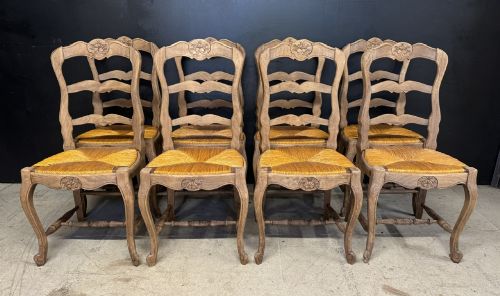
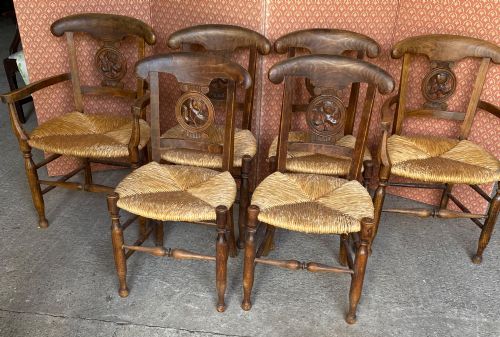
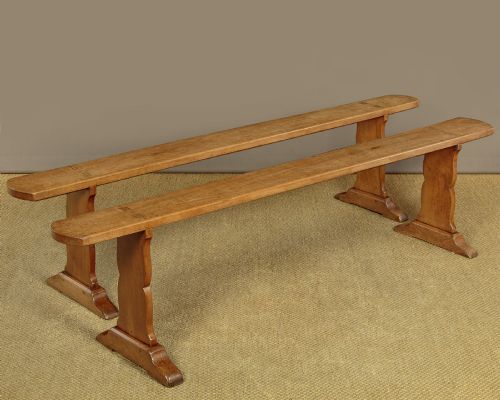
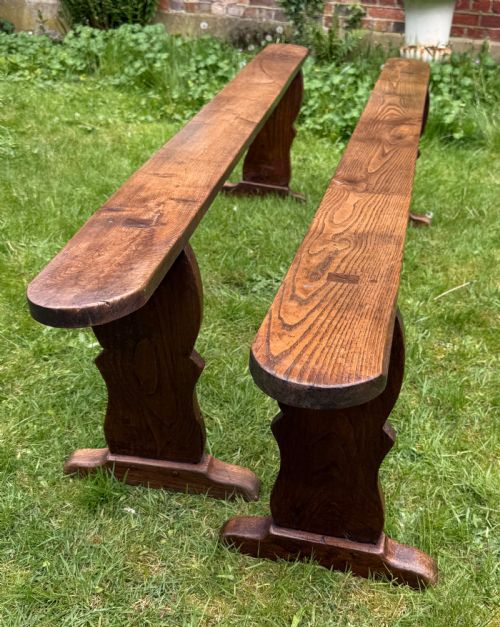
French farmhouse seating encompasses robust dining chairs, benches, and settles designed for rural domestic life. These pieces emerge from the nineteenth and early twentieth centuries, spanning periods from the Victorian era to the 1920s.
The forms range from long cherrywood and elm benches to matching sets of fruitwood and oak dining chairs. Each piece reflects the functional needs of nineteenth-century and early twentieth-century rural households.
Materials and construction methods
These pieces rely on solid regional timbers such as oak, cherrywood, fruitwood, elm, pine, and hardwood. Craftsmen also utilised rush for seating surfaces alongside traditional paint finishes.
Construction methods range from scratch built country pine joinery to finely turned or joined dining sets. Bleached oak and chestnut appear alongside natural or painted timber surfaces.
French Farmhouse Seating Retail Price Guide 2026
Typical asking prices for french farmhouse seating among the pieces listed under this phrase on Sellingantiques today, from the lower quarter to the upper quarter. They describe what is for sale here now, not the wider market.
Listings feature items spanning the Victorian period through to the 1920s, constructed from oak, cherrywood, fruitwood, elm, pine, and hardwood.
Markers of quality and craftsmanship
Quality in these items rests upon the selection of timber and the integrity of the original construction. Matched sets of dining chairs demand greater uniformity than single benches or settles.
The distinction between scratch built vernacular pieces and refined provincial workshop items defines the range. Original surface treatments, such as bleached oak or historic paint, further separate standard examples from finer ones.
The French Farmhouse Seating Glossary
- Settle
- A wooden bench with a high back, solid arms, and often enclosed storage beneath the seat. This form provided shelter from draughts in farmhouse kitchens.
- Refectory
- A long dining table or associated long bench traditionally used in communal dining halls. The term describes the elongated proportions seen in larger country seating.
- Rush
- Dried marsh plant stems woven into durable seats for chairs. This natural material offers flexibility and strength for daily seating.
- Fruitwood
- Timber sourced from fruit-bearing trees such as cherry or pear, prized by rural cabinetmakers for its fine grain. It yields a warm tone that deepens with age.
- Scratch built
- Describes items made independently without standard factory patterns, relying instead on local ingenuity and available materials. These pieces carry unique vernacular details.
French Farmhouse Seating: Frequently Asked Questions
What defines French farmhouse seating?
These items are traditional wooden chairs, benches, and settles originating from rural France during the nineteenth and early twentieth centuries. They were built for durability and everyday utility using regional timbers.
Craftsmen utilised materials like oak, cherrywood, elm, and pine, often incorporating rush for seating. The designs reflect rustic European and provincial styles tailored for farmhouse kitchens and dining rooms.
How were these benches and chairs used?
Families utilised these sturdy wooden pieces around large dining tables for daily meals and communal gatherings. Settles also offered protection against cold draughts in open farmhouse hearths.
Long benches accommodated multiple diners easily, while matching sets of chairs provided formal seating for larger households. Every piece served a strictly practical domestic purpose.
How do I live with country benches?
Country benches fit naturally into modern hallways, kitchens, or alongside dining tables to introduce rustic warmth. Their durable hardwood construction withstands heavy daily usage.
Maintenance involves simple dusting and occasional conditioning to preserve the aged timber surface. Allowing the natural patina to show enhances their authentic character.
How can I tell the age of these pieces?
Dating relies on observable construction techniques, material choices, and period characteristics ranging from the Victorian era to the 1920s. Hand-tooled surfaces and vernacular joinery often point to nineteenth-century origins.
Inspectters look at timber ageing, surface wear, and fasteners to distinguish earlier nineteenth-century examples from later early-twentieth-century productions. Stylistic details also connect pieces to specific decades like the 1880s or 1920s.