

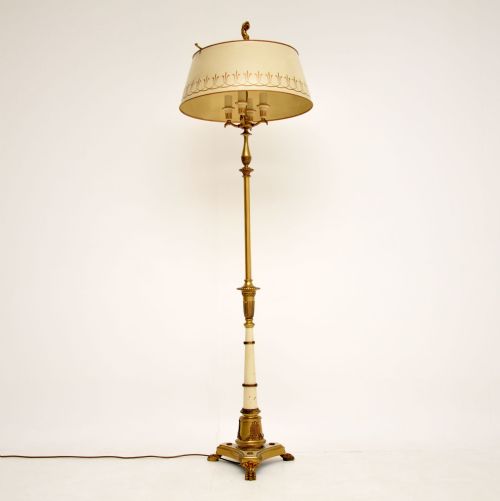


French Empire Brass Lamp
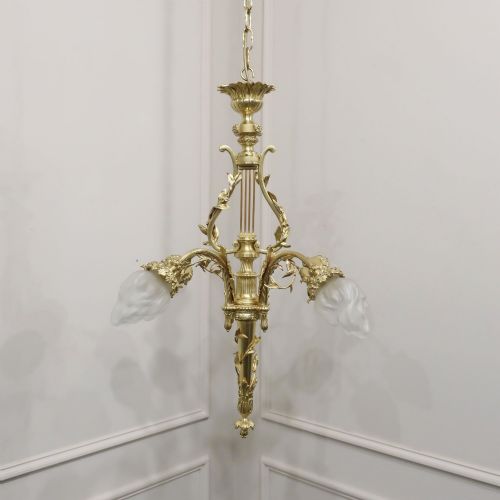
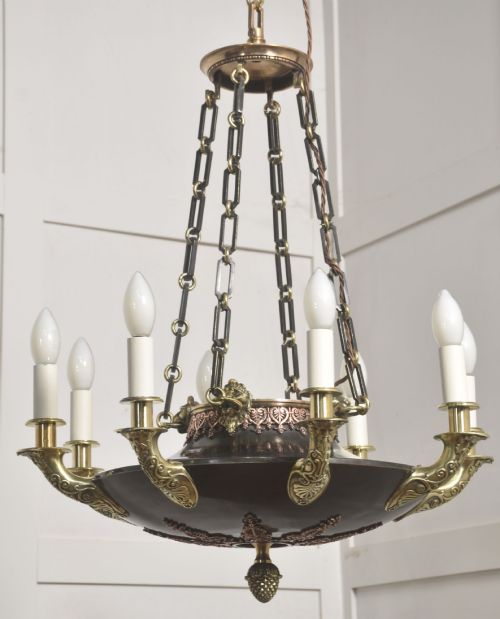
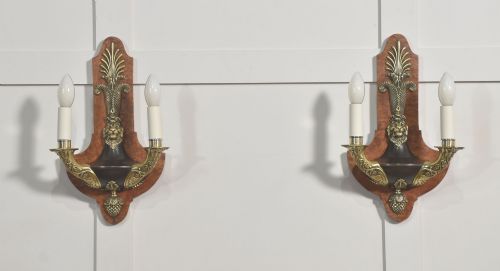
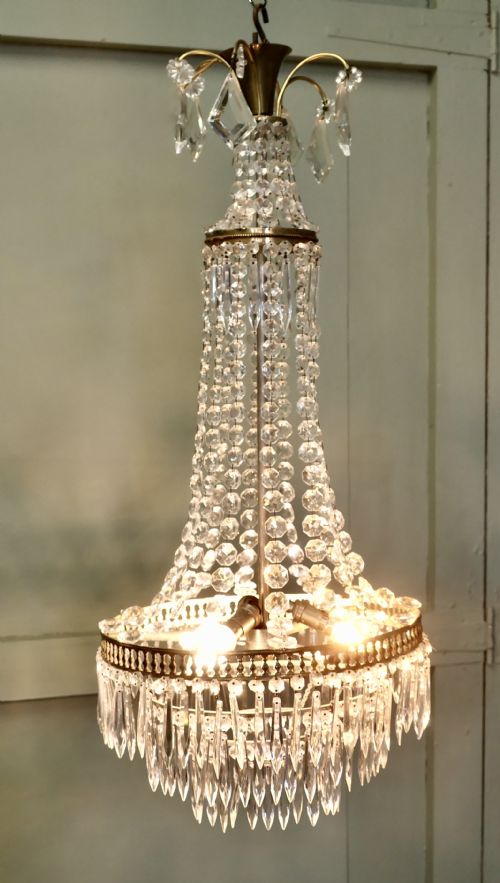
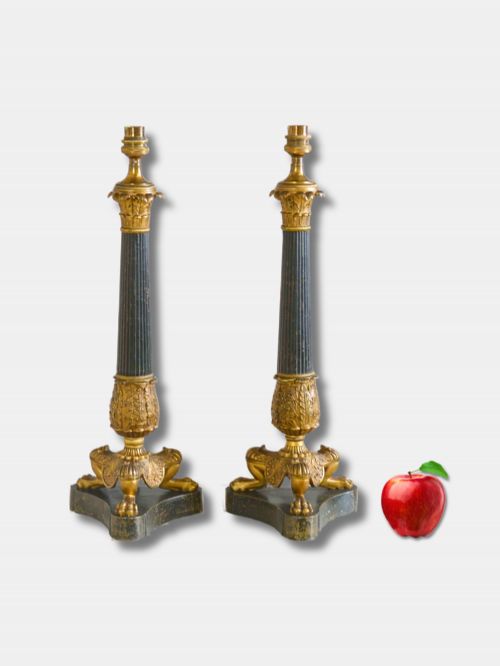
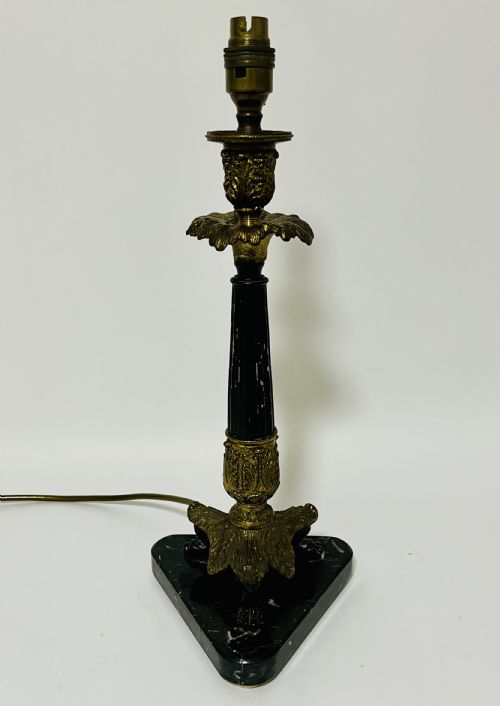
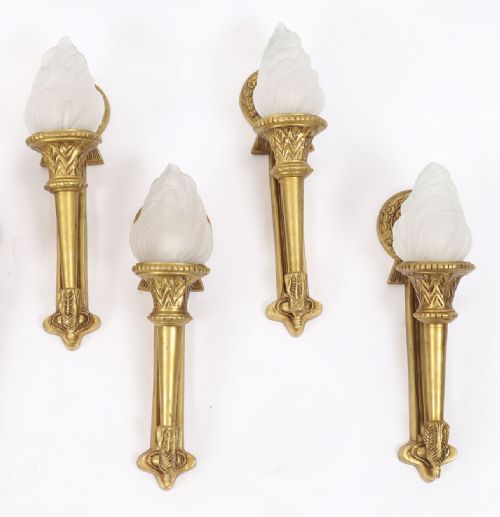
These french empire brass lamp examples combine neoclassical form with cast metalwork, bringing classical symmetry and warm illumination to an interior.
French Empire Brass Lamp
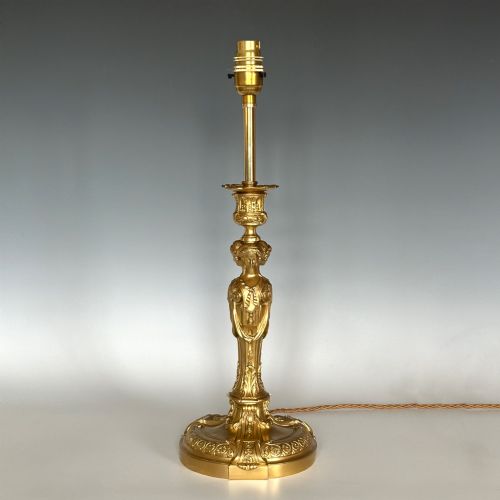
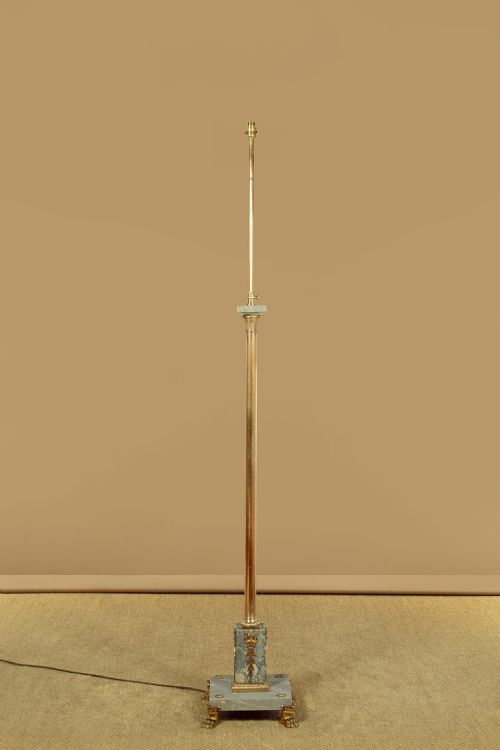
A french empire brass lamp embodies the monumental proportions and classical vocabulary of the nineteenth century, drawing on military and architectural motifs from antiquity. Buyers seeking this aesthetic will encounter table lamps, desk lamps, and floor lamps cast in brass, ormolu, and gilt bronze, often paired with marble bases.
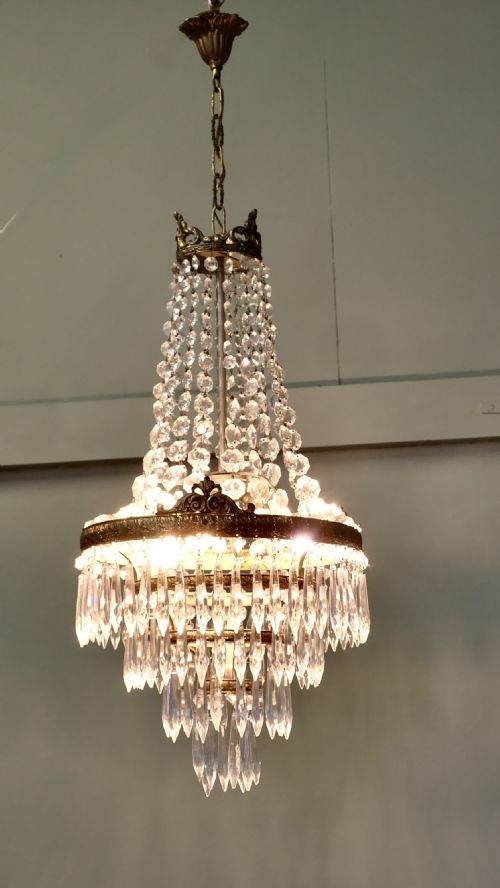
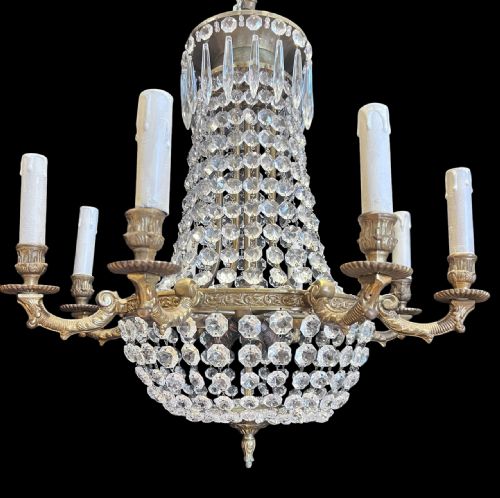
The selection ranges from nineteenth-century originals to later revivals from the early twentieth century. Alongside table lamps, the listings include wall lights, chandeliers, and occasional tables sharing the same neoclassical lineage.
How they were made
Foundry workers cast these pieces in brass, bronze, and ormolu, employing mercury gilding or modern electroplating to achieve a durable metallic finish. Surface decoration frequently incorporates applied patination, hand-chased details, and contrasting elements in toleware, glass, or marble.
Structural components rely on threaded metal rods, heavy cast bases for stability, and integrated shade holders designed for candle or electric illumination.
Some nineteenth-century tables double as clandestine drinks trolleys, proving that even emperors enjoyed a quiet evening tipple.
What varies in quality
The refinement of the chasing separates basic commercial castings from superior examples. Crisp relief work on acanthus leaves, lion paws, and classical mounts indicates a skilled hand in the original workshop.
Substantial weight from solid cast brass or bronze, genuine marble plinths, and well-preserved fire gilding distinguish the finer survivals from lighter twentieth-century revivals.
Hadrot Paris
The French Empire Brass Lamp Glossary
- Ormolu
- Gilded bronze produced by applying a mercury-gold amalgam to a base metal and heating it to vaporise the mercury. This technique creates a rich, matte gold surface characteristic of nineteenth-century luxury lighting.
- Toleware
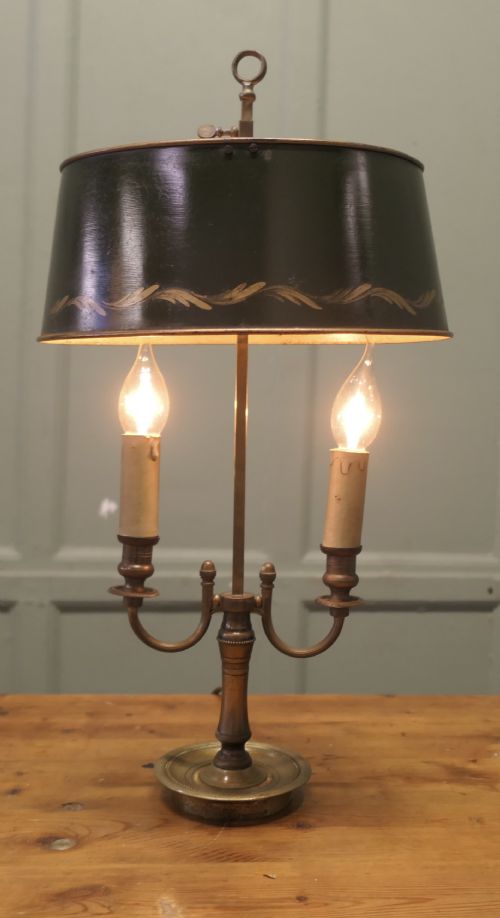
- Painted sheet metal, often in dark green or red, used historically for shades and lamp bodies. It provides a subdued contrast to polished brass and gilt mounts.
- Bouillotte lamp
- An adjustable desk or table lamp featuring a central metal shade above a saucer-like base, designed for card games and reading. French examples frequently pair brass standards with painted tole shades.
- Gueridon
- A small, round occasional table supported by a central column or multiple legs, often incorporating marble tops and brass gallery rails. They share the neoclassical vocabulary of companion lighting pieces.
French Empire Brass Lamp: Frequently Asked Questions
What defines a french empire brass lamp?
These lamps draw heavily on classical antiquity and the Napoleonic Empire style, featuring symmetrical columns, palmettes, and architectural mounts.
They rely on heavy cast brass, ormolu, and occasionally marble or toleware components to create an imposing silhouette.
How were bouillotte lamps used?
Originally designed for the card game bouillotte, these desk lamps allowed the user to slide the metal shade down the central stem as the candles burned lower.
Today, they function well as focused task lighting on desks or sideboards.
How do I date a brass lamp?
Nineteenth-century pieces typically exhibit heavier sand-cast construction, hand-filed mounts, and patination consistent with age. Later revivals from the twentieth century often reveal standardised threading and brighter, machine-finished surfaces.
Wiring is usually modernised for safety, but internal brass components and casting quality remain reliable indicators of period.
Can I use modern lamp shades?
Many desk and table lamps accept standard shade carriers, though traditional toleware or card shades maintain the intended historical silhouette.
Fittings should be checked to ensure compatibility with contemporary bulb bases and shade rings.