



French Daybed Couch
These french daybed couch pieces combine lounging comfort with stately seating, offering a versatile centrepiece for traditional rooms.
French Daybed Couch
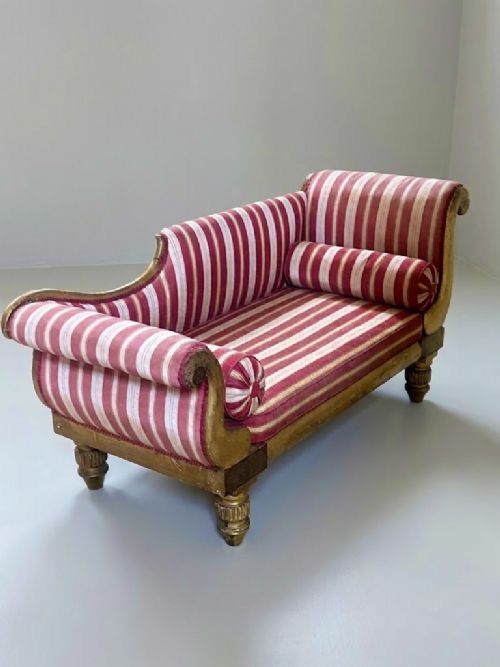
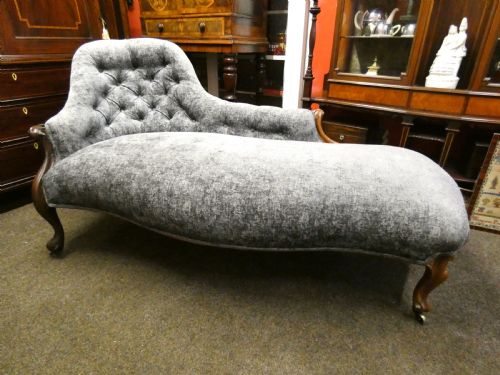
A french daybed couch bridges the gap between a sofa and a bed, designed for reclining during the day while maintaining an upright back or end rest. The selection centres heavily on nineteenth-century pieces alongside eighteenth-century examples and early twentieth-century variations.
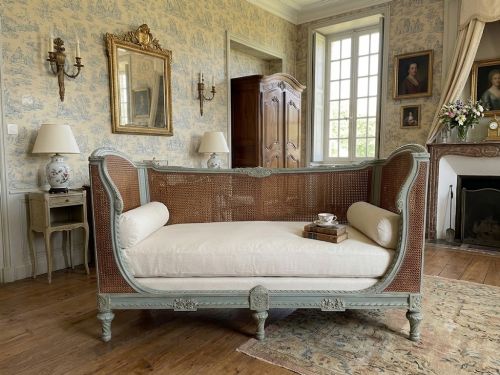
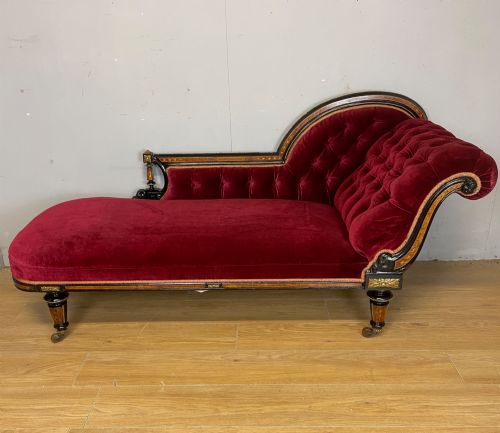
Forms span across chaise longues, settes, and day beds, encompassing styles from Louis XVI and Regency to Napoleon III, Gustavian, and French Empire. Buyers frequently encounter nineteenth-century walnut and ebonised frames alongside painted cane day beds and giltwood sofas.
How they were made
Frames rely on timber construction utilising walnut, mahogany, and ebonised wood, frequently enhanced by giltwood decoration, ormolu mounts, and inlaid walnut panels. Skilled artisans shaped the structural woodwork to support elaborate profiles such as the canapé corbeille.
Upholstery techniques incorporate traditional fabrics including antique striped silk, velvet, and buttoned textiles, alongside natural woven cane panels. Frame embellishments extend to painted finishes and carved details that reflect distinct periods like Louis XVI Revival and French Chateau.
French Daybed Couch Retail Price Guide 2026
Typical asking prices for french daybed couch among the pieces listed under this phrase on Sellingantiques today, from the lower quarter to the upper quarter. They describe what is for sale here now, not the wider market.
Napoleon III apparently needed a lot of piecrust edges to feel properly rested.
What varies in quality
Quality rests in the precision of the timber carving and the sophistication of decorative elements such as ormolu mounts, inlaid panels, and gilt decoration. Finer examples display harmonious proportions across the frame and seamless integration of structural supports with decorative elements.
The integrity of the original materials dictates overall standard, particularly the condition of woven cane panels, exposed wood surfaces, and upholstery detailing. Pieces that retain their period decorative schemes without heavy alteration demonstrate higher artisan skill.
The French Daybed Couch Glossary
- Chaise longue
- An elongated chair for reclining, combining the characteristics of a chair and a couch. This form appears frequently in nineteenth-century styles.
- Canapé corbeille
- A French basket-shaped sofa featuring a rounded, enclosing backrest. This design offers a distinct curved silhouette.
- Ormolu
- Gilded bronze ornamentation applied to furniture frames. It provides metallic contrast against walnut and ebonised wood.
- Gustavian
- The Swedish interpretation of French neoclassical design, characterised by restrained carving and pale painted finishes. These pieces offer a lighter aesthetic.
- Bergere
- An enclosed upholstered armchair with wooden sides. This seating type provides a solid, comfortable framework.
French Daybed Couch: Frequently Asked Questions
Where should I place a daybed?
Daybeds suit drawing rooms, studies, and spacious bedrooms where their decorative frames can be appreciated from multiple angles. Placing them against a primary wall allows the carved backrest and arms to stand out.
Ensure adequate clearance around the piece so the extended seating platform remains accessible and visually balanced within the room layout.
How do I identify a period frame?
Period identification relies on examining the construction materials, joinery techniques, and stylistic motifs carved into the wood. Styles range from eighteenth-century Gustavian work to nineteenth-century Victorian and French Empire pieces.
Matching the decorative details, such as ormolu mounts or painted cane panels, to established design eras helps confirm the age of the frame.
How do I care for antique upholstery?
Antique upholstery requires gentle maintenance using low-suction vacuum attachments to remove dust from fabrics like velvet and silk. Protecting textiles from direct sunlight prevents fading and preserves the integrity of the material.
For buttoned upholstery and cane panels, professional cleaning ensures delicate structural components remain undamaged over time.