

French Cut Glass Chandelier
A french cut glass chandelier brings brilliant refraction and classic continental elegance to any room.
French Cut Glass Chandelier
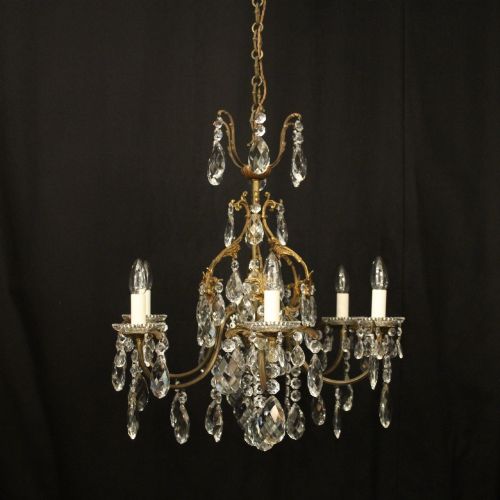
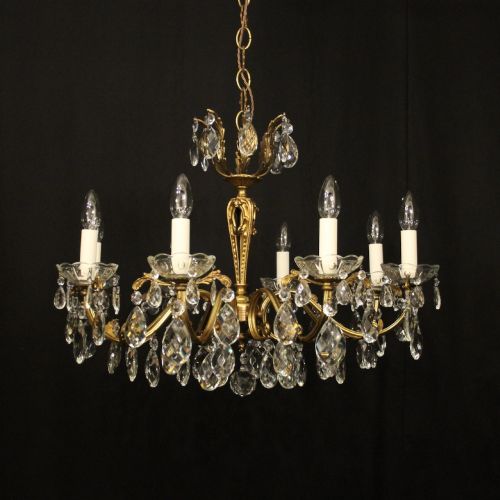
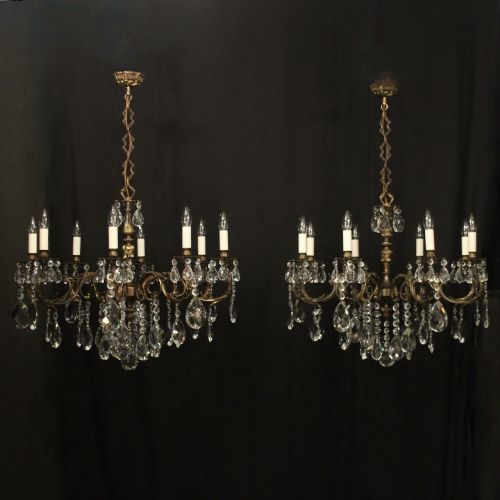
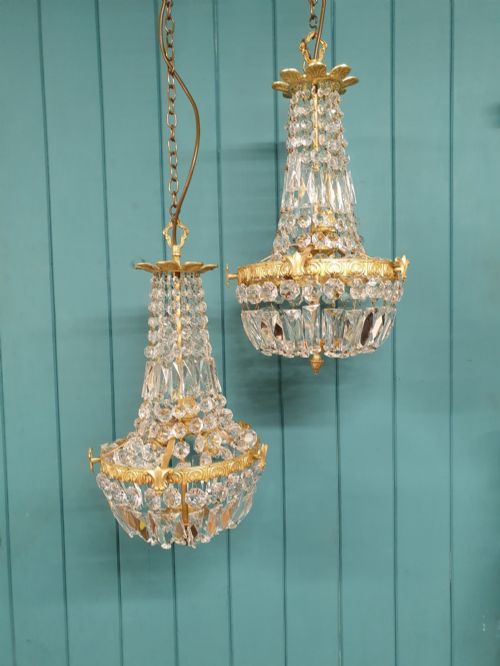
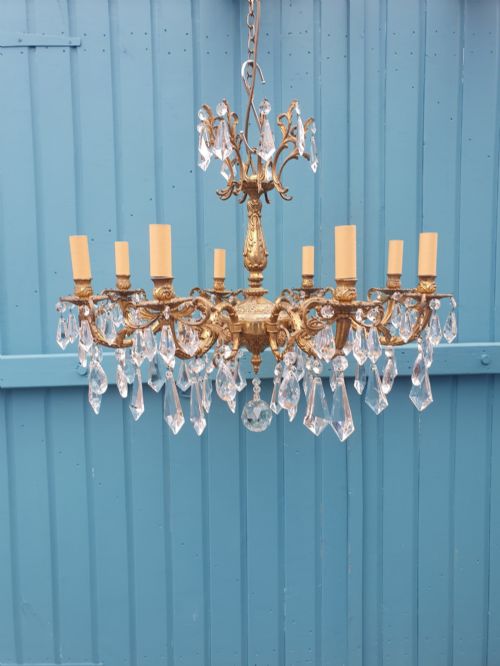
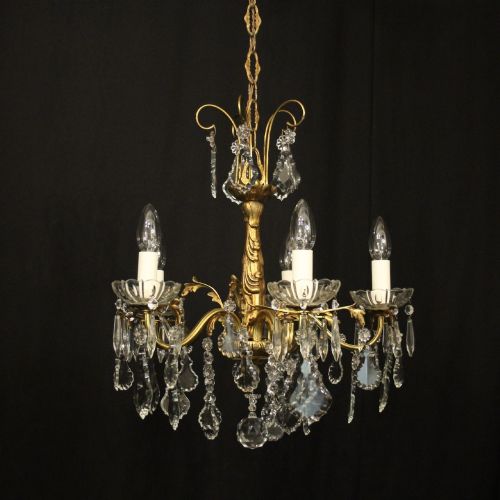
A french cut glass chandelier is a ceiling light fixture designed to illuminate rooms through the intense sparkle of faceted glass and crystal elements. When exploring this selection, buyers encounter pieces originating from the nineteenth century through the early twentieth century, spanning Edwardian iterations and later 1930s designs.
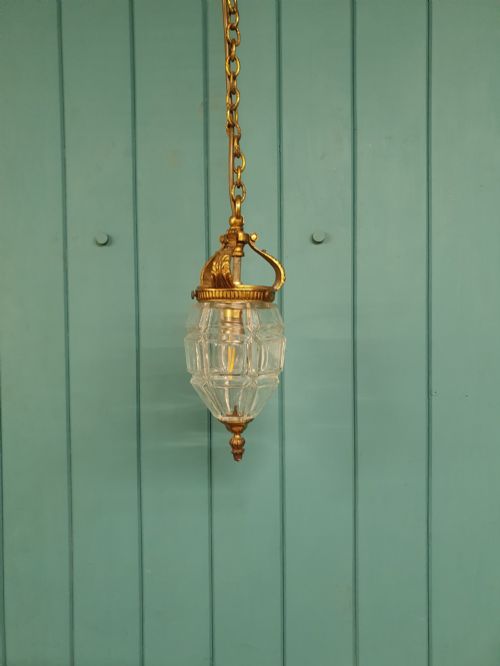
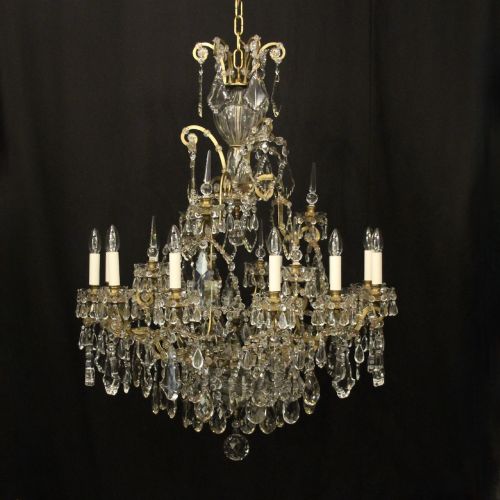
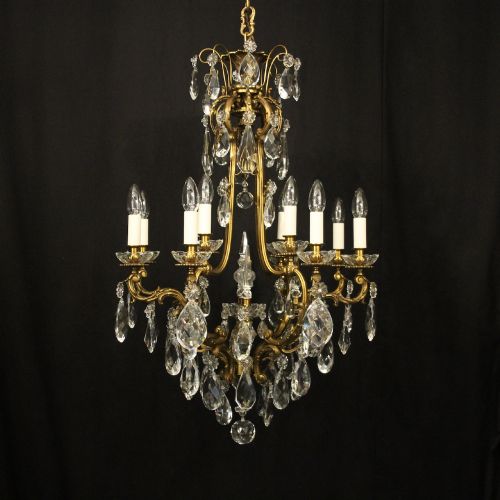
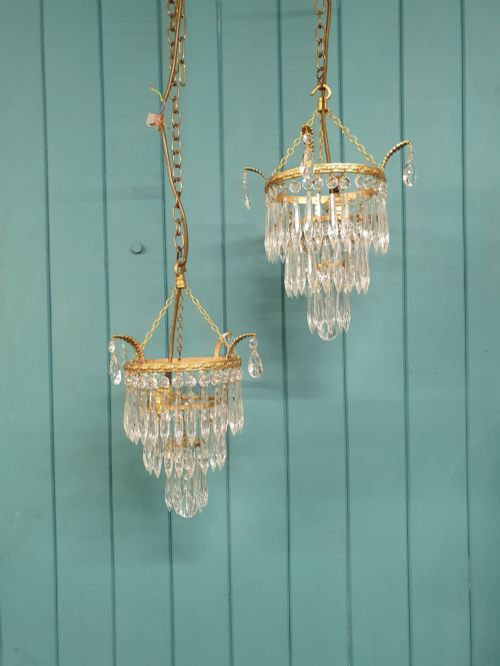
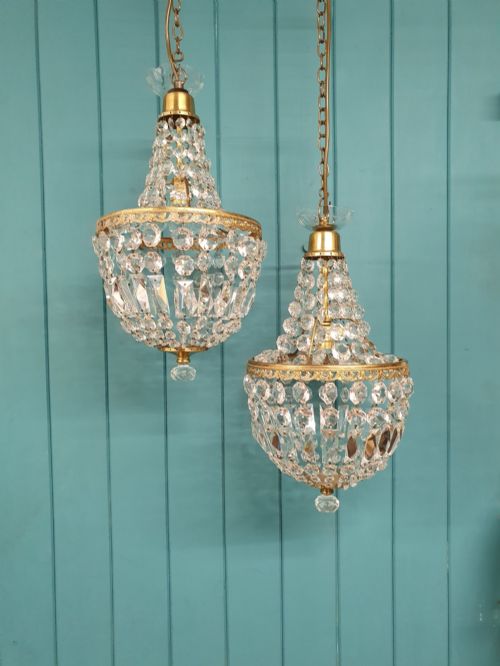
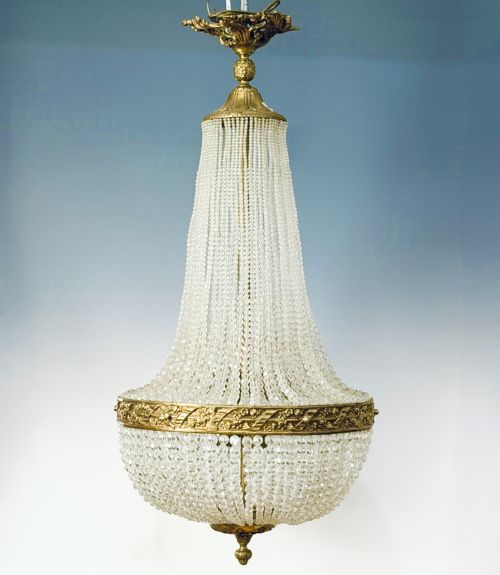
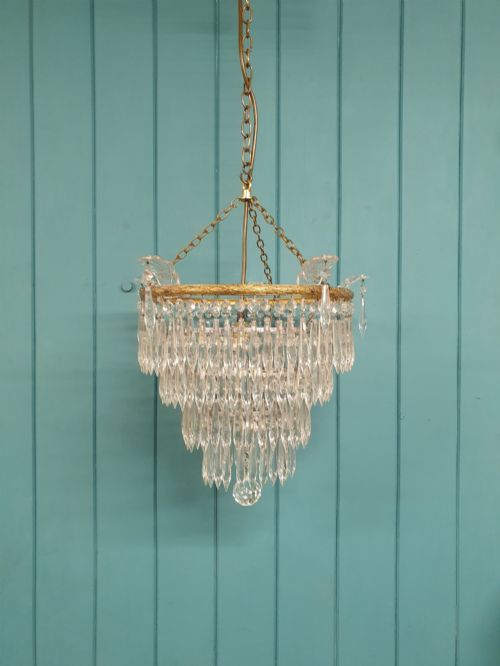
The forms vary significantly across the inventory, ranging from elaborate birdcage and basket silhouettes to dramatic tent and bag configurations, waterfall drops, and compact plafonniere mountings. Many examples incorporate distinct stylistic influences such as French Empire, Louis Revival, and Rococo aesthetics.
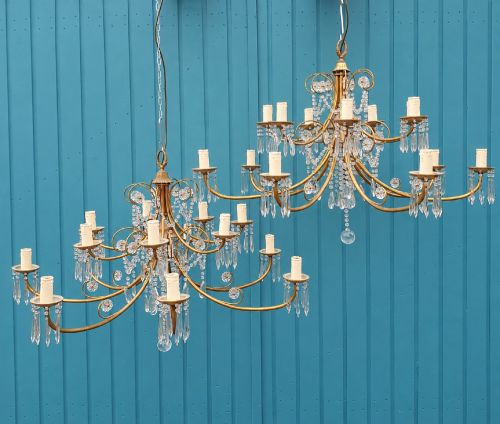
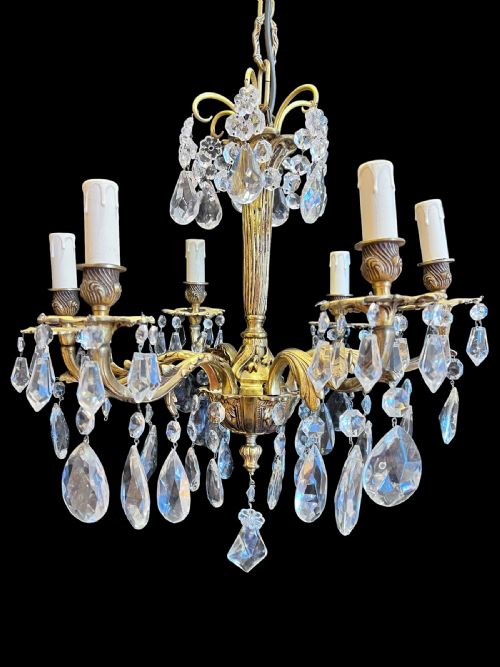
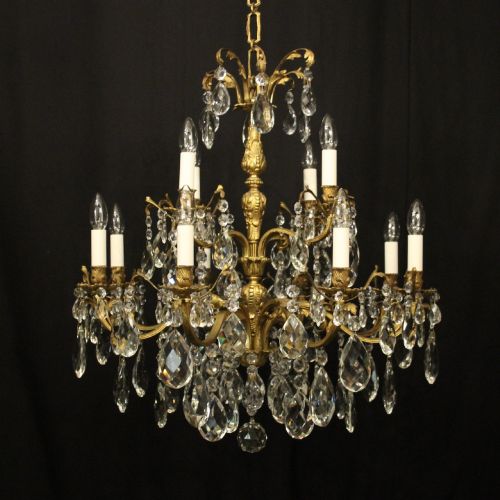
Most pieces balance structural metal frames with cascading crystal lustres, beads, and prisms arranged to maximise light distribution. Whether selecting a modest six-light fixture or a substantial ballroom centrepiece, buyers find a consistent dedication to traditional French decorative forms.
Materials and Construction
The underlying framework of a french cut glass chandelier typically relies on cast or spun brass, bronze, and spelter, often finished with a gilt or silvered coating to enhance visual warmth. These metallic structures provide the necessary rigidity to support numerous arms and heavy wreaths of hanging glass.
Pendants, lustres, and beads are fashioned from clear or coloured cut glass and crystal, shaped by hand to create sharp facets that catch ambient light. Metal pins and wire linkages suspend these glass components from the central frame, allowing individual elements to move and shimmer freely.
French Cut Glass Chandelier Retail Price Guide 2026
Typical asking prices for french cut glass chandelier among the pieces listed under this phrase on Sellingantiques today, from the lower quarter to the upper quarter. They describe what is for sale here now, not the wider market.
The inventory spans the Edwardian era, the 1930s, and nineteenth-century French chateau and empire styles.
Distinctions in Quality
The caliber of a french cut glass chandelier rests upon the clarity of the glass and the precision of its cutting, where sharper facets produce superior light dispersion. Heavier, more complex metalwork featuring chased brass, bronze mounts, or cast decorative motifs elevates a piece above simpler stamped alternatives.
Integration of design elements also defines the upper tier, seen in balanced proportions, complete arrays of matching lustres, and cohesive stylistic details like lion masks or leaf decorations. Greater scale and multiple tiers of illumination demand sophisticated engineering within the internal frame.
The French Cut Glass Chandelier Glossary
- Lustre
- A cut glass or crystal pendant suspended from a chandelier to refract light. These drops take various shapes, including spears, icicles, and flat prisms.
- Tent and bag
- A specific chandelier configuration featuring an upper conical canopy of strung beads dropping into a gathered lower basket of crystals. This design became particularly popular during the nineteenth and early twentieth centuries.
- Ormolu
- Gilt bronze mounted on decorative objects and lighting fixtures. The technique involves applying a gold amalgam to a bronze base.
- Plafoniere
- A ceiling light fixture designed to sit flush or very close to the ceiling surface. These often feature glass bowls or structured crystal drops held within a metal mount.
- Birdcage
- A rounded skeletal metal frame resembling a cage, densely hung with crystal strands and central spires. This architectural silhouette defines many classical French lighting designs.
French Cut Glass Chandelier: Frequently Asked Questions
How do I hang a heavy crystal chandelier safely?
Installation requires anchoring directly into ceiling joists using a rated electrical box and a sturdy steel support hook. Professional wiring and suspension ensure the weight of the metal frame and glass components is managed securely.
Working with an experienced electrician also allows for proper adjustment of the hanging height relative to furniture placement and floor clearance below.
What rooms suit a tent and bag chandelier?
These fixtures suit dining rooms, living spaces, and grand hallways where their vertical presence and downward illumination can command the space. The cascading crystals require adequate clearance to avoid accidental contact while walking underneath.
Smaller iterations function effectively in bedrooms or smaller reception rooms, providing decorative sparkle without overwhelming limited spatial dimensions.
How should antique cut glass be cleaned?
Cleaning involves wiping individual crystal elements in situ using a mild solution of warm water and a gentle glass cleaner applied with a soft cloth. Removing components for washing requires careful handling to avoid chipping the edges of delicate glass.
Harsh chemical agents and abrasive scrubbers must be avoided to protect both the glass facets and the gilt finishes on the surrounding brass or bronze framework.
How do I distinguish Edwardian pieces from earlier designs?
Edwardian lighting often exhibits lighter proportions and simpler brass or cut glass configurations compared to the heavier, more ornate nineteenth-century or Louis Revival styles. Pieces from around 1900 to 1910 frequently incorporate refined crystal spikes and structured bag frames.
Earlier nineteenth-century examples tend to display heavier gilt bronze casting, elaborate rococo flourishes, and denser arrangements of large crystal lustres.