




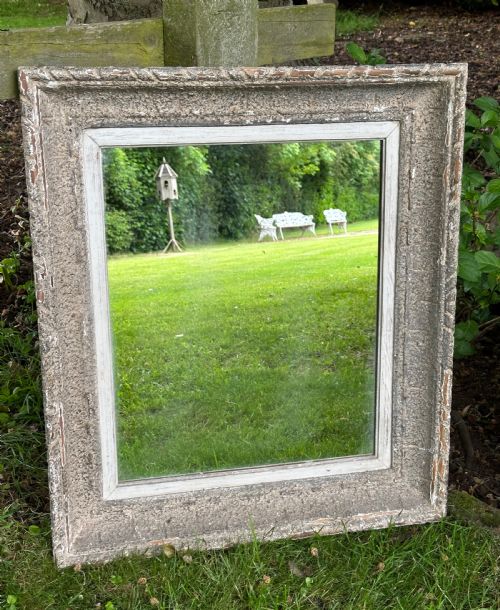
French Country Vanity
French country vanity pieces are charming dressing tables, washstands, and mirrors that bring rustic warmth and provincial elegance to a bedroom.
French Country Vanity
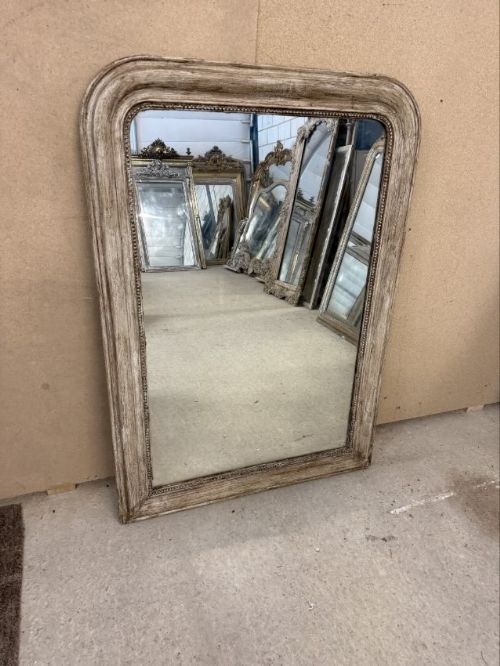
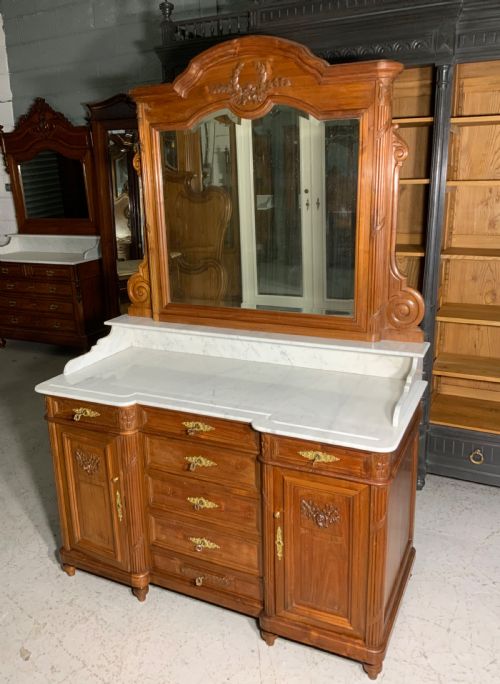
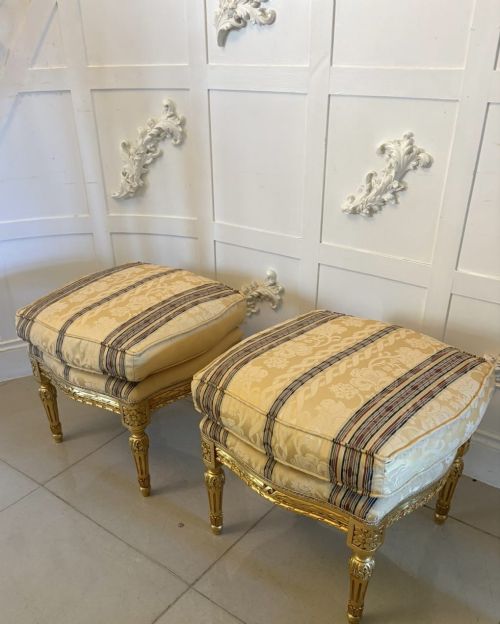
When you search for a French country vanity, you encounter dressing tables, washstands, mirrors, and complementary stools spanning from the nineteenth century into the twentieth century. These furnishings capture the relaxed yet refined aesthetic of provincial French homes, blending utility with decorative woodwork.
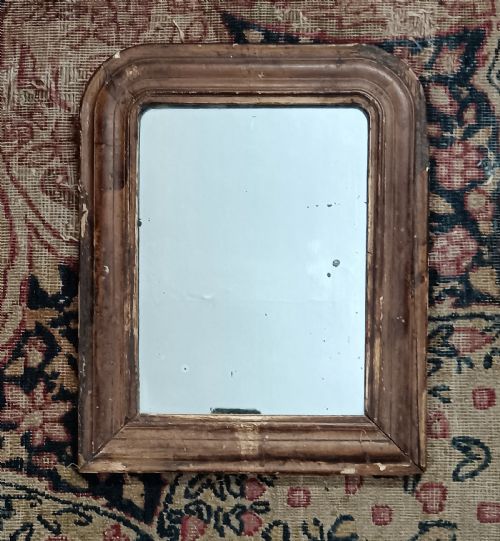
Makers and craftsmen utilised regional timbers and classic silhouettes influenced by Louis Philippe and Louis XV styles. Each piece reflects the domestic routines of its era, scaled for practical daily use in bedrooms and dressing rooms.
Construction and Materials
Makers constructed these pieces using a selection of traditional timbers such as beech, mahogany, oak, and cherry wood, frequently applying painted finishes or incorporating faux bamboo turnings. Brass hardware and glass mirrors provide functional and decorative contrast to the wooden frames.
Upholstered elements feature traditional textiles including linen and tapestry fabrics, padded to form comfortable seats for stools and armchairs. Carved giltwood and intricate woodwork demonstrate the hands of skilled artisans working within provincial and neoclassical revival traditions.
French Country Vanity Retail Price Guide 2026
Typical asking prices for french country vanity among the pieces listed under this phrase on Sellingantiques today, from the lower quarter to the upper quarter. They describe what is for sale here now, not the wider market.
Several pieces embrace faux bamboo, proving that turn-of-the-century cabinetmakers loved botanical imitation just as much as we do.
Judging Quality
Quality rests in the integrity of the timber selection and the precision of the carved details, distinguishing simple utility items from finely articulated furnishings. Heavy hardwoods like oak and cherry wood indicate robust construction, whereas painted surfaces reveal their age through the natural patination of the finish.
The sophistication of the stylistic revival details, such as Louis Philippe arches or Rococo scrollwork, separates standard items from exceptional examples. Original fabric upholstery and intact glass mirror plates preserve the historical authenticity of the piece.
The French Country Vanity Glossary
- Washstand
- A wooden piece of furniture designed to hold a basin and pitcher for washing, often fitted with marble tops in the French tradition.
- Faux bamboo
- Wood that is carved or turned to imitate the segmented stalks of natural bamboo, popular in nineteenth-century decorative pieces.
- Giltwood
- Timber that has been coated with a thin layer of gold leaf or gold paint to provide a decorative metallic surface.
- Bergere
- An enclosed armchair with upholstered sides and a padded seat, originating in France during the eighteenth century.
- Louis Philippe
- A mid-nineteenth-century French style characterised by subdued curves, clean lines, and restrained classical proportions.
French Country Vanity: Frequently Asked Questions
What is a French country vanity?
A French country vanity encompasses dressing tables, washstands, and mirrors designed for personal grooming in a provincial style.
These items use woods like oak, beech, and cherry wood, often featuring painted finishes or traditional carvings.
How do I date a piece?
Dating relies on observing construction methods, timber choices, and stylistic markers associated with periods from the nineteenth and twentieth centuries.
Faux bamboo turnings and specific revival styles like Louis Philippe offer clear chronological indicators.
Where were they used?
These furnishings were placed in bedrooms, dressing rooms, and boudoirs for daily washing and grooming routines.
Mirrors and washstands provided practical utility alongside decorative provincial charm.
What materials are common?
Common materials include solid hardwoods like oak, mahogany, beech, and cherry wood, alongside glass mirror plates and brass accents.
Upholstered pieces frequently incorporate linen or tapestry fabric seat coverings.