






French Country Rack
A French country rack brings rustic utility into the home, offering sturdy storage for coats, saucepans, or display.
French Country Rack
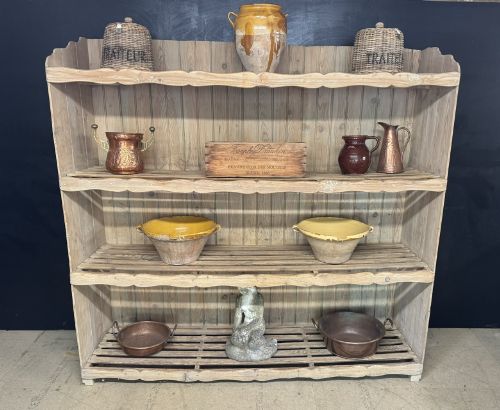
When buyers search for a French country rack, they find a diverse selection of practical wall storage, baker's stands, and display shelving originating from France. The items on this page span several centuries, ranging from eighteenth-century provincial dressers to early twentieth-century industrial pieces.
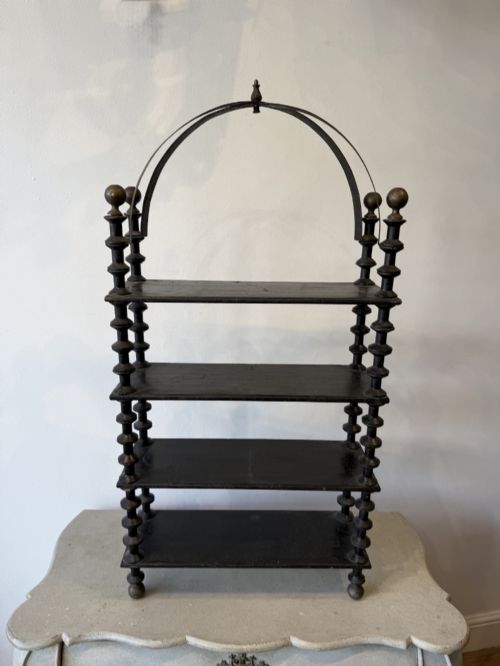
The most common forms include wall-mounted coat hangers, multi-tiered kitchen shelving, and large baker's racks. Materials vary widely across the inventory, encompassing heavy wrought iron, turned wood, brass, and painted pine.
Provincial pieces often reflect utilitarian origins in rural homes, chateaux, or patisseries, blending function with provincial charm. Buyers encounter various object types designed for specific tasks, such as saucepan hanging, hat storage, and dish display.
Materials and Construction
Many baker's racks and saucepan holders utilise robust wrought iron and steel, providing the structural strength needed for heavy kitchen use. Artisans shaped these metals through traditional forging techniques to support multiple tiers and integrated hooks.
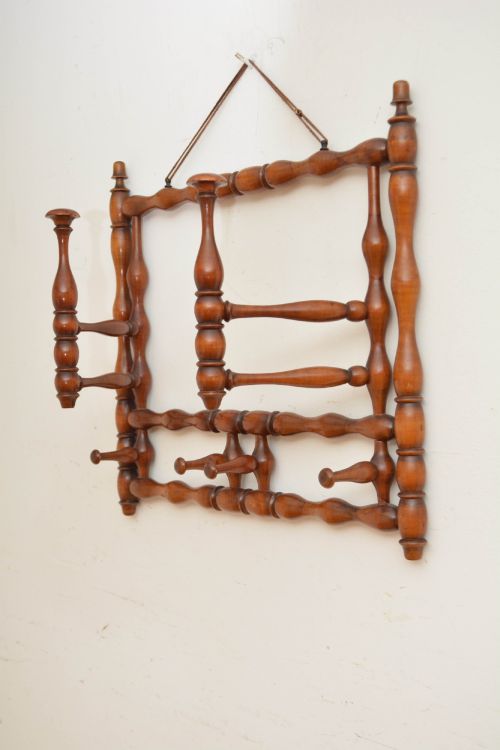
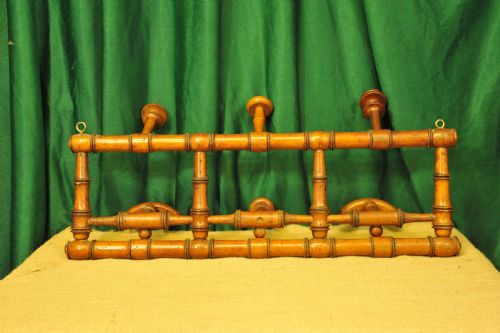
Wooden pieces frequently employ regional timbers such as oak, walnut, cherry wood, and pine, often shaped with turned wood elements or faux bamboo detailing. Carpenters constructed larger dressers and wall shelves using durable joinery suited to daily domestic service.
French Country Rack Retail Price Guide 2026
Typical asking prices for french country rack among the pieces listed under this phrase on Sellingantiques today, from the lower quarter to the upper quarter. They describe what is for sale here now, not the wider market.
One listed item spent its previous life drying cleft hazel prunes before finding its way to the antiques market.
Assessing Quality and Build
Quality in these utility items rests upon the integrity of the original construction and the preservation of surface patina. Pieces featuring hand-forged ironwork or authentic period painted finishes command attention for their tactile honesty.
The degree of wear tells a story of domestic or commercial service, where gentle age enhances the character of the wood or metal. Superior examples retain their original hooks, shelves, and structural stability without intrusive modern repairs.
The French Country Rack Glossary
- Baker's Rack
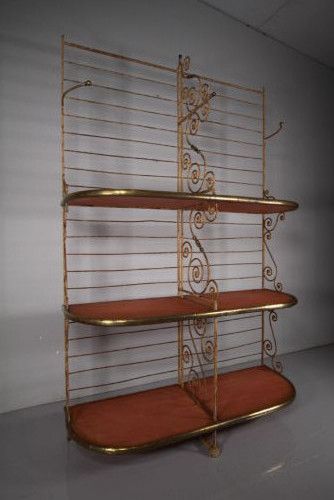
- A large metal or wooden shelving unit historically used in baking and patisserie preparation. These robust structures often incorporate multiple tiers for cooling trays and ingredients.
- Vaisselier
- A traditional French dresser or open-shelf rack designed for storing and displaying kitchenware. Eighteenth-century examples in walnut or fruitwood form the cornerstone of rustic dining room storage.
- Faux Bamboo
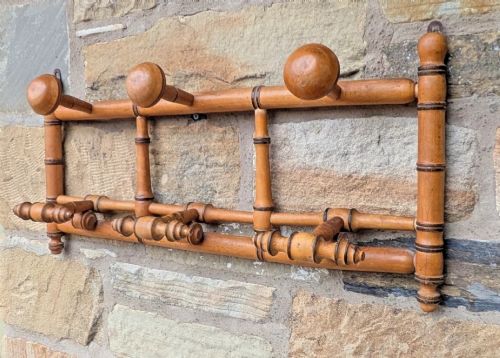
- A decorative style where wood is carved or turned to resemble natural bamboo shoots. This technique appears on nineteenth-century coat racks and wall fixtures.
- Saucepan Rack
- A heavy-duty wall or ceiling unit fitted with numerous iron hooks for hanging culinary pots. Multi-tiered versions provided essential storage in busy provincial kitchens.
French Country Rack: Frequently Asked Questions
What is a baker's rack?
A baker's rack is a multi-tiered metal or wooden storage unit designed for commercial kitchens or patisseries. They provide open shelving for heavy equipment and ingredients.
Today, these versatile iron and steel structures serve as decorative display units or plant stands in domestic kitchens and living spaces.
How were coat racks used?
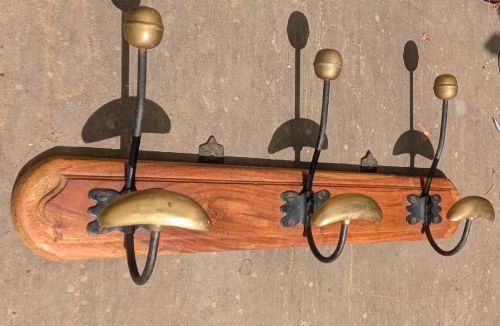
Coat racks provided essential hanging storage for outerwear, hats, and everyday garments in French hallways and hunting lodges. They were mounted to walls using sturdy wooden backplates or metal brackets.
Many surviving examples feature brass or iron hooks attached to turned wood, painted pine, or faux bamboo frames.
How do I care for antique wood?
Antique wooden racks require simple maintenance to protect their historic finishes and natural patinas. Keep them away from direct heat sources and sudden humidity changes to prevent wood movement.
Apply a traditional beeswax polish sparingly to nourish the dry timber without building up excess residue over time.