





French Country Open Bookcase
These french country open bookcase pieces bring rustic provincial utility to your rooms, offering open display alongside timeless European character.
French Country Open Bookcase
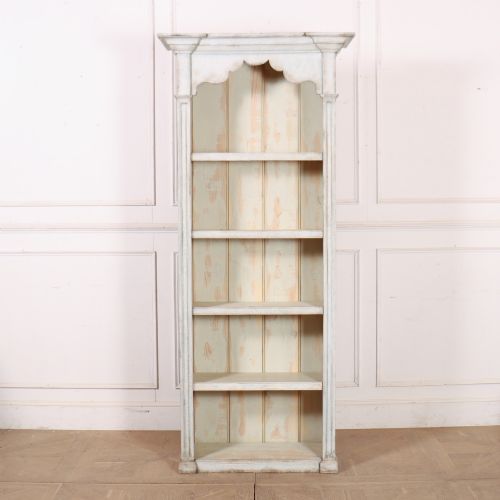
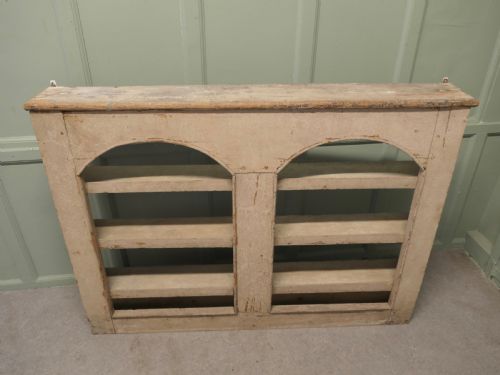
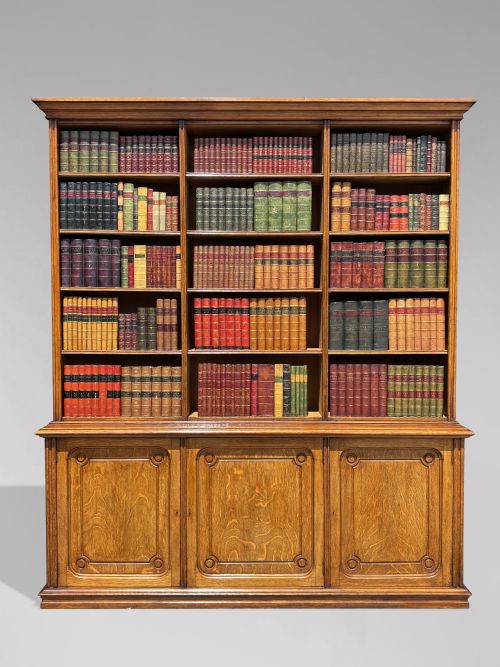
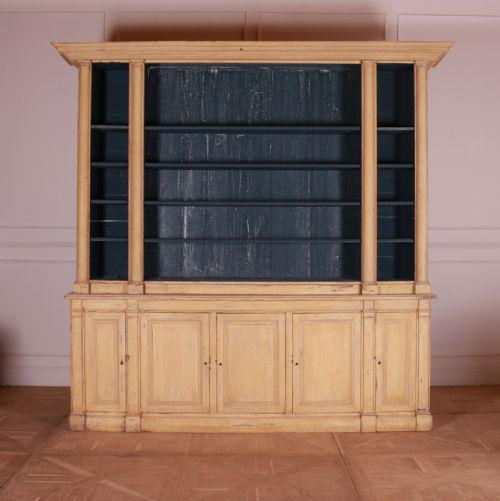
A french country open bookcase takes several practical forms across our listings, ranging from tall oak display units to diminutive dwarf versions and hanging wall shelves. You will frequently encounter alcove cupboards and decorative shelving designed to sit neatly within provincial interiors.
Most examples originate from the nineteenth century, with occasional pieces stretching back into the eighteenth century. These items carry distinct regional identities through French provincial, French chateau, and English country house styles.
Materials and construction methods
Cabinetmakers utilised solid timbers such as pine, oak, fruitwood, cherry wood, and walnut to build these bookcases. Many surfaces retain their original distemper paint or applied painted finishes rather than modern varnishes.
Construction often involved hand carved detailing on structural elements, particularly evident in nineteenth-century walnut and bleached oak pieces. Joinery relied on traditional timber framing to support heavy shelved compartments.
Listings feature items built from pine, oak, cherry wood, and walnut, spanning the eighteenth and nineteenth centuries.
Judging the standard of execution
Quality separates pieces through the selection of primary timbers and the integrity of the original painted surface. Untouched distemper paint or patinated bleached oak commands greater interest than later refinished surfaces.
The finesse of hand carving on structural mouldings and the structural proportion of dwarf versus tall bookcases dictate the overall refinement of the piece.
The French Country Open Bookcase Glossary
- Dwarf bookcase
- A low shelving unit designed to sit beneath window height or within smaller rooms.
- Alcove shelving
- Custom-fitted or freestanding shelves built to occupy recessed wall spaces.
- Distemper paint
- A traditional water-based paint mixture utilising chalk and pigment, frequently found on older provincial furniture.
- Bleached oak
- Timber that has undergone a lightening process to soften the natural dark tone of the grain.
French Country Open Bookcase: Frequently Asked Questions
How do I date these bookcases?
Dating relies on examining the timber species, tool marks, and construction joints visible on the frame. Nineteenth-century examples often display hand-sawn board marks and traditional peg joinery.
Paint finishes also provide clues, as original distemper or layered historic paint differs significantly from modern synthetic coatings. Comparing proportions against known period styles helps narrow the decade.
Where should I place an open bookcase?
These units suit living areas, studies, or hallways where books and decorative objects require accessible display. Taller oak versions need sufficient vertical clearance and steady wall anchoring.
Diminutive dwarf bookcases fit well beneath windows or in smaller alcoves without overwhelming the floor space. Hanging shelf variants work effectively above sideboards or desks.
How do I care for painted wood?
Painted surfaces require gentle dusting with a dry, soft cloth to prevent abrasion to historic distemper layers. Avoid harsh chemical cleaners and modern polishes that can soften old paint.
Keep the timber away from direct heat sources and dramatic humidity fluctuations to prevent wood movement and flaking paint. Maintaining stable room conditions preserves the original finish.