


French Country Light Fixture
A french country light fixture brings rustic charm and weathered elegance to a room through traditional metalwork and soft illumination.
French Country Light Fixture
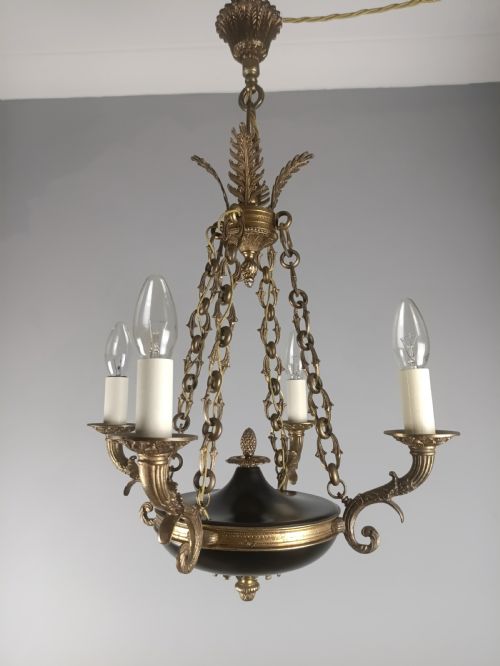
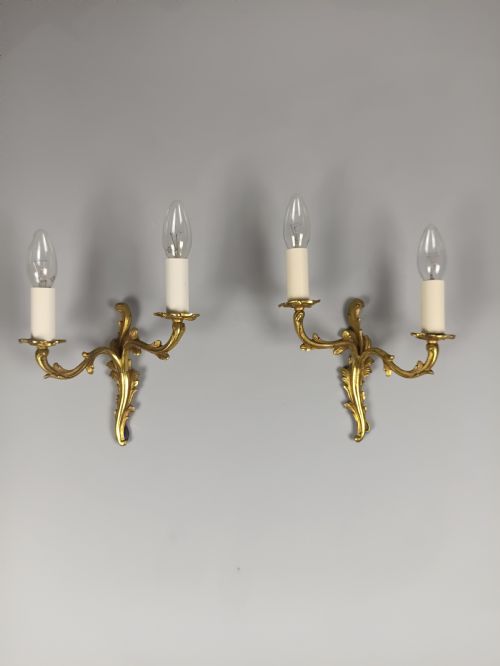
A french country light fixture encompasses multi-arm chandeliers, wall lights, and hall lanterns sourced from the nineteenth and early twentieth centuries. These pieces reflect regional domestic traditions combined with classical styles such as Rococo, Empire, and Neoclassical.
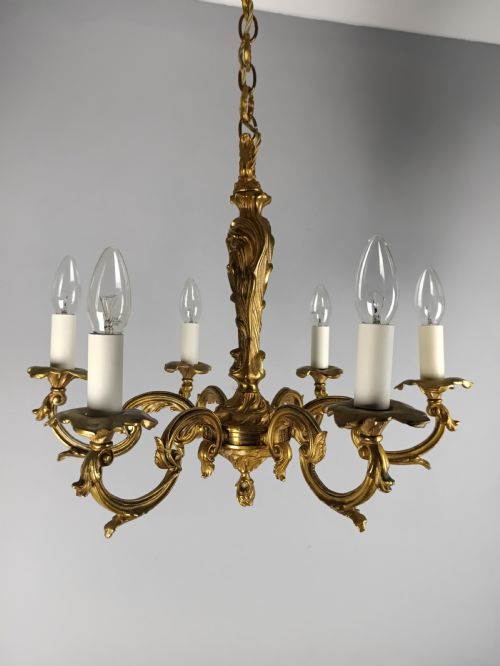
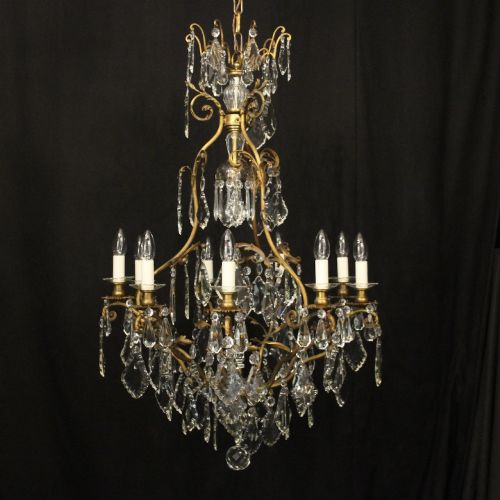
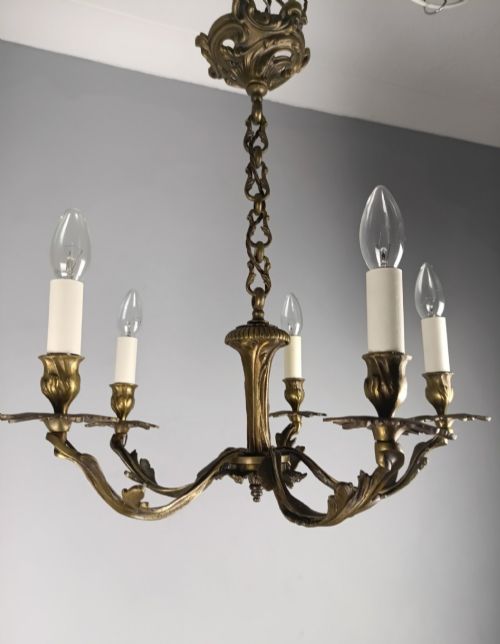
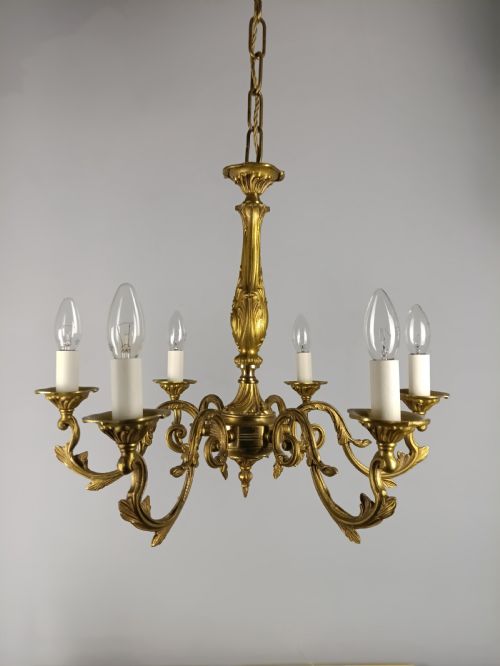
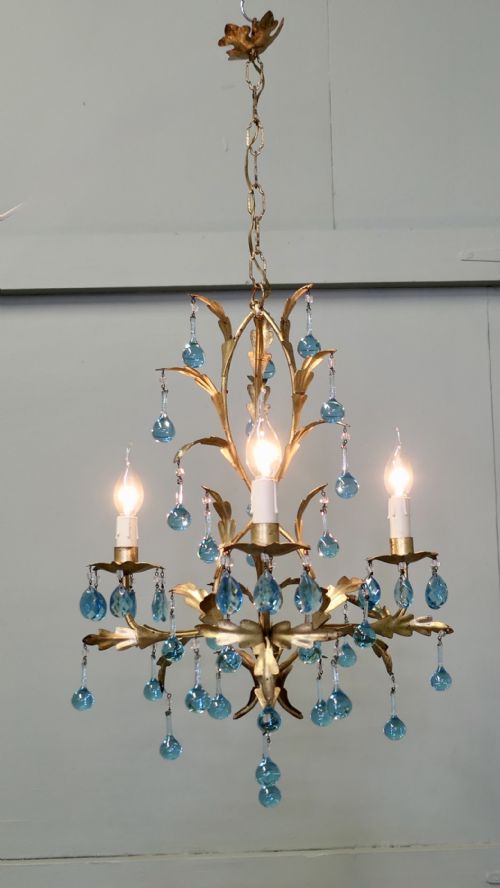
The most common examples on this page are multi-light chandeliers dated around the 1920s and 1930s. They typically feature branching arms made from gilt brass, bronze, or wrought iron.
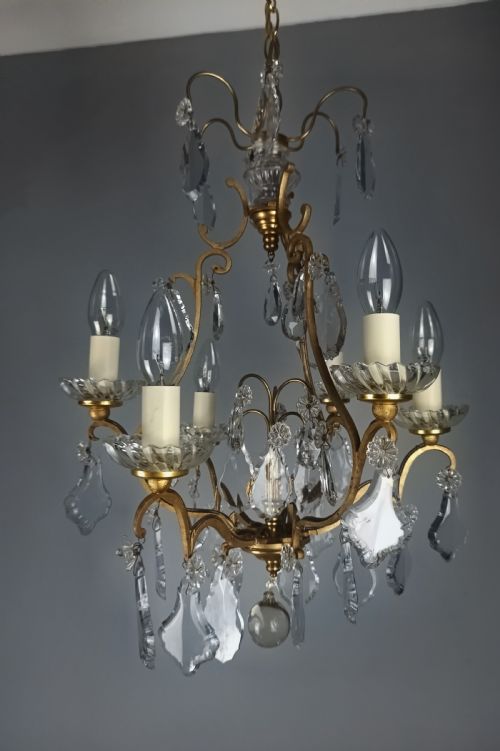
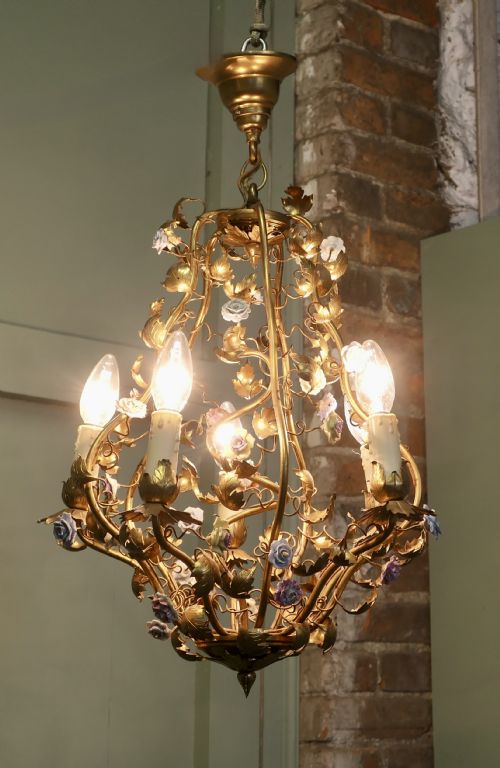
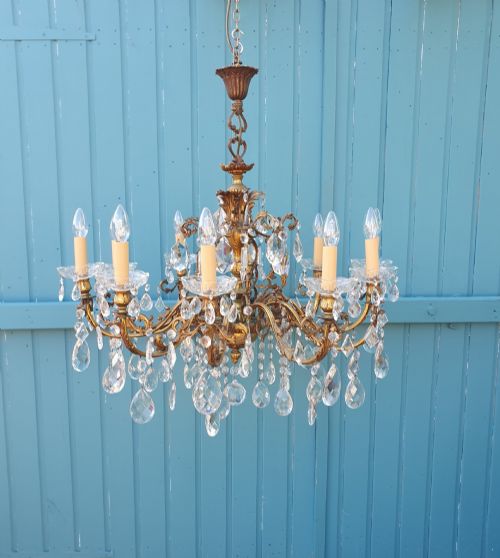
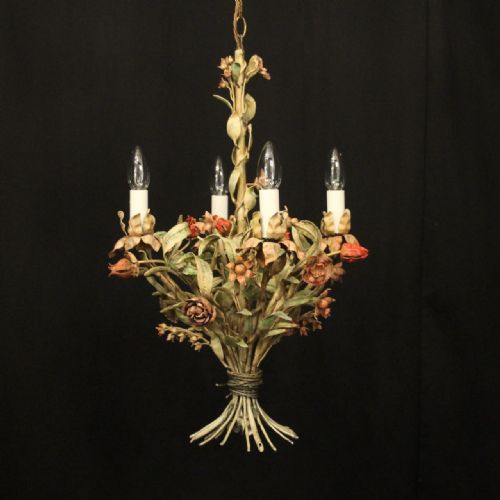
Many designs incorporate decorative elements such as cut glass drops, crystal fruits, or painted toleware floral details. Smaller wall lights and hall lanterns appear alongside the larger centrepiece chandeliers.
Materials and construction
Makers utilised cast and forged metals including brass, bronze, iron, and gilt metal for the main frames and arms. These structural elements often received a gilt finish or polychrome paint.
Illumination was completed by suspending clear, amber, mauve, or coloured crystal drops and glass fruit bunches from the metal framework. Ceramic flowers and hand-painted toleware components added colour and texture to specific floral designs.
Assessing the craftsmanship
The distinction between tiers rests upon the dexterity of the metal casting and the depth of the gilding. Heavier bronze and brass frames with finely chased details demonstrate superior foundational work.
The quality is further elevated by the cut and clarity of the crystal pendants and glass fruit clusters. Pieces that integrate moulded ceramic flowers and hand-painted polychrome toleware require a higher degree of artisan skill.
The French Country Light Fixture Glossary
- Toleware
- Painted or lacquered sheet metal items often shaped into floral or decorative foliage motifs. This technique brings vibrant colour to metal lighting structures.
- Gilt bronze
- Bronze metal treated with a thin layer of gold or gilt finish to create a lustrous surface. It is frequently found on nineteenth and early twentieth-century frames.
- Birdcage chandelier
- A lighting form featuring a skeletal metal cage framework draped with crystal strands. The open design allows light to reflect through the central hanging drops.
- Hall lantern
- An enclosed hanging light fixture designed for corridors and entranceways. These pieces typically house multiple light bulbs within a glazed metal frame.
- Polychrome
- The practice of decorating a surface in multiple colours. In these pieces, it frequently appears on painted floral toleware branches.
French Country Light Fixture: Frequently Asked Questions
Where should I hang a chandelier?
These fixtures suit dining rooms, living spaces, and entrance halls where they can serve as a central decorative focal point.
Ensure the ceiling height accommodates the hanging length of the piece, particularly for multi-tier designs.
How do I identify the period?
Dating relies on examining the construction materials, metal finishes, and specific styling cues such as Empire or Rococo Revival influences.
Pieces frequently date from the late nineteenth century through the interwar decades of the 1920s and 1930s.
What maintenance do crystal lights need?
Routine dusting keeps the glass and crystal pendants reflecting light effectively. Periodically checking the metal arms and hanging wires ensures the structural security of the fixture.
Careful cleaning preserves the original gilt or painted finishes on the toleware and bronze elements.
Are wall lights matched to chandeliers?
Wall lights often share the materials and decorative motifs of the larger chandeliers, such as gilt brass or bronze construction.
Pairs of wall sconces provide complementary accent lighting within the same room.