

French Country
These pieces gather the rustic charm of rural living into a french country antique, bringing solid wood and time-worn character to daily spaces.
French Country
A french country antique encompasses practical household furnishings derived from provincial regions, designed for everyday utility in farmhouses, chateaux, and village homes.
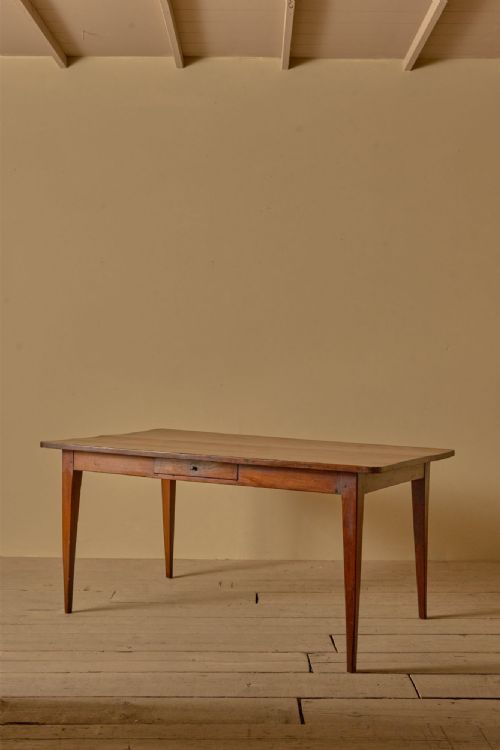
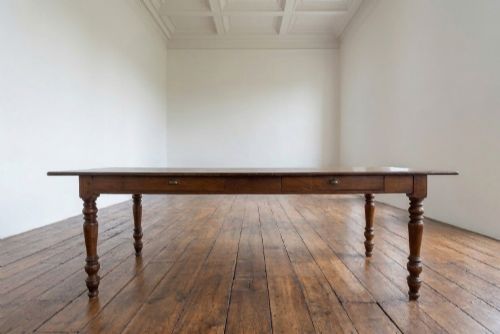
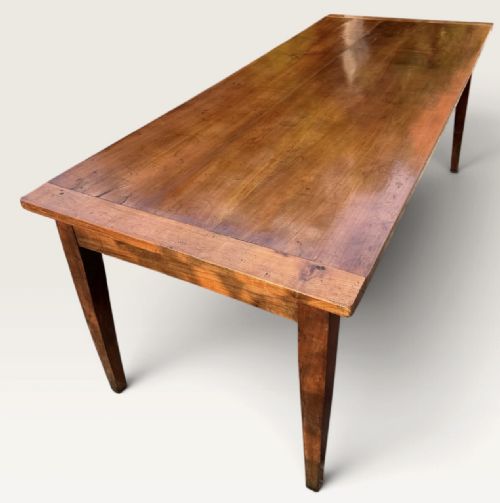
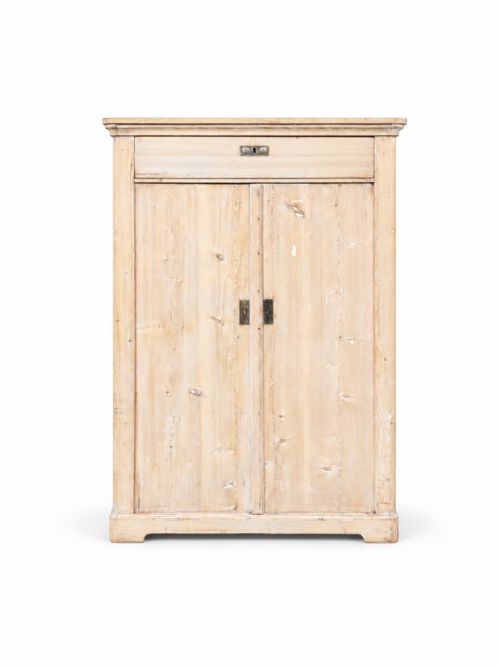
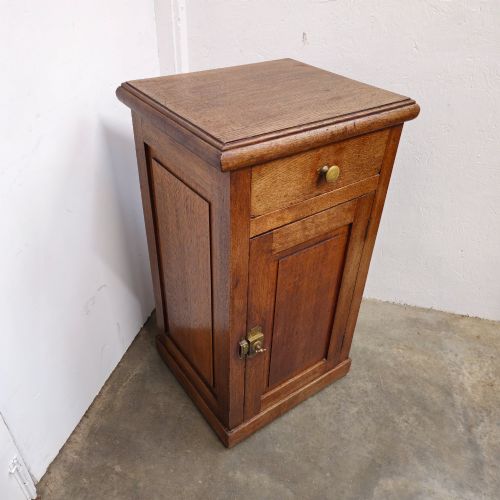
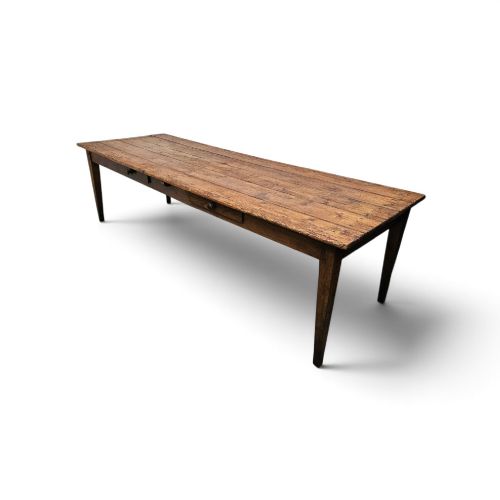
The selections on this page concentrate heavily on nineteenth-century oak, walnut, and fruitwood dining tables, sideboards, commodes, and mirrors.
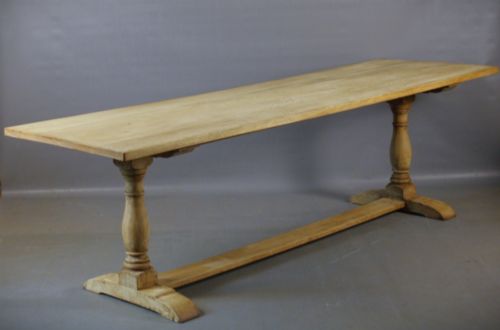
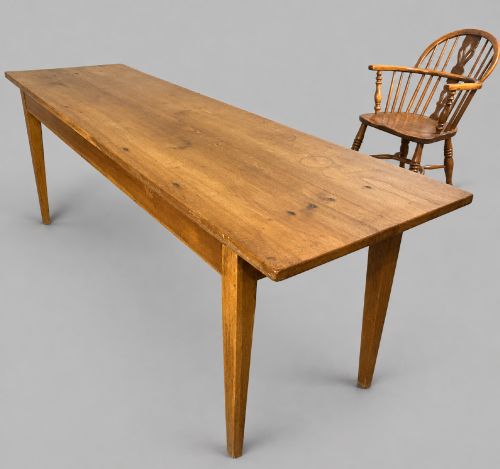
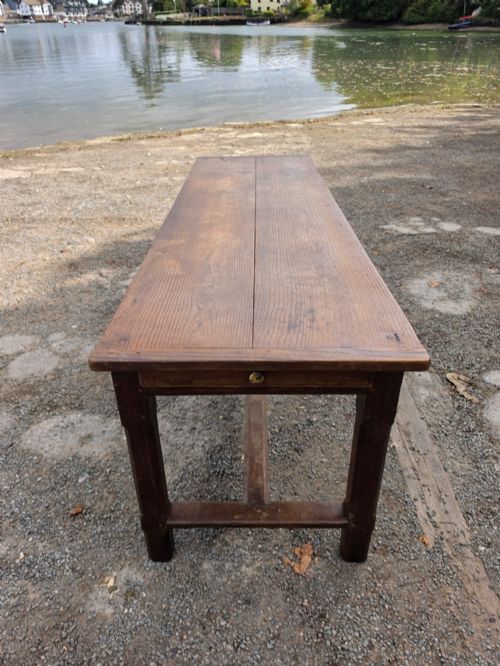
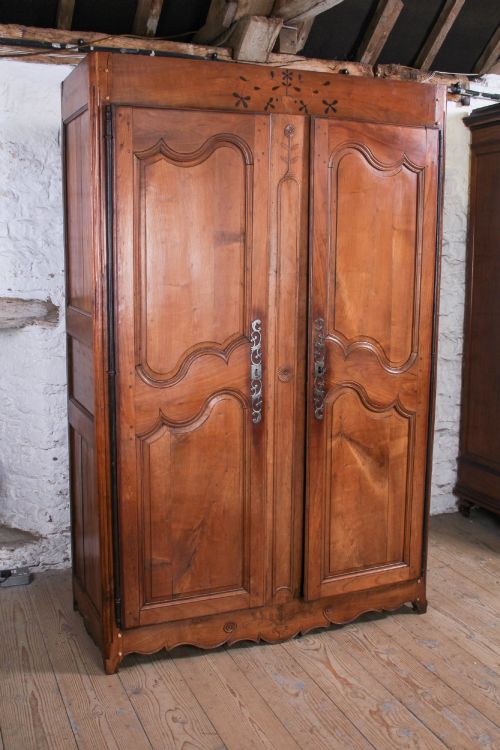
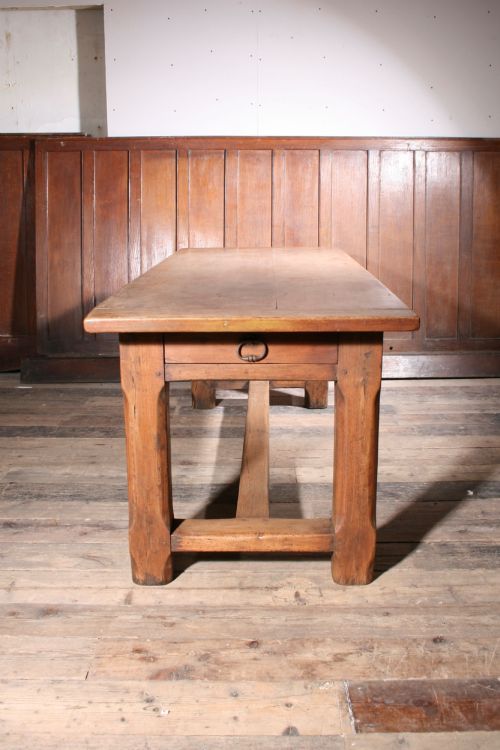
Buyers encounter sturdy refectory tables, carved buffets, and painted pine or beech cabinets shaped by regional traditions rather than formal court aesthetics.
Materials and construction
Local timbers such as oak, beech, chestnut, elm, and cherry form the primary structure of these items, selected for durability and native availability.
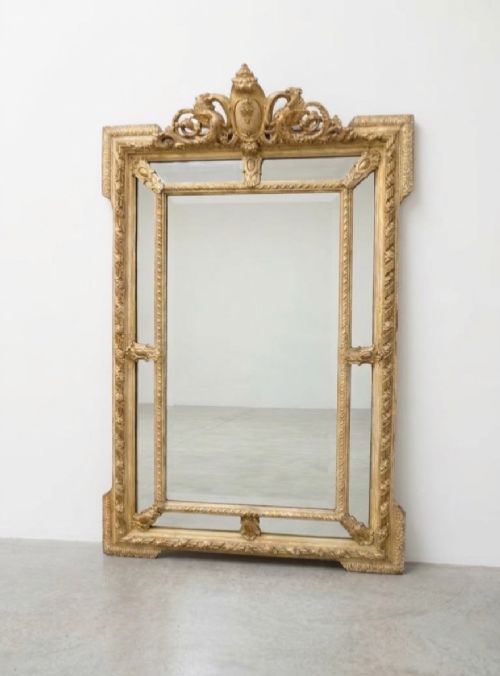
Surfaces frequently display hand-carving, simple peg joinery, and applied gesso or gilding on decorative elements like mirrors and chandeliers.
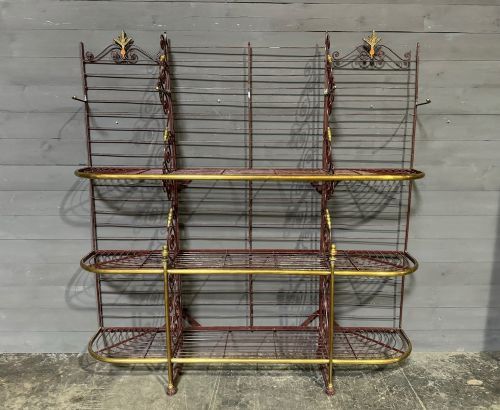
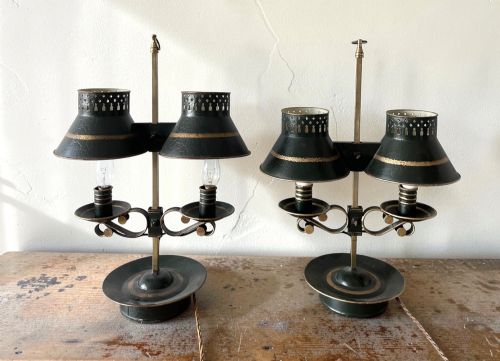
Makers utilised brass fittings, cast iron, and crystal accents to complete functional pieces intended for prolonged domestic use.
French Country Retail Price Guide 2026
Typical asking prices for french country among the pieces listed under this phrase on Sellingantiques today, from the lower quarter to the upper quarter. They describe what is for sale here now, not the wider market.
Available forms span the eighteenth, nineteenth, and early twentieth centuries, covering dining tables, armoires, commodes, and mirrors.
Assessing craftsmanship
Quality rests upon the integrity of the timber selection, evident in solid wood boards versus secondary veneers, alongside the crispness of hand-carved details.
Proportion and structural survival dictate standing, as items retaining original hardware, uncompromised joints, and authentic patination command greater attention.
Finer examples demonstrate balanced regional proportions and deliberate restraint in ornamentation, separating utilitarian items from more ambitious provincial commissions.
The French Country Glossary
- Commode
- A low chest of drawers or cabinet. These often feature shaped fronts and rich walnut or chestnut grain.
- Trumeau mirror
- A wall mirror incorporating an oil painting or carved panel above the glass. They typically hang above mantelpieces.
- Giltwood
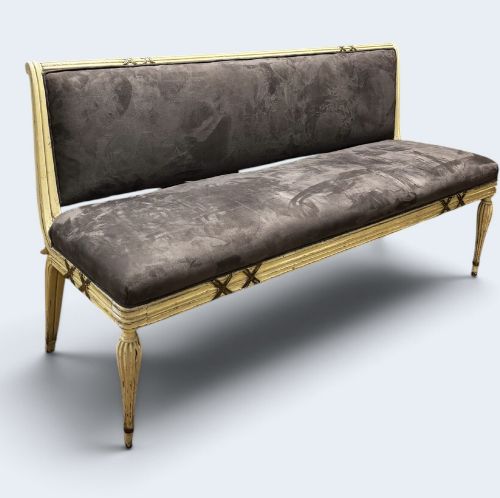
- Wood coated with gold leaf or a gold-coloured metallic finish. This technique highlights carved frames on mirrors and seating.
- Refectory table
- A long dining table traditionally built for communal meals. They utilise sturdy oak or cherry timbers with substantial stretchers.
- Provincial
- Denoting styles originating from regions outside the capital. These pieces adapt high-fashion motifs into simpler local interpretations.
French Country: Frequently Asked Questions
How do I use a farmhouse table?
These large wooden tables serve as central hubs for daily meals, food preparation, and family gatherings in modern kitchens or dining rooms.
Their robust construction handles heavy daily use while adding historical warmth to open-plan living spaces.
Where do wall mirrors go?
Hanging a large mirror above a mantelpiece, sideboard, or console table reflects natural light and creates an illusion of depth in a room.
Heavily carved or gilded frames work best as standalone focal points on plain walls.
How do I care for antique wood?
Protect timber surfaces by avoiding direct sunlight and maintaining steady indoor humidity to prevent warping or splitting.
Applying natural wax periodically nourishes the grain and preserves the historic patina accumulated over generations.
What defines Louis Philippe style?
This mid-nineteenth-century aesthetic favours clean lines, subtle curves, and minimal ornamentation over excessive carving.
Pieces from this period emphasise the natural figure of walnut or mahogany timbers.