


French Classical Figurine
These pieces unite classical mythology and historical heroism with the enduring finesse of nineteenth-century French foundry work.
French Classical Figurine
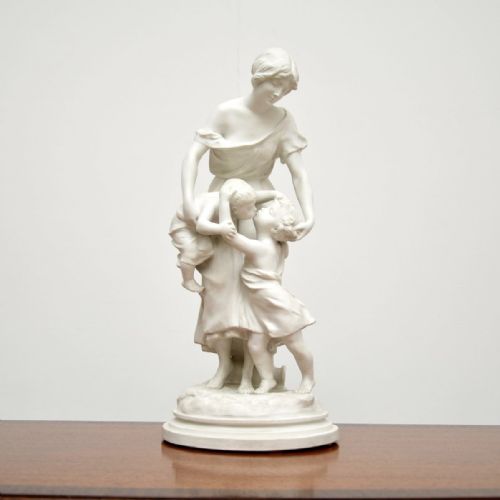
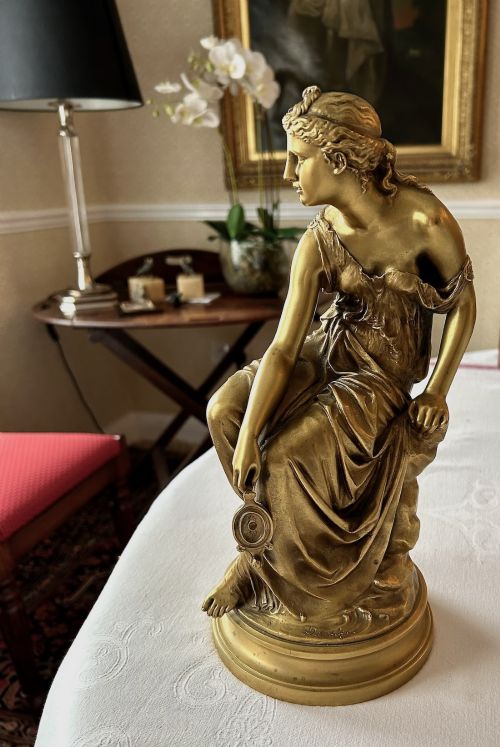
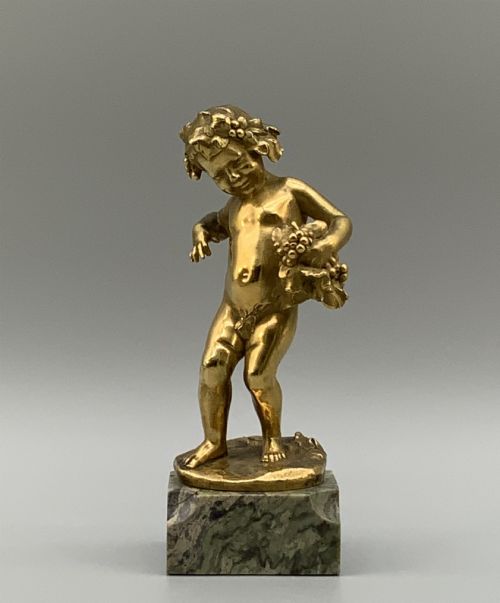
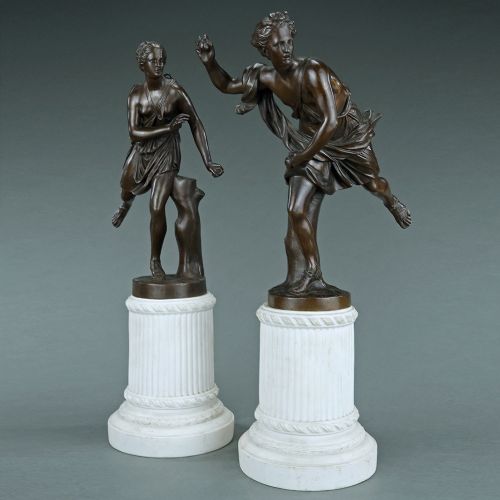
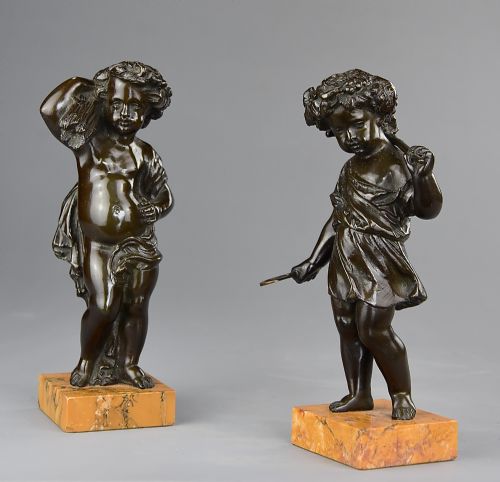
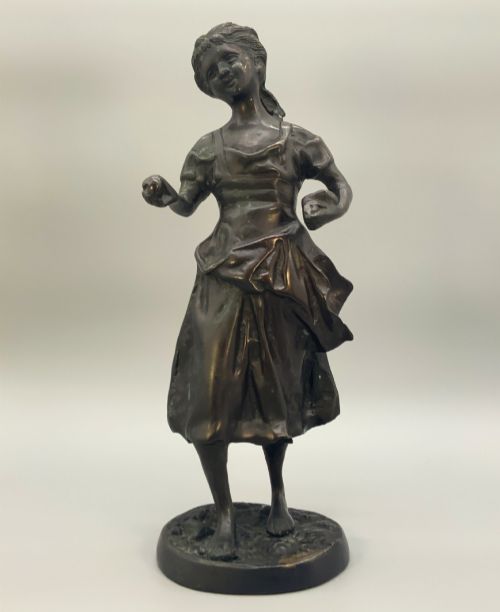
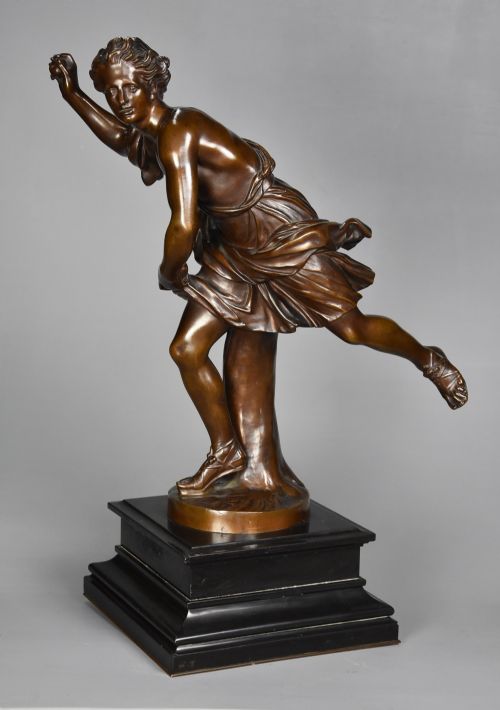
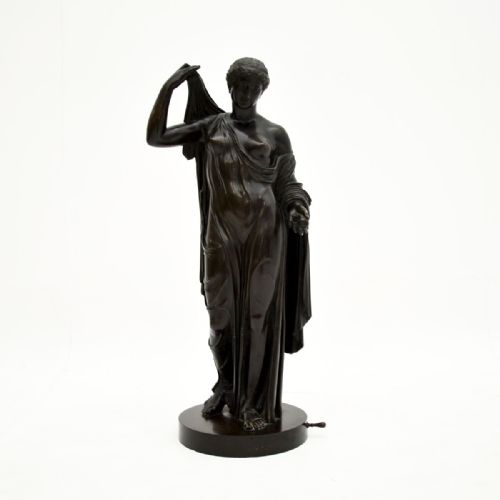
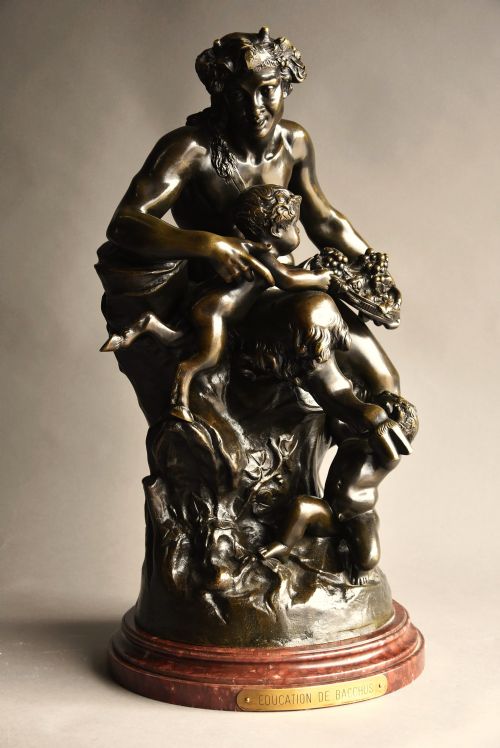
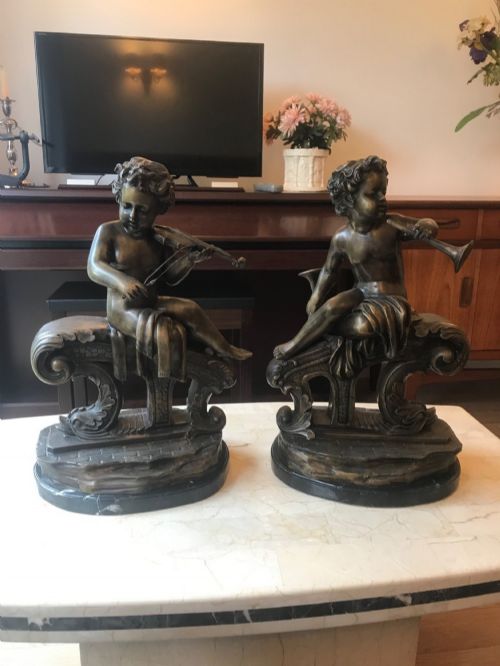
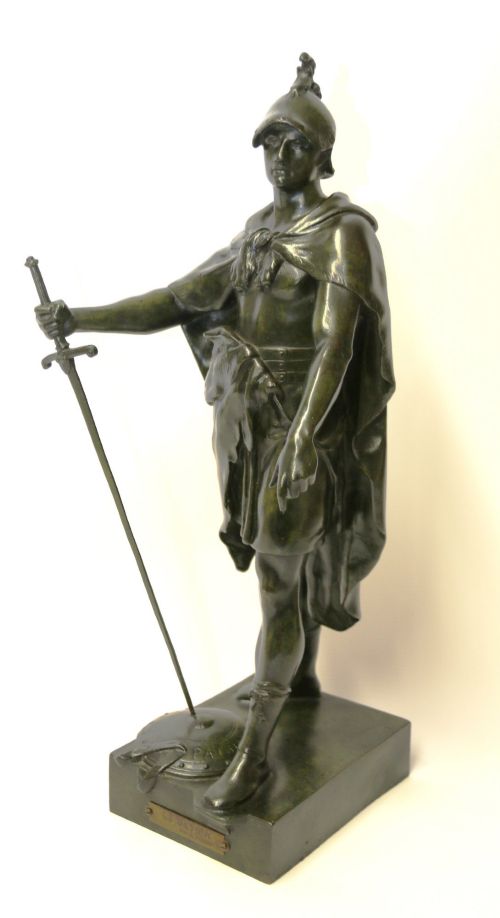
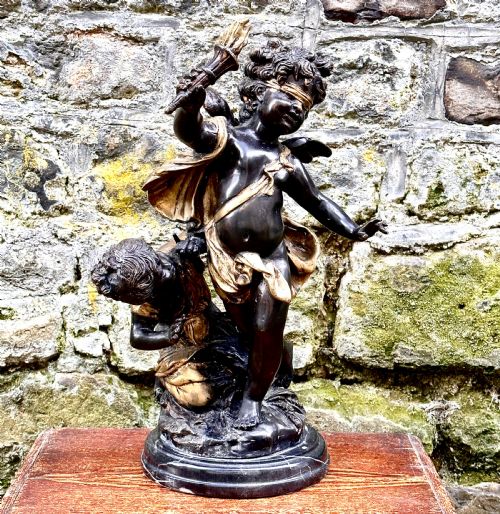
A French classical figurine represents mythological figures, allegorical subjects, or historical personages cast in metal or carved in stone. Collectors encounter depictions of Roman soldiers, putti, maidens, and classical dancers predominantly dating from the nineteenth and early twentieth centuries.
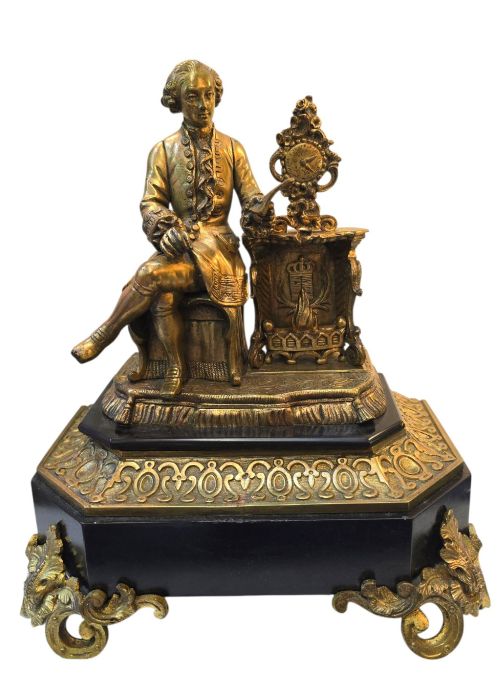
The objects take the form of standalone sculptures, sculptural groups, busts, and occasionally figural clock cases. Makers drew heavily on antique sculpture, translating ancient marble prototypes into bronze editions for domestic interiors.
Materials and Casting
Foundries utilised the lost-wax method or sand casting to shape molten bronze into intricate figures. Artisans then applied patinated finishes or fire gilding to achieve tonal depth on the metal surface.
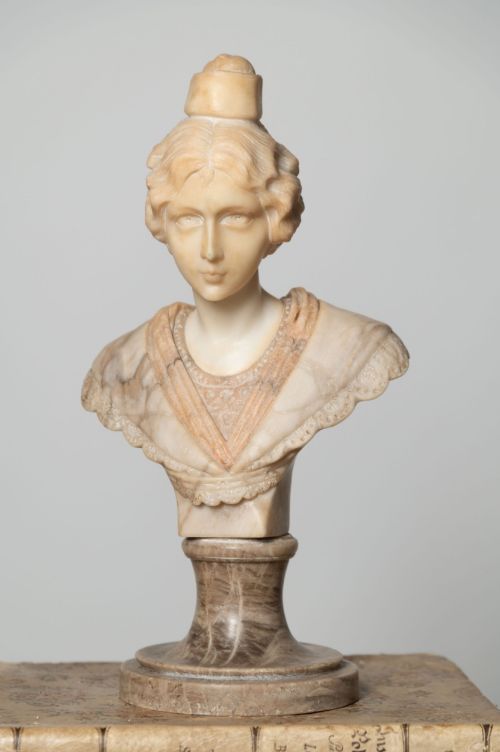
Sculptors also carved subjects from white marble and alabaster, or modelled forms in porcelain and terracotta. Cold painting was occasionally applied to bronze surfaces to introduce colour to garments and details.
Listings feature bronzes, marbles, and porcelain pieces spanning the nineteenth century to the Art Deco period.
Evaluating the Cast
Foundry cachets and legible signatures from recognised artists or reduction houses provide firm evidence of standard. A rich, stable patina applied evenly across the bronze separates accomplished studio output from later commercial editions.
Etienne-Henri Dumaige·Susse Frères·Barbedienne·Pierre le Faguays·Claude Michael Clodion·Moreau Family·Émile Louis Picault·Mathurin Moreau·Aurore Onu·Julien Lorieux·E.Villanis·Luca Madrassi·Aristide Maillol
The French Classical Figurine Glossary
- Patina
- The surface coloration and chemical sheen developed on bronze over time or through artificial application. It protects the metal and defines the contours of the sculpture.
- Lost-wax casting
- A hollow casting method where a wax model is melted out of a mould to receive molten metal. This technique allows for exceptional detail in complex figural works.
- Chasing
- The manual finishing process where artisans refine a raw bronze cast using chisels and hammers. It removes casting flaws and sharpens textural details.
- Putto
- A plump, winged infant figure frequently depicted in classical and Renaissance art. Sculptors employed them as allegorical representations of harvest, music, or love.
- Grand Tour
- A cultural journey undertaken by wealthy young Europeans to study classical antiquities. Souvenirs from these travels included reduced bronze copies of famous statues.
French Classical Figurine: Frequently Asked Questions
What periods do these figures cover?
The available selection spans the nineteenth century through the early twentieth century. Most examples cluster around the Victorian era and the turn of the twentieth century.
Art Nouveau and Art Deco interpretations also appear alongside strict Neoclassical revivals from French foundries.
How were these bronzes displayed?
Owners typically placed these sculptures on mantelpieces, pedestals, or library tables as decorative art. They served as conversation pieces that reflected the classical education and refined tastes of the owner.
Clockmakers also incorporated smaller figural casts directly into architectural mantel clock housings.
How do I identify a foundry mark?
Foundry stamps and signatures are usually located on the cast bronze base or along the lower edge of the sculpture. Names such as Barbedienne indicate professional reduction and casting standards.
Signatures should be examined to determine if they are cast into the metal or later engraved by hand.
What materials are common besides bronze?
While bronze is the predominant medium, sculptors also worked in marble, alabaster, terracotta, and porcelain. Porcelain figures often emerged from major European manufacturing traditions like Samson of Paris.
Alabaster and marble were frequently selected for reclining figures and classical busts requiring softer, translucent flesh tones.