

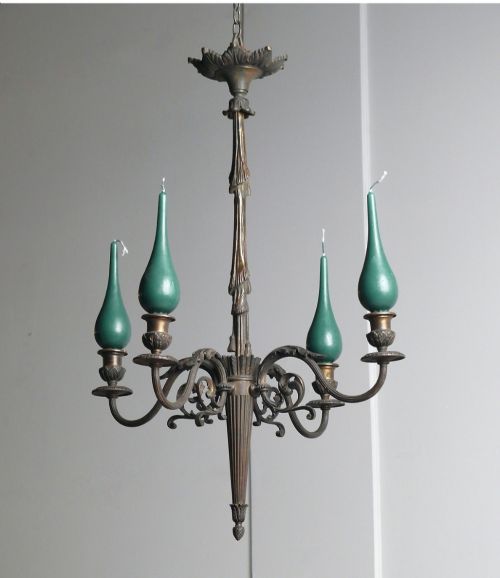


French Classical Chandelier
A french classical chandelier brings formal elegance and striking illumination to a room, drawing the eye with polished metal and hanging crystal.
French Classical Chandelier
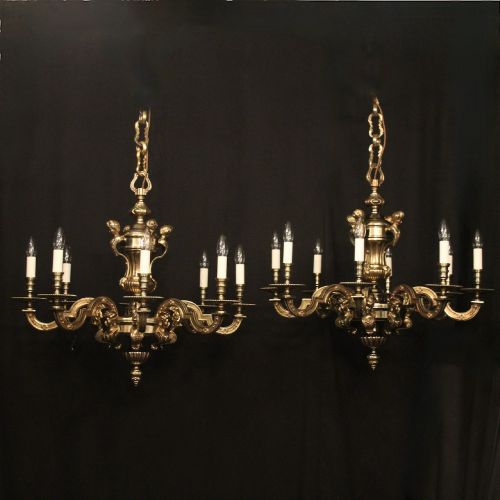
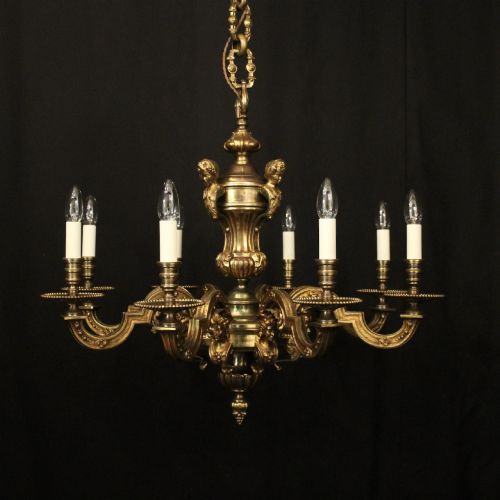
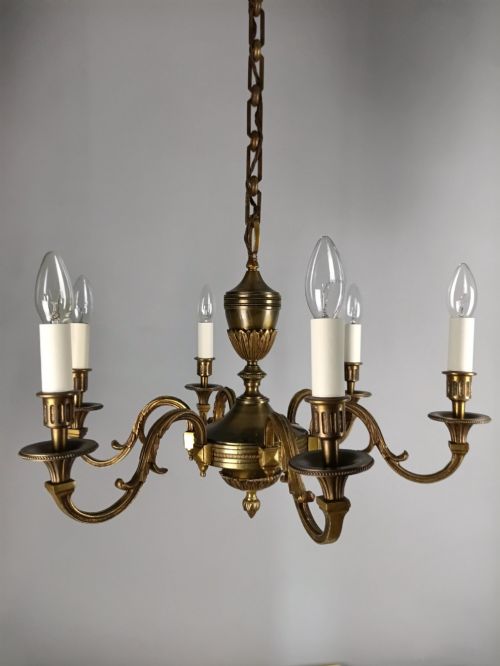
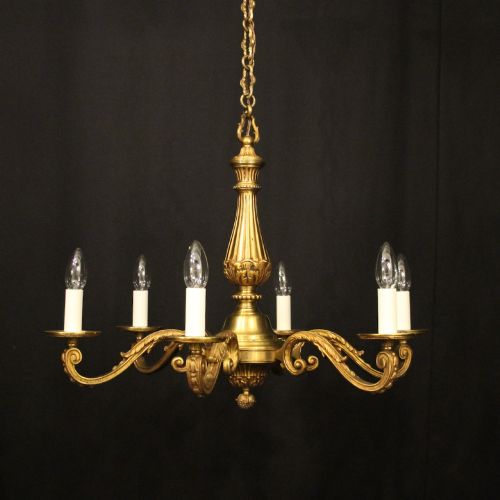
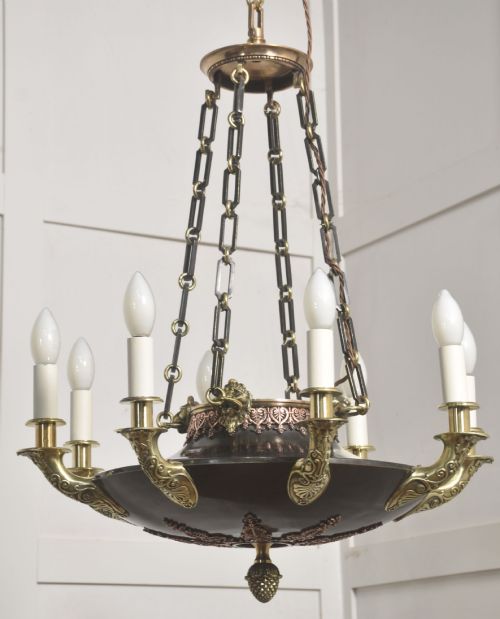
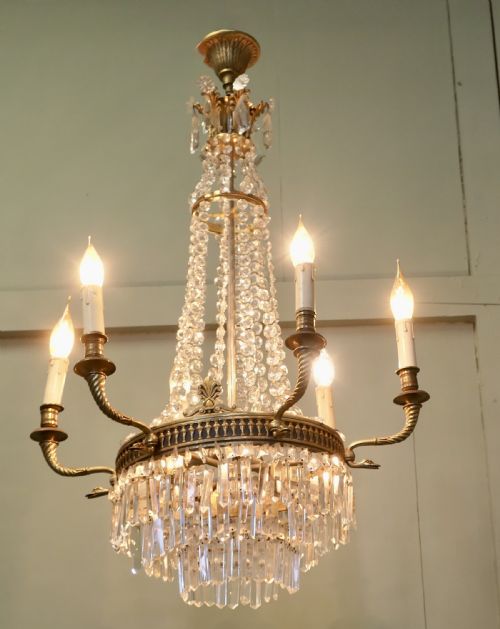
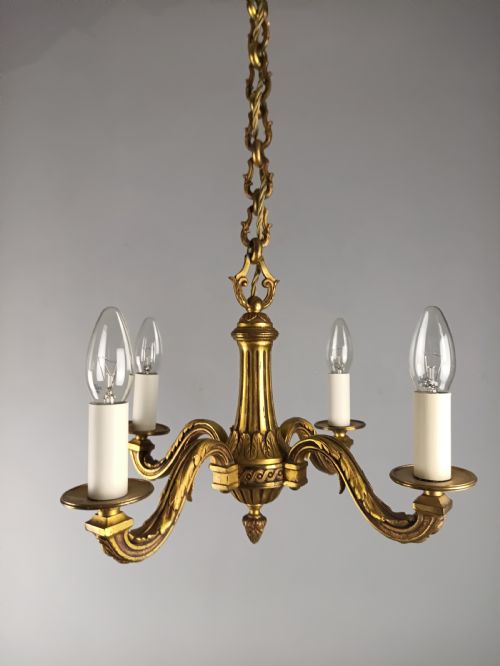
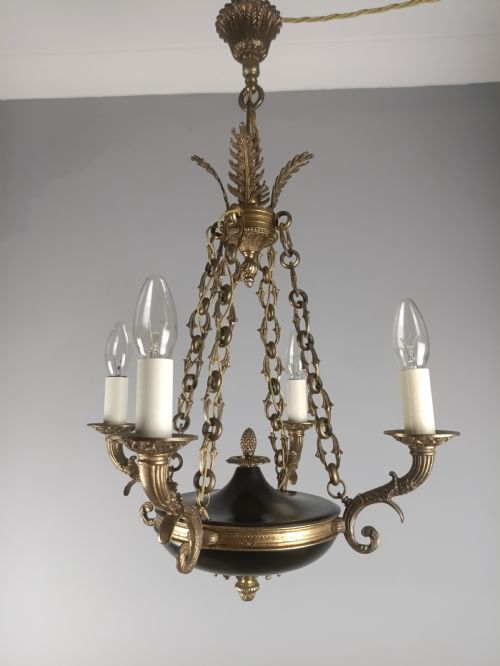
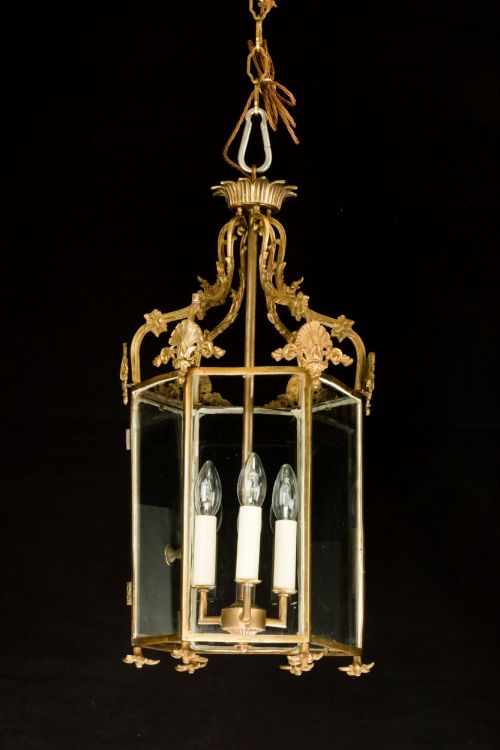
When searching for a french classical chandelier, you encounter ornate ceiling lighting spanning the nineteenth century through the 1930s. The selection includes multi-arm designs, hall lanterns, and tent and waterfall configurations originating from French chateau and neoclassical traditions.
Materials and Construction
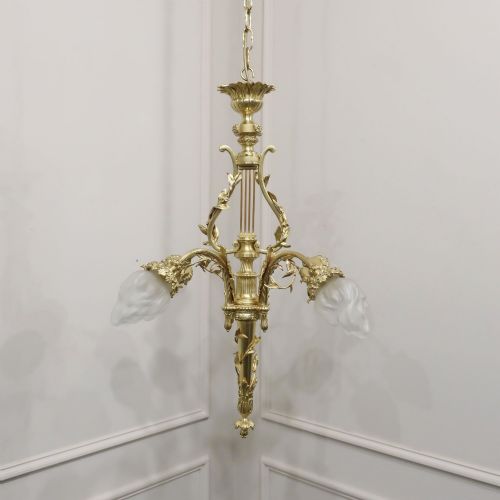
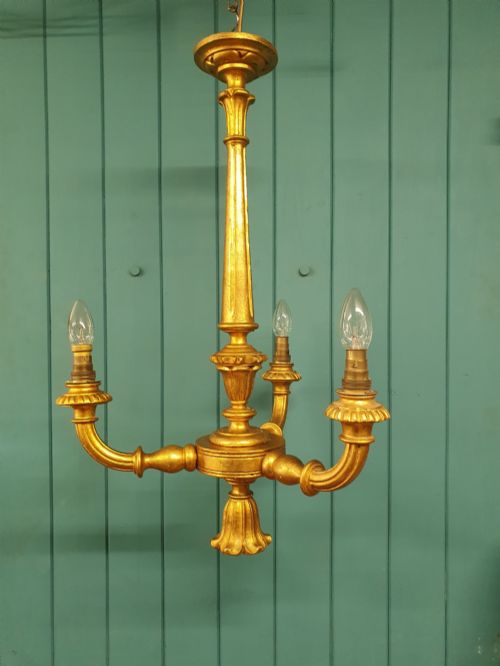
The framework relies on cast metals such as bronze, brass, ormolu, and gilded or silver-gilded copper, often shaped into arms, lyres, or tiered structures. Giltwood and carved elements also appear among the listed pieces, providing alternative structural warmth.
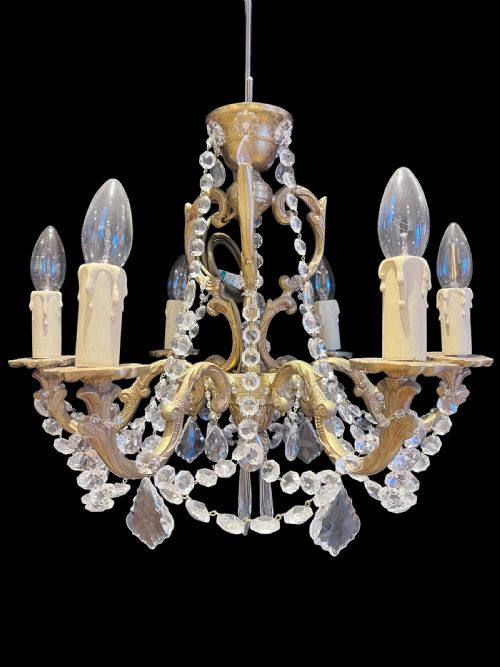
Lighting assemblies incorporate clear glass or cut crystal components, including tent and waterfall configurations that catch and reflect illumination. Metal components frequently receive a gilt or bronze finish to achieve the classic aesthetic.
French Classical Chandelier Retail Price Guide 2026
Typical asking prices for french classical chandelier among the pieces listed under this phrase on Sellingantiques today, from the lower quarter to the upper quarter. They describe what is for sale here now, not the wider market.
Listings span periods from the nineteenth century through the 1930s, featuring materials such as brass, gilt bronze, crystal, and ormolu.
Assessing Quality and Execution
Quality rests upon the crispness of the metal casting and the depth of the gilding or bronze patina. Finer examples display sharp, well-defined chased details on the arms and central stems rather than soft or smoothed surfaces.
The integrity and clarity of the glass or crystal drops further separate tiers of execution. Superior pieces utilise precisely cut crystals that secure firmly to the metal framework, maintaining balance across multiple tiers and branches.
The French Classical Chandelier Glossary
- Ormolu
- Gilded bronze produced by applying a mercury and gold amalgam to a bronze object. This technique creates a durable, luminous surface finish found on many classical fixtures.
- Tent and waterfall chandelier
- A lighting form featuring strings of beads gathered in a tent shape at the top, cascading down into a wider waterfall effect around the lower tiers.
- Lyre chandelier
- A fixture shaped to resemble the ancient musical instrument, incorporating symmetrical curved frames. This motif is typical of the neoclassical style.
- Hall lantern
- An enclosed ceiling fixture designed for entranceways and corridors, often featuring convex glass panels set within a gilded or brass frame.
- Gilt bronze
- Bronze that has been coated with a thin layer of gold leaf or gold paint to impart a rich golden appearance.
French Classical Chandelier: Frequently Asked Questions
How do I hang a heavy antique chandelier?
These fixtures require secure anchoring into ceiling joists using rated steel fixings to support the considerable weight of cast bronze and crystal components.
Professional electrical installation is essential to handle the internal wiring safely and ensure the chandelier hangs at the correct height for the room.
What rooms suit a classical French chandelier?
Dining rooms, high-ceilinged reception rooms, and grand entrance halls provide the scale and presence required to balance multi-armed fixtures.
Placing the light centrally allows the bronze work and crystal drops to serve as a focal point without obstructing movement below.
How do I clean crystal and bronze safely?
Dust metal components gently with a dry microfibre cloth and avoid harsh chemical cleaners that can strip the gilt or bronze patination.
Crystal drops can be wiped individually using a mild solution of warm water and washing-up liquid before being dried thoroughly.
How do I date an antique chandelier?
Dating relies on identifying stylistic markers such as Empire tent arrangements, neoclassical lyre motifs, or Rococo asymmetrical scrolling.
Examining the cast metal construction methods, fixing screws, and wiring types provides further clues to whether a piece originates from the nineteenth century or the early twentieth century.