


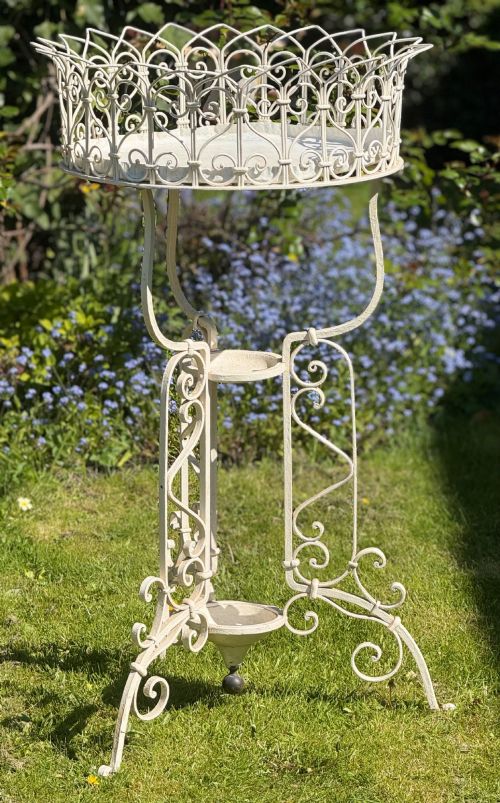


French Cast Iron Holder
These french cast iron holder pieces are robust utility objects that bring sturdy form and period character to halls and gardens.
French Cast Iron Holder
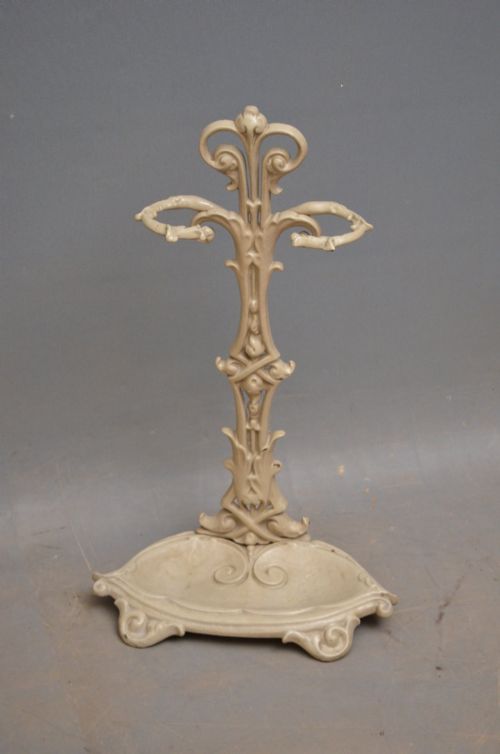
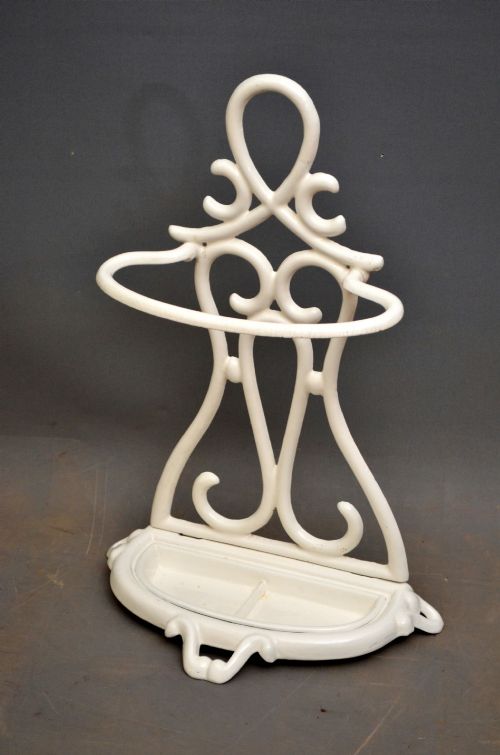
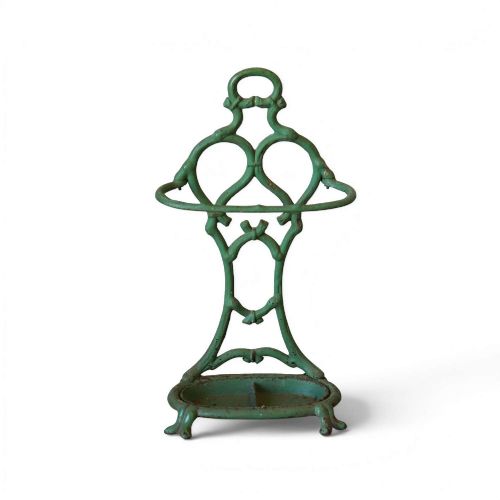
When you search for french cast iron holder forms, you encounter practical items designed for domestic utility and structural display. The selection here leans heavily towards umbrella stands, stick stands, plant stands, and jardinieres originating from the nineteenth and early twentieth centuries.
The objects span several distinct design movements, with French Art Nouveau examples featuring prominently alongside Victorian, Art Deco, and Arts and Crafts pieces. These items served functional roles in hallways and gardens, combining heavy metal construction with decorative moulding.
How they were made
Makers utilised durable metals, predominantly casting iron into intricate moulds to create structural forms and decorative surfaces. Secondary materials such as brass, enamel finishes, and glass often complement the primary iron framework.
Wrought iron techniques appear alongside cast components, particularly in garden jardinieres and hall lanterns. Certain pieces incorporate painted surfaces or faux bois bamboo designs rendered directly into the metal.
French Cast Iron Holder Retail Price Guide 2026
Typical asking prices for french cast iron holder among the pieces listed under this phrase on Sellingantiques today, from the lower quarter to the upper quarter. They describe what is for sale here now, not the wider market.
Listings feature pieces spanning the nineteenth century through to the nineteen thirties, covering Art Nouveau, Art Deco, and Arts and Crafts styles.
What varies in quality
The sophistication of the casting and moulding work dictates the visual success of each piece. Finer examples display crisp botanical motifs and clean lines, whereas simpler items show softer detail and heavier proportions.
The integrity of the original surface finish, whether white enamel, paint, or patinated metal, distinguishes superior pieces. Well-preserved structural joints and the thoughtful integration of contrasting brass elements elevate the overall presence.
The French Cast Iron Holder Glossary
- Cast iron
- A strong, hard alloy of iron and carbon that is poured into a mould to form complex shapes. It forms the primary structural body for many heavy umbrella stands and plant supports.
- Jardiniere
- An ornamental pot or stand for holding plants and flowers, often manufactured from cast or wrought iron during the nineteenth century. These items frequently incorporate decorative basins or wirework.
- Faux bois
- An artistic imitation of wood texture applied to other materials, seen here rendered in metal to mimic bamboo. This technique adds naturalistic detail to rigid iron frames.
- Art Nouveau
- A stylistic movement characterised by flowing, organic lines and plant-inspired motifs. It dominates the French pieces dated around nineteen hundred.
French Cast Iron Holder: Frequently Asked Questions
What were these holders used for?
These items served functional domestic roles, primarily holding wet umbrellas and walking sticks in hallways or supporting plants in gardens and interiors.
Their robust construction allowed them to withstand heavy daily use while adding a decorative element to entryways and living spaces.
How do I identify Art Nouveau pieces?
Art Nouveau examples typically feature flowing, organic lines inspired by natural forms rather than rigid geometric shapes. They frequently date from around nineteen hundred and display plant-inspired casting.
Look for sinuous curves and botanical motifs integrated directly into the iron framework of the stand.
Where should I place a jardiniere stand?
These stands suit both indoor garden rooms and sheltered outdoor spaces, holding potted plants or floral arrangements securely.
The durable metal construction makes them resilient, though indoor placement helps preserve original painted or enamelled surfaces.
How do I care for cast iron?
Keep the metal clean and dry to protect the original surface finish, whether it is painted, enamelled, or bare iron. Avoid harsh chemical cleaners that might strip historic patination.
Gentle dusting and occasional light waxing where appropriate will maintain the condition of the material over time.