

French Carved Wooden Table
A french carved wooden table brings functional warmth and centuries of regional craftsmanship straight into a room.
French Carved Wooden Table
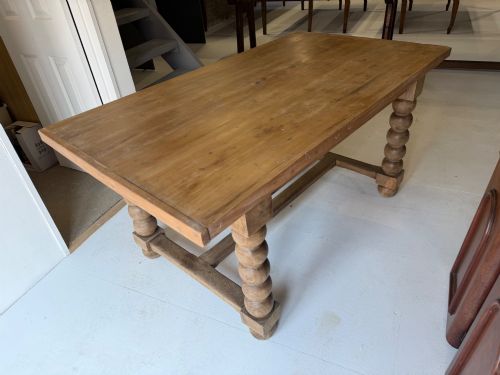
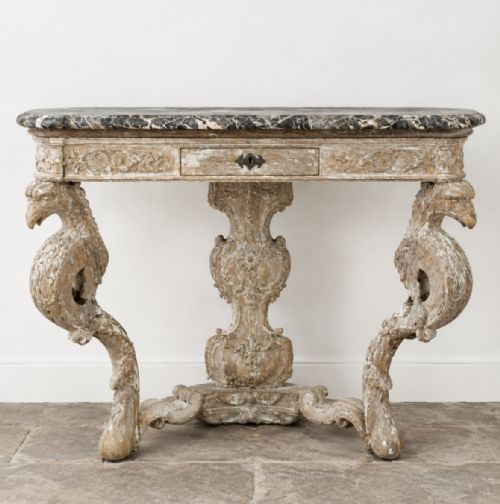
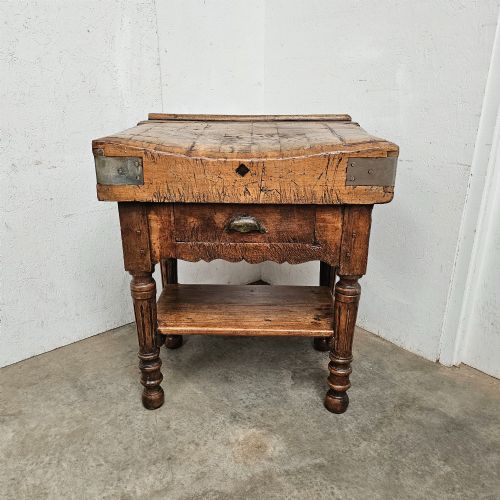
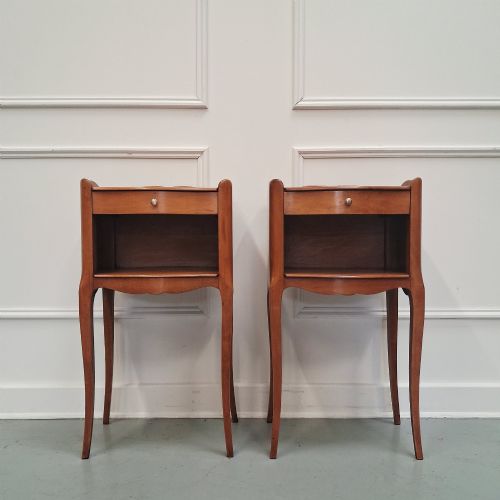
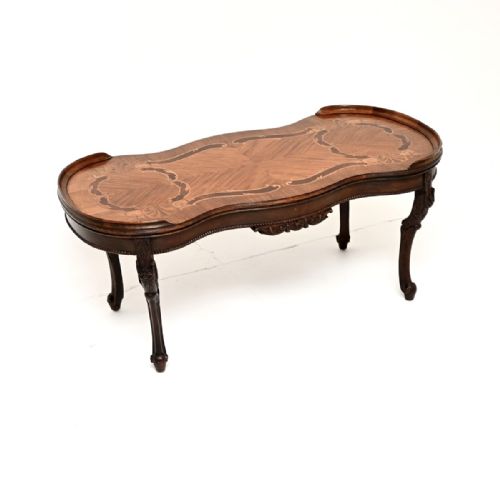
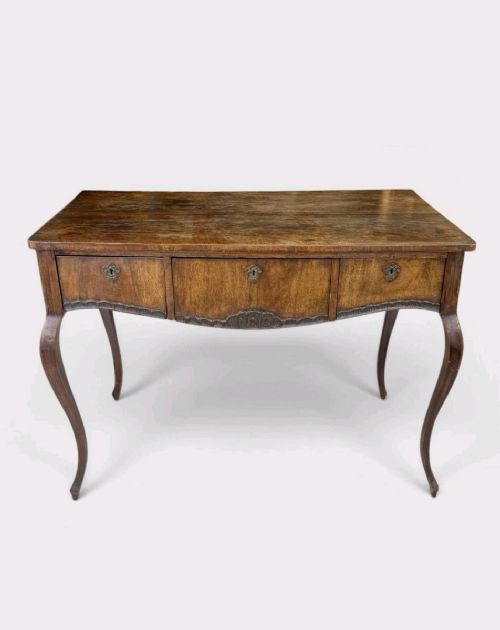
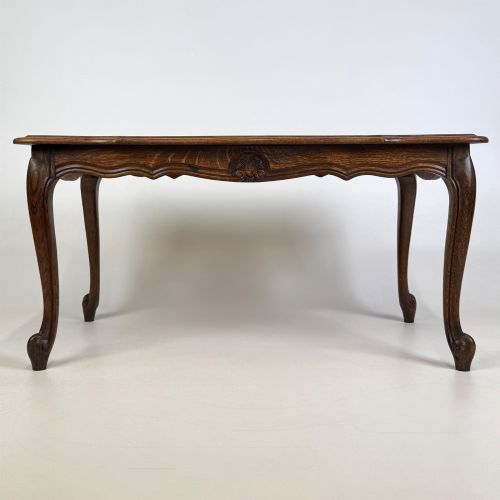
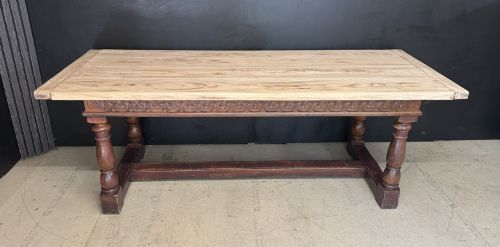
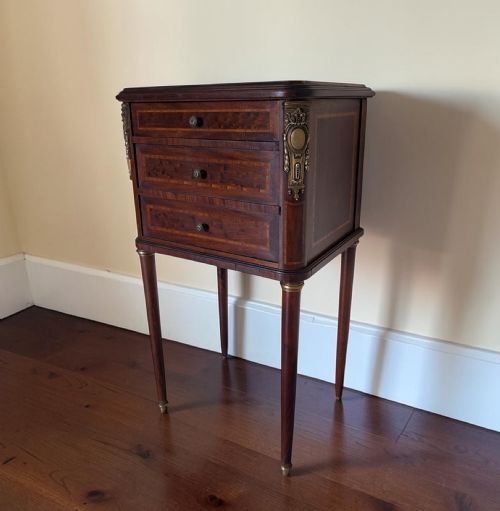
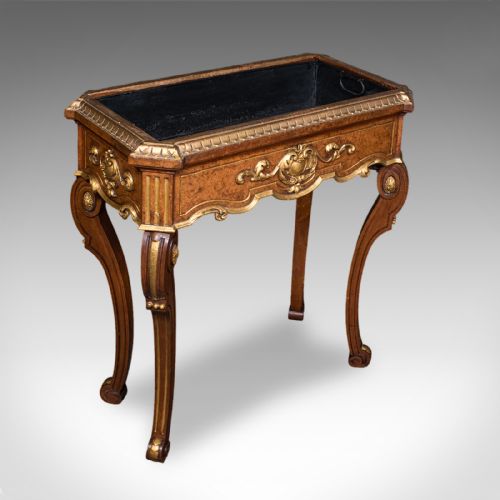
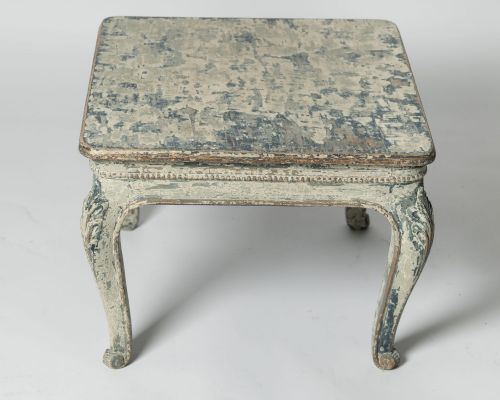
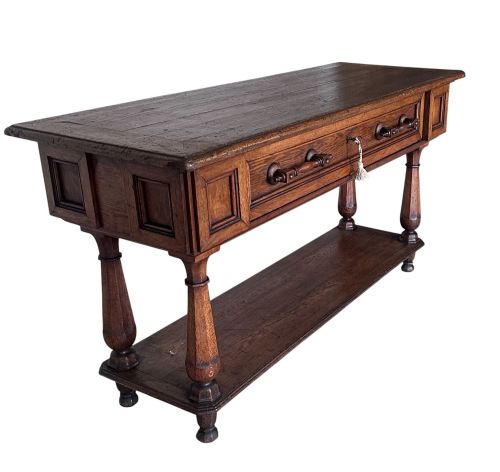
A french carved wooden table encompasses everything from robust oak farmhouse dining boards to delicate walnut coffee tables and console tables. Buyers seeking a french carved wooden table will encounter pieces spanning the eighteenth century through to the art deco period of nineteen thirty. Common domestic forms range from bedside cabinets and writing desks to larger serving tables and occasional stands.
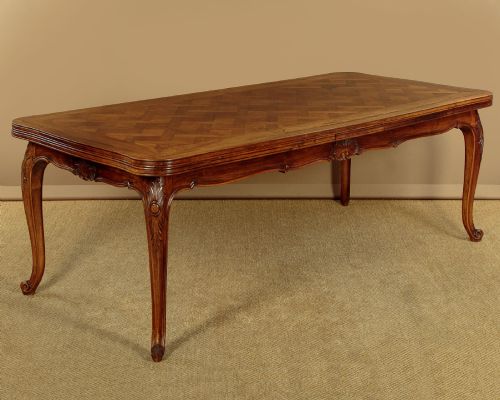
The regional character often leans towards provincial or country styles, alongside more ornate rococo revival pieces. Walnut, oak and beech dominate the construction, frequently displaying hand-carved ornamentation typical of their respective eras. These items serve practical everyday functions while anchoring a room with distinct historic presence.
Materials and Construction Methods
Cabinetmakers relied heavily on dense hardwoods such as walnut, oak and mahogany to build these pieces. Timber selection dictated the structural integrity, with quartersawn oak providing stability for large dining surfaces and walnut allowing for intricate carved details.
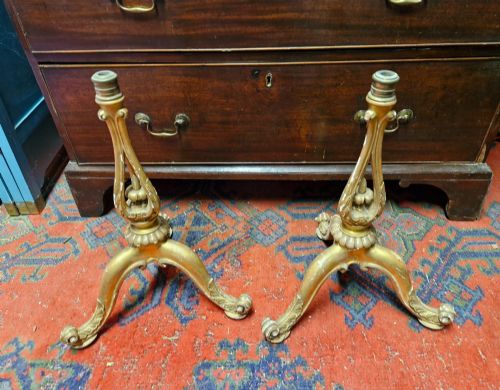
Joinery techniques involved traditional mortise and tenon frames, complemented by hand-carved embellishments executed directly into the solid wood. Surfaces occasionally received paint, giltwood finishes or marquetry inlay to enhance the visual depth of the timber.
Tramp art buffet tables bring folk-art carving into the dining room.
Assessing Craftsmanship and Distinction
The depth and fluidity of the hand carving separate standard commercial items from superior workshop examples. Crisp chisel work and thoughtful proportions indicate a maker with advanced training rather than mass production methods.
The choice of primary timber and the preservation of original surface patination strongly influence the character of the piece. Tables retaining their authentic finish demonstrate better material integrity over centuries of use.
The French Carved Wooden Table Glossary
- Parquetry
- Geometric wood inlay work arranged in patterns across table tops. This technique uses contrasting timber tones to create visual texture.
- Marquetry
- Elaborate decorative veneer work forming pictorial or scroll designs. Artisans cut thin slices of various woods to assemble complex surface images.
- Consol Table
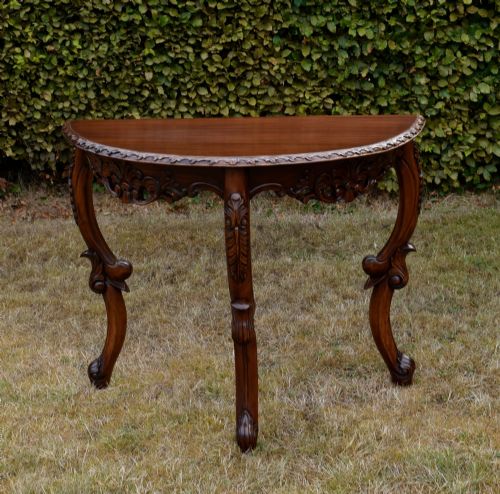
- A wall-mounted or freestanding table designed to sit flat against a vertical surface. These often feature decorative front legs and simpler rear supports.
- Etagere
- A set of open tiered shelves used for display. These pieces provide multiple levels for small objects while maintaining an open silhouette.
- Demi Lune
- A half-moon shaped table design suited for narrow hallways or placement against walls. The curved front softens linear room layouts.
French Carved Wooden Table: Frequently Asked Questions
How do I date a French carved wooden table?
Dating relies on examining the tool marks, joinery methods and specific stylistic traits associated with periods like the eighteenth century or nineteen thirty. Secondary wood choices and hardware also offer clues to the era of manufacture.
Provincial pieces often retain regional quirks that help narrow down the decade of production when compared against standardised factory output.
Are these tables suitable for daily dining?
Oak and walnut dining formats and farmhouse tables are built for robust daily use. Their solid timber construction handles regular domestic activity with ease.
Care should be taken with antique polished surfaces, using coasters and placemats to protect the historic wood from moisture and heat damage.
What is the difference between provincial and rococo styles?
Provincial tables display heavier, simpler lines rooted in regional rural traditions. They prioritize sturdy utility over excessive ornamentation.
Rococo revival examples feature exuberant carved scrolls, asymmetric curves and giltwood highlights designed for formal urban interiors.
How should I maintain an antique wooden table?
Maintain the timber by applying natural beeswax periodically to nourish the grain and preserve the surface sheen. Avoid placing tables near direct heat sources or strong sunlight to prevent wood splitting.
Dust regularly with a dry soft cloth rather than using silicone-based sprays that can damage historic finishes.