
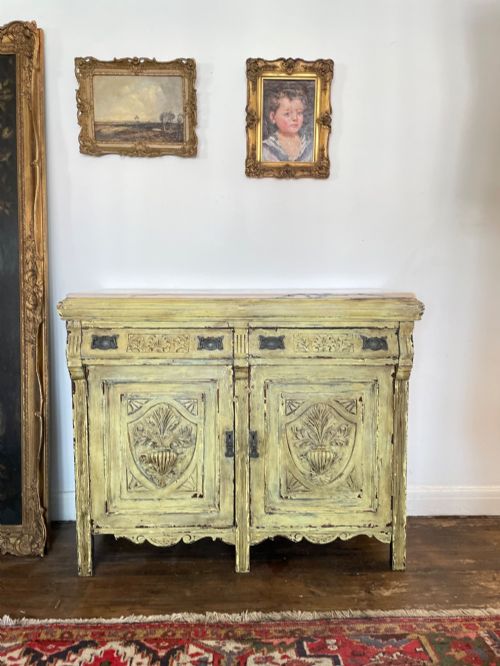
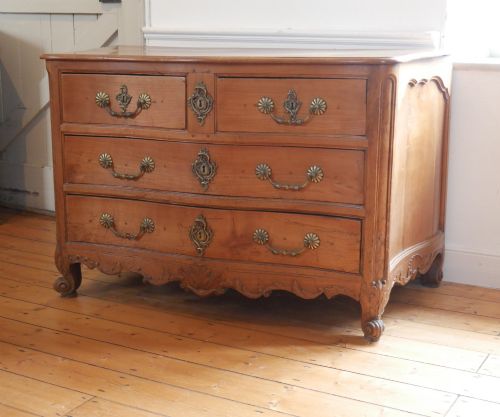
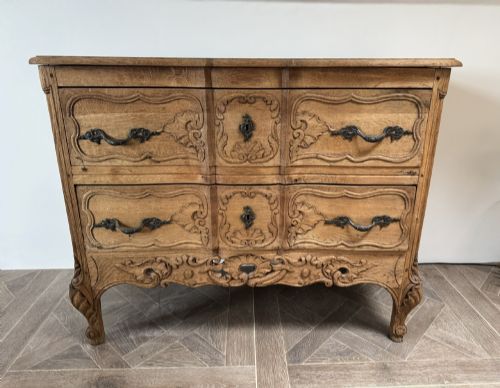

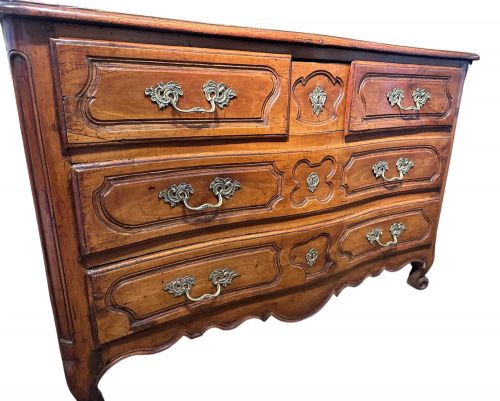

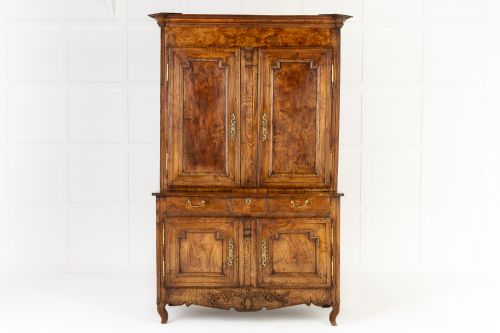


French Carved Wood Sideboard
A french carved wood sideboard brings substantial storage and deep regional character to a dining room or hallway.
French Carved Wood Sideboard
A french carved wood sideboard serves as a commanding storage piece, uniting deep cupboards with expansive surface space for serving and display. When you search for a french carved wood sideboard, you encounter substantial timber constructions originating from distinct provincial regions and urban workshops alike.
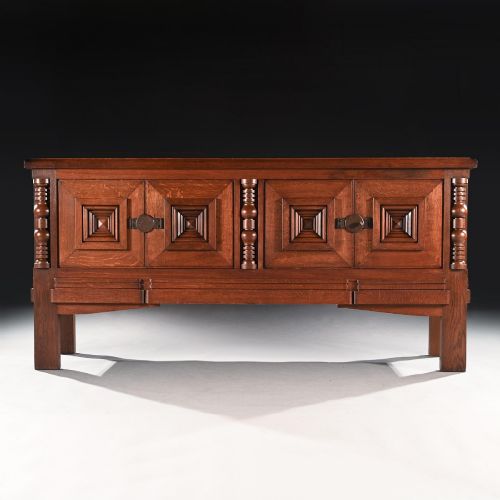
The pieces appearing here span centuries of design, ranging from robust eighteenth-century chestnut and oak buffets to ornate nineteenth-century revival styles and later twentieth-century forms. Oak and walnut predominate, frequently paired with contrasting marble tops or detailed marquetry panels.
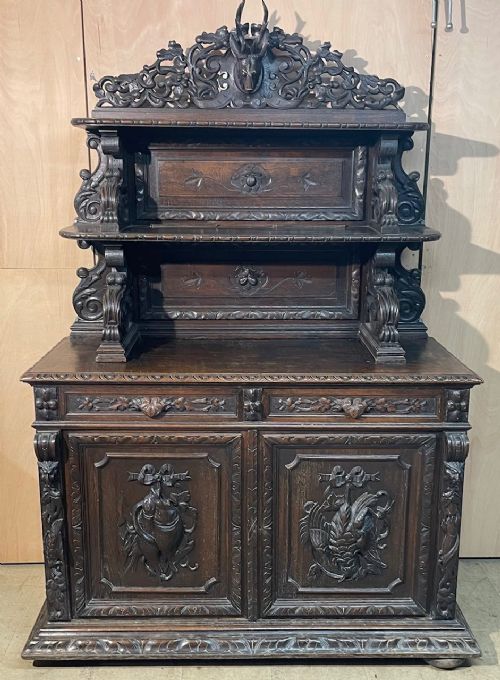
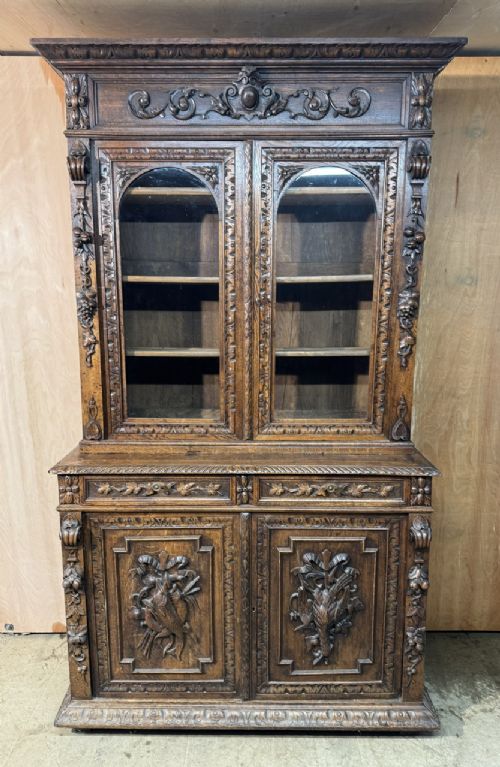
Regional variations remain particularly evident in traditional hunting cabinets and Breton buffets, where deep relief carving depicts rural motifs, flora, and fauna. Alongside traditional cupboards, the selection embraces console tables, commodes, and credenzas sharing similar carved detailing.
Materials and construction methods
Cabinetmakers relied heavily on native hardwoods, selecting oak, walnut, cherry wood, and chestnut for their durability and capacity to hold crisp chisel work. Panels were panelled into heavy frames to accommodate seasonal wood movement without splitting the primary structure.
Surface embellishment relied on hand chiselling to create high-relief floral and figural scenes, complemented by decorative veneers such as palisander and burr elm on later pieces. Iron and brass hardware, including robust hinges and locks, secured heavy timber doors.
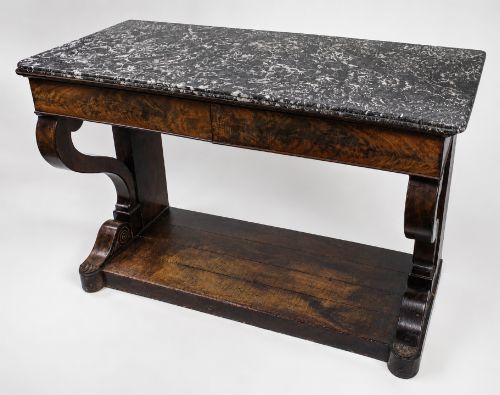
Many heavy storage pieces incorporate fitted marble tops in white, pink, or faux finishes, providing a durable surface above the timber base. Glazed sections and mirrored backings appear on select display cabinets and credenzas from the later periods.
Some nineteenth-century Breton cabinets evolved directly from enclosed wooden sleeping berths known as lit-clos.
Assessing craftsmanship and execution
Quality rests primarily in the depth, precision, and spirit of the hand carving, where master carvers achieved remarkable three-dimensional relief on doors and friezes. Lesser examples display shallow, mechanical milling that lacks the crisp undulations found in superior workshop output.
The choice of primary timber and secondary framing woods dictates the structural integrity of these heavy items, with dense oak and figured walnut marking the higher tiers. Joinery methods, from hand-cut dovetails in drawer construction to tightly fitted frame-and-panel doors, separate utility pieces from exhibition-grade furniture.
Étienne Kohlmann
The French Carved Wood Sideboard Glossary
- Buffet deux corps
- A tall two-tier storage cupboard featuring an upper cabinet set back upon a deeper lower sideboard base. This form provides maximum display and storage capacity in traditional dining spaces.
- Marquetry
- The art of applying small pieces of veneer to a structure to form decorative patterns and pictorial scenes. Craftsmen utilise diverse tinted woods to achieve naturalistic shading.
- Commode
- A low chest of drawers or cabinet designed primarily for domestic storage. French examples frequently incorporate serpentine drawer fronts and marble surfaces.
- Credenza
- A low dining room cabinet or sideboard, often featuring multiple doors and delicate marquetry inlay. This form gained prominence during nineteenth-century revival periods.
- Serpentine
- A furniture front shape characterised by a central concave curve flanked by two convex curves, or the reverse. Executing this profile requires precise woodworking skill.
French Carved Wood Sideboard: Frequently Asked Questions
How do I date a carved sideboard?
Dating relies on examining the timber species, construction joinery, and the stylistic vocabulary of the carving. Eighteenth-century examples display hand-split secondary woods and pegged mortise-and-tenon joints.
Later nineteenth-century revival pieces often incorporate machine-sawn elements and more eclectic decorative motifs drawn from Renaissance or Rococo revivals.
Are marble tops original to these sideboards?
Many nineteenth-century and Art Deco sideboards were constructed specifically to carry heavy marble slabs, which provided a practical, water-resistant surface for serving food and drinks.
Original marble tops typically show edge profiles and thickness consistent with the period of the base cabinet, fitting flush within the wooden retaining moulding.
Where should I place a large buffet?
These substantial storage pieces demand adequate wall space and clearance for heavy cupboard doors to swing fully open. Dining rooms and grand hallways offer traditional settings where the deep relief carving can be appreciated.
Ensure the floor surface is level to prevent racking across the wide frame and heavy doors.
What is a hunting sideboard?
Hunting sideboards are heavily carved nineteenth-century cabinets featuring rural iconography such as game birds, hunting dogs, oak leaves, and bountiful harvest motifs. They reflect the romanticism of country life popular during the period.
These pieces usually showcase some of the deepest and most ambitious relief carving found on French furniture.