







French Campana Urns
French campana urns bring classical proportion and heavy metal or stone presence into a room, making them favoured centrepieces for formal mantelpieces and garden terraces.
French Campana Urns
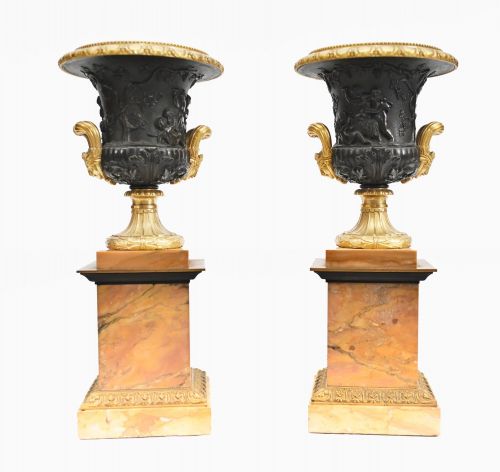
When you search for french campana urns, you encounter classical vessels shaped with a flared bell rim, a deep bowl, and a pedestal base. These decorative forms draw heavily on ancient Roman excavations and the grand tour taste of the nineteenth century.
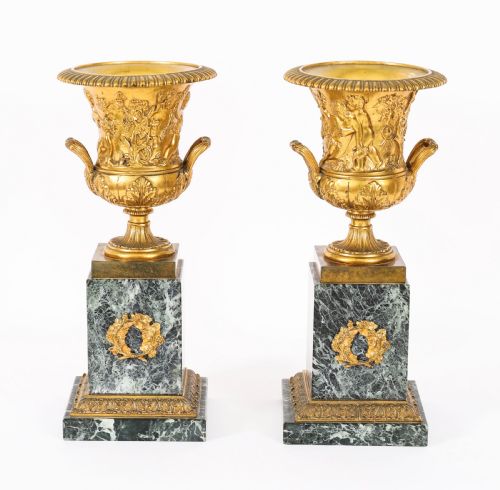
The versions you meet most often on this page date from the nineteenth century, spanning periods from the Charles X era through to the late eighteen-hundreds. They appear as pairs or individual pieces, cast in metals or carved from stone for both indoor display and garden placement.
How they were made
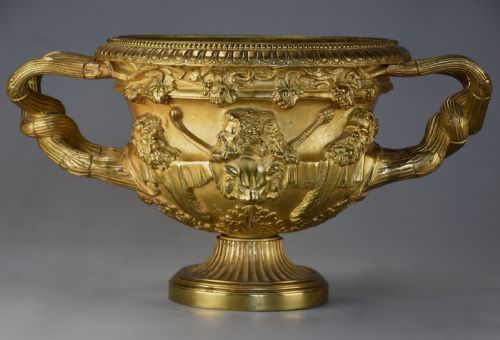
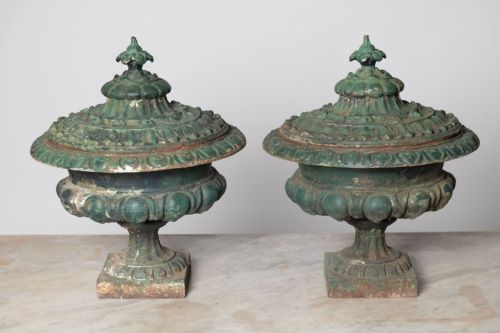
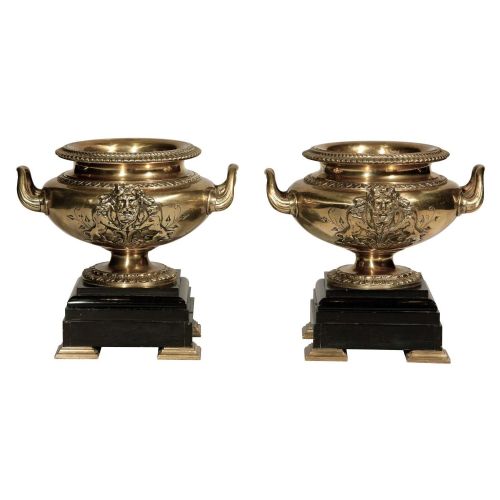
Foundry work relies on casting metals such as bronze, brass, cast iron, and spelter into detailed moulds, capturing crisp gadrooning, scroll handles, and classical figures. Artisans then chased the metal surfaces or applied paint and gilt finishes to highlight the relief decoration.
Stone and ceramic examples utilise carved marble, terracotta, and porcelain, sometimes mounted on contrasting slate or siena marble plinths. These mixed media constructions combine heavy bases with finely detailed bodies.
French Campana Urns Retail Price Guide 2026
Typical asking prices for french campana urns among the pieces listed under this phrase on Sellingantiques today, from the lower quarter to the upper quarter. They describe what is for sale here now, not the wider market.
Listings span the nineteenth century, utilising materials such as bronze, cast iron, gilt bronze, paint, green marble, ormolu, porcelain, and terracotta.
What varies in quality
The distinction between ordinary and exceptional pieces rests on the crispness of the casting and the depth of the chasing. Superior examples show sharp relief in handles and classical friezes without the softness common in later secondary casts.
Materials dictate much of the character, as genuine bronze and finely figured marble carry weight and presence that painted cast iron or spelter imitate on a different scale. Original patination and untouched surface finishes elevate the standing of any piece.
The French Campana Urns Glossary
- Campana
- A bell-shaped vessel form derived from ancient pottery and metalwork found in Italy. This silhouette widens gracefully from a narrow stem to a wide, everted rim.
- Grand Tour
- A cultural journey across Europe undertaken by wealthy young men during the eighteenth and nineteenth centuries. Travellers collected classical antiquities and bronze reductions to display at home.
- Ormolu
- Gilded bronze ornamentation applied to decorative objects and furniture during the eighteenth and nineteenth centuries. The technique involves coating base metal with a mercury and gold amalgam.
- Gadrooning
- A decorative carved or cast ornamental motif consisting of a series of convex curves or flutes. This pattern frequently edges the rims or bases of classical urns.
French Campana Urns: Frequently Asked Questions
Where should I place a campana urn?
These pieces suit prominent spots where their classical silhouette commands attention. Pairs work well on mantelpieces, sideboards, or flanking a doorway.
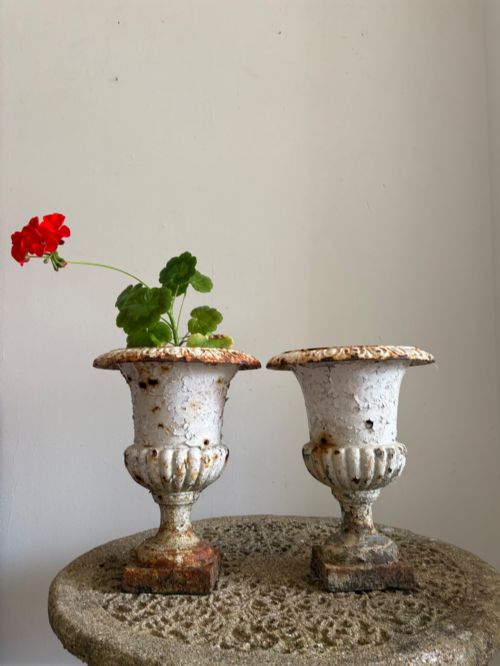
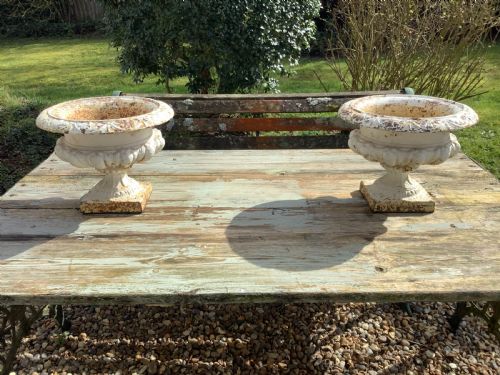
Larger cast iron or terracotta versions transition outdoors to garden terraces, plinths, and entranceways where weather patinates the surface.
How do I care for bronze and iron urns?
Metal surfaces require only gentle dusting with a soft cloth to remove everyday accumulation. Avoid abrasive cleaners or polishes that strip original patination.
Cast iron pieces kept outdoors benefit from periodic light oiling or touch-ups if the historic paint finish begins to weather.
What is the difference between an urn and a vase?
Urns traditionally feature a covered or uncovered bowl set upon a dedicated pedestal foot, often referencing ancient funerary or architectural vessels. Vases can share similar bell profiles but generally serve floral display rather than architectural ornament.
In nineteenth-century manufacturing, the terms often overlap for decorative classical items.
Are these urns heavy?
Weight varies considerably depending on the chosen material and scale. Bronze, cast iron, and marble examples possess substantial heft that requires stable placement.
Spelter and porcelain pieces offer lighter alternatives that remain easy to reposition on tabletop displays.