
French Bronze Ormolu Clock
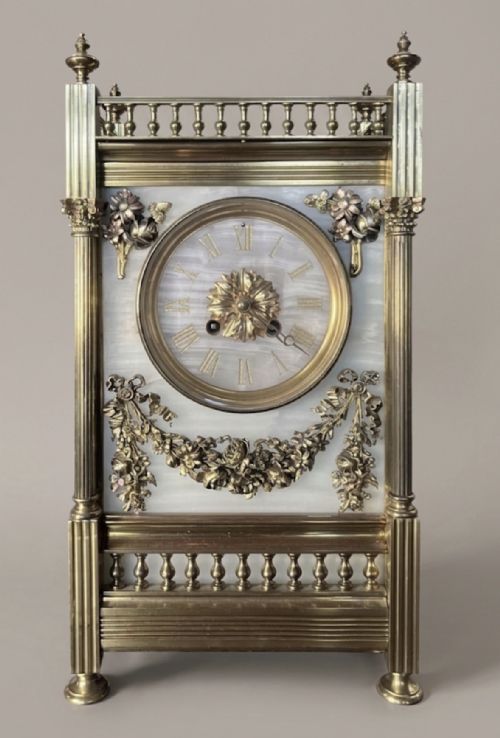
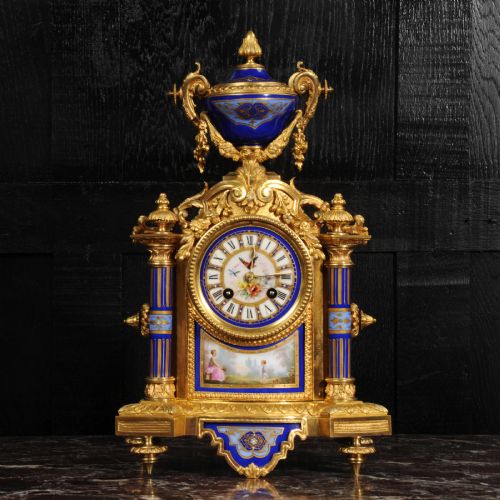
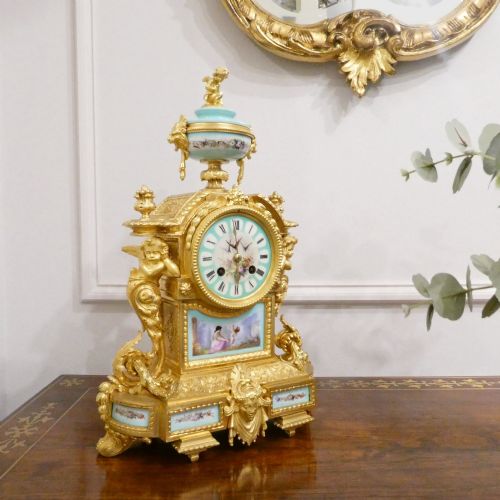
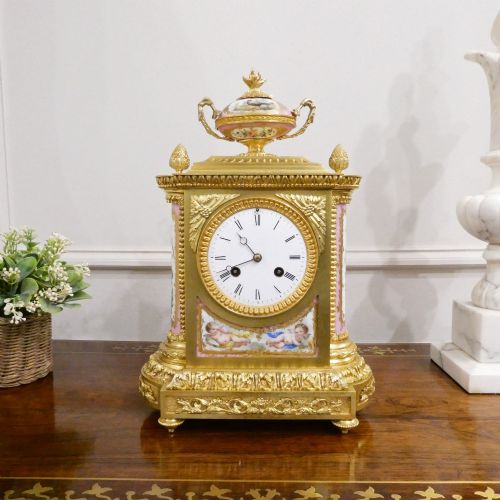
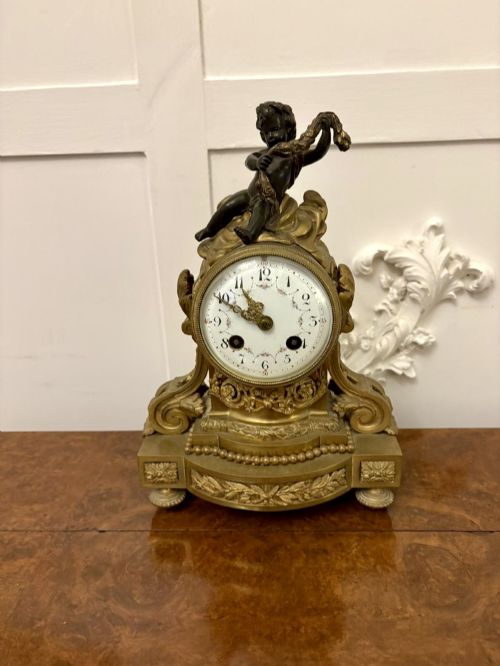
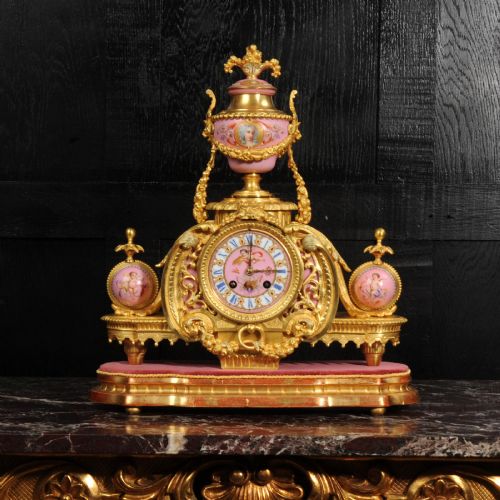
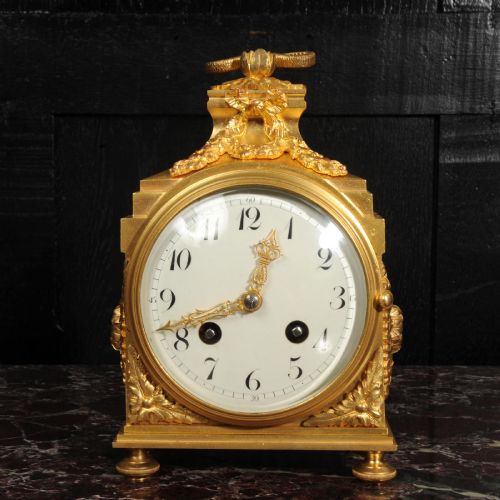
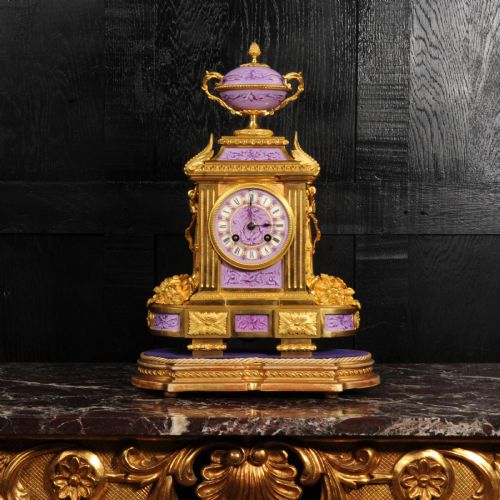
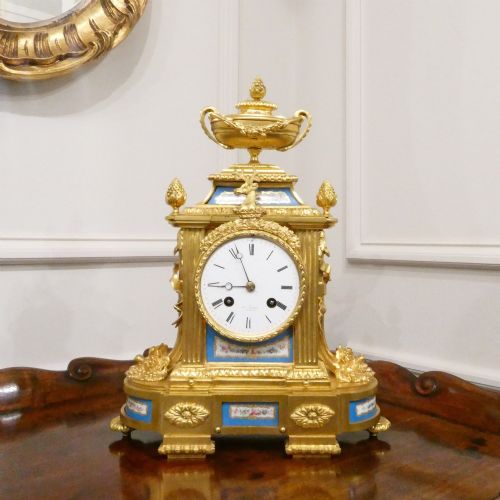
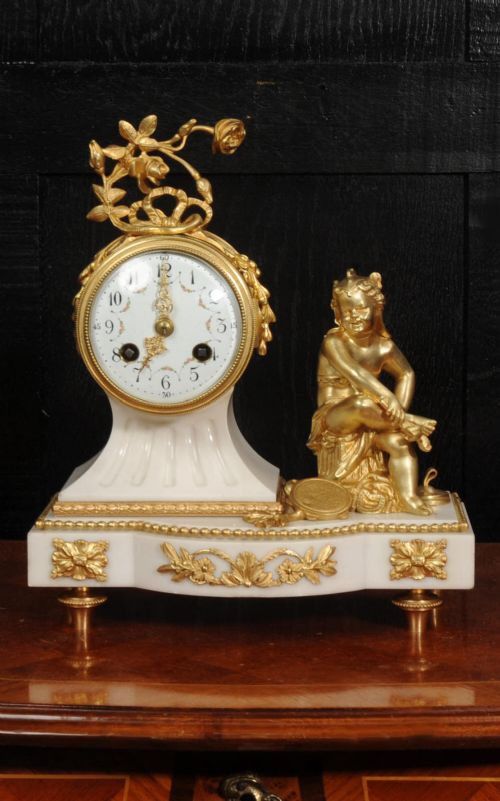
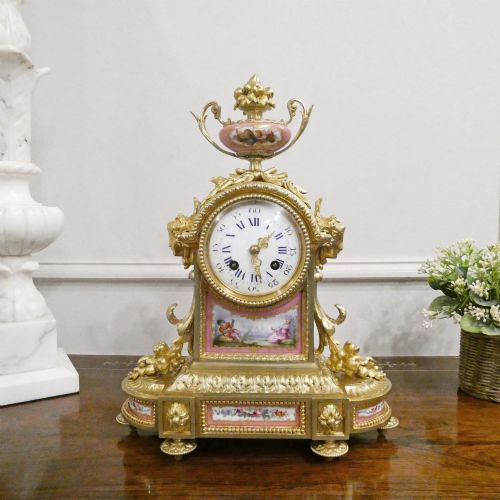
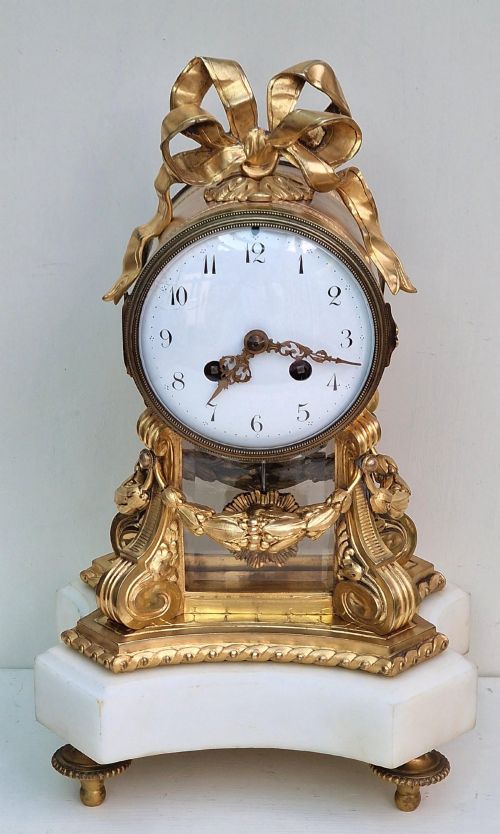
When you search for a french bronze ormolu clock, you encounter heavy decorative timepieces that combine patinated bronze figures with gilded mounts.
French Bronze Ormolu Clock
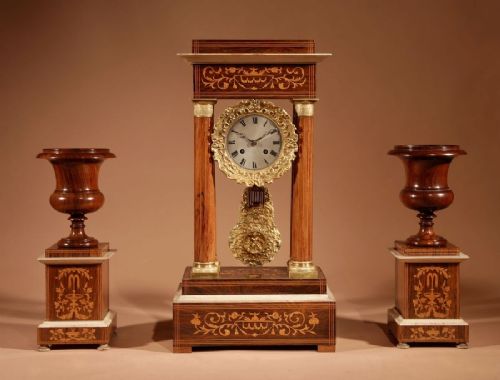
A french bronze ormolu clock typically stands upon a mantelpiece or sits within a clock garniture set flanked by matching candelabra. These timepieces span periods from the eighteenth century through the Victorian era and into nineteen hundred.
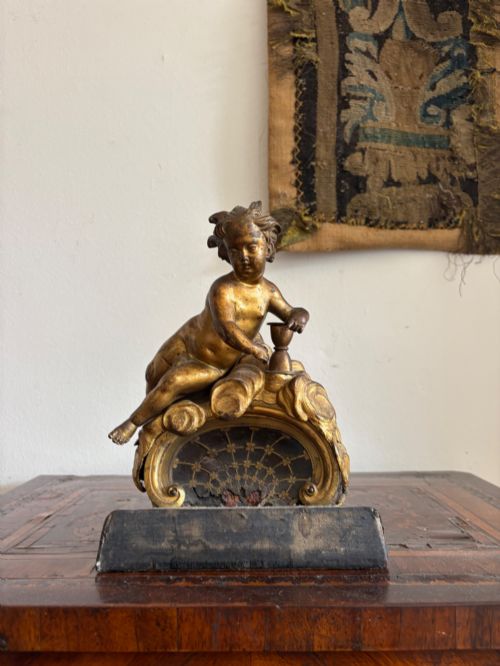
Makers often drew inspiration from French Empire, Louis XVI Revival, and Rococo styles to shape architectural marble cases or figural groupings. The most frequent examples combine patinated dark bronze figures with bright gilded ormolu details and enamel dials.
Materials and Construction
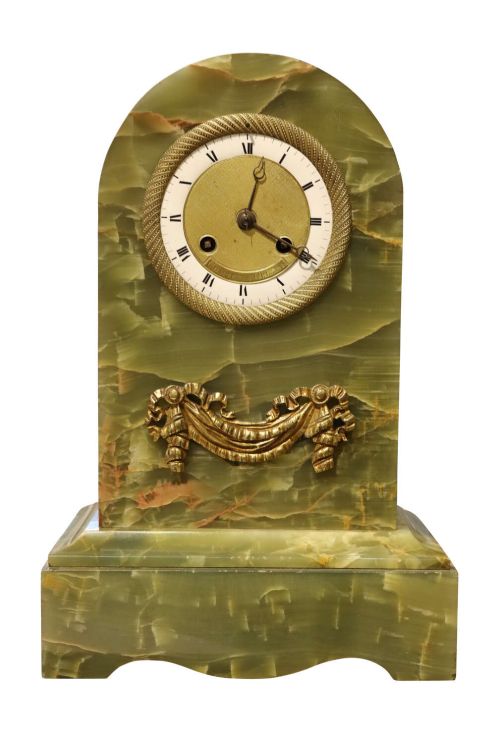
Foundries cast bronze into complex figures and architectural elements before applying mercury gilding to create the characteristic ormolu surface. Clockmakers combined these metal housings with white marble, green marble, porcelain plaques from Sèvres, and brass movement components.
Dials frequently feature hand-painted enamel numerals on curved plates, driven by eight-day striking movements that often incorporate Brocot escapements. Craftspeople assembled these multi-media objects using precision-fitted pins and threaded bronze mounts.
Listings feature eighteenth-century pieces alongside nineteenth-century Victorian, Louis XVI, and Empire styles utilising gilt bronze, ormolu, marble, and porcelain.
Assessing Craftsmanship and Detail
The precision of the bronze chasing separates ordinary castings from superior examples, where hair, drapery, and acanthus leaves retain crisp, hand-finished definition. Heavier, deeply burnished ormolu retains its golden warmth better over time than thinner, electroplated alternatives.
The integration of the movement with signature dial markers by recognised makers elevates the piece above standard production clocks. Cases that successfully balance patinated bronze elements against unblemished white or pink marble show superior design harmony.
Achille Brocot·Henry Marc·Japy Freres·Henry Dasson·Raingo Freres
The French Bronze Ormolu Clock Glossary
- Ormolu
- Gilt bronze produced by applying a mercury and gold amalgam to a bronze casting and heating it until the mercury vaporised. This historic technique created a deep, lasting golden lustre.
- Garniture
- A set consisting of a central clock matched with side ornaments such as urns, candelabra or vases. These matched groups decorated nineteenth-century mantelpieces symmetrically.
- Cartel clock
- A wall-mounted clock housed within an ornate frame of gilded bronze or carved wood. These pieces hung directly on drawing room walls rather than resting on furniture.
- Portico clock
- A mantel clock designed with architectural columns supporting an upper entablature that houses the pendulum. This neoclassical form became popular during the early nineteenth century.
- Brocot escapement
- A visible deadbeat escapement utilising pallet jewels that allowed pendulum regulation directly from the dial face. Achille Brocot patented improvements to this mechanism.
French Bronze Ormolu Clock: Frequently Asked Questions
How do I wind the clock?
Most eight-day movements require a matching winding key inserted into the enamel dial holes to tension the springs. Turn the key gently until resistance increases, taking care not to overwind the mechanism.
Striking clocks should be allowed to complete their chime cycle between adjustments. Regular winding keeps the pendulum swinging at a consistent beat.
How do I set the correct time?
Move the minute hand slowly clockwise around the dial to reach the correct hour. Avoid turning the hands anticlockwise, as this can disrupt the delicate striking train behind the face.
Allow the clock to strike fully at each hour before advancing further. If the clock gains or loses time, adjust the small regulating square on the pendulum.
How do I date a clock?
Examine the style of the bronze casting, marble base, and dial typography to narrow down the manufacturing period. Louis XVI Revival pieces often feature classical urns and symmetry, while Rococo designs show asymmetrical scrolls and naturalistic flora.
Makers' marks stamped onto the brass movement backplates provide specific foundry names and production decades. Comparing these stamps against known working dates of firms helps establish a reliable timeline.
Where should I place the clock?
Position the timepiece on a sturdy, level surface away from direct sunlight, dampness, and draughts. Mantelpieces and heavy wooden chests provide stable foundations that prevent vibrations from interfering with the pendulum.
Ensure the surface is completely horizontal so the escapement beats evenly. An uneven setup causes the clock to stop running shortly after starting.