



French Bronze Model
These french bronze model pieces range from animal studies to architectural reductions, prized for their finely cast detail.
French Bronze Model
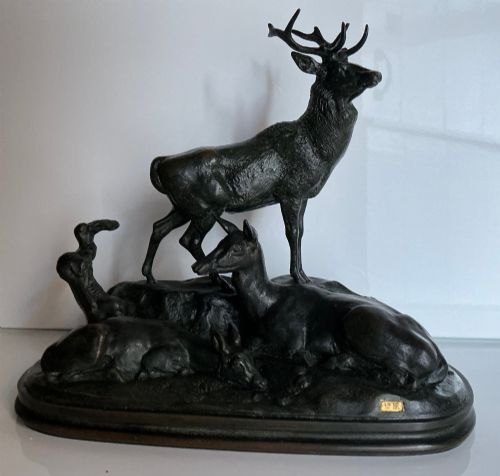
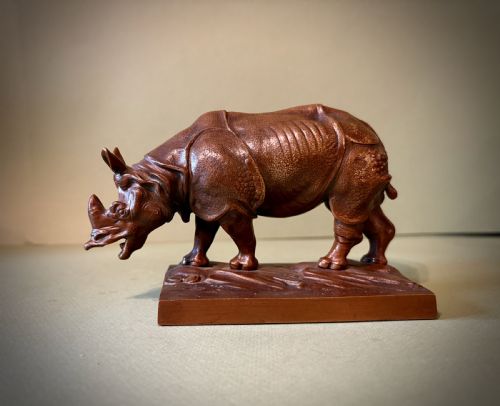
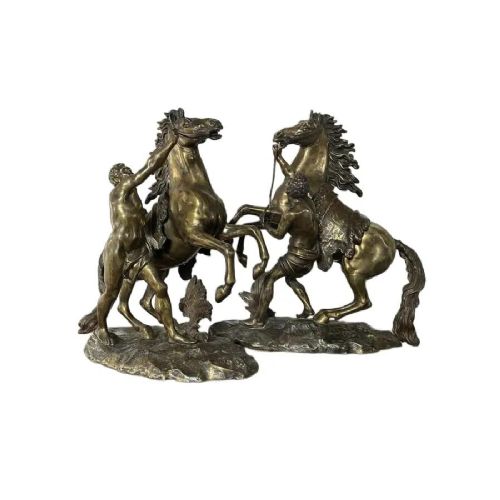
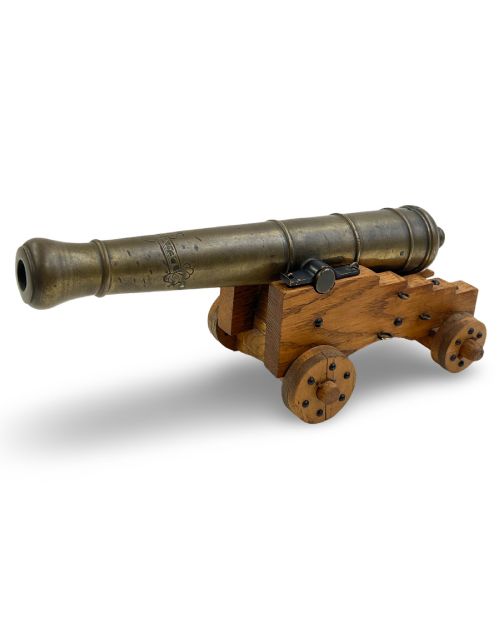
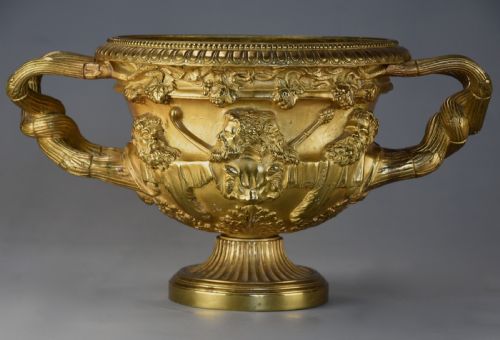
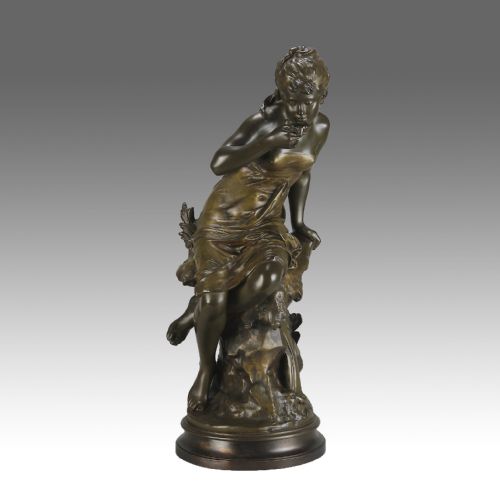
A french bronze model encompasses animalier studies of hounds, horses and stags, alongside grand tour reductions of classical architecture like the Warwick Vase, Vendome Column and Arc de Triomphe. Buyers encounter sculptures of figures such as putti, woodsmen and female forms, as well as signal cannons and field guns.
The majority of pieces date from the nineteenth century, spanning periods from the eighteenth to the early twentieth century. Common materials include bronze, patinated bronze, gilt bronze and ormolu, frequently paired with marble bases or incorporating mahogany elements.
Makers and sculptors represented include Henry Dasson, Mathurin Moreau, Dora Heber, Pierre Lenordez, Delabrierre, Antoine Louis Barye, Joseph Francois Victor Chemin, Christophe Fratin, P J Mene, Jules Moigniez and Ferdinand Pautrot. Styles cover Animalier, Louis XVI, Art Nouveau, Neoclassical, French Maritime, French Empire and Grand Tour.
Materials and casting methods
Cast metal is the primary medium, utilising bronze, patinated bronze, gilt bronze and ormolu, alongside alternative metal compositions such as spelter and iron. Many sculptures and animal studies stand upon integral or separate marble bases.
Finishing involves patination to achieve deep brown or dark surfaces, or mercury gilding for ormolu components on furniture mounts and candelabra. Models frequently replicate antique monuments or historical artillery pieces through careful reduction and chasing.
French Bronze Model Retail Price Guide 2026
Typical asking prices for french bronze model among the pieces listed under this phrase on Sellingantiques today, from the lower quarter to the upper quarter. They describe what is for sale here now, not the wider market.
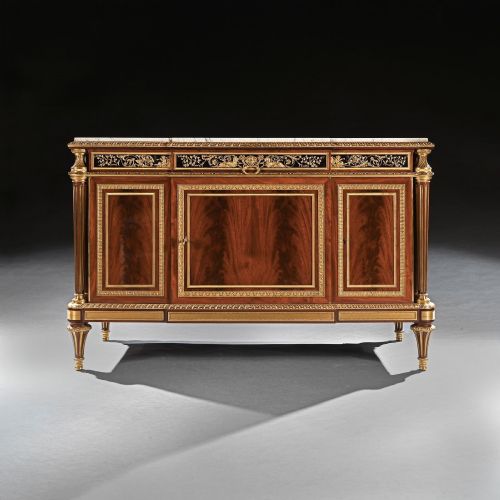
The selection includes architectural models, signal cannons, commodes, animal studies and classical vases after antique originals.
Assessing quality in cast models
The sophistication of the patination and the quality of the supporting materials, such as heavy veined marble plinths or finely turned mounts, separate standard production pieces from master sculptors' works.
Henry Dasson·Mathurin Moreau·Dora Heber·Pierre Lenordez·Antoine Louis Barye·Joseph Francois Victor Chemin·Christophe Fratin·P J Mene·Jules Moigniez·Ferdinand Pautrot
The French Bronze Model Glossary
- Animalier
- A nineteenth century artistic movement focused on the realistic depiction of animals, particularly dogs, horses and wild beasts in dynamic or resting poses.
- Grand Tour
- A cultural journey undertaken by wealthy young Europeans that inspired small scale bronze reductions of famous classical monuments and antiquities.
- Ormolu
- Gilded bronze utilised for decorative mounts, candlesticks and furniture ornamentation, created through the application of a gold and mercury amalgam.
- Patinated bronze
- Metal treated with chemical solutions to produce a controlled, aged surface colour ranging from deep brown to black.
- Spelter
- A zinc alloy frequently utilised as a cost effective alternative to bronze, commonly found in figures produced during the art nouveau period.
French Bronze Model: Frequently Asked Questions
What is an animalier bronze?
An animalier bronze depicts animals in naturalistic poses, capturing the precise anatomy and behaviour of hounds, horses, poodles and stags.
These sculptures were produced extensively in nineteenth century France by specialist artists who observed wildlife and domestic animals closely.
What were grand tour models used for?
Grand tour models served as sophisticated souvenirs for travellers returning from educational tours of European historical sites and classical antiquities.
Collectors displayed these reduced bronze sculptures of columns, triumphal arches and ancient vases in studies and libraries as symbols of classical learning.
How do I care for bronze models?
Maintenance requires gentle dusting with a soft, dry cloth to prevent the accumulation of dirt within the chased crevices and textured surfaces of the metal.
Avoid chemical polishes and abrasive cleaners, as these substances strip the original patination or gilt surface from the bronze.
How do I distinguish bronze from spelter?
Bronze is heavier, colder to the touch and rings with a clear tone when tapped, whereas spelter is softer and more brittle.
Examination of the underside or worn areas often reveals the greyish metal beneath a spelter finish, contrasted against the rich brown or golden tone of true bronze.