

French Bronze Fitting
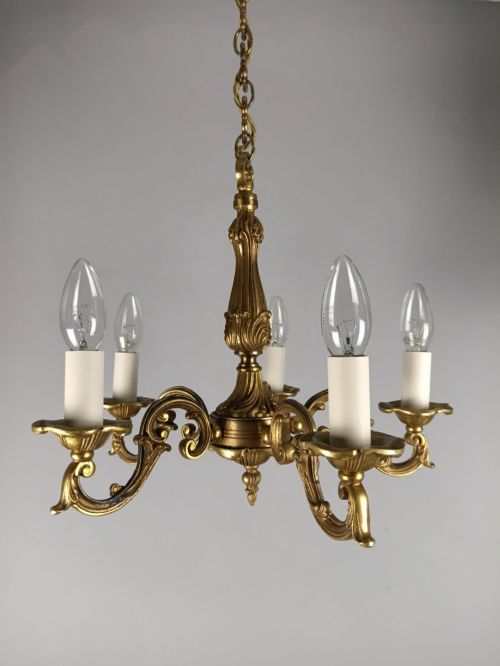
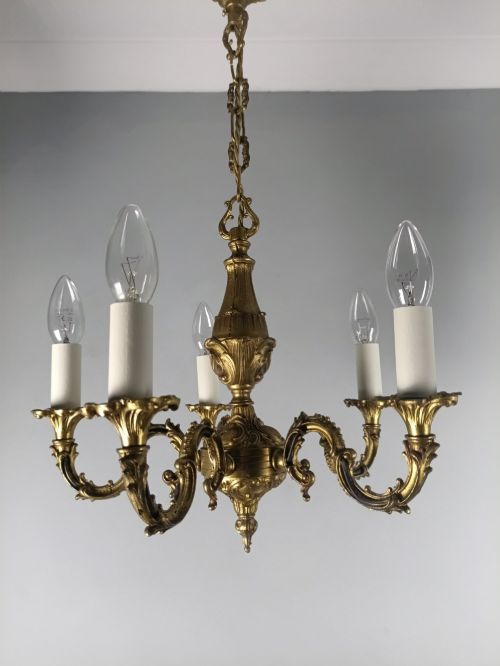
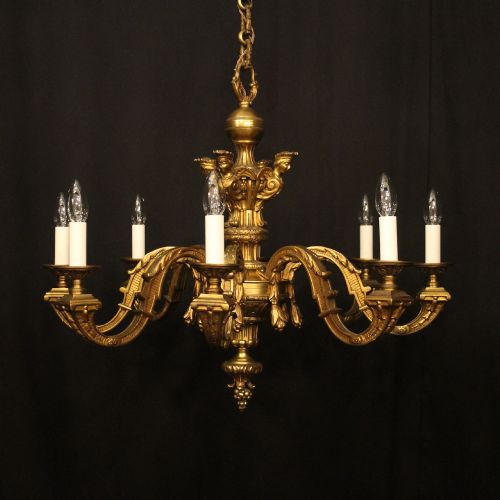
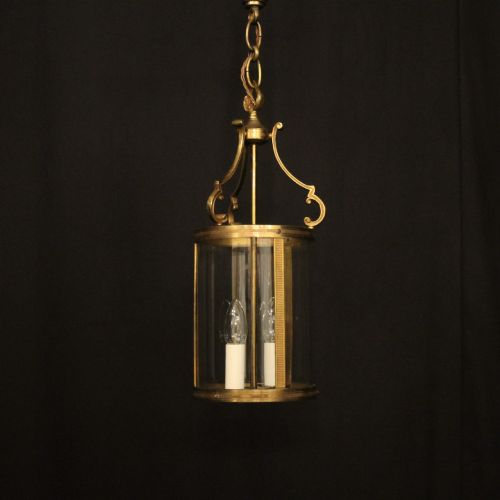
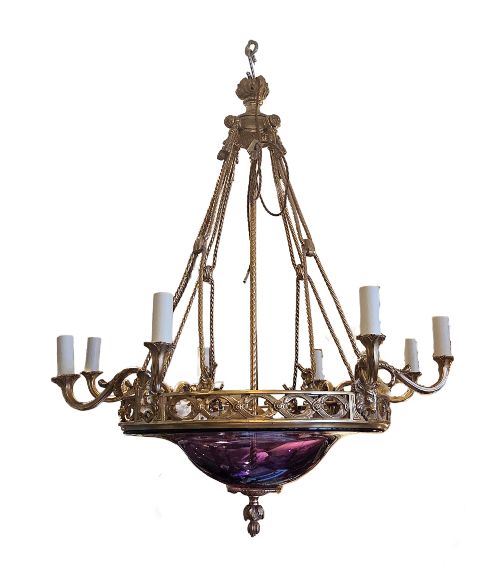
A French bronze fitting brings heavy cast metal and glass into a room, offering weight and distinct illumination from past centuries.
French Bronze Fitting
A french bronze fitting encompasses lighting and metalwork originating from France, spanning periods from the nineteenth century into the nineteen-thirties. Buyers seek these items to introduce historical character and substantial metal frames into domestic interiors.
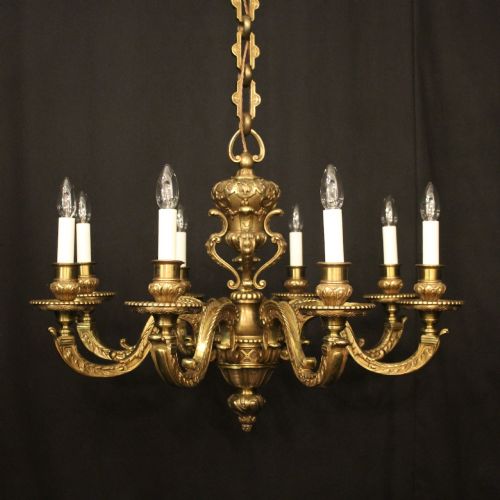
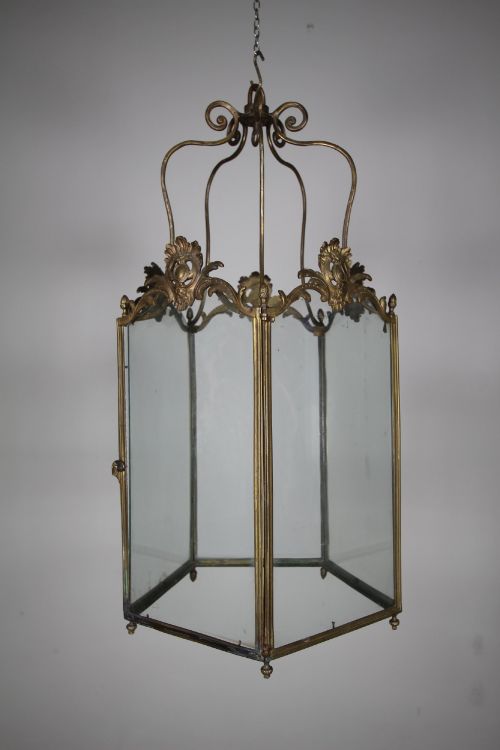
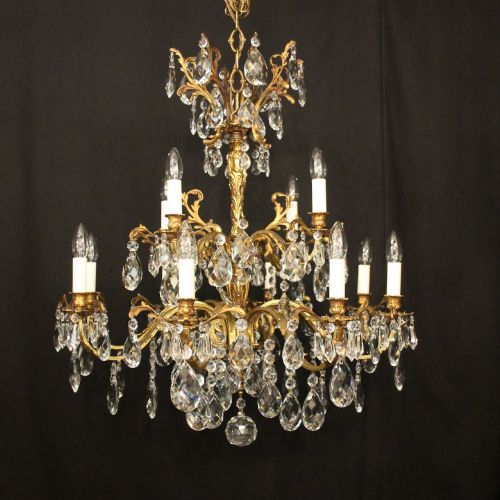
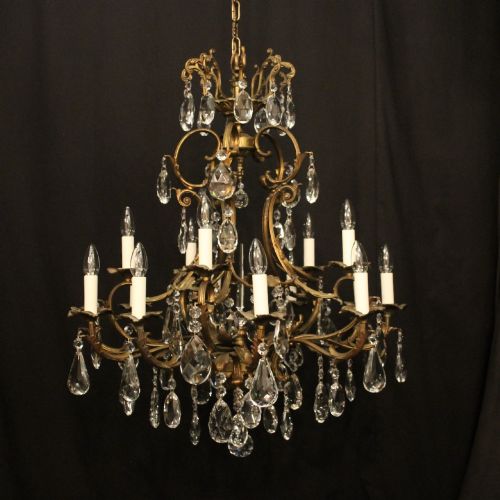
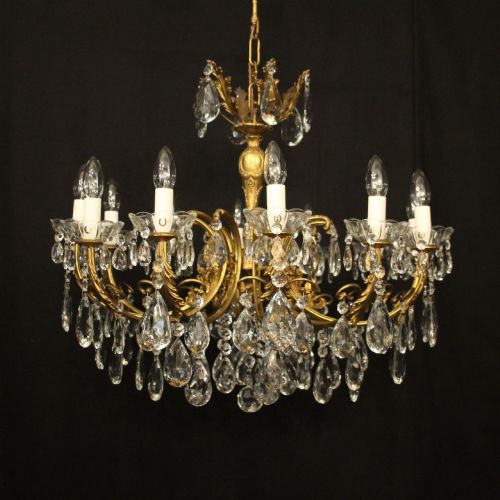
The selections encountered most frequently on this page take the form of chandeliers and ceiling lights, often combining cast metal frameworks with glass elements. These lighting fixtures reflect historical design movements including Empire, Neoclassical, and Art Deco styles.
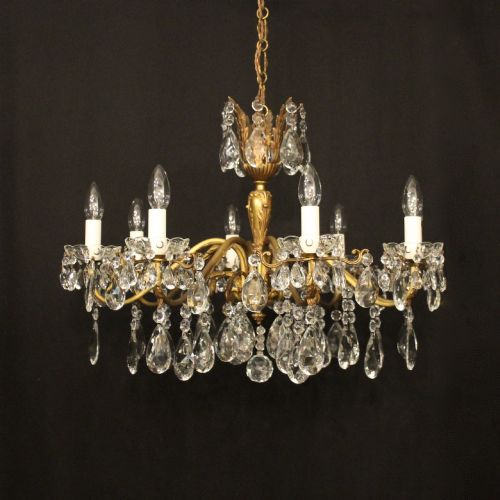
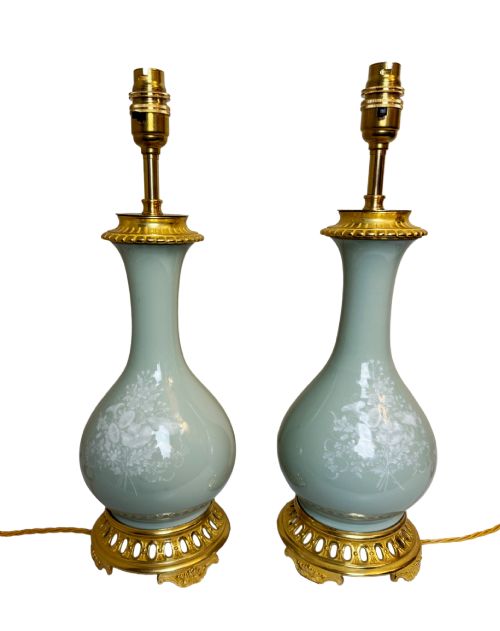
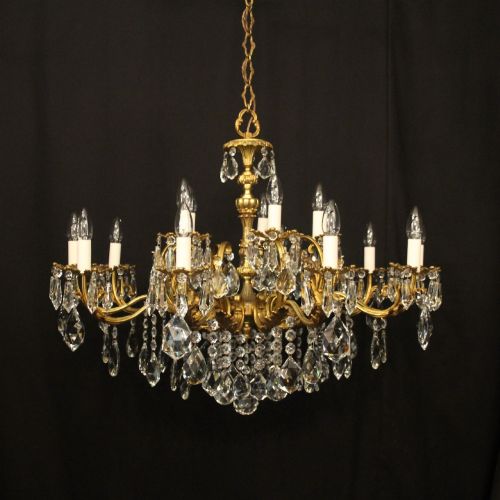
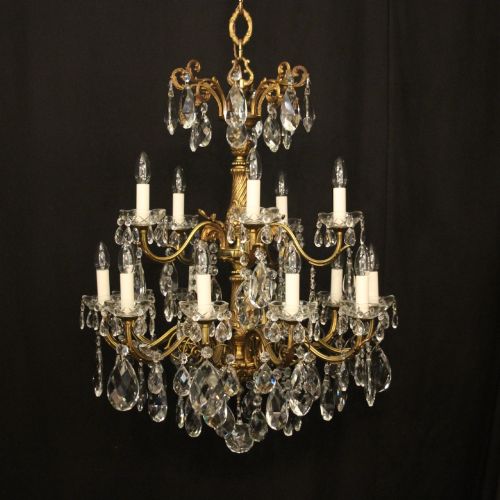
Beyond ceiling fixtures, the category includes wall lights, table lamps, and writing desks incorporating bronze elements. Pieces range from multi-light chandeliers with crystal drops to simpler dark bronze or gilt configurations.
How they were made
Construction relies heavily on bronze, brass, and ormolu, shaped through casting and gilding techniques to create structural frames. Metal components frequently receive a gilt or silvered surface treatment to catch ambient light.
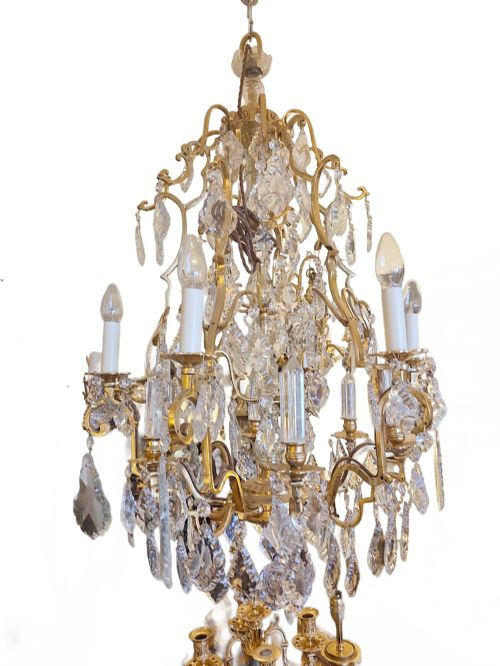
Glass and crystal components, such as cut crystal drops and glass bowls, integrate directly into the metal armatures. These transparent elements are shaped and polished to complement the dense metal structures beneath them.
French Bronze Fitting Retail Price Guide 2026
Typical asking prices for french bronze fitting among the pieces listed under this phrase on Sellingantiques today, from the lower quarter to the upper quarter. They describe what is for sale here now, not the wider market.
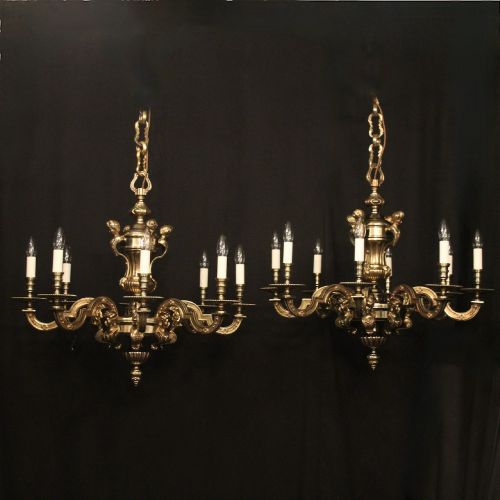
Look closely to find flying cherubs supporting glass spikes above your head.
What varies in quality
Quality differences emerge in the crispness of the metal casting and the depth of the chasing work on the bronze surface. Finer examples display sharp relief and carefully finished details on foliage, figures, or geometric motifs.
The clarity and cut of the accompanying glass or crystal components also distinguish different grades of work. Superior pieces utilise high-purity glass drops with precise facets that refract light effectively.
Degué
The French Bronze Fitting Glossary
- Ormolu
- Gilded bronze produced by applying a mercury and gold amalgam to a bronze base and heating it. This technique creates a durable, rich golden surface finish found on many decorative fittings.
- Tent and waterfall
- A lighting configuration featuring strings of crystal beads arranged in an upper triangular tent shape, descending into cascading strands below. This design maximises light refraction across the fixture.
- Spelter
- A zinc alloy frequently used as a substitute for bronze in decorative castings. It is softer and lighter than bronze, often painted or plated to simulate heavier metals.
- Alabaster
- A fine-grained, translucent stone utilised for bowls and shades in lighting fixtures. It diffuses light softly across a room when illuminated from within.
French Bronze Fitting: Frequently Asked Questions
How do I clean a crystal chandelier?
Maintenance requires wiping individual glass drops and metal arms with a soft, dry cloth or a mild cleaning solution. Care must be taken to protect any gilt or bronze surfaces from harsh chemical agents.
Regular dusting prevents grime accumulation on intricate casting and crystal facets, preserving the reflective quality of the materials over time.
What rooms suit a French chandelier?
These lighting fixtures suit principal reception rooms, dining areas, and halls with sufficient ceiling height to accommodate multi-arm metal and glass structures. Their scale commands attention in spaces designed for formal gathering.
Placing a fitting in a room requires balancing the weight of the metal and the spread of the arms against the dimensions of the interior furniture.
How do I identify an Empire style fitting?
Empire style items draw on classical Roman, Greek, and Egyptian motifs, featuring symmetrical designs, laurel wreaths, and military trophies cast in bronze. These pieces often incorporate tent and waterfall crystal arrangements.
The aesthetic emphasises solid proportions, dark or gilt metal surfaces, and restrained ornamentation compared to earlier Rococo variations.
Can these antique lights be rewired?
Wiring on older fixtures is commonly replaced to meet modern electrical safety standards while retaining the original external metal and glass components. Professional electricians can run new internal cables through the arms without altering the outer appearance.
Preserving the historic frame while updating the internal function allows these objects to operate safely within contemporary domestic environments.