
French Bronze Chandelier Light
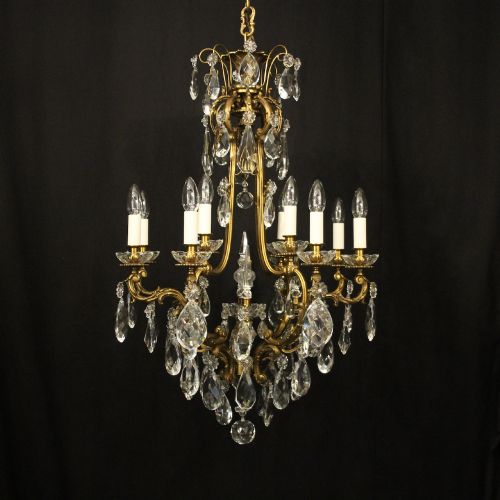
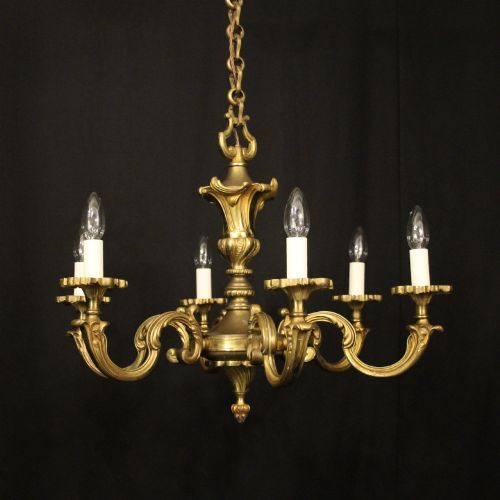
When choosing a french bronze chandelier light, you are selecting a significant piece of period illumination shaped by classical French design.
French Bronze Chandelier Light
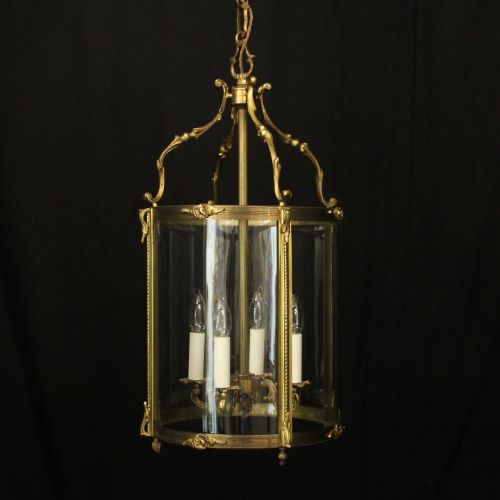
A french bronze chandelier light brings classical proportion and decorative metalwork into domestic and grand interiors alike. Buyers hunting for these fixtures encounter various formats, ranging from multi-armed ceiling lights to hall lanterns and wall sconces.
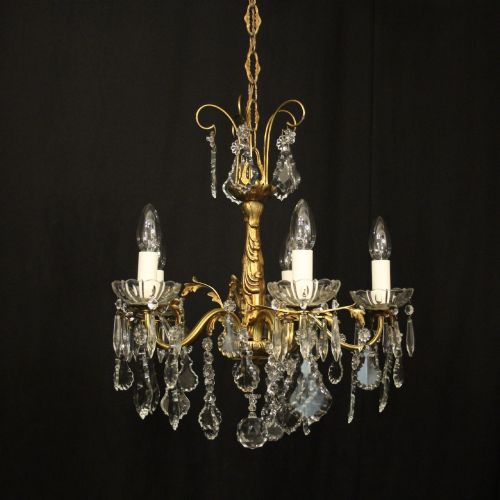
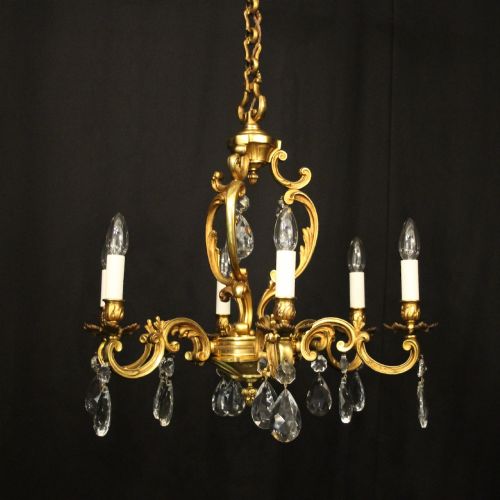
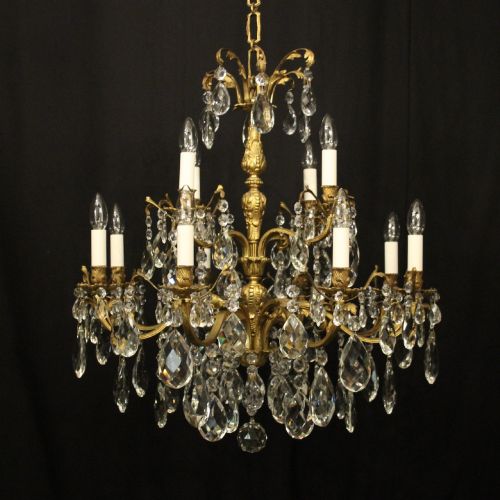
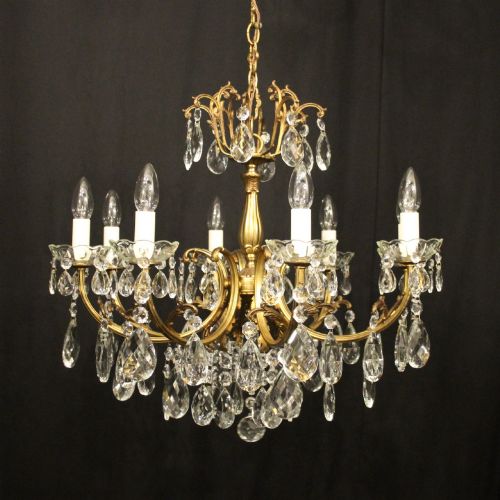
The selections span the nineteenth century through the early twentieth century, capturing distinct phases of design such as Empire, Neoclassical, and Louis Revival styles. Most examples discovered here present refined metal frames, often combined with cut glass or crystal elements.
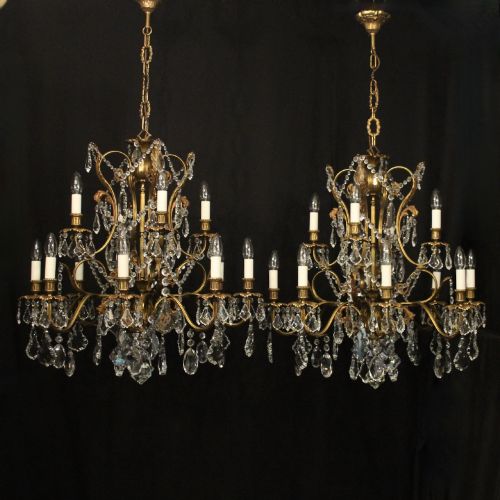
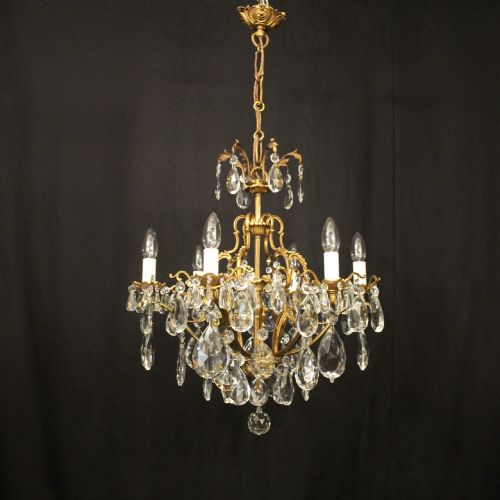
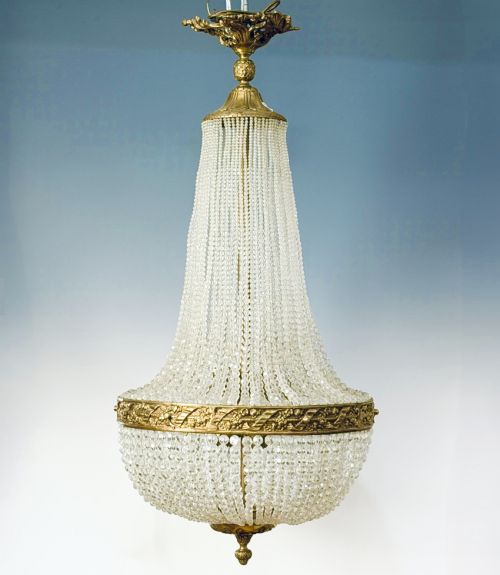
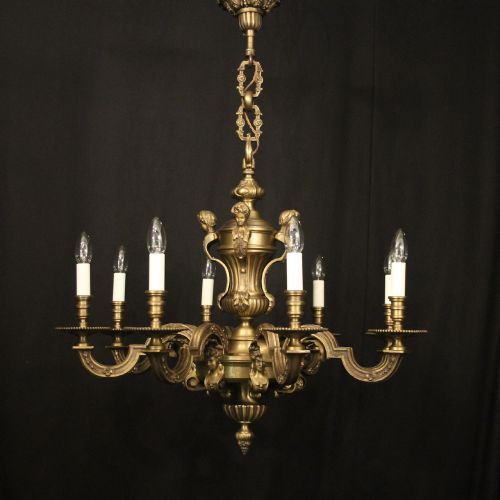
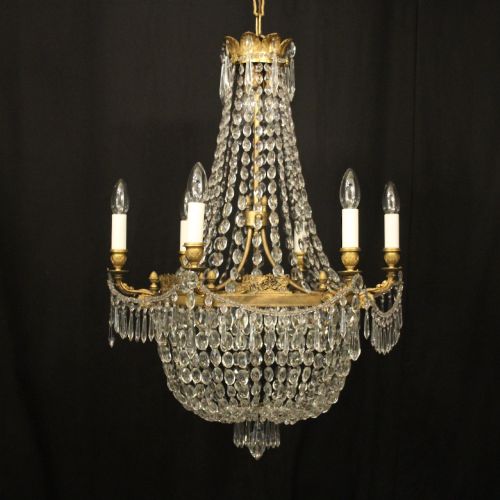
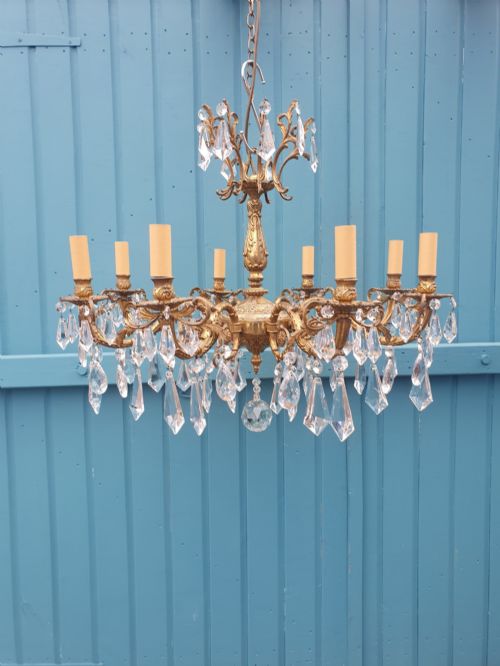
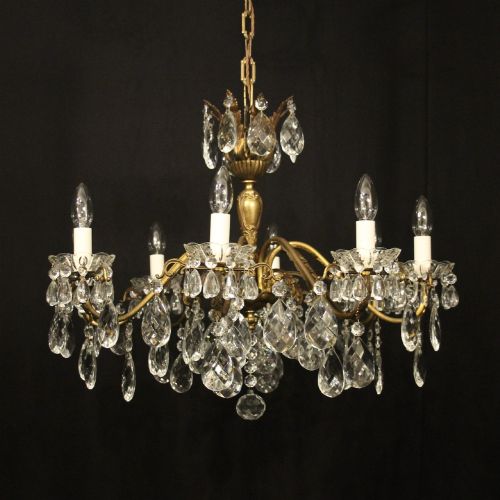
Makers utilised bronze, gilded bronze, and brass to form structural frames that held multiple lights, sometimes numbering up to twenty-five branches for large spaces. Birdcage designs, tent and waterfall configurations, and winged cherub motifs appear frequently across the inventory.
How they were made
Foundry workers cast bronze and brass components in sections, utilising techniques that allowed for intricate relief work and sharp architectural detailing. Metal surfaces were frequently fire-gilded or silver-gilded to achieve a lustrous finish that caught candle or gas light.
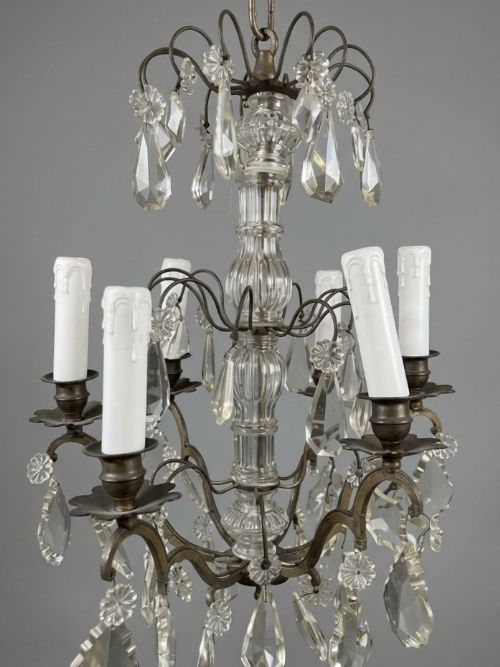
Glass components, including cut crystal drops, spikes, and bowls, were hand-cut and wired or pinned to the metal frames using delicate brass wire. This combination of heavy cast metal and sparkling glass created the signature play of light characteristic of French interior lighting.
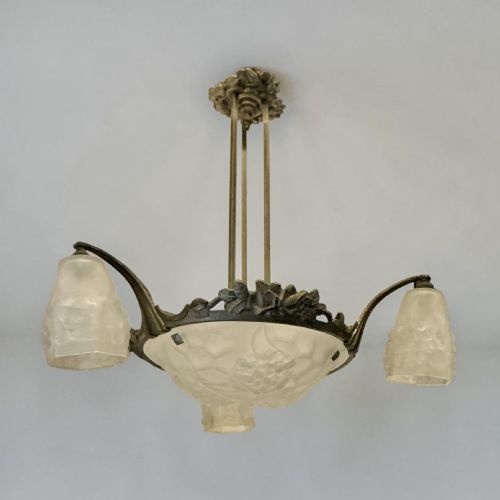
Listings feature pieces spanning the nineteenth century through the 1930s, constructed predominantly from bronze, gilt bronze, and crystal.
What varies in quality
The refinement of the casting work dictates the upper tier of these pieces, where floral motifs, acanthus leaves, and figural elements display crisp edges and deep undercut details. Lesser examples show softer, shallower relief work where the original chaser spent less time refining the raw bronze.
The integration of crystal also separates grades of production, with top-tier fixtures featuring heavy, hand-cut drops that refract light cleanly without internal flaws. Proportion and the balanced distribution of light arms around a central axis further define the most successful designs.
G.E.C
The French Bronze Chandelier Light Glossary
- Ormolu
- A technique of applying finely ground high-carat gold to an object of bronze through mercury amalgamation. This creates a rich golden finish characteristic of fine French decorative arts.
- Tent and waterfall
- A chandelier configuration where strings of glass beads form an upper tent shape above a central ring, dropping down into a cascading curtain of crystals below. It maximises the refractive surface area.
- Birdcage
- A cage-like metal frame structure popular in nineteenth-century designs, housing internal light branches and draped with crystal garlands. The silhouette resembles an open avian enclosure.
- Mazarin
- A specific heavy chandelier style originating in the late seventeenth century and revived later, featuring robust bronze framing and multiple candle branches. These fixtures project an air of substantial authority.
French Bronze Chandelier Light: Frequently Asked Questions
How do I date a bronze chandelier?
Dating relies on examining the casting techniques, mounting screws, and stylistic markers that align with periods like the nineteenth century or the 1920s. Heavier fire-gilding and hand-cut crystals typically point to earlier nineteenth-century production.
Later twentieth-century revivals often adopt cleaner electrical configurations and simplified brass casting methods. Comparing the wiring channels and metal patination against documented pieces helps confirm the era.
Are these lights wired for modern use?
Most antique fixtures found on the market have been adapted for contemporary electrical standards during their lifetime. Rewiring is common to ensure safety and compliance with current household regulations.
Buyers should inspect the internal channels to confirm that modern flex passes securely through the antique bronze arms without compromising the structural integrity of the metal.
How do I clean crystal drops safely?
Cleaning requires removing the individual crystal drops and washing them by hand in lukewarm water with a mild, non-abrasive detergent. Harsh chemicals can strip historical surface treatments from the surrounding bronze or brass.
Leaving the metal frame intact while treating the glass separately prevents moisture damage to older electrical components and fragile gilt surfaces.
What is the difference between bronze and brass?
Bronze is an alloy primarily composed of copper and tin, prized for its durability and capacity to hold fine cast details. Brass is an alloy of copper and zinc, generally possessing a brighter, more yellow natural tone.
Many French fixtures utilise bronze for cast decorative elements and brass for structural tubes or smaller internal components, often unified through subsequent gilding.