



French Brass Pendant Lamp
A French brass pendant lamp brings sculptural warmth and illumination to a room, drawing the eye upwards with its metallic gleam and historic silhouette.
French Brass Pendant Lamp
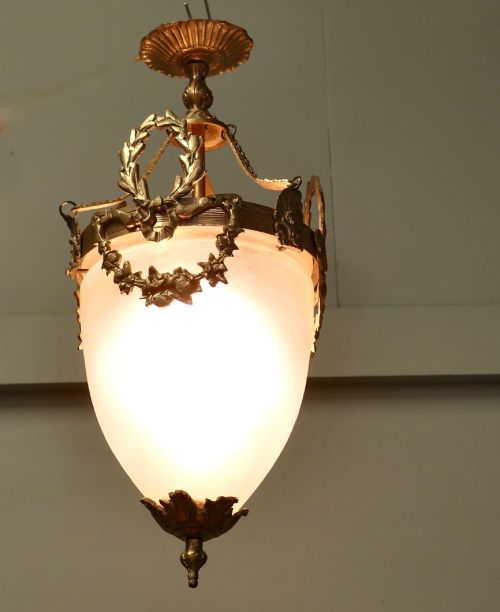
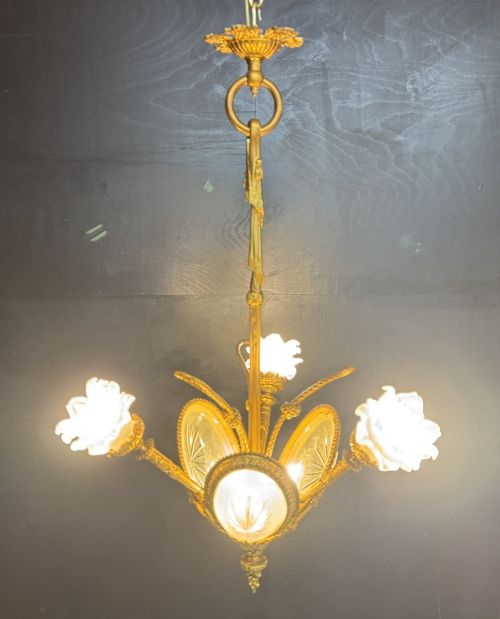
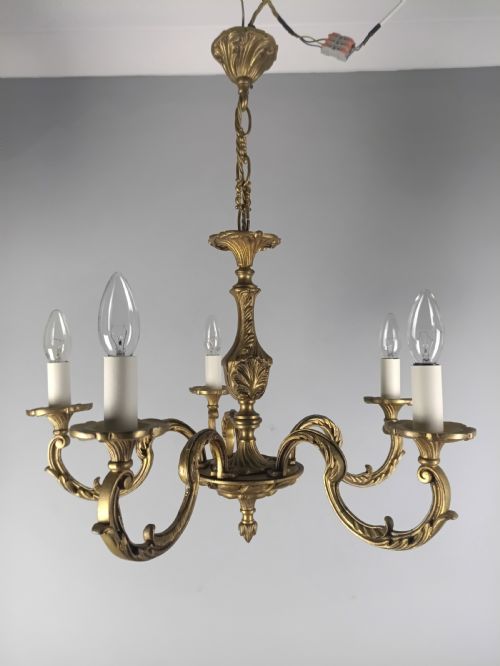
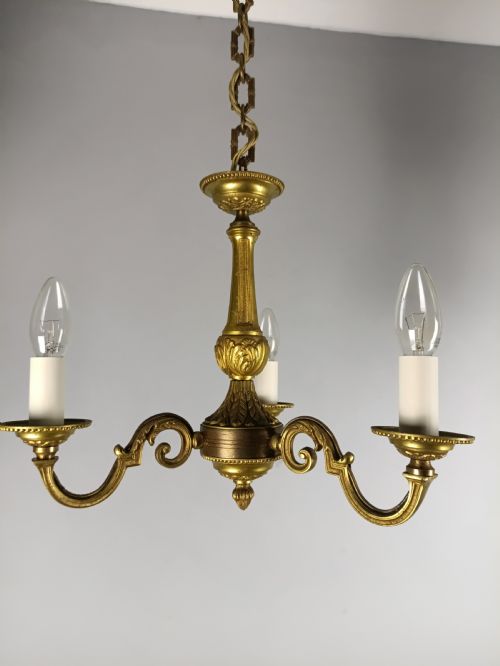
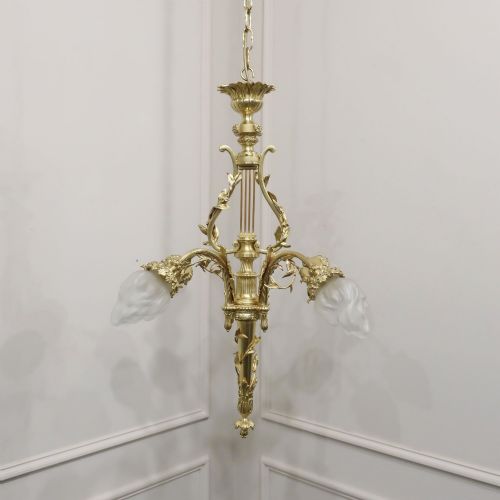
When searching for a french brass pendant lamp, buyers encounter a diverse selection of ceiling lighting originating from the nineteenth and twentieth centuries. These fixtures encompass styles such as French Empire, Neoclassical, and Rococo Revival, alongside Edwardian and Mid-Century Modern designs.
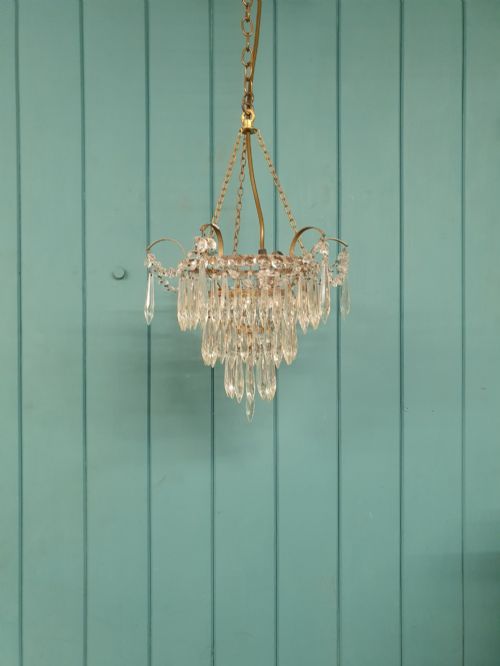
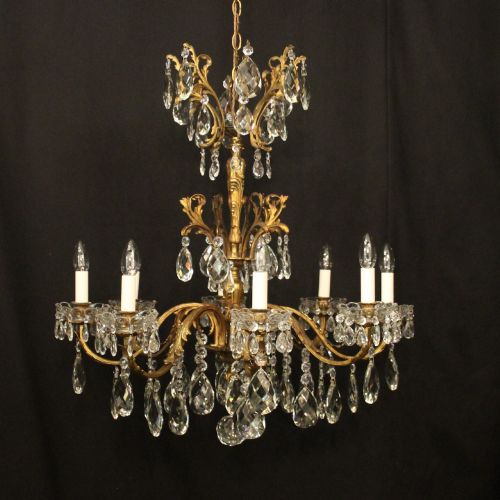
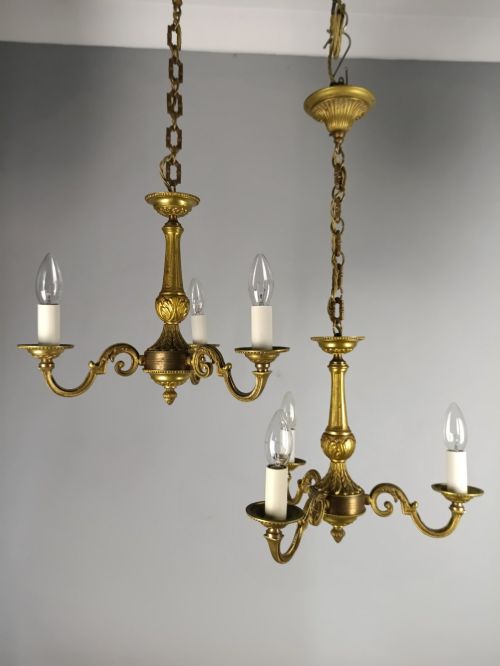
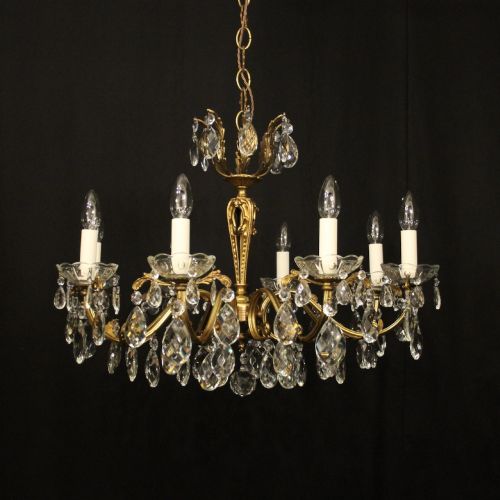
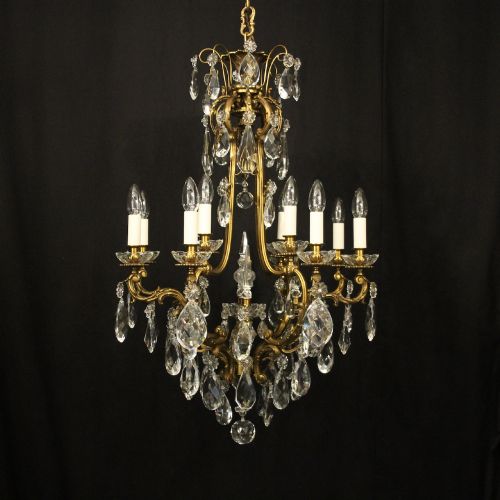
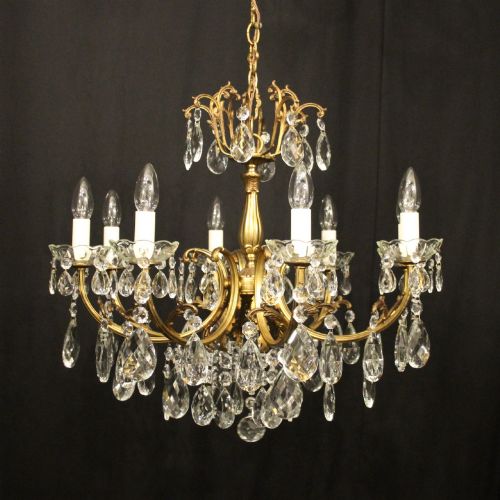
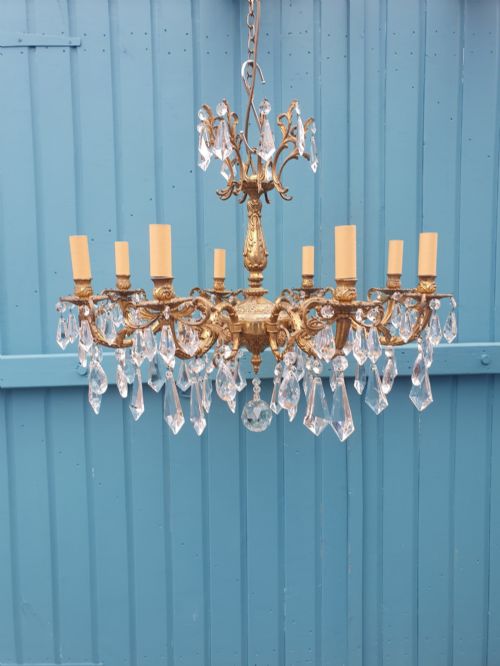
The objects themselves range extensively in scale and purpose, including multi-light chandeliers, hall lanterns, hanging lanterns, and single glass pendant lights. Many examples incorporate crystal drops or opaline shades, providing functional overhead illumination paired with ornate decorative metalwork.
Materials and construction methods
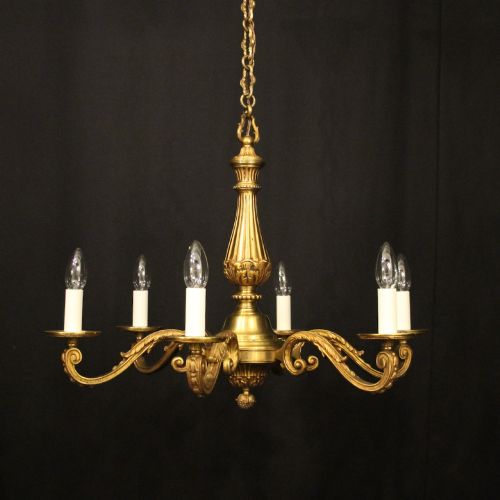
These fixtures rely heavily on brass, bronze, and gilt or gilded bronze, cast and assembled to form the structural framework and decorative mounts. Metal components frequently pair with cut glass, crystal prisms, and moulded glass shades.
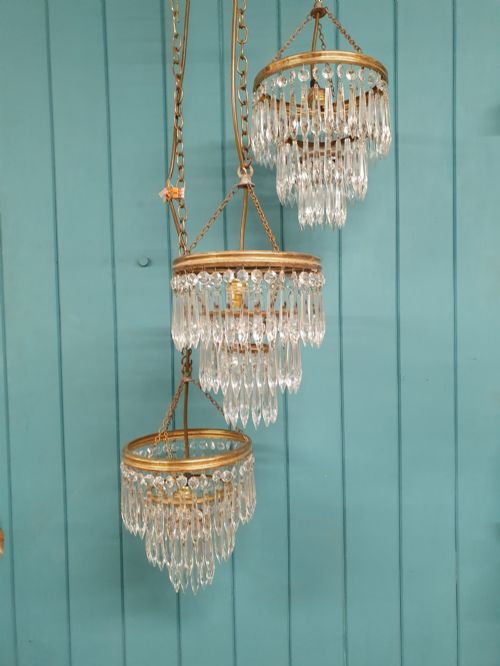
Craftsmen utilised techniques of metal casting, gilding, and hand-cutting glass to build tent and waterfall configurations, bag chandeliers, and framed hall lanterns. The integration of copper accents and coloured crystals further demonstrates the varied construction methods employed across different periods.
French Brass Pendant Lamp Retail Price Guide 2026
Typical asking prices for french brass pendant lamp among the pieces listed under this phrase on Sellingantiques today, from the lower quarter to the upper quarter. They describe what is for sale here now, not the wider market.
Cherub arms occasionally peer out from the brass work, holding up the light.
Distinctions in craftsmanship and design
Quality separates through the crispness of the cast metal ornamentation and the weight of the brass or bronze framework. Finer pieces display refined detailing on mounts and cherub arms, whereas simpler iterations rely on plain brass tubing and minimal decoration.
The integration of glass components also dictates the tier of the piece, with heavily cut crystal prisms and structured tent-and-bag arrangements commanding greater visual complexity than standard pressed glass globes or simple shades.
The French Brass Pendant Lamp Glossary
- Chandelier
- A branched ornamental light fixture suspended from the ceiling designed to hold multiple bulbs or candles. These pieces often feature complex arrangements of arms and crystal drops.
- Gilt bronze
- Bronze metal that has been coated with a thin layer of gold or gold-coloured alloy. This technique provides a durable, lustrous finish often found in high-end period lighting.
- Tent and waterfall
- A specific chandelier configuration where strings of crystal beads form a conical tent shape above a cascading cluster of lower drops. This design creates a layered, light-reflecting profile.
- Hall lantern
- An enclosed hanging light fixture typically suspended in entryways or corridors. They feature glazed panels set within a brass or bronze framework.
- Rise and fall
- A mechanical suspension system allowing the height of the pendant lamp to be adjusted up or down via a weighted pulley or spring mechanism.
French Brass Pendant Lamp: Frequently Asked Questions
What periods do these lamps come from?
The lighting options span from the nineteenth century through the Edwardian era and into the 1920s and 1930s. Pieces reflect historical revivals including Empire and Rococo styles alongside early twentieth-century designs.
Buyers find both ornate antique chateaux fixtures and simpler art deco or rise and fall ceiling lights within this chronological range.
How were hall lanterns used historically?
Hall lanterns served as functional overhead illumination in entrance halls, corridors, and stairwells of grand residences. Their enclosed glass designs protected open flames from drafts.
Today, they perform a similar welcoming function in modern hallways while retaining their period architectural character.
How do I determine the style of a fixture?
Style identification relies on examining the decorative motifs, such as lyre shapes, floral garlands, or classical urns characteristic of Neoclassical and Empire periods. The presence of heavy crystal cascading or restrained geometric lines points toward specific decades.
Comparing the metalwork finish, such as gilded bronze or plain brass, helps align the piece with its intended historical era.