
French Brass Fixtures
When you handle french brass fixtures, you find grand chandeliers, wall sconces and hall lanterns that bring genuine period illumination to a room.
French Brass Fixtures
When you search for french brass fixtures, you encounter lighting designed to command a space, spanning chandeliers, wall lights and hanging lanterns. These pieces originate from periods including the nineteenth century, Edwardian era and the early decades of the twentieth century.
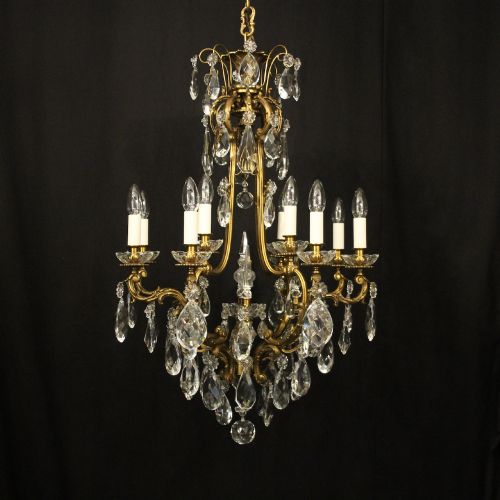
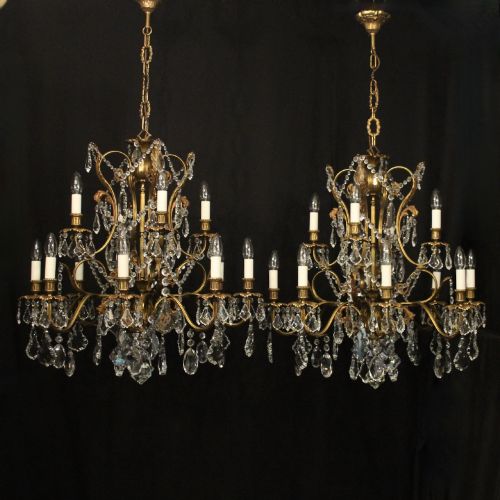
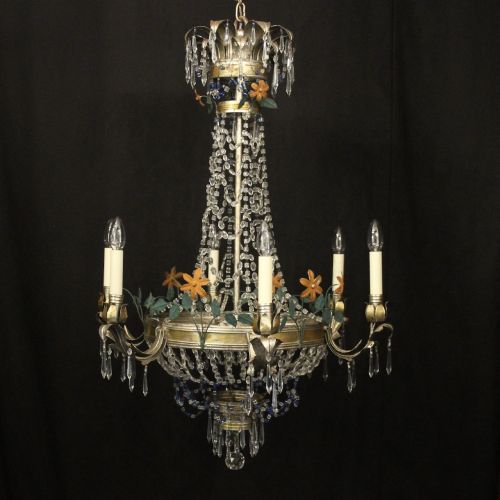
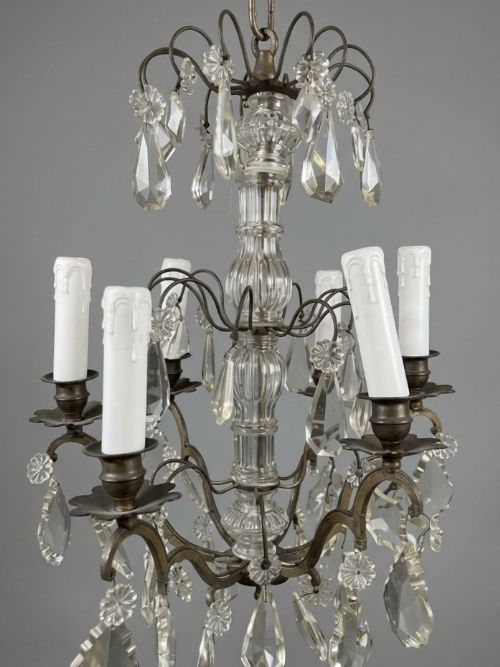
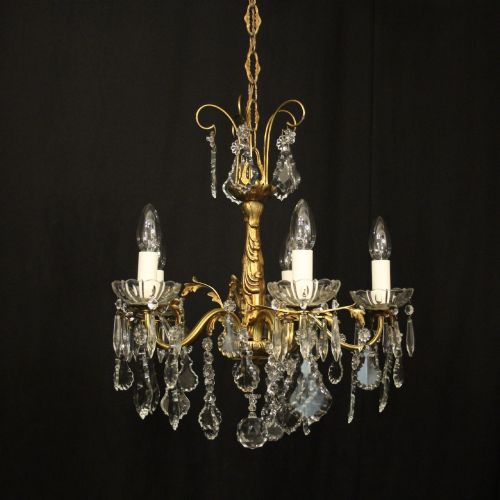
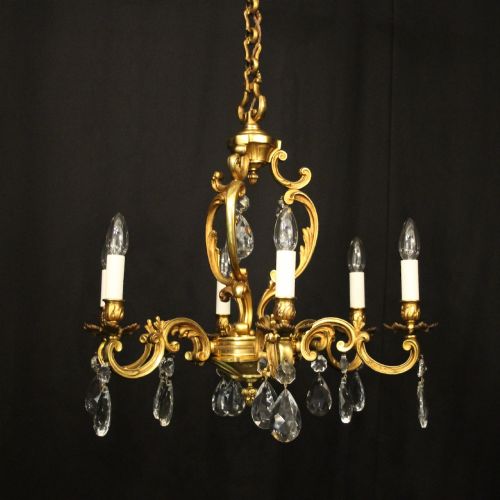
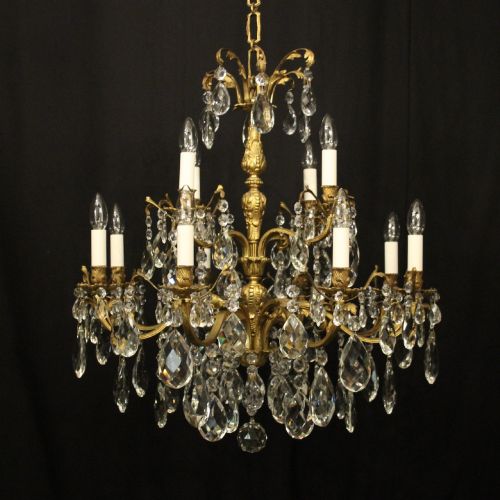
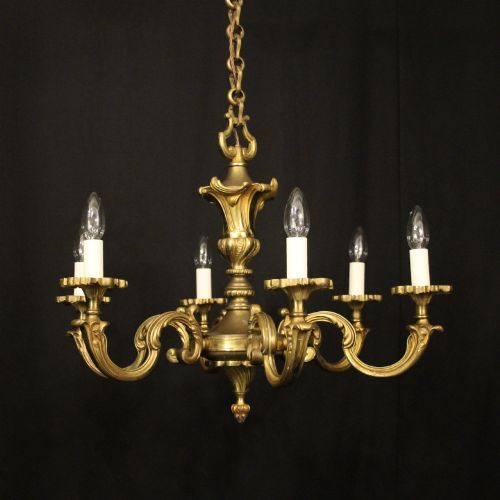
The selections on this page lean heavily towards grand multi-armed chandeliers and structured hall lanterns. Formats range from intimate four-light pendants to sprawling twelve-light centrepieces.
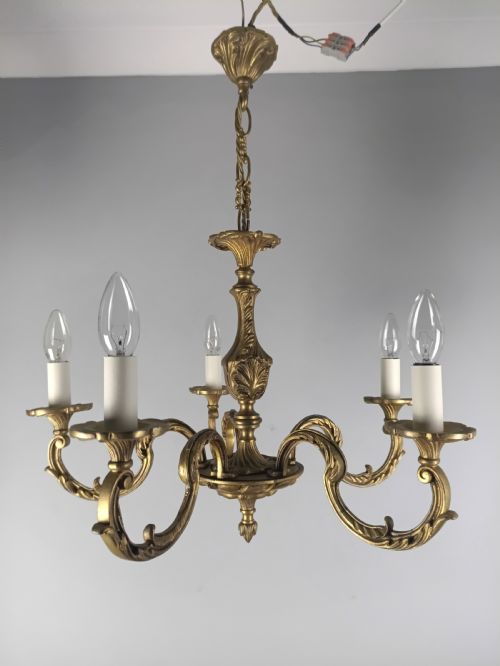
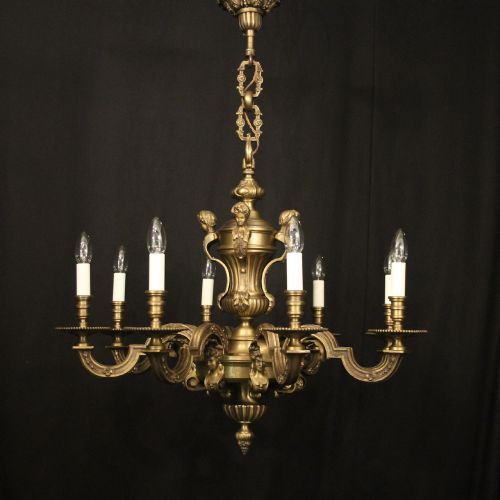
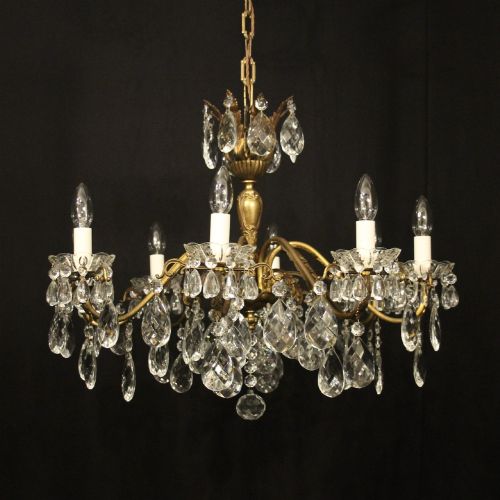
Stylistic influences draw directly upon historical design codes, encompassing French Rococo, Empire and Neoclassical traditions. Pieces frequently incorporate intricate bronze framing paired with cascading crystal ornamentation.
How they were made
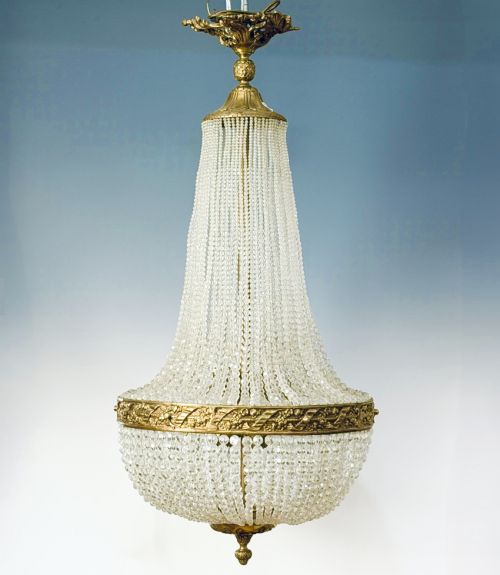
Construction relies upon cast brass, gilt bronze and ormolu to form the structural framework and arms of the fixtures. Metals are frequently gilded or silver-gilded to achieve a rich surface finish.
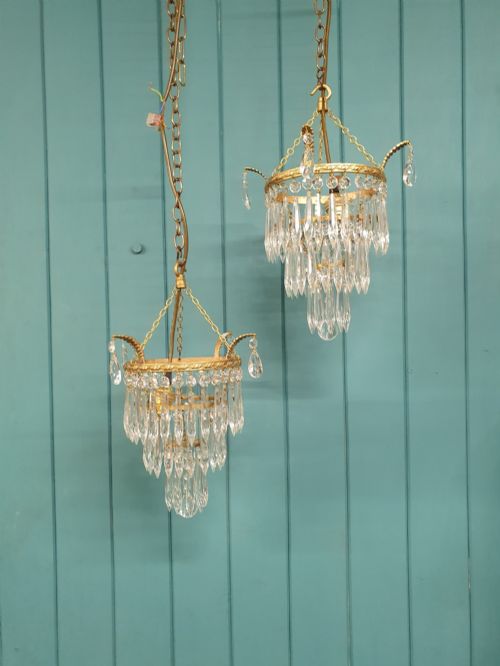
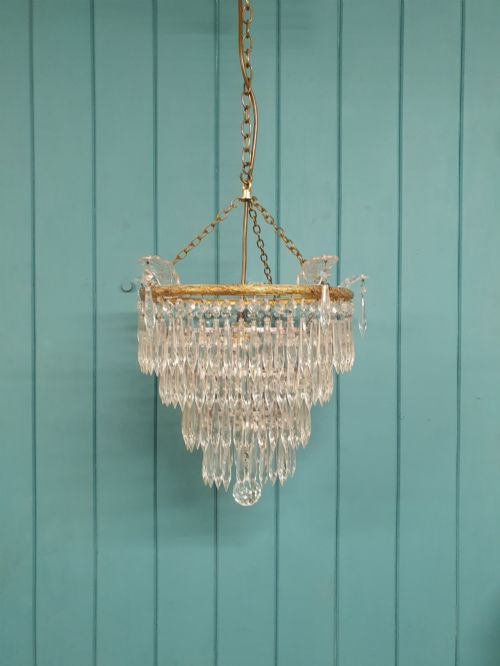
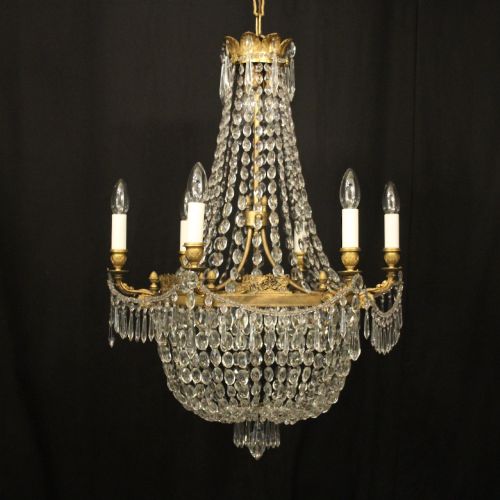
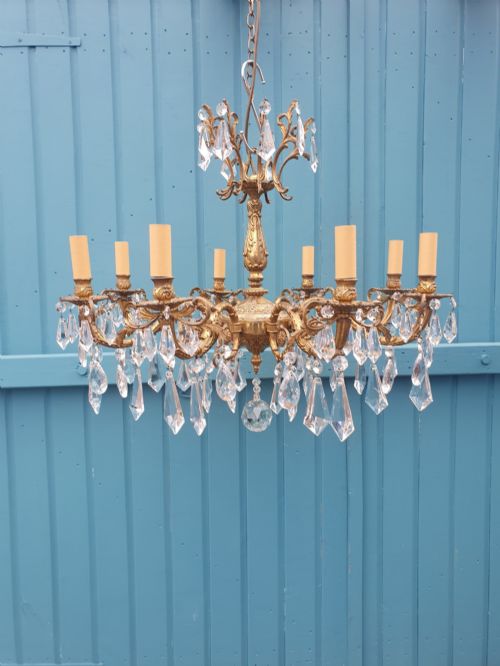
Transparent elements such as cut glass, crystal lustres and spikes are integrated extensively into the design. These components refract the light through tent and waterfall configurations or traditional birdcage structures.
The listings feature brass, gilt bronze and ormolu combined with cut glass and crystal across nineteenth-century and early twentieth-century periods.
What varies in quality
Quality rests upon the crispness of the metal casting and the depth of the gilding applied to the bronze or brass. Finer examples display sharp detailing in stylistic motifs rather than soft, mass-produced edges.
The inclusion and cutting of the crystal components also dictate the standard of the piece. Superior fixtures utilise heavily faceted glass that catches and splits light cleanly.
The French Brass Fixtures Glossary
- Ormolu
- Gilded bronze, where a layer of gold is applied to a bronze base using a mercury amalgamation technique or modern plating methods. This treatment imparts a distinct warm metallic lustre.
- Tent and waterfall
- A lighting configuration featuring strings of crystal beads forming a tent shape above a cascading arrangement of drops below. It creates a dense, reflective veil of glass.
- Birdcage chandelier
- A metal frame skeletal structure resembling a cage, hung with crystal drops and swags. This form became popular for its airy yet ornate silhouette.
- Hall lantern
- An enclosed hanging light designed for corridors or entranceways, often featuring convex glass panels. These protected internal candles or bulbs from drafts.
- Lyre chandelier
- A lighting design shaped around the symmetrical form of the ancient musical instrument. French Neoclassical examples utilise this specific motif centrally.
French Brass Fixtures: Frequently Asked Questions
How do I hang a heavy chandelier?
These fixtures require direct attachment to a ceiling joist or a reinforced support box capable of holding substantial metal and crystal weight. Professional installation is essential to secure the wiring and structural load.
Weight distribution varies significantly between a compact four-light lantern and a sprawling twelve-arm crystal centrepiece. Ensure the suspension chain and ceiling hook match the specific heft of the piece.
What rooms suit a hall lantern?
Hall lanterns work effectively in entryways, stairwells and high-ceilinged corridors where vertical space allows a hanging fixture to catch the eye. Their enclosed design protects the internal bulbs while casting patterned light across walls.
Scale is the primary consideration when placing these lights in domestic spaces. Choose a smaller convex lantern for narrow passages and reserve multi-tier versions for grand vestibules.
How do I clean crystal elements?
Maintenance involves wiping individual crystal drops and glass spikes with a gentle cleaning solution while the fixture remains supported. Many collectors prefer cleaning components in situ to avoid straining fragile antique wiring and pinned connections.
Harsh chemical sprays can damage the underlying gilt bronze or brass surfaces surrounding the glass. Apply cleaning fluids to a cloth rather than spraying directly onto the metal framework.
How can I date a brass fixture?
Dating relies upon observing stylistic markers, casting techniques and the specific cut of the crystal components. Nineteenth-century pieces often display heavier bronze casting and distinct Empire or Rococo Revival motifs, whereas 1920s and 1930s examples lean towards cleaner lines.
Examine the wiring channels, fixings and patination of the metal for clues regarding manufacture. Original construction methods and screw threads differ substantially between Victorian workshops and later twentieth-century production.